.webp&w=384&q=75)

Loading, please wait...
Loading, please wait...
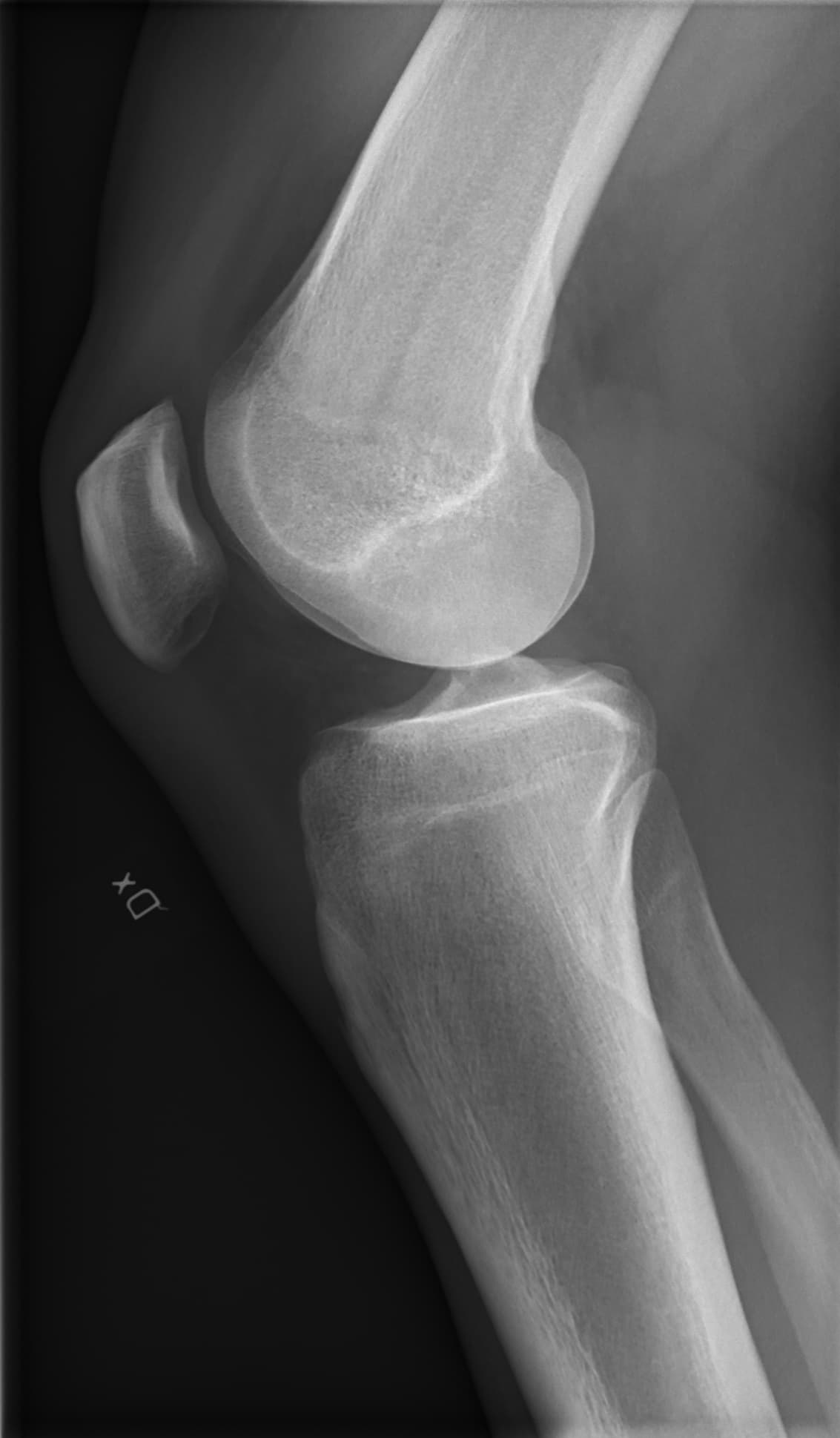
Reverse shoulder arthroplasty can restore function after complex proximal humeral fractures, but the greater tuberosity remains an important determinant of shoulder mechanics. This updated systematic review and meta-analysis examined whether anatomic healing of the greater tuberosity improves outcomes after reverse arthroplasty performed for fracture. Across the included studies, patients with anatomic tuberosity healing generally demonstrated better shoulder motion and functional results than patients with malunion or nonunion. The finding is clinically relevant because reverse arthroplasty reduces dependence on the native rotator cuff, but tuberosity healing can still improve external rotation and overall shoulder performance. The message is therefore not simply that reverse arthroplasty works regardless of tuberosity status. Instead, meticulous tuberosity reduction and fixation remain worthwhile. Surgeons should consider fracture-specific stem positioning, tuberosity preparation, fixation constructs and postoperative rehabilitation protocols that support healing. The evidence is observational and therefore cannot prove causality, but the consistency of the association strengthens the argument for preserving the tuberosity whenever feasible. For fracture arthroplasty, surgical technique should therefore address both implant stability and restoration of the proximal humeral anatomy.

Read summarized clinical updates, watch expert medical content, and earn CME certifications right from your smartphone.
Open your smartphone camera to scan and install.





Reverse shoulder arthroplasty can restore function after complex proximal humeral fractures, but the greater tuberosity remains an important determinant of shoulder mechanics. This updated systematic review and meta-analysis examined whether anatomic healing of the greater tuberosity improves outcomes after reverse arthroplasty performed for fracture. Across the included studies, patients with anatomic tuberosity healing generally demonstrated better shoulder motion and functional results than patients with malunion or nonunion. The finding is clinically relevant because reverse arthroplasty reduces dependence on the native rotator cuff, but tuberosity healing can still improve external rotation and overall shoulder performance. The message is therefore not simply that reverse arthroplasty works regardless of tuberosity status. Instead, meticulous tuberosity reduction and fixation remain worthwhile. Surgeons should consider fracture-specific stem positioning, tuberosity preparation, fixation constructs and postoperative rehabilitation protocols that support healing. The evidence is observational and therefore cannot prove causality, but the consistency of the association strengthens the argument for preserving the tuberosity whenever feasible. For fracture arthroplasty, surgical technique should therefore address both implant stability and restoration of the proximal humeral anatomy.
4 weeks back

Explore the therapeutic promise of TLR7 and TLR8 inhibitors in managing systemic lupus erythematosus and monogenic autoimmune diseases. Learn how targeting endolysosomal single-stranded RNA sensing and regulatory checkpoints like UNC93B1 and PLD4 offers precision treatment without broad immunosuppression.
Yesterday
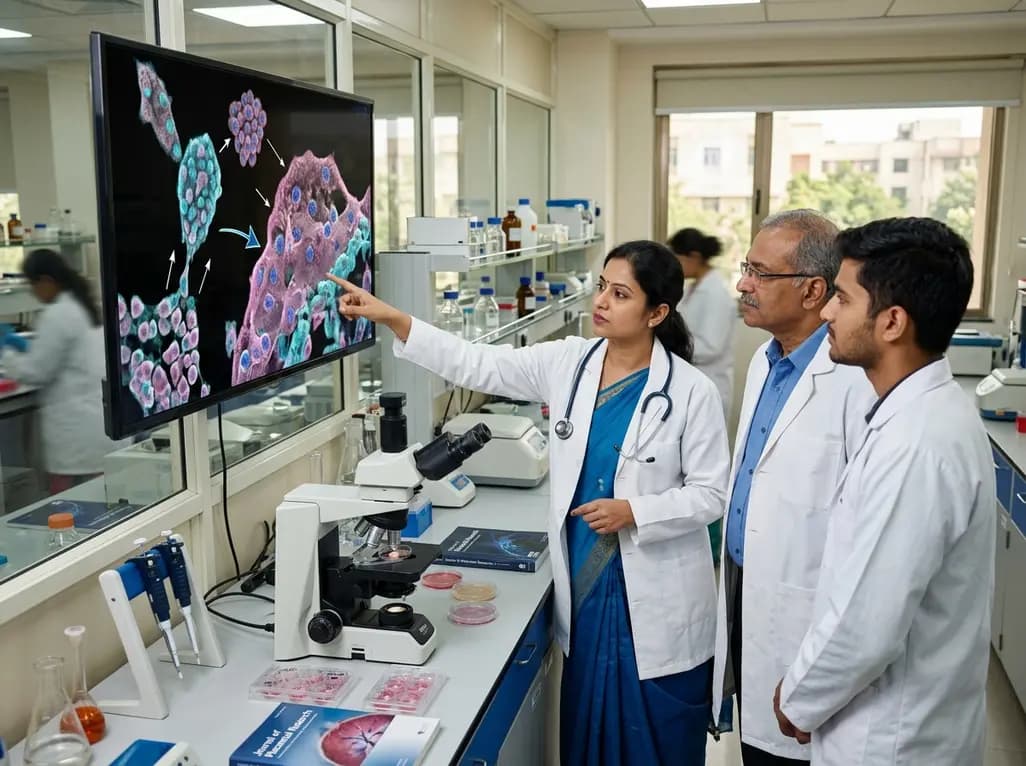
Recent research reveals that downregulating YAP1/TAZ-TEAD via Hippo signaling triggers spontaneous human trophoblast syncytialization in 3D cultures, illuminating placental biology and preeclampsia.
3 weeks back

Abdominal aortic aneurysm rupture remains a catastrophic vascular emergency. Groundbreaking research reveals that USP53 accelerates aneurysm progression by reprogramming smooth muscle cell metabolism toward aerobic glycolysis, highlighting a promising target beyond conventional diameter-based surveillance.
Yesterday
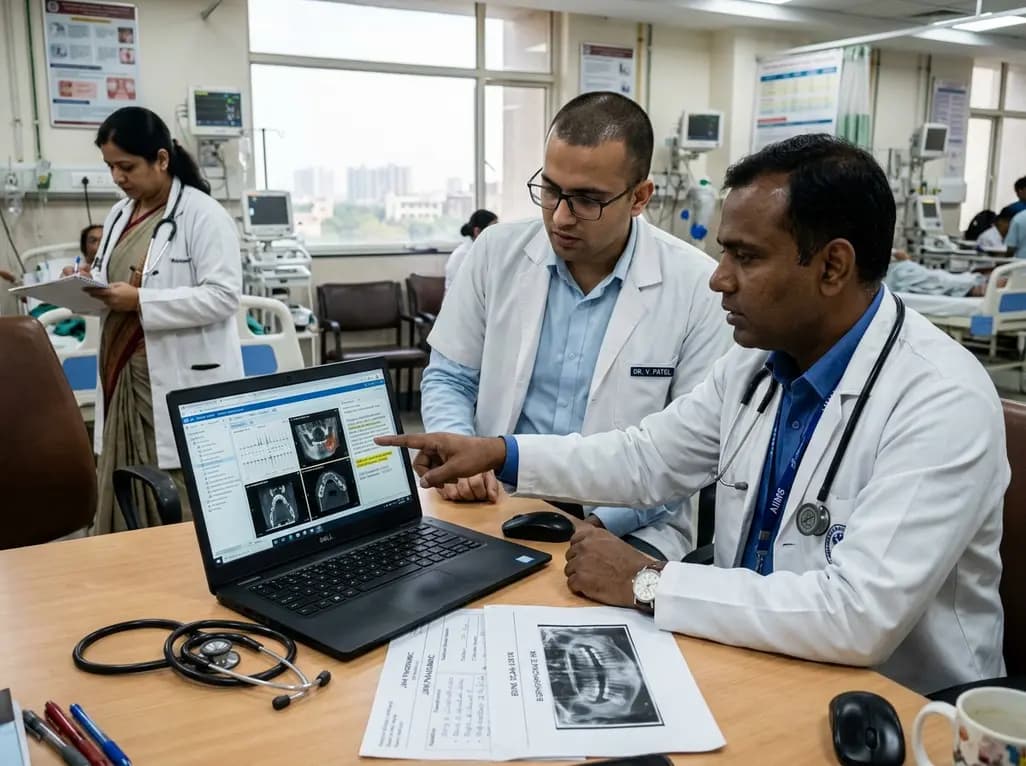
A breakthrough study leverages natural language processing to accurately identify incident medication-related osteonecrosis of the jaw and track antiresorptive drug holidays from clinical narratives in electronic health records, advancing osteoporosis pharmacovigilance and dental safety.
Yesterday
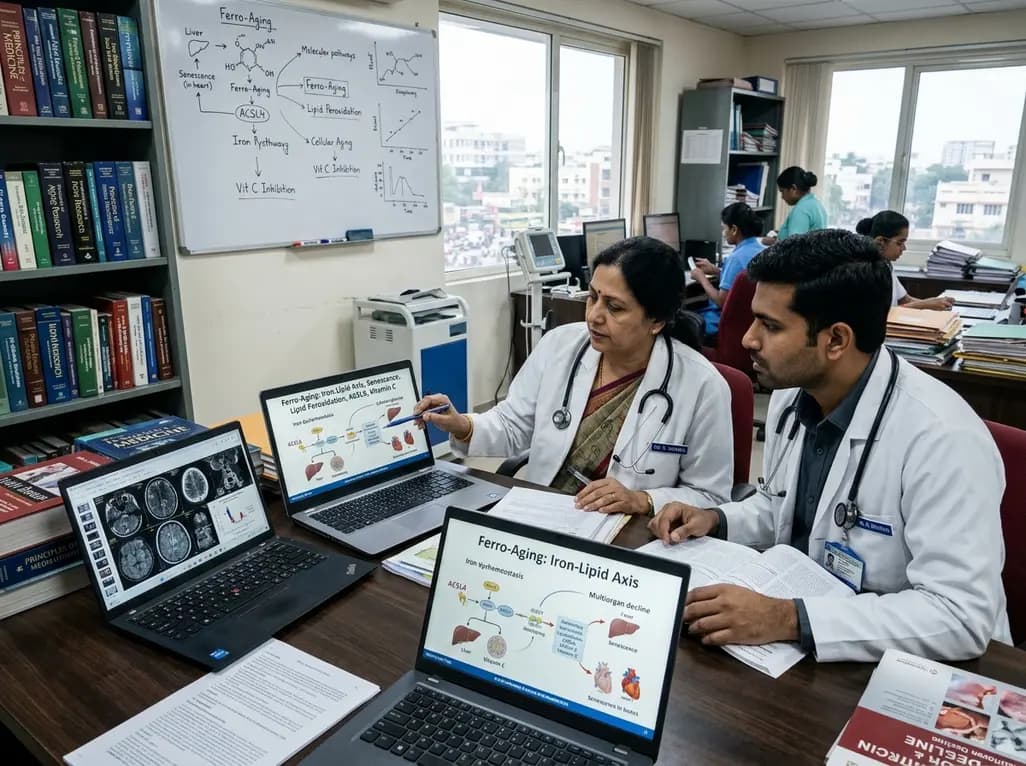
Recent research defines ferro-aging as a conserved iron-lipid axis driving organ decline across primates. Age-related iron dyshomeostasis stimulates ACSL4-mediated lipid peroxidation, promoting cellular senescence. Notably, vitamin C directly inhibits ACSL4, suppressing phospholipid oxidation and multi-organ decay.
2 days back
