.webp&w=384&q=75)

Loading, please wait...
Loading, please wait...
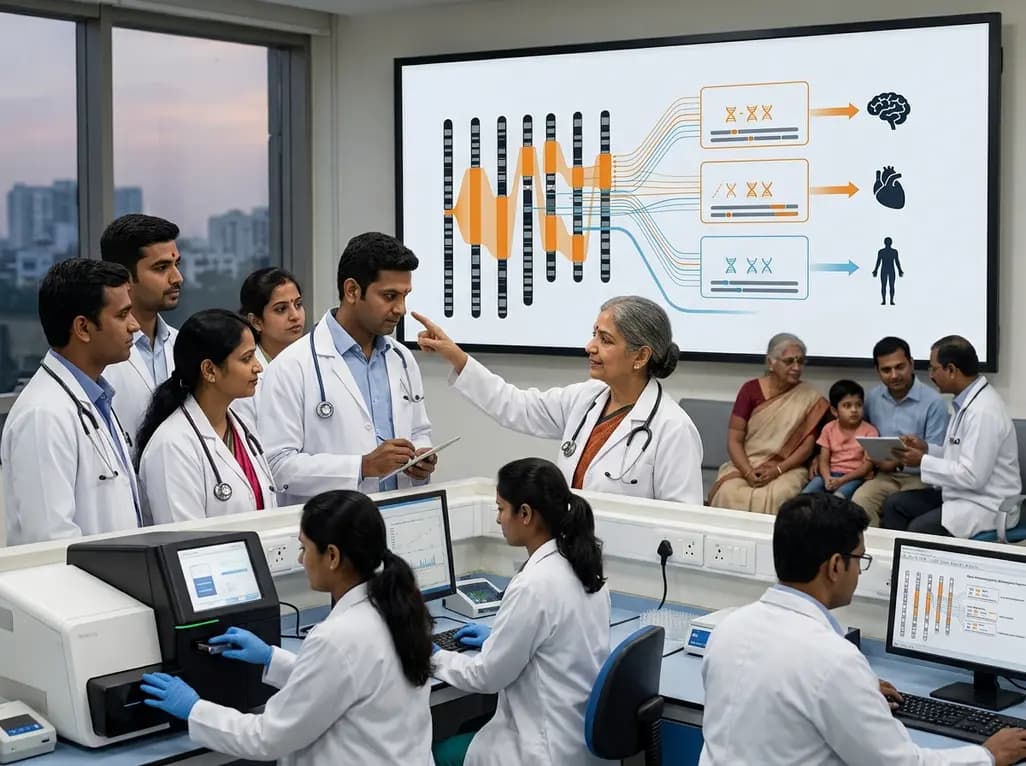
The establishment of robust gene-disease relationship evidence serves as the fundamental cornerstone of precision medicine and monogenic disease diagnostics. In the current clinical landscape, clinicians often encounter tentative associations between specific genetic variants and clinical phenotypes. While functional modeling and in vitro studies offer valuable insights, human genetic data remain the definitive gold standard for validating these links. Historically, gathering this evidence has been a slow, incremental process, typically relying on isolated case reports or small family studies published over several years. However, a recent breakthrough study by Bakur K et al. suggests that high-throughput strategies can significantly compress this timeline. By analyzing large-scale genomic databases, researchers can now identify strong segregation data and homozygous variants that confirm or challenge existing theories. This shift from reactive to proactive evidence generation is essential for improving the diagnostic yield in rare disease clinics. Furthermore, it allows for a more nuanced understanding of how specific mutations lead to clinical manifestations. Consequently, the ability to rapidly curate and validate these relationships directly impacts patient management and family counseling.
One of the most effective ways to strengthen gene-disease relationship evidence is by studying populations with high rates of autozygosity. Autozygosity occurs when individuals inherit identical genomic segments from both parents due to shared ancestry. The study utilized the Lifera Omics Database (LODB), which is highly enriched for consanguinity and founder effects. These population characteristics are particularly advantageous for identifying recessive disorders. When a cohort is enriched for these factors, researchers can more easily detect homozygous loss-of-function (LOF) variants that might remain hidden in more diverse populations. Specifically, the researchers targeted 2,904 genes that previously held only tentative associations in the literature. By identifying multiple unrelated individuals with the same homozygous variants, the team could provide statistically significant proof of a gene's pathogenicity. Moreover, this approach exploits the power of founder variants, which are mutations that persist in a population due to historical isolation. As a result, the study was able to provide high-confidence support for 95 genes, demonstrating that population-specific genomic architecture is a powerful tool for global medical knowledge.
The methodology employed in this research highlights the evolving role of diagnostic laboratories as engines of scientific discovery. The team systematically analyzed the LODB for homozygous high-impact missense variants and presumptive loss-of-function mutations. Rather than focusing on a single disease, they cast a wide net across thousands of genes with uncertain clinical significance. This high-throughput approach is a departure from traditional gene discovery, which often starts with a specific phenotype and searches for a cause. Instead, this genotype-first strategy identifies individuals with suspicious variants and then reconciles their clinical features. Additionally, the search identified 13 specific founder missense variants across 33 homozygous individuals. This specific focus on founder effects allows for the observation of a single variant across different genetic backgrounds, which helps in isolating the primary disease driver. Furthermore, the integration of extensive segregation data from large families provided the necessary evidence to move genes from a "tentative" to a "confident" classification. Such data-driven methodologies are vital for reducing the number of variants of uncertain significance (VUS) reported to patients.
The results of this high-throughput analysis have profound implications for our understanding of genetic inheritance and clinical presentation. Notably, the data expanded the mode of inheritance (MOI) for 19 different genes. Many of these genes were previously thought to cause disease only through dominant mutations. However, the identification of homozygous individuals proved that recessive inheritance also plays a critical role in these conditions. This finding is crucial because it changes the recurrence risk for families and the interpretation of future genetic tests. Furthermore, the researchers documented phenotypic expansion in 18 supported relationships. This means that the range of symptoms associated with a specific gene is much broader than initially described. In some cases, the study delineated full syndromic constellations that had never been fully captured in earlier, smaller studies. Additionally, the discovery of four novel allelic disorders suggests that different mutations in the same gene can lead to distinct clinical entities. Consequently, these findings provide a much clearer map for clinicians who are attempting to correlate complex patient symptoms with specific genetic findings.
For medical professionals in India, these findings are particularly resonant due to the unique genetic landscape of the subcontinent. India is home to over 4,000 endogamous groups, many of which exhibit significant founder effects and varying degrees of consanguinity. This cultural and historical structure makes the Indian population an ideal setting for discovering recessive gene-disease relationships. Just as the LODB leveraged regional genomic architecture, Indian clinicians and researchers can utilize localized databases to solve cold cases in rare disease diagnostics. Furthermore, the burden of monogenic disorders in India is high, and many patients remain undiagnosed for years. Implementing high-throughput evidence generation could drastically reduce this diagnostic odyssey. Moreover, understanding that certain genes may have expanded modes of inheritance is vital for accurate genetic counseling in Indian communities. As diagnostic labs in India continue to share data and collaborate with physicians, the ability to validate these findings locally will grow. Therefore, adopting the principles demonstrated in this study can lead to more precise diagnoses and personalized treatment plans for millions of Indian patients with rare genetic conditions.
Ultimately, the success of high-throughput evidence generation depends on the synergy between diagnostic laboratories and referring physicians. The study emphasizes that data sharing is not just a technical requirement but a clinical necessity. When labs and doctors work closely together, they can effectively bridge the gap between a raw genetic variant and a confirmed diagnosis. This collaboration allows for the iterative refinement of gene-disease associations based on real-world clinical observations. Furthermore, the study showcases the added value of population-specific databases in the global effort to map the human genome. By focusing on cohorts enriched for specific genetic traits, researchers can solve mysteries that might be impossible to untangle in more heterogeneous groups. Consequently, the medical community must continue to support open-access evidence repositories and collaborative research frameworks. This collective effort ensures that the benefits of genomic research are distributed across all populations. As we move forward, the high-throughput model will likely become the standard for clarifying the genetic basis of human health and disease.
Consanguinity increases the likelihood that an individual will inherit the same genetic variant from both parents, leading to homozygosity. In the context of rare diseases, this makes recessive conditions much more visible to researchers. By identifying homozygous loss-of-function variants in cohorts enriched for consanguinity, scientists can rapidly gather strong evidence that a specific gene is responsible for a particular disease, which might take decades to prove in non-consanguineous populations.
Expanding the mode of inheritance (MOI) means recognizing that a gene previously linked to dominant inheritance can also cause disease through recessive patterns, or vice versa. This is clinically vital because it changes how we calculate recurrence risks for families. For instance, if a gene is found to have a recessive MOI, parents who are carriers have a 25% risk of having another affected child, a factor that is essential for accurate genetic counseling and prenatal planning.
Phenotypic expansion occurs when researchers find that a gene causes a wider variety of symptoms than originally thought. For clinicians, this is important because it prevents the premature exclusion of a genetic diagnosis based on an atypical presentation. It allows doctors to recognize that different patients with the same genetic disorder may present with varying levels of severity or entirely different organ systems involved, ultimately leading to more comprehensive care and better diagnostic accuracy.
Disclaimer: This content is for informational and educational purposes only. It does not constitute medical advice or establish a doctor-patient relationship. Genetic interpretation and clinical decisions should be made by qualified healthcare professionals based on individual patient assessment. Refer to the latest local and national guidelines for clinical practice.
References
Bakur K et al. High Throughput Evidence Generation to Support Tentative Gene Disease Relationship from A Cohort Enriched for Autozygosity and Founder Effect. Genet Med. 2026 Jul 10. doi: undefined. PMID: 42434812.
Strachan T, Read A. Human Molecular Genetics. 5th ed. CRC Press; 2018.
Richards S et al. Standards and guidelines for the interpretation of sequence variants: a joint consensus recommendation of the American College of Medical Genetics and Genomics and the Association for Molecular Pathology. Genet Med. 2015 May;17(5):405-24.

Read summarized clinical updates, watch expert medical content, and earn CME certifications right from your smartphone.
Open your smartphone camera to scan and install.





A landmark study leveraging the Lifera Omics Database (LODB) demonstrates how cohorts enriched for consanguinity and founder effects can rapidly generate gene-disease relationship evidence. By identifying homozygous loss-of-function variants, researchers expanded the phenotypic spectrum and inheritance modes for numerous genes.
3 months ago
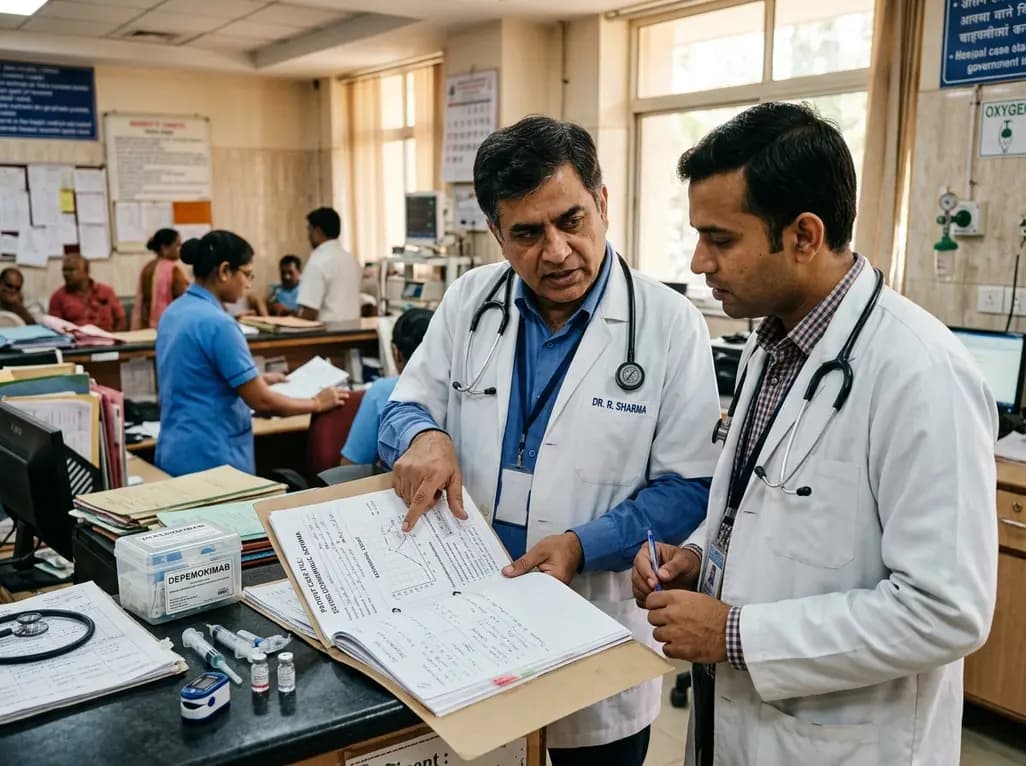
Depemokimab offers twice-yearly dosing for severe eosinophilic asthma and chronic rhinosinusitis with nasal polyps, significantly cutting exacerbations and hospital admissions.
3 days back
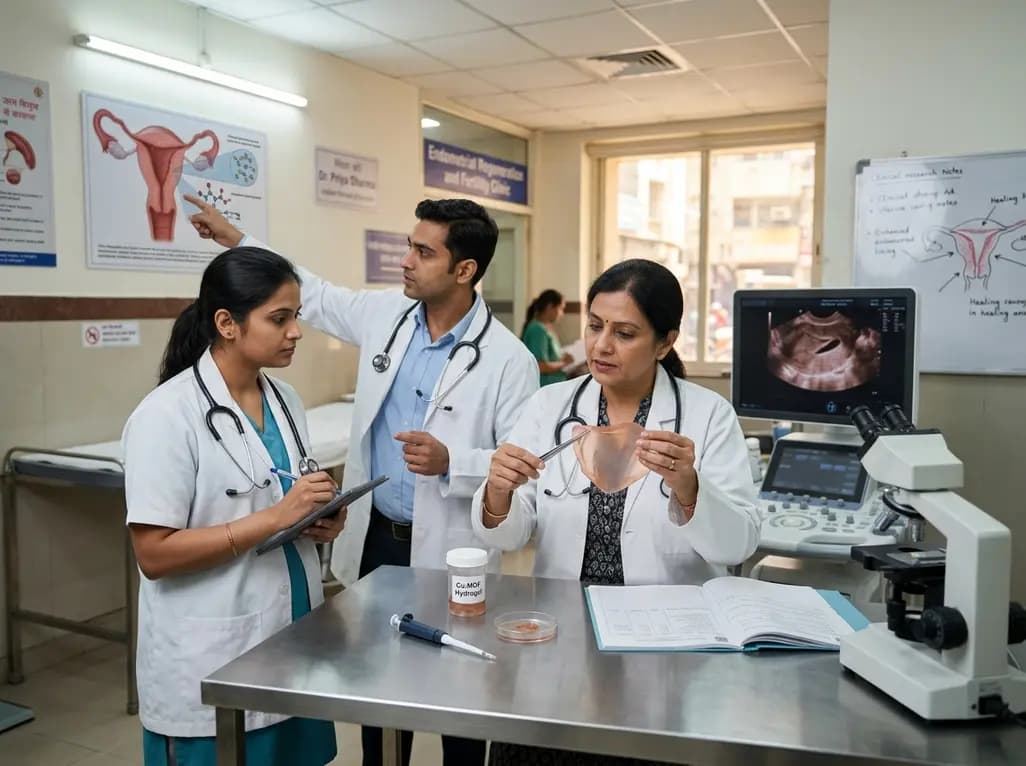
A novel copper metal-organic framework hydrogel remodels the uterine microenvironment to stimulate robust endometrial regeneration, reduce intrauterine fibrosis, and restore reproductive fertility, offering a groundbreaking strategy for managing refractory endometrial damage and Asherman syndrome.
4 days back
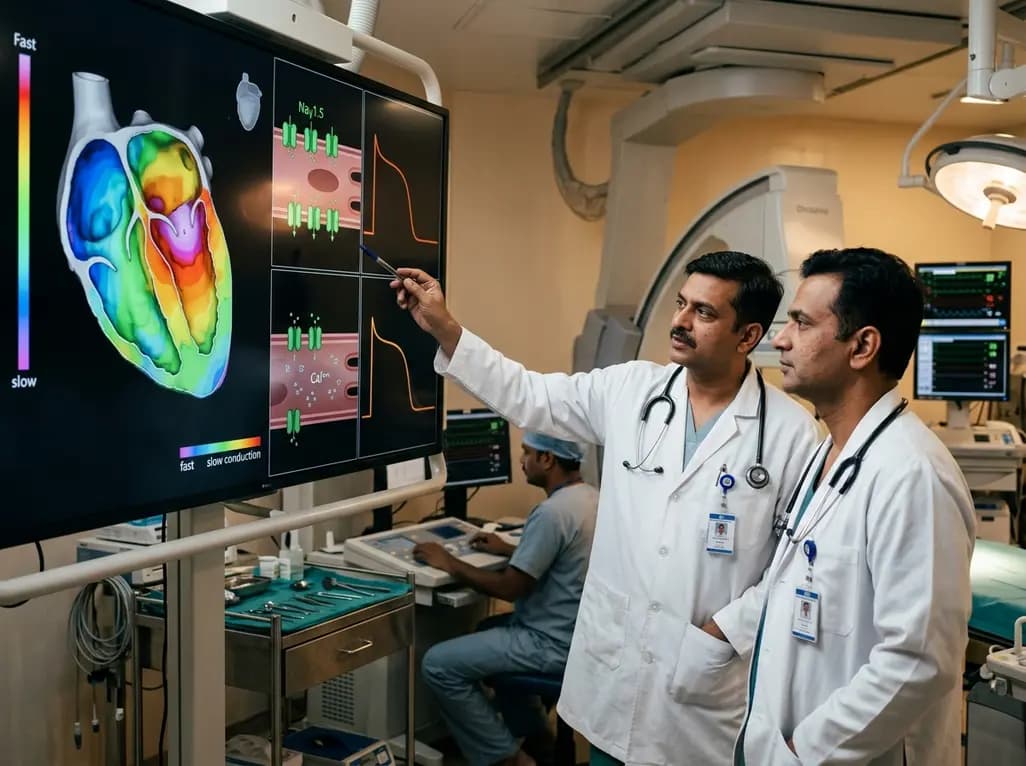
New research reveals that non-ablative radiotherapy suppresses ventricular tachycardia by increasing conduction velocity via NaV1.5 upregulation and action potential prolongation. However, sustained sodium current elevation and depressed calcium handling highlight the need for careful clinical translation.
6 days back

A single-cell transcriptomic atlas reveals how peripheral nerve injuries cause dorsal root ganglion remodeling. By evaluating proximal nerve crush and resection, researchers identify distinct glial and immune programs that resolve neuropathic pain and promote regeneration.
4 days back
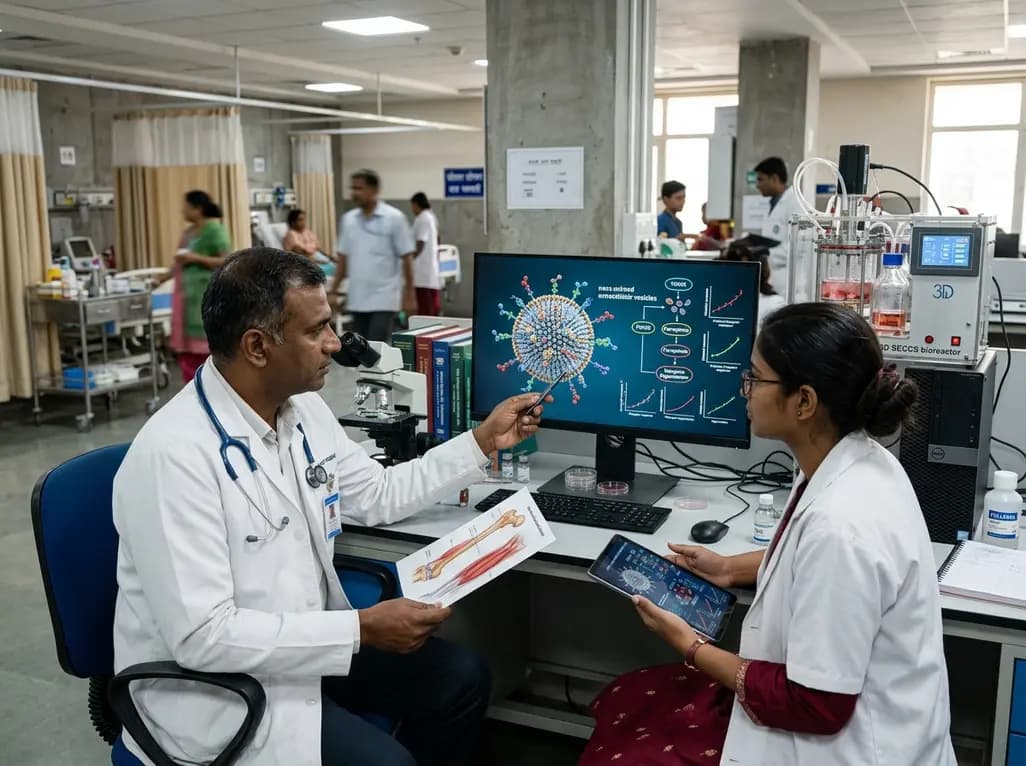
A breakthrough study demonstrates that fullerol-primed extracellular vesicles generated in a 3D SECCS bioreactor attenuate ferroptosis and restore myogenic regeneration in diabetes via the FOXO3 pathway, offering a cell-free therapeutic strategy for diabetic musculoskeletal degeneration.
4 days back
