.webp&w=384&q=75)

Loading, please wait...
Loading, please wait...

Drug-resistant epilepsy associated with GATOR1 variants poses unique diagnostic challenges for neurologists. However, the presence of GATOR1-associated genetic epilepsy often indicates an underlying focal lesion that might be missed on standard imaging. Traditionally, physicians might avoid referring these patients for surgery when MRI results appear negative. However, recent case studies demonstrate that persistent evaluation can lead to excellent clinical outcomes and long-term seizure freedom.
Researchers recently explored cases of Familial Focal Epilepsy with Variable Foci (FFEVF) involving the NPRL3 gene. Notably, three patients initially presented with negative or inconclusive MRI studies. Surgeons often hesitate in such scenarios because of the lack of a visible lesion. Despite this, the clinical suspicion of Focal Cortical Dysplasia (FCD) led to a more comprehensive evaluation. By utilizing advanced neuroimaging, the surgical team identified specific epileptogenic zones. Consequently, all three patients underwent targeted resections and achieved seizure freedom for over five years.
This finding suggests that genetic alterations in the GATOR1 complex frequently coexist with occult structural lesions. Therefore, clinicians must look beyond initial radiological reports. Exhaustive presurgical evaluations, including high-resolution imaging and functional studies, are essential. Furthermore, identifying a single pathogenic variant in a family can highlight the need to screen other affected members with similar rigor. For instance, an ill-defined signal on one family member's scan may reveal the location of lesions in others who previously tested negative.
In summary, genetic epilepsy does not preclude a focal, resectable cause. Clinicians should maintain a high index of suspicion for FCD in patients with GATOR1 variants. Successful surgical management is possible even when initial scans fail to show a lesion. This approach offers a potential cure for patients who previously had few options for treatment.
Yes. In cases of GATOR1-associated genetic epilepsy, advanced neuroimaging can often identify hidden focal lesions that standard MRI misses, making successful resection possible.
NPRL3 is a gene within the GATOR1 complex. Mutations in this gene are associated with familial focal epilepsy and are often linked to underlying focal cortical dysplasia.
Studies show that targeted resection of the epileptogenic zone can lead to long-term seizure freedom, with some patients remaining seizure-free for over five years post-surgery.
Disclaimer: This content is for informational and educational purposes only. It does not constitute medical advice or a professional relationship. Always consult a qualified healthcare provider for diagnosis and treatment. Refer to the latest local and national guidelines for clinical practice.
References

Read summarized clinical updates, watch expert medical content, and earn CME certifications right from your smartphone.
Open your smartphone camera to scan and install.





Patients with GATOR1-associated genetic epilepsy often have resectable focal lesions despite initial negative MRI scans. Recent research shows that advanced neuroimaging and comprehensive presurgical evaluations can lead to long-term seizure freedom in these complex cases.
4 months ago

Depemokimab offers twice-yearly dosing for severe eosinophilic asthma and chronic rhinosinusitis with nasal polyps, significantly cutting exacerbations and hospital admissions.
3 days back

A novel copper metal-organic framework hydrogel remodels the uterine microenvironment to stimulate robust endometrial regeneration, reduce intrauterine fibrosis, and restore reproductive fertility, offering a groundbreaking strategy for managing refractory endometrial damage and Asherman syndrome.
4 days back
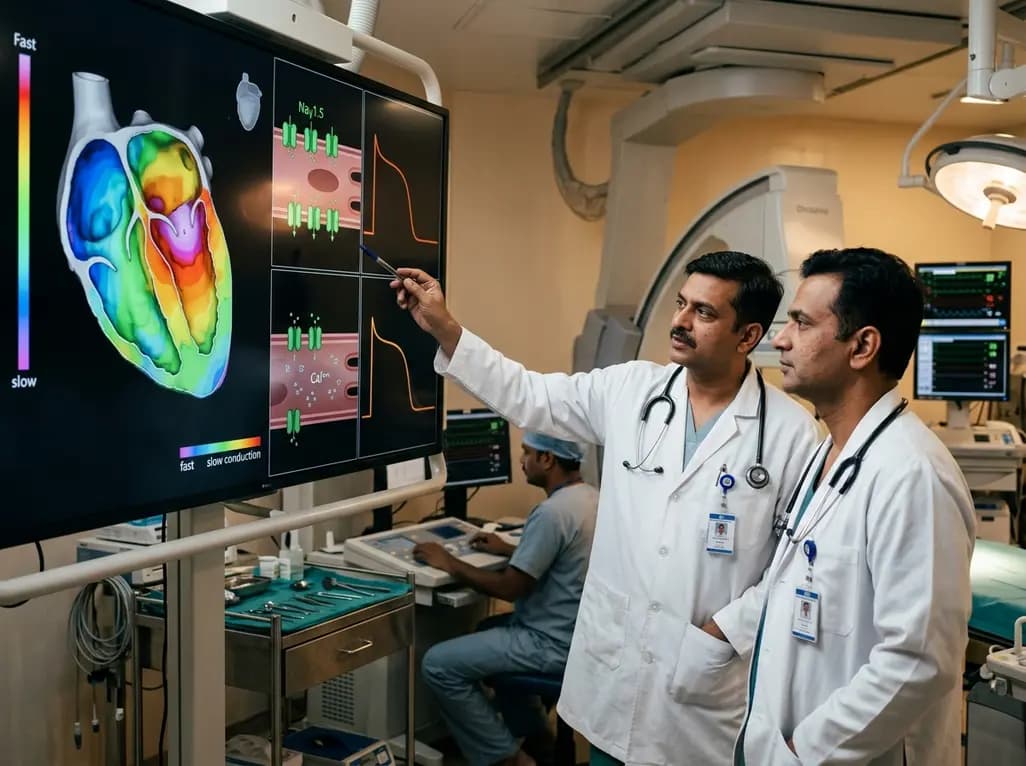
New research reveals that non-ablative radiotherapy suppresses ventricular tachycardia by increasing conduction velocity via NaV1.5 upregulation and action potential prolongation. However, sustained sodium current elevation and depressed calcium handling highlight the need for careful clinical translation.
6 days back

A single-cell transcriptomic atlas reveals how peripheral nerve injuries cause dorsal root ganglion remodeling. By evaluating proximal nerve crush and resection, researchers identify distinct glial and immune programs that resolve neuropathic pain and promote regeneration.
4 days back
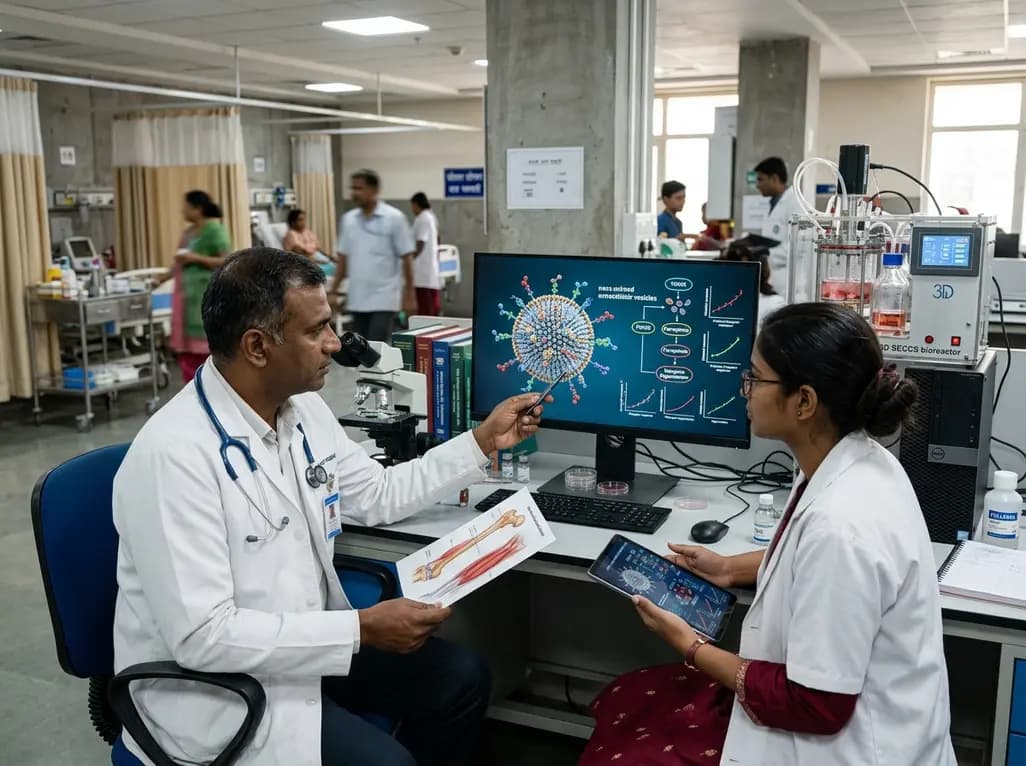
A breakthrough study demonstrates that fullerol-primed extracellular vesicles generated in a 3D SECCS bioreactor attenuate ferroptosis and restore myogenic regeneration in diabetes via the FOXO3 pathway, offering a cell-free therapeutic strategy for diabetic musculoskeletal degeneration.
4 days back
