.webp&w=384&q=75)

Loading, please wait...
Loading, please wait...
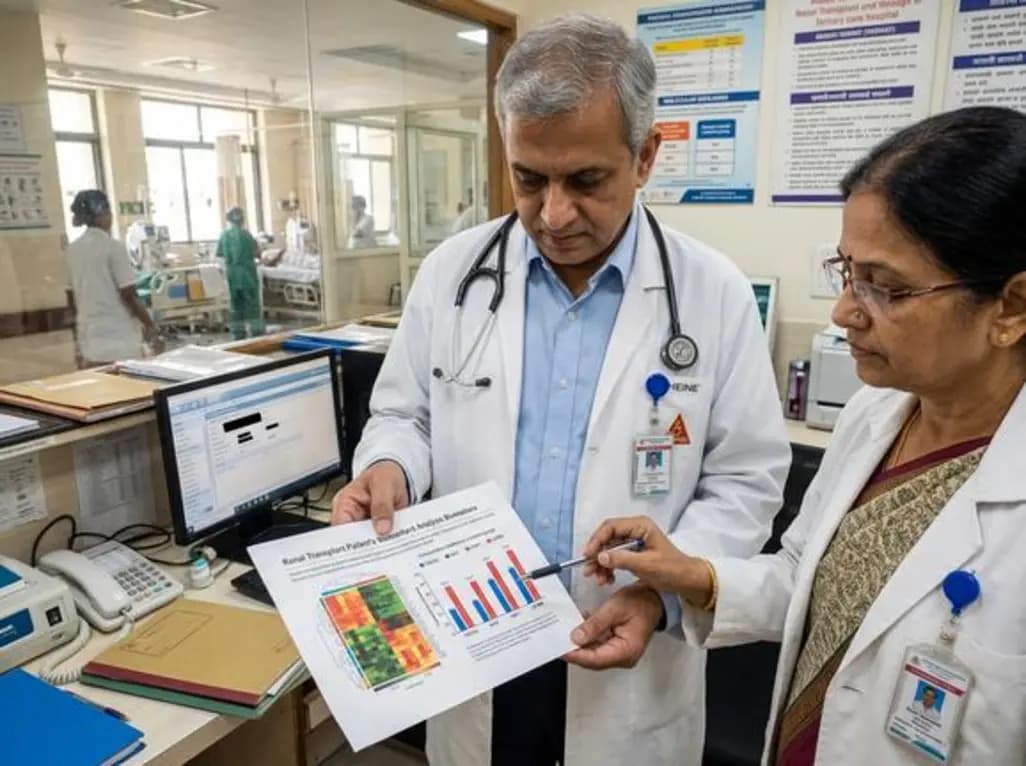
Identifying reliable post-transplant AKI biomarkers remains a critical challenge for nephrologists and transplant surgeons in India. Acute kidney injury (AKI) frequently occurs after renal transplantation, primarily driven by ischemia-reperfusion injury (IRI). Historically, clinicians have lacked highly sensitive tools for early diagnosis in the immediate postoperative phase. However, a recent study has introduced a robust four-gene signature. This molecular panel offers a promising solution for the early identification of graft complications.
The researchers utilized advanced transcriptomic analysis and machine learning to isolate specific genetic markers. Initially, the team analyzed discovery cohorts and identified 222 candidate genes linked to early allograft IRI. Subsequently, they refined this list using LASSO regression and support vector machine-recursive feature elimination (SVM-RFE). This meticulous process narrowed the focus to four specific genes: SOCS3, MYC, TGIF1, and LETM2. Notably, these post-transplant AKI biomarkers show cell-type specific expression across various renal compartments, including elevated protein levels in human AKI biopsies.
In clinical evaluations, this gene signature demonstrated exceptional diagnostic accuracy. The training cohort yielded an area under the curve (AUC) of 0.969. Furthermore, validation in a larger independent dataset maintained a high AUC of 0.942. Consequently, this panel significantly outperformed established indicators such as neutrophil gelatinase-associated lipocalin (NGAL). Decision curve analyses suggest that the signature remains clinically useful across a wide range of threshold probabilities, making it a potentially superior tool for risk stratification.
Beyond transplantation, certain components of this signature show promise in other critical care contexts. For instance, protein levels of SOCS3 and LETM2 rose in patients with cardiac surgery-associated AKI. While further large-scale clinical trials are necessary to confirm these findings, the signature represents a major step forward. Collectively, these results suggest that molecular profiling could lead to more timely therapeutic strategies and improved outcomes for transplant recipients.
The signature comprises four specific genes: SOCS3, MYC, TGIF1, and LETM2. These were identified through transcriptomic analysis and machine learning as robust markers of early allograft ischemia-reperfusion injury.
Research indicates that the four-gene signature significantly outperforms neutrophil gelatinase-associated lipocalin (NGAL), showing higher AUC values (0.942–0.969) for identifying AKI following kidney transplantation.
While primarily developed for post-transplant cases, the study found that serum levels of SOCS3 and LETM2 were also elevated in patients with AKI following cardiac surgery, suggesting potential broader utility.
Disclaimer: This content is for informational and educational purposes only and does not constitute medical advice. It is not intended to be a substitute for professional medical advice, diagnosis, or treatment. Always seek the advice of your physician or other qualified health provider with any questions you may have regarding a medical condition. Refer to the latest local and national guidelines for clinical practice.
References
Feng J et al. A four-gene signature for diagnosis of acute kidney injury following kidney transplantation. Ren Fail. 2026 Dec undefined. doi: 10.1080/0886022X.2026.2687235. PMID: 42315974.
Ronco C, Bellomo R, Kellum JA. Acute kidney injury. Lancet. 2019;394(10212):1949-1964.
Mishra J, et al. Neutrophil gelatinase-associated lipocalin (NGAL) as a biomarker for acute kidney injury. Circulation. 2005;112(16):2456-2462.
"
Read summarized clinical updates, watch expert medical content, and earn CME certifications right from your smartphone.
Open your smartphone camera to scan and install.





A breakthrough study has identified a four-gene signature (SOCS3, MYC, TGIF1, and LETM2) that serves as a highly accurate biomarker panel for the early diagnosis of acute kidney injury following renal transplantation, significantly outperforming traditional markers like NGAL.
4 months ago
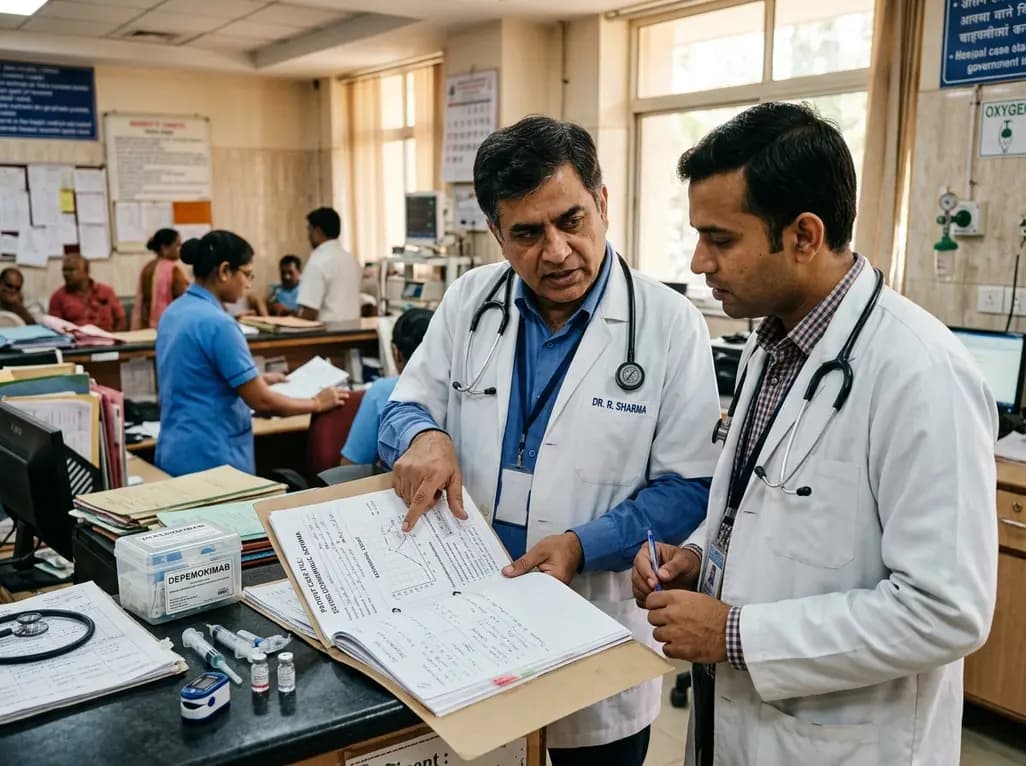
Depemokimab offers twice-yearly dosing for severe eosinophilic asthma and chronic rhinosinusitis with nasal polyps, significantly cutting exacerbations and hospital admissions.
3 days back

A novel copper metal-organic framework hydrogel remodels the uterine microenvironment to stimulate robust endometrial regeneration, reduce intrauterine fibrosis, and restore reproductive fertility, offering a groundbreaking strategy for managing refractory endometrial damage and Asherman syndrome.
3 days back
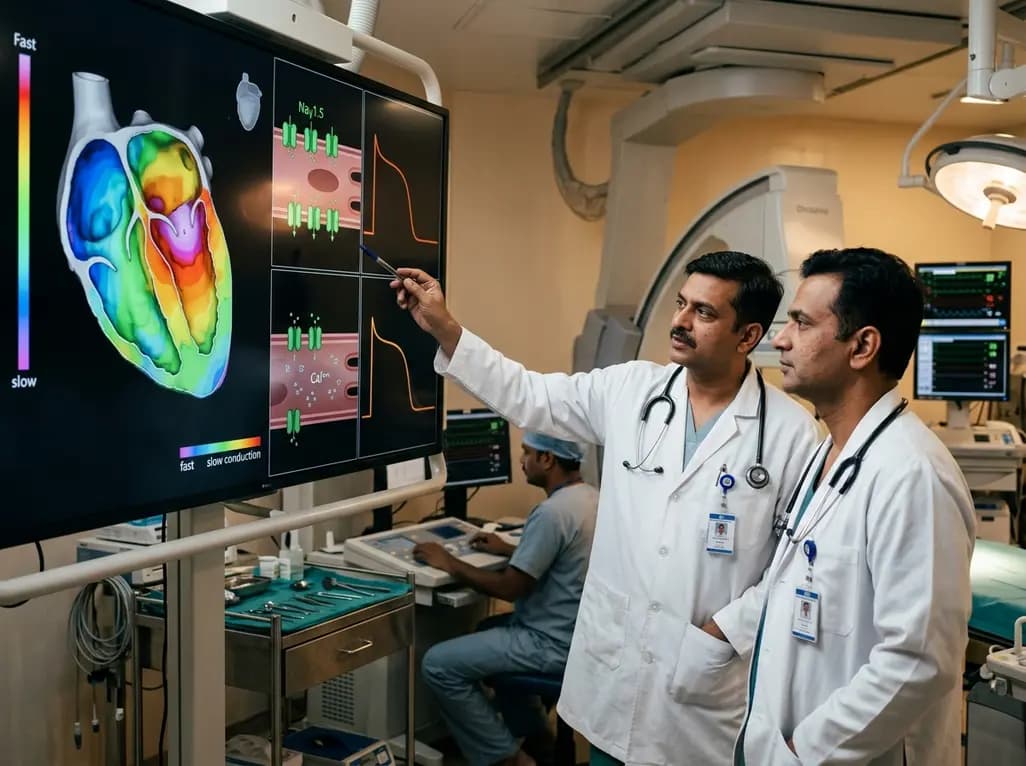
New research reveals that non-ablative radiotherapy suppresses ventricular tachycardia by increasing conduction velocity via NaV1.5 upregulation and action potential prolongation. However, sustained sodium current elevation and depressed calcium handling highlight the need for careful clinical translation.
5 days back
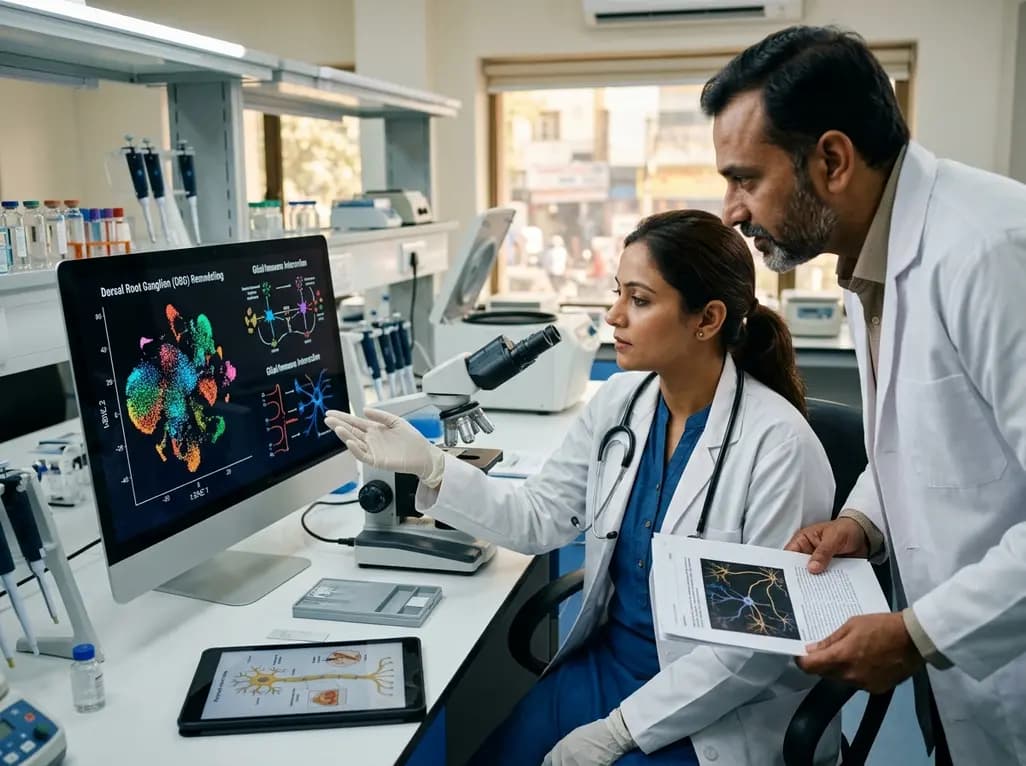
A single-cell transcriptomic atlas reveals how peripheral nerve injuries cause dorsal root ganglion remodeling. By evaluating proximal nerve crush and resection, researchers identify distinct glial and immune programs that resolve neuropathic pain and promote regeneration.
3 days back
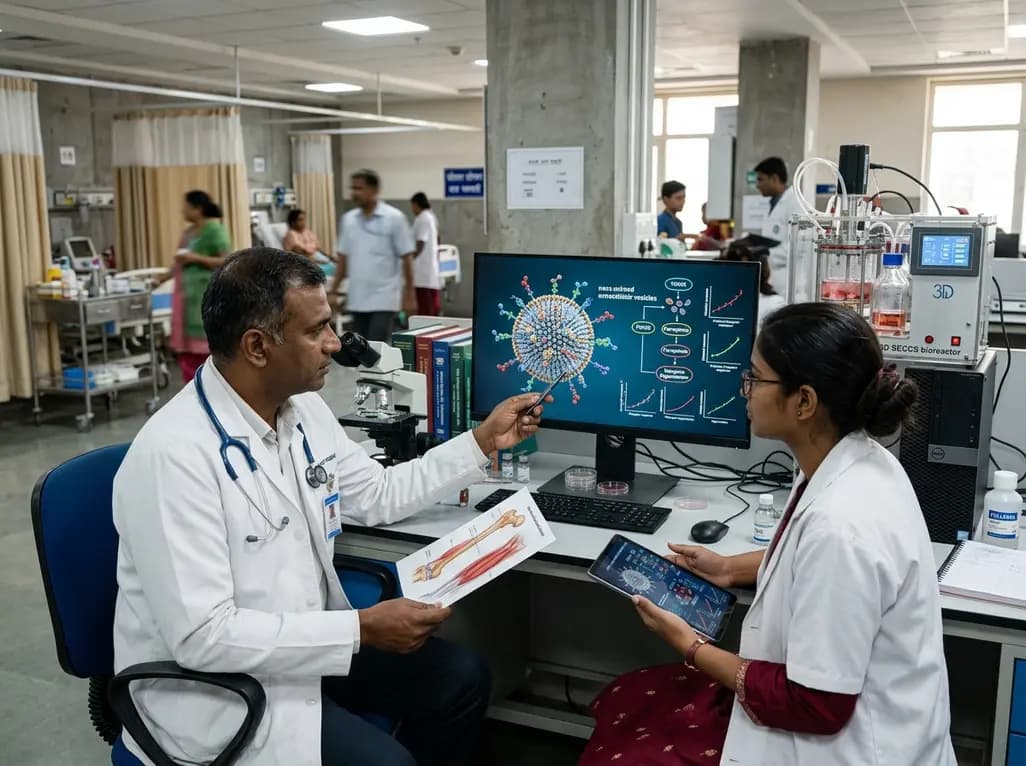
A breakthrough study demonstrates that fullerol-primed extracellular vesicles generated in a 3D SECCS bioreactor attenuate ferroptosis and restore myogenic regeneration in diabetes via the FOXO3 pathway, offering a cell-free therapeutic strategy for diabetic musculoskeletal degeneration.
3 days back
