.webp&w=384&q=75)

Loading, please wait...
Loading, please wait...
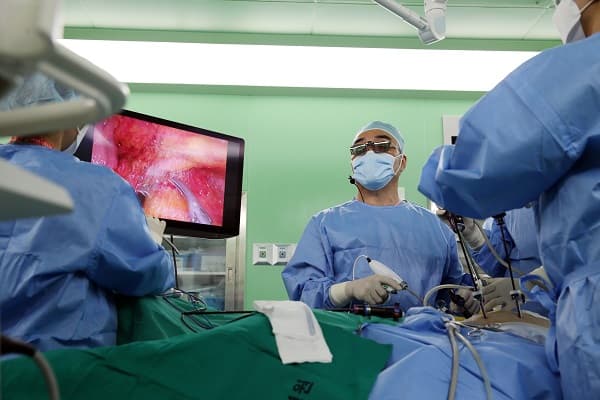
The FLOT4 trial compared perioperative FLOT chemotherapy with the older ECF/ECX approach in patients with resectable gastric or gastro-oesophageal junction adenocarcinoma. FLOT combines fluorouracil, leucovorin, oxaliplatin and docetaxel and was designed to improve systemic disease control before and after surgery. The study demonstrated a clinically meaningful benefit for FLOT, helping establish it as a leading perioperative chemotherapy strategy for fit patients with resectable, locally advanced gastric or gastro-oesophageal junction cancer. The trial also reinforced an important reality of upper GI surgery: surgery alone is rarely sufficient when the risk of micrometastatic disease is substantial. For surgeons, the implications extend into multidisciplinary planning. The quality of the operation, timing of chemotherapy, nutritional optimization and management of treatment-related toxicity all influence whether patients receive the intended perioperative pathway. Close coordination between surgery, medical oncology, radiology, nutrition and anaesthesia is therefore essential. FLOT4 is a good example of evidence changing surgical practice without changing the core role of surgery itself. Instead, surgery becomes one component of a planned oncological sequence designed to maximize the chance of cure while maintaining fitness for definitive resection.

Read summarized clinical updates, watch expert medical content, and earn CME certifications right from your smartphone.
Open your smartphone camera to scan and install.





The FLOT4 trial compared perioperative FLOT chemotherapy with the older ECF/ECX approach in patients with resectable gastric or gastro-oesophageal junction adenocarcinoma. FLOT combines fluorouracil, leucovorin, oxaliplatin and docetaxel and was designed to improve systemic disease control before and after surgery. The study demonstrated a clinically meaningful benefit for FLOT, helping establish it as a leading perioperative chemotherapy strategy for fit patients with resectable, locally advanced gastric or gastro-oesophageal junction cancer. The trial also reinforced an important reality of upper GI surgery: surgery alone is rarely sufficient when the risk of micrometastatic disease is substantial. For surgeons, the implications extend into multidisciplinary planning. The quality of the operation, timing of chemotherapy, nutritional optimization and management of treatment-related toxicity all influence whether patients receive the intended perioperative pathway. Close coordination between surgery, medical oncology, radiology, nutrition and anaesthesia is therefore essential. FLOT4 is a good example of evidence changing surgical practice without changing the core role of surgery itself. Instead, surgery becomes one component of a planned oncological sequence designed to maximize the chance of cure while maintaining fitness for definitive resection.
4 weeks back

A bioengineered oral nanozyme microsupplement converts pathological ROS into a protective polydopamine hydrogel shield. By curbing neutrophil extracellular traps and balancing T cells, this platform outperforms standard 5-ASA in preclinical colitis models, opening new paths for sustained remission.
3 days back
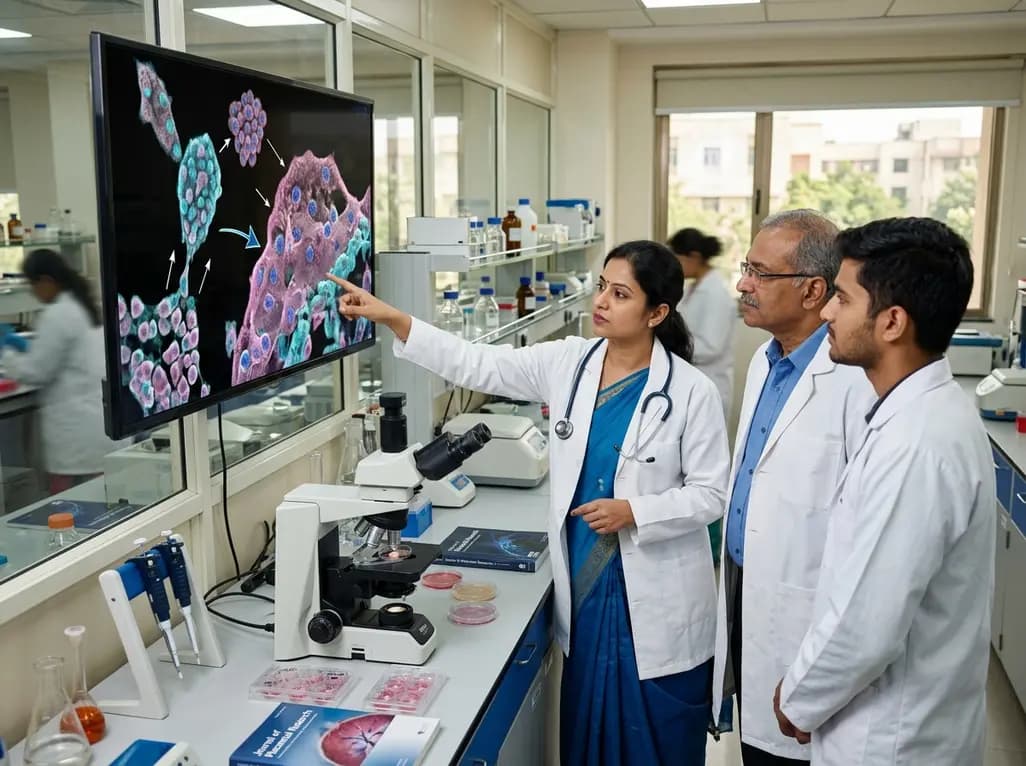
Recent research reveals that downregulating YAP1/TAZ-TEAD via Hippo signaling triggers spontaneous human trophoblast syncytialization in 3D cultures, illuminating placental biology and preeclampsia.
4 weeks back

Abdominal aortic aneurysm rupture remains a catastrophic vascular emergency. Groundbreaking research reveals that USP53 accelerates aneurysm progression by reprogramming smooth muscle cell metabolism toward aerobic glycolysis, highlighting a promising target beyond conventional diameter-based surveillance.
5 days back

A breakthrough study leverages natural language processing to accurately identify incident medication-related osteonecrosis of the jaw and track antiresorptive drug holidays from clinical narratives in electronic health records, advancing osteoporosis pharmacovigilance and dental safety.
4 days back

Recent research defines ferro-aging as a conserved iron-lipid axis driving organ decline across primates. Age-related iron dyshomeostasis stimulates ACSL4-mediated lipid peroxidation, promoting cellular senescence. Notably, vitamin C directly inhibits ACSL4, suppressing phospholipid oxidation and multi-organ decay.
5 days back
