.webp&w=384&q=75)

Loading, please wait...
Loading, please wait...
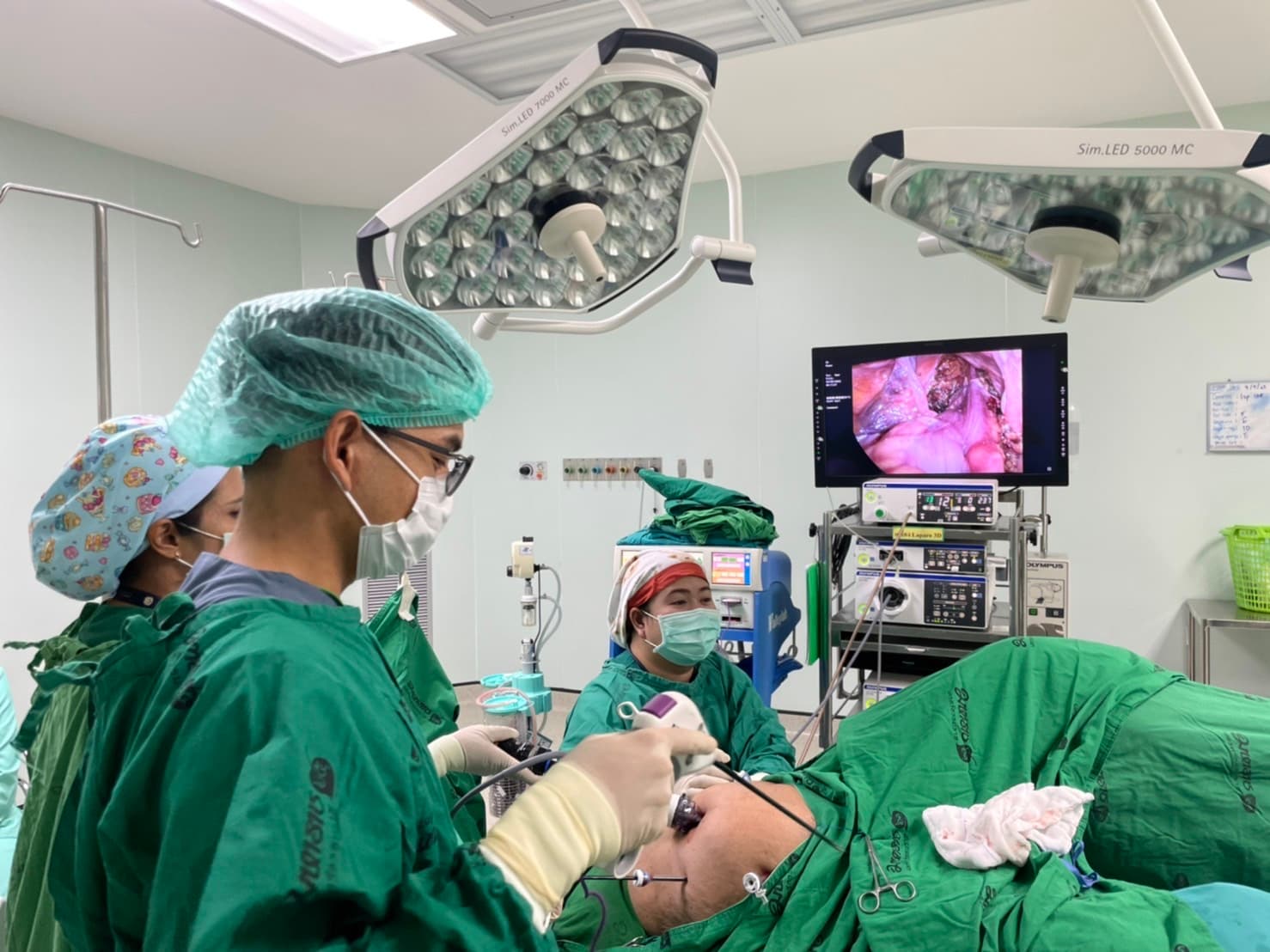
Enhanced recovery after surgery is no longer simply about getting patients out of hospital sooner. The international ERAS Society guideline for colon and rectal surgery brings together evidence across preoperative preparation, anaesthesia, fluid management, analgesia, nutrition, mobilization and discharge planning to create a coordinated perioperative pathway. The guideline emphasizes that recovery is influenced by many small, evidence-based decisions rather than one intervention. Avoiding unnecessary fasting, optimizing nutrition and anemia, using multimodal analgesia, limiting fluid overload, encouraging early oral intake and mobilization, and reducing avoidable tubes and drains can all contribute to better recovery when implemented as a coherent program. For surgeons, the practical message is that ERAS works best as a multidisciplinary system. Its success depends on surgeons, anaesthesiologists, nurses, physiotherapists, dietitians and patients following a shared pathway. The guideline also supports regular audit because implementation quality matters as much as protocol design. In a modern colorectal service, enhanced recovery should therefore be viewed as a standard of perioperative care rather than an optional add-on. The evidence base supports embedding ERAS principles into routine pathways while adapting individual elements to patient risk, procedure complexity and local resources.

Read summarized clinical updates, watch expert medical content, and earn CME certifications right from your smartphone.
Open your smartphone camera to scan and install.





Enhanced recovery after surgery is no longer simply about getting patients out of hospital sooner. The international ERAS Society guideline for colon and rectal surgery brings together evidence across preoperative preparation, anaesthesia, fluid management, analgesia, nutrition, mobilization and discharge planning to create a coordinated perioperative pathway. The guideline emphasizes that recovery is influenced by many small, evidence-based decisions rather than one intervention. Avoiding unnecessary fasting, optimizing nutrition and anemia, using multimodal analgesia, limiting fluid overload, encouraging early oral intake and mobilization, and reducing avoidable tubes and drains can all contribute to better recovery when implemented as a coherent program. For surgeons, the practical message is that ERAS works best as a multidisciplinary system. Its success depends on surgeons, anaesthesiologists, nurses, physiotherapists, dietitians and patients following a shared pathway. The guideline also supports regular audit because implementation quality matters as much as protocol design. In a modern colorectal service, enhanced recovery should therefore be viewed as a standard of perioperative care rather than an optional add-on. The evidence base supports embedding ERAS principles into routine pathways while adapting individual elements to patient risk, procedure complexity and local resources.
4 weeks back
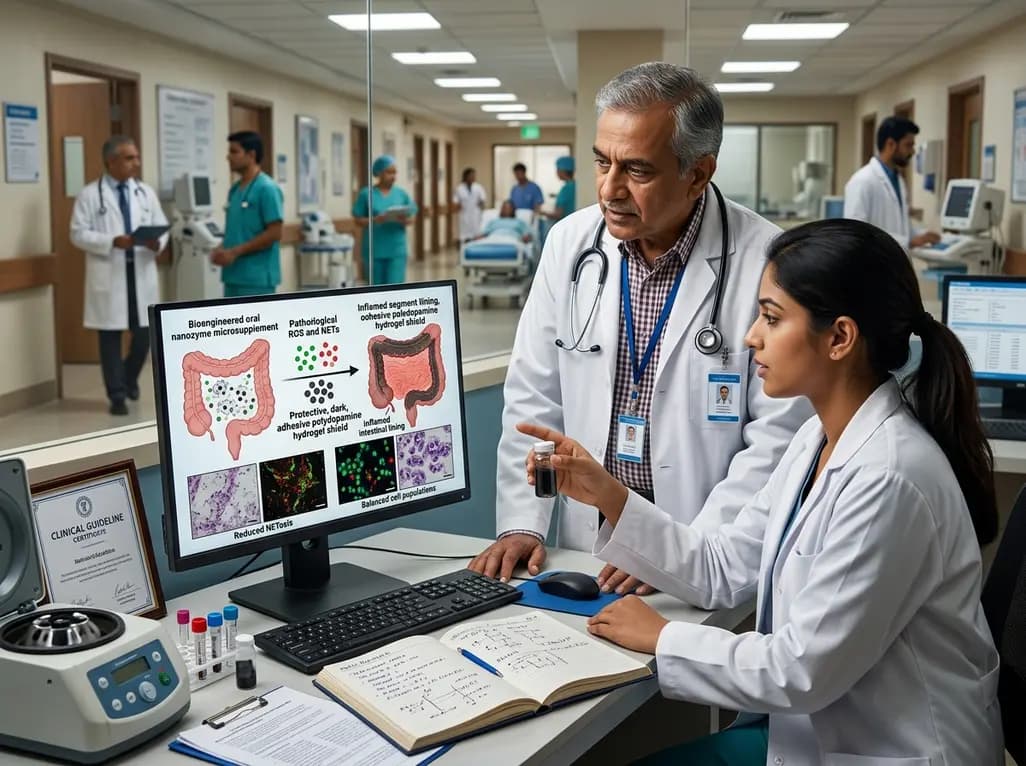
A bioengineered oral nanozyme microsupplement converts pathological ROS into a protective polydopamine hydrogel shield. By curbing neutrophil extracellular traps and balancing T cells, this platform outperforms standard 5-ASA in preclinical colitis models, opening new paths for sustained remission.
4 days back
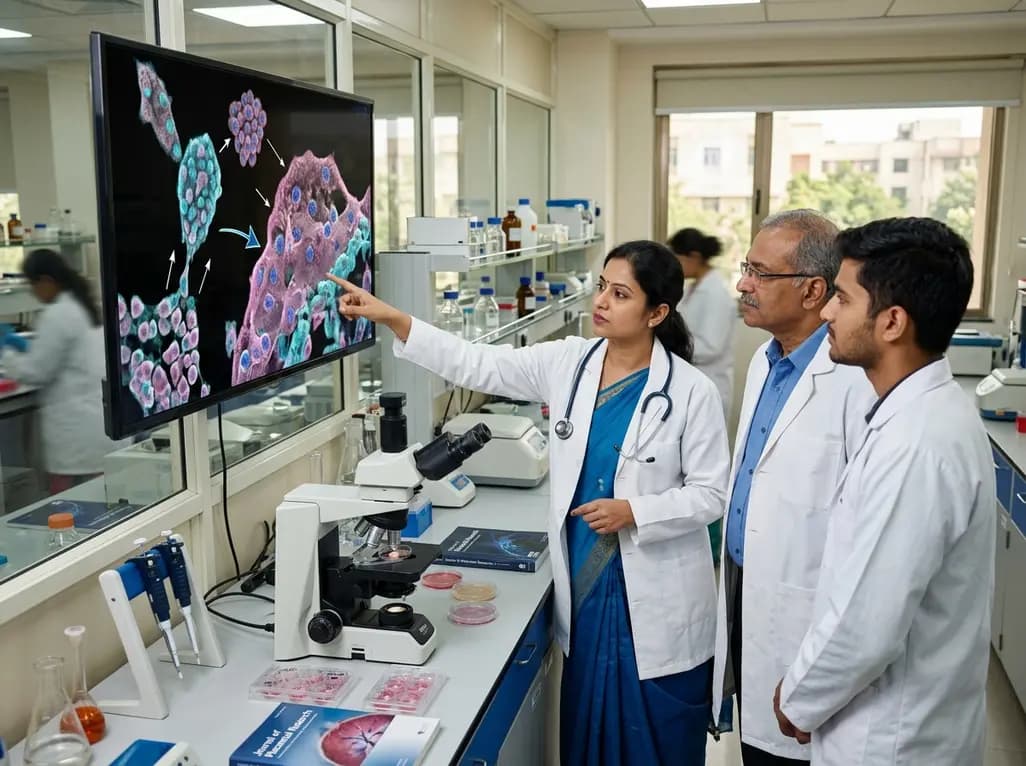
Recent research reveals that downregulating YAP1/TAZ-TEAD via Hippo signaling triggers spontaneous human trophoblast syncytialization in 3D cultures, illuminating placental biology and preeclampsia.
4 weeks back
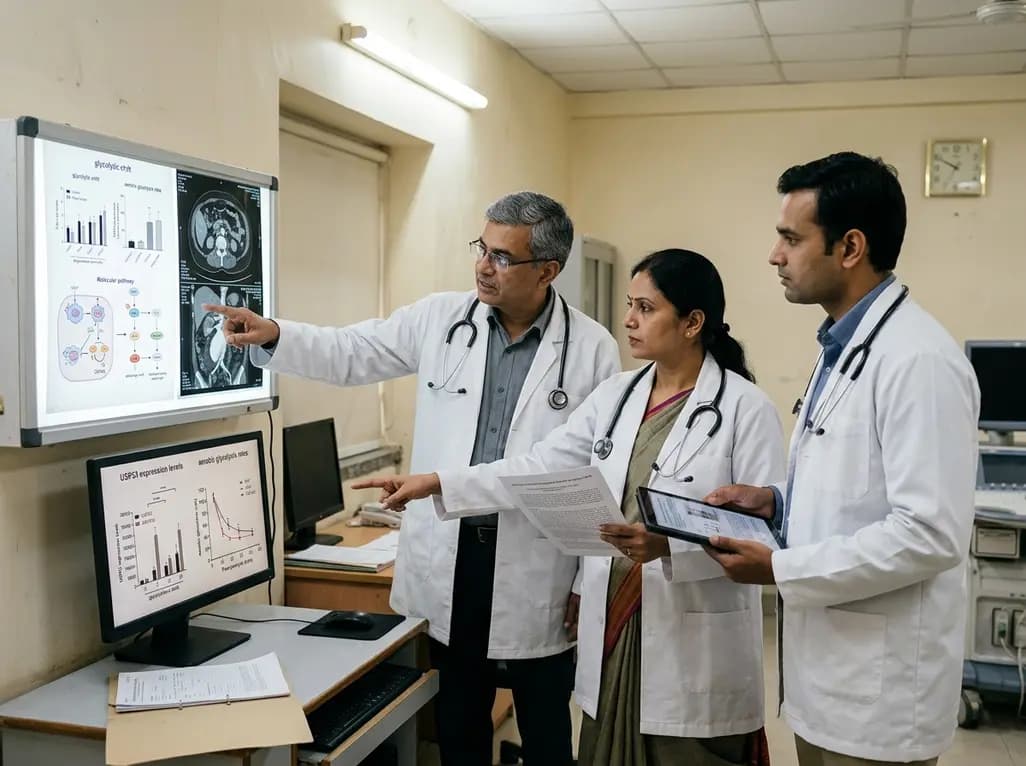
Abdominal aortic aneurysm rupture remains a catastrophic vascular emergency. Groundbreaking research reveals that USP53 accelerates aneurysm progression by reprogramming smooth muscle cell metabolism toward aerobic glycolysis, highlighting a promising target beyond conventional diameter-based surveillance.
5 days back
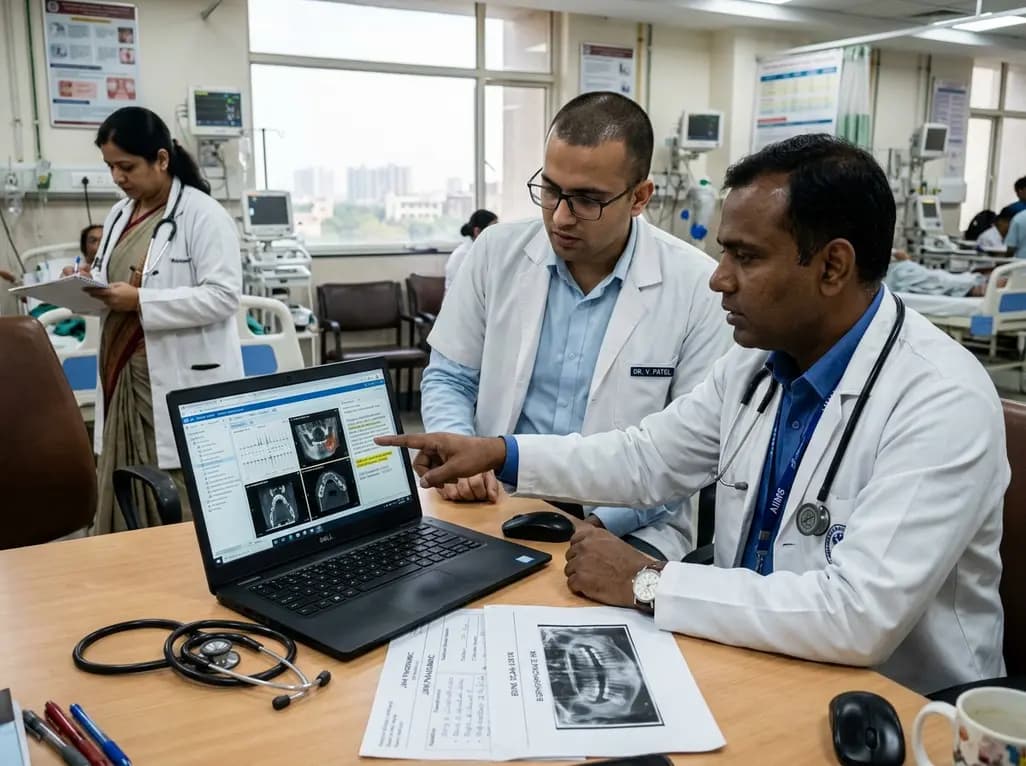
A breakthrough study leverages natural language processing to accurately identify incident medication-related osteonecrosis of the jaw and track antiresorptive drug holidays from clinical narratives in electronic health records, advancing osteoporosis pharmacovigilance and dental safety.
5 days back
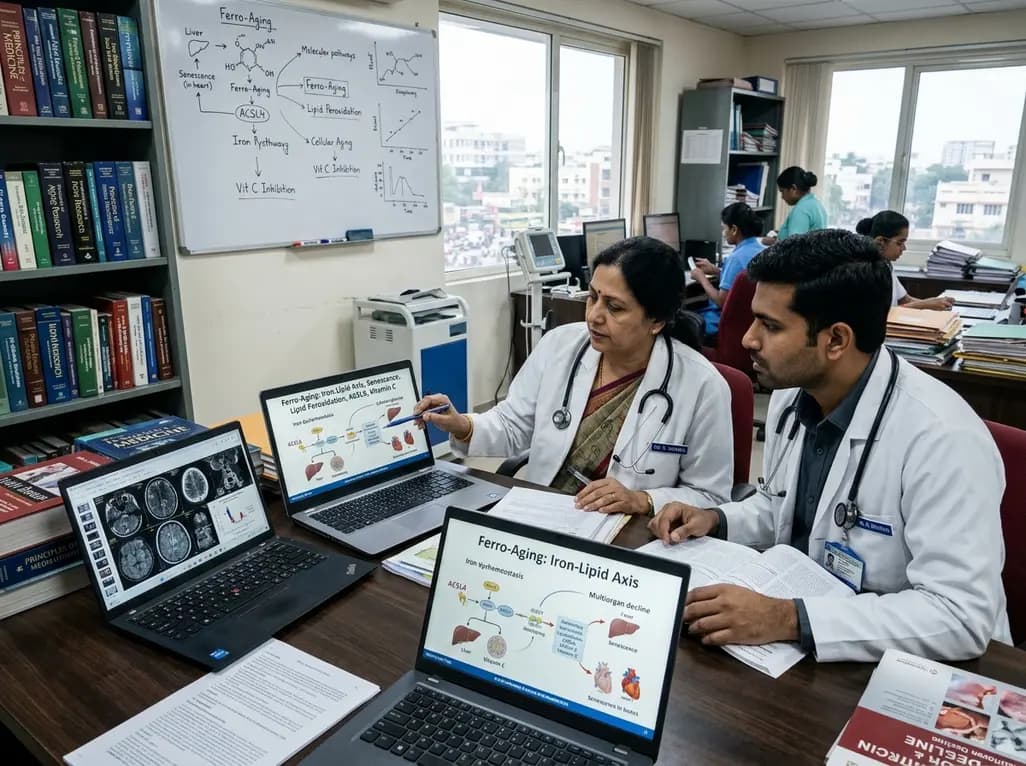
Recent research defines ferro-aging as a conserved iron-lipid axis driving organ decline across primates. Age-related iron dyshomeostasis stimulates ACSL4-mediated lipid peroxidation, promoting cellular senescence. Notably, vitamin C directly inhibits ACSL4, suppressing phospholipid oxidation and multi-organ decay.
5 days back
