.webp&w=384&q=75)

Loading, please wait...
Loading, please wait...

EPVent-2 evaluated whether PEEP should be individually titrated using oesophageal pressure as a surrogate of pleural pressure rather than relying on an empirical high-PEEP FiO2 table. The randomised trial included patients with moderate-to-severe ARDS and compared an oesophageal-pressure-guided strategy with a conventional approach. The primary composite outcome, incorporating death and days free from mechanical ventilation through day 28, did not differ significantly between groups. The study is important because it tested a physiologically appealing form of personalised ventilation under rigorous clinical conditions. Oesophageal pressure can help estimate transpulmonary pressure and may be useful in selected patients with altered chest-wall mechanics, obesity or unusual respiratory-system behaviour. However, the trial shows that a plausible physiological signal does not automatically translate into better outcomes when used as the basis for a treatment algorithm across a heterogeneous population. For clinicians, the message is not that advanced respiratory mechanics are useless, but that they should complement rather than replace broader assessment of recruitability, compliance, haemodynamics and disease phenotype. EPVent-2 is therefore a useful caution against assuming that every available measurement needs to become a treatment target. Personalisation works best when the measurement is reliable, the biological mechanism is relevant and the intervention meaningfully changes management.

Read summarized clinical updates, watch expert medical content, and earn CME certifications right from your smartphone.
Open your smartphone camera to scan and install.





EPVent-2 evaluated whether PEEP should be individually titrated using oesophageal pressure as a surrogate of pleural pressure rather than relying on an empirical high-PEEP FiO2 table. The randomised trial included patients with moderate-to-severe ARDS and compared an oesophageal-pressure-guided strategy with a conventional approach. The primary composite outcome, incorporating death and days free from mechanical ventilation through day 28, did not differ significantly between groups. The study is important because it tested a physiologically appealing form of personalised ventilation under rigorous clinical conditions. Oesophageal pressure can help estimate transpulmonary pressure and may be useful in selected patients with altered chest-wall mechanics, obesity or unusual respiratory-system behaviour. However, the trial shows that a plausible physiological signal does not automatically translate into better outcomes when used as the basis for a treatment algorithm across a heterogeneous population. For clinicians, the message is not that advanced respiratory mechanics are useless, but that they should complement rather than replace broader assessment of recruitability, compliance, haemodynamics and disease phenotype. EPVent-2 is therefore a useful caution against assuming that every available measurement needs to become a treatment target. Personalisation works best when the measurement is reliable, the biological mechanism is relevant and the intervention meaningfully changes management.
4 weeks back

A bioengineered oral nanozyme microsupplement converts pathological ROS into a protective polydopamine hydrogel shield. By curbing neutrophil extracellular traps and balancing T cells, this platform outperforms standard 5-ASA in preclinical colitis models, opening new paths for sustained remission.
2 days back
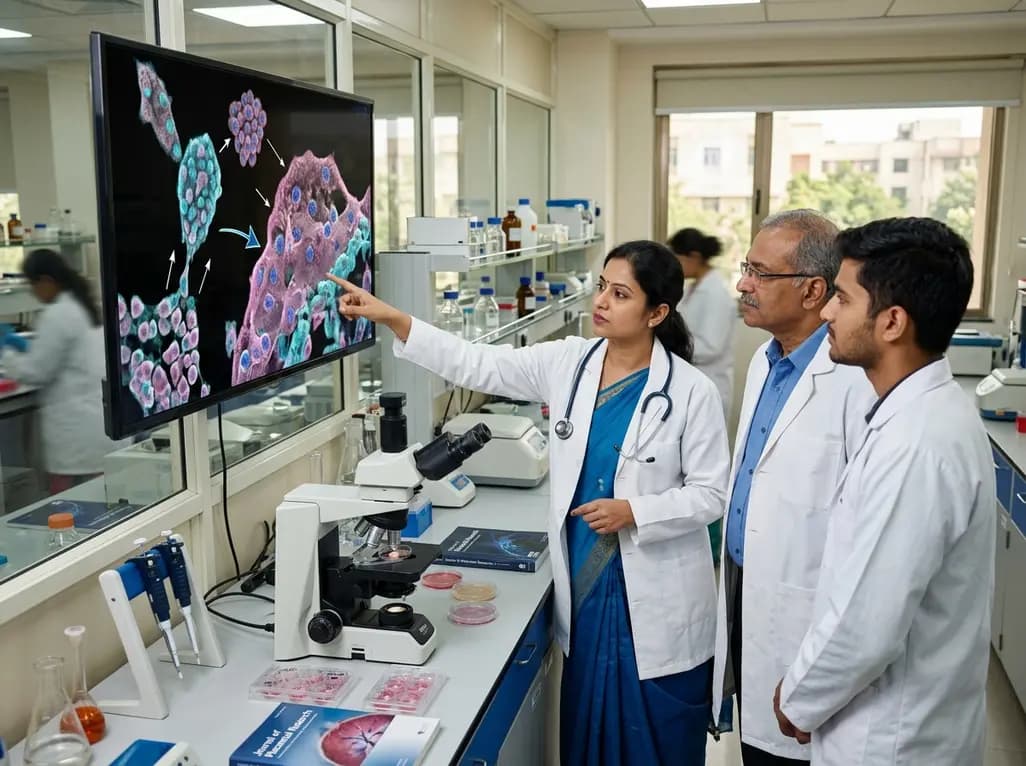
Recent research reveals that downregulating YAP1/TAZ-TEAD via Hippo signaling triggers spontaneous human trophoblast syncytialization in 3D cultures, illuminating placental biology and preeclampsia.
3 weeks back
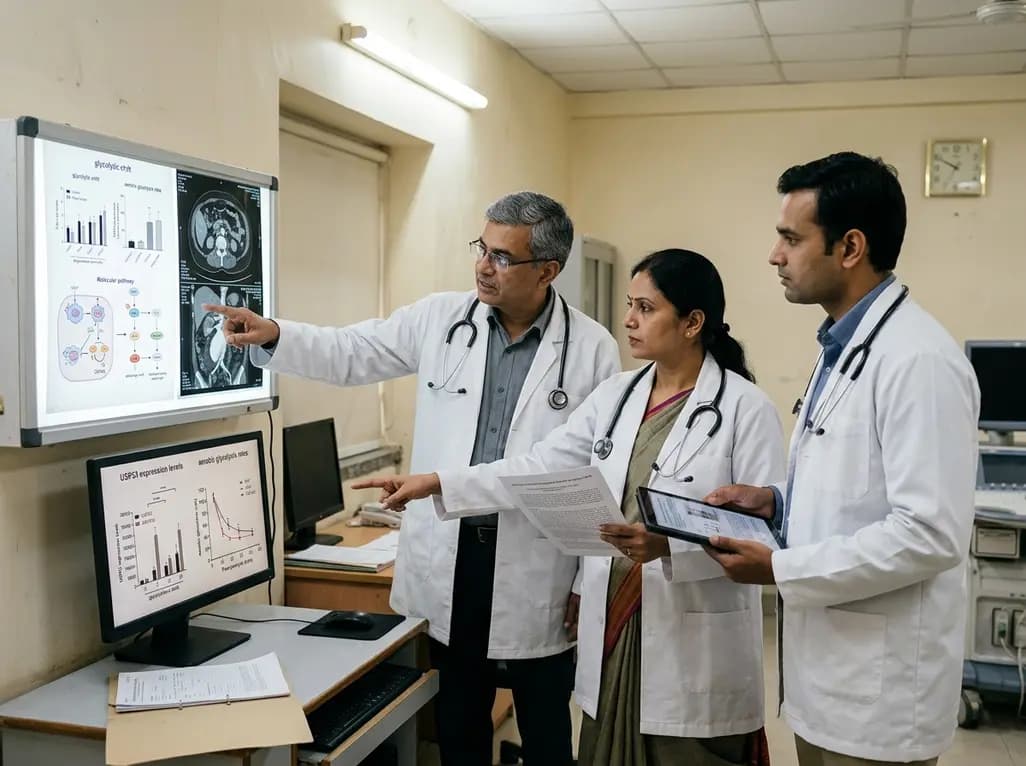
Abdominal aortic aneurysm rupture remains a catastrophic vascular emergency. Groundbreaking research reveals that USP53 accelerates aneurysm progression by reprogramming smooth muscle cell metabolism toward aerobic glycolysis, highlighting a promising target beyond conventional diameter-based surveillance.
3 days back
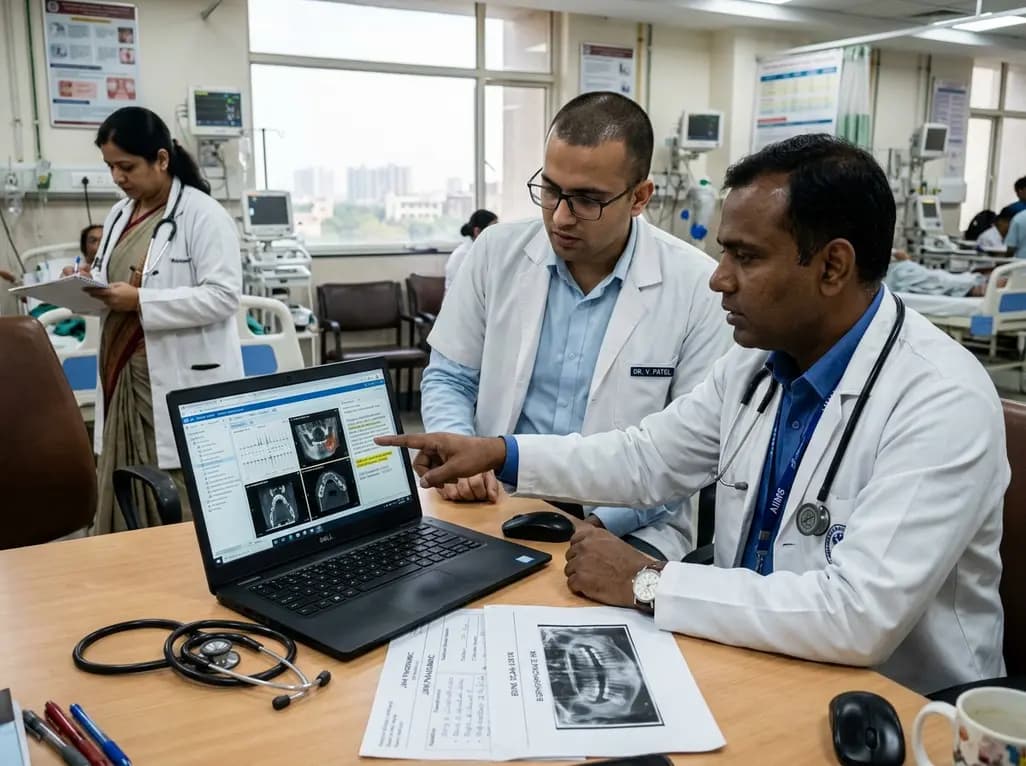
A breakthrough study leverages natural language processing to accurately identify incident medication-related osteonecrosis of the jaw and track antiresorptive drug holidays from clinical narratives in electronic health records, advancing osteoporosis pharmacovigilance and dental safety.
3 days back
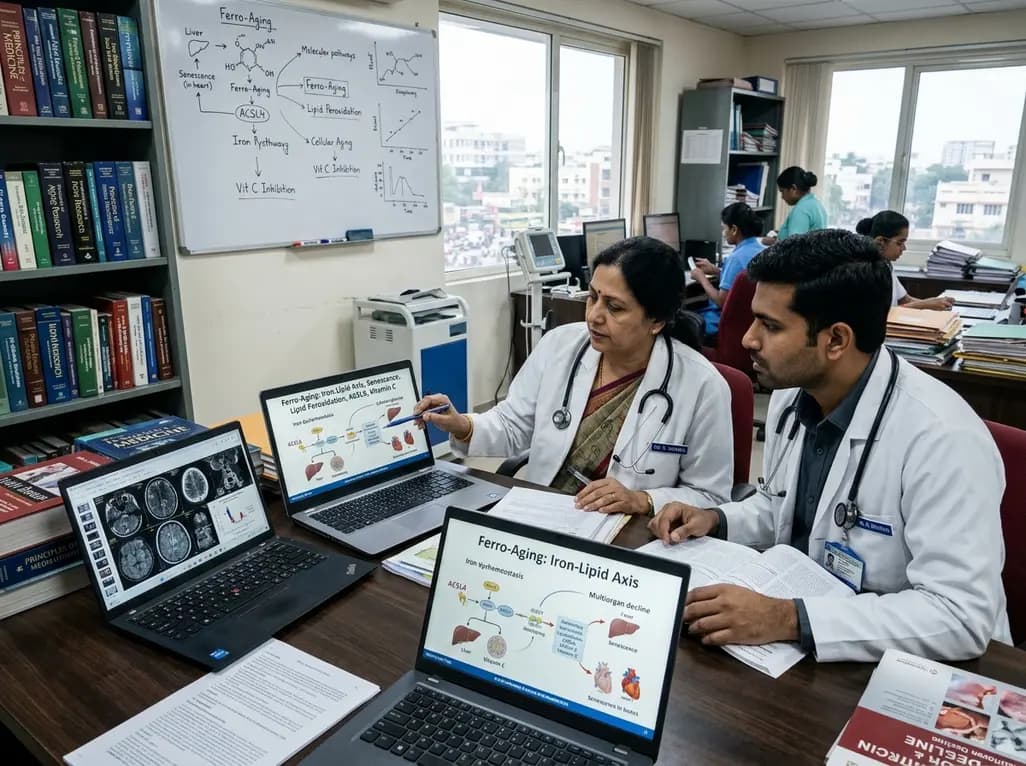
Recent research defines ferro-aging as a conserved iron-lipid axis driving organ decline across primates. Age-related iron dyshomeostasis stimulates ACSL4-mediated lipid peroxidation, promoting cellular senescence. Notably, vitamin C directly inhibits ACSL4, suppressing phospholipid oxidation and multi-organ decay.
3 days back
