.webp&w=384&q=75)

Loading, please wait...
Loading, please wait...
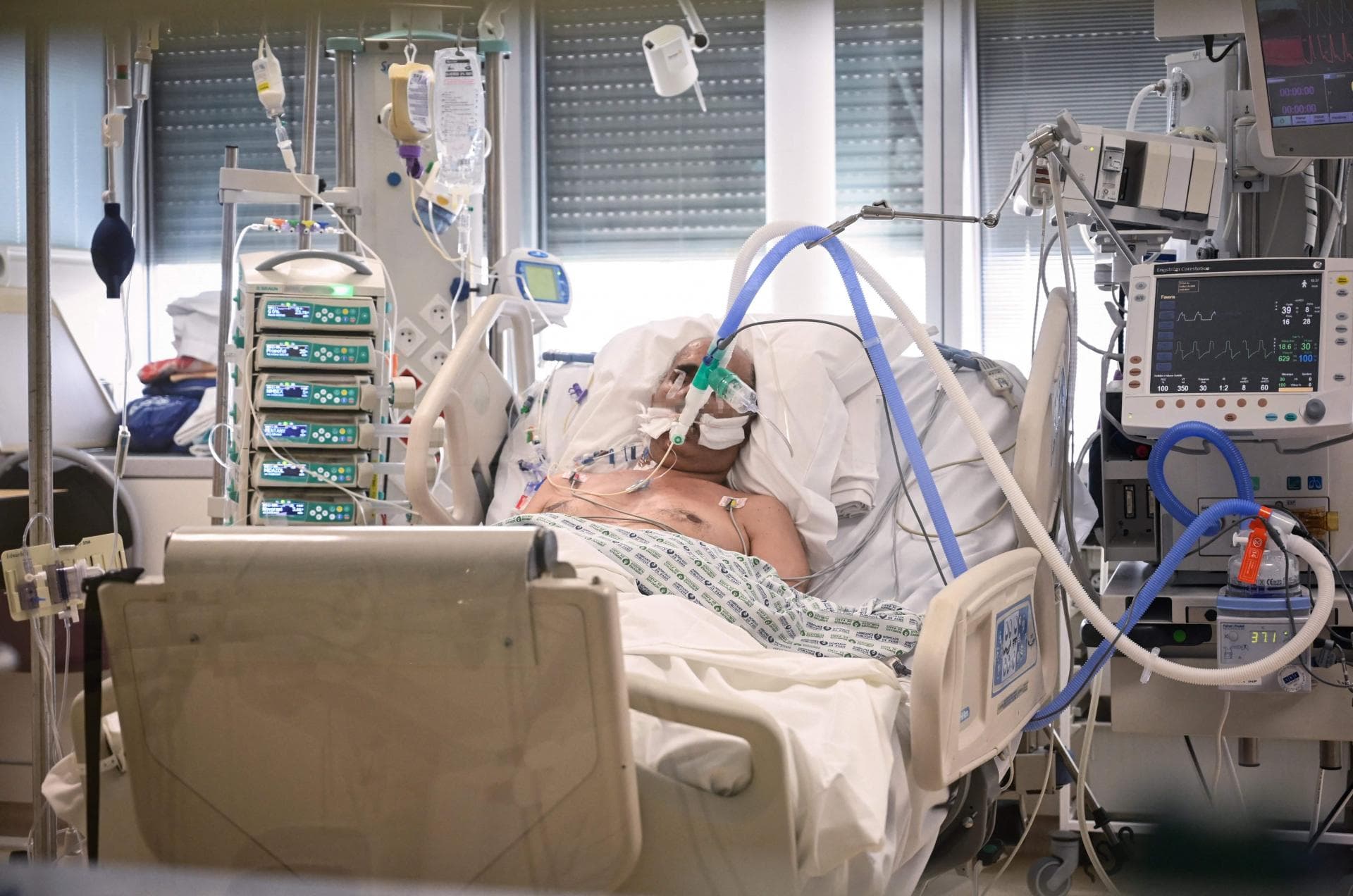
The landmark randomised trial by Schweickert and colleagues evaluated early physical and occupational therapy in mechanically ventilated critically ill adults. Patients received therapy while still in the ICU, coordinated around sedation and ventilator management rather than waiting until after critical illness had resolved. The study demonstrated that very early rehabilitation could improve functional outcomes and reduce the burden of ICU-acquired weakness. The trial was influential because it challenged the assumption that mechanically ventilated patients should remain largely immobile until they are clinically stable enough for conventional rehabilitation. The clinical principle remains highly relevant: immobility is not a neutral state. Muscle weakness, deconditioning and cognitive complications can persist after discharge, contributing to prolonged recovery and impaired quality of life. Early mobilisation therefore forms part of acute critical-care treatment, not simply a rehabilitation service delivered later. This directly supports CritiCARE 2026 sessions on early mobilisation, ICU physiotherapy, ABCDEF care and post-ICU syndrome. The practical message is to assess mobilisation readiness daily, coordinate physiotherapists and bedside staff with respiratory and medical teams, and progress from passive movement to sitting, standing and walking as clinically appropriate. Safety screening and careful monitoring remain essential, but prolonged mechanical ventilation alone should not automatically mean prolonged bed rest.

Read summarized clinical updates, watch expert medical content, and earn CME certifications right from your smartphone.
Open your smartphone camera to scan and install.





The landmark randomised trial by Schweickert and colleagues evaluated early physical and occupational therapy in mechanically ventilated critically ill adults. Patients received therapy while still in the ICU, coordinated around sedation and ventilator management rather than waiting until after critical illness had resolved. The study demonstrated that very early rehabilitation could improve functional outcomes and reduce the burden of ICU-acquired weakness. The trial was influential because it challenged the assumption that mechanically ventilated patients should remain largely immobile until they are clinically stable enough for conventional rehabilitation. The clinical principle remains highly relevant: immobility is not a neutral state. Muscle weakness, deconditioning and cognitive complications can persist after discharge, contributing to prolonged recovery and impaired quality of life. Early mobilisation therefore forms part of acute critical-care treatment, not simply a rehabilitation service delivered later. This directly supports CritiCARE 2026 sessions on early mobilisation, ICU physiotherapy, ABCDEF care and post-ICU syndrome. The practical message is to assess mobilisation readiness daily, coordinate physiotherapists and bedside staff with respiratory and medical teams, and progress from passive movement to sitting, standing and walking as clinically appropriate. Safety screening and careful monitoring remain essential, but prolonged mechanical ventilation alone should not automatically mean prolonged bed rest.
4 weeks back
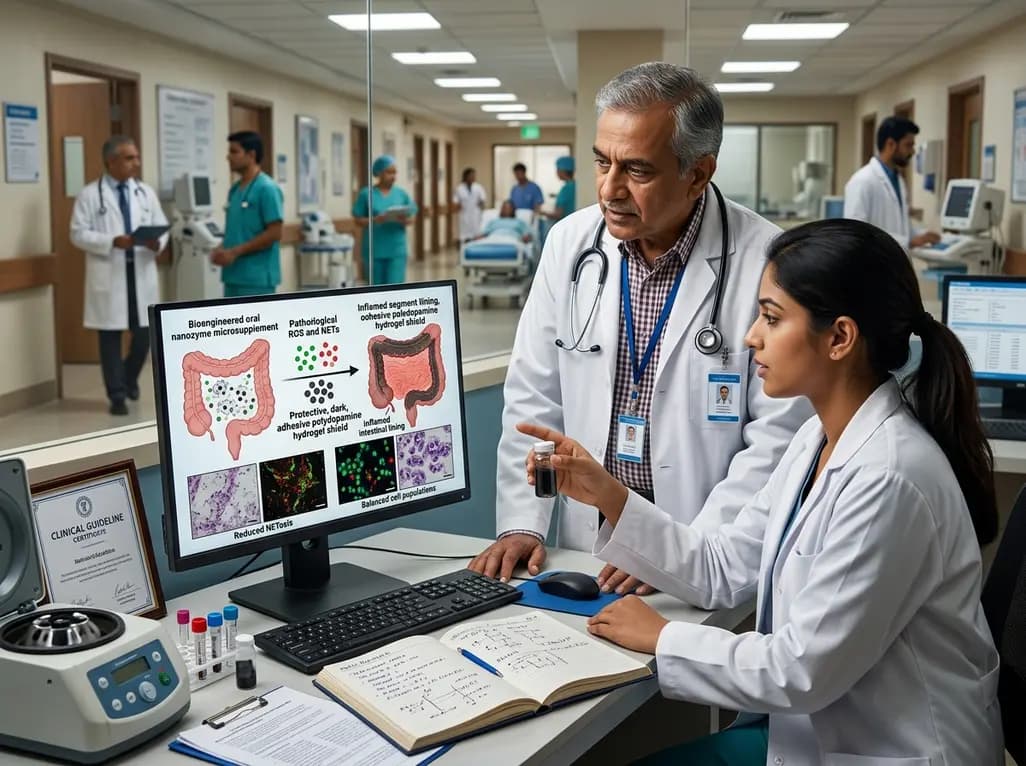
A bioengineered oral nanozyme microsupplement converts pathological ROS into a protective polydopamine hydrogel shield. By curbing neutrophil extracellular traps and balancing T cells, this platform outperforms standard 5-ASA in preclinical colitis models, opening new paths for sustained remission.
2 days back
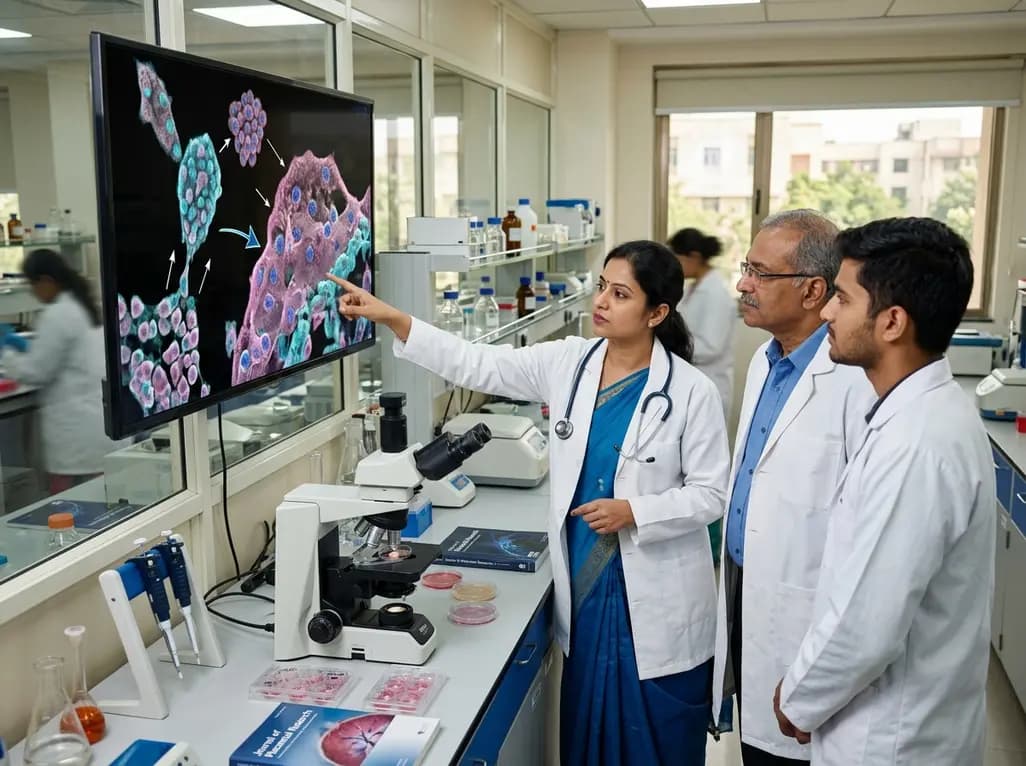
Recent research reveals that downregulating YAP1/TAZ-TEAD via Hippo signaling triggers spontaneous human trophoblast syncytialization in 3D cultures, illuminating placental biology and preeclampsia.
3 weeks back
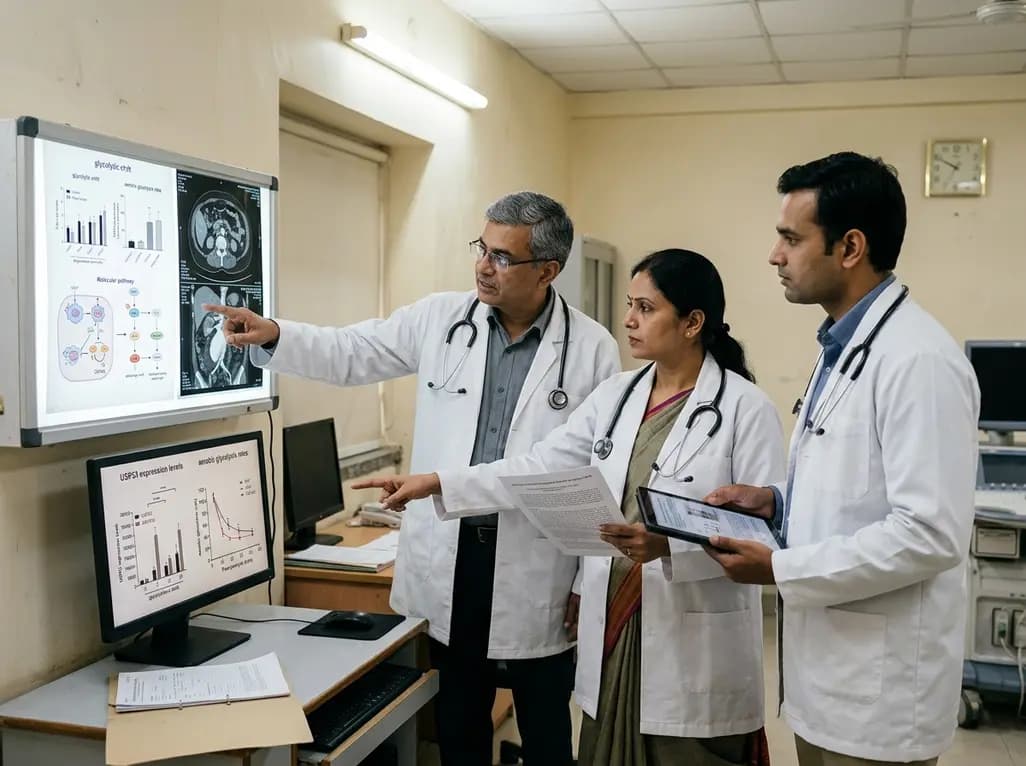
Abdominal aortic aneurysm rupture remains a catastrophic vascular emergency. Groundbreaking research reveals that USP53 accelerates aneurysm progression by reprogramming smooth muscle cell metabolism toward aerobic glycolysis, highlighting a promising target beyond conventional diameter-based surveillance.
3 days back
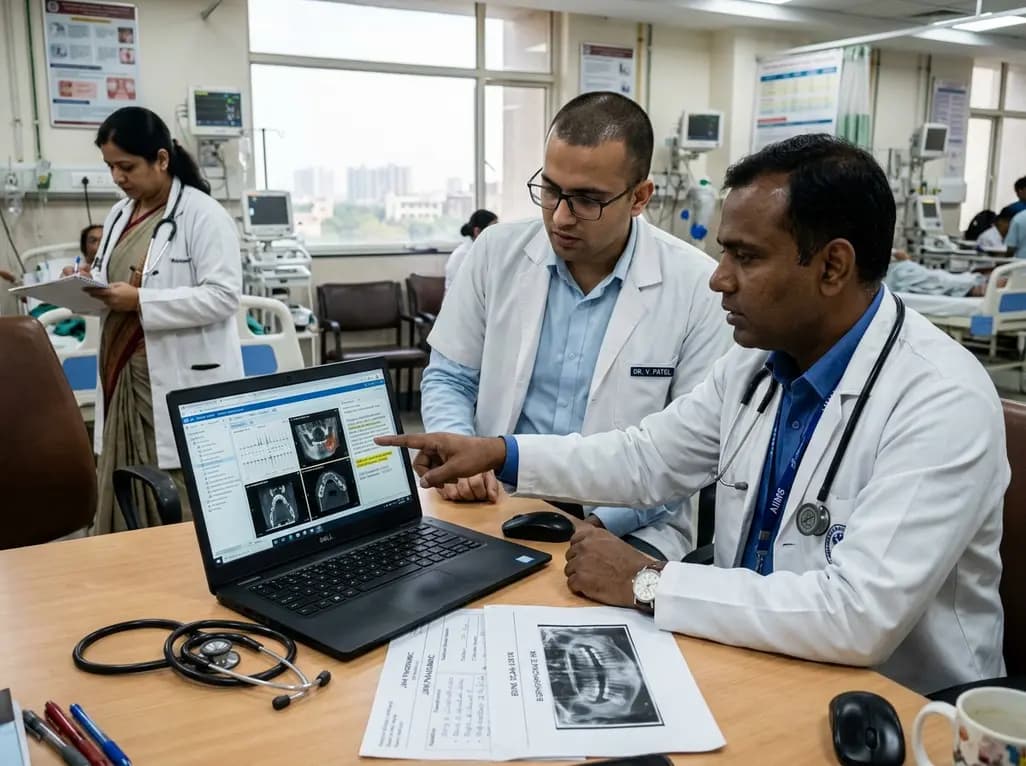
A breakthrough study leverages natural language processing to accurately identify incident medication-related osteonecrosis of the jaw and track antiresorptive drug holidays from clinical narratives in electronic health records, advancing osteoporosis pharmacovigilance and dental safety.
3 days back
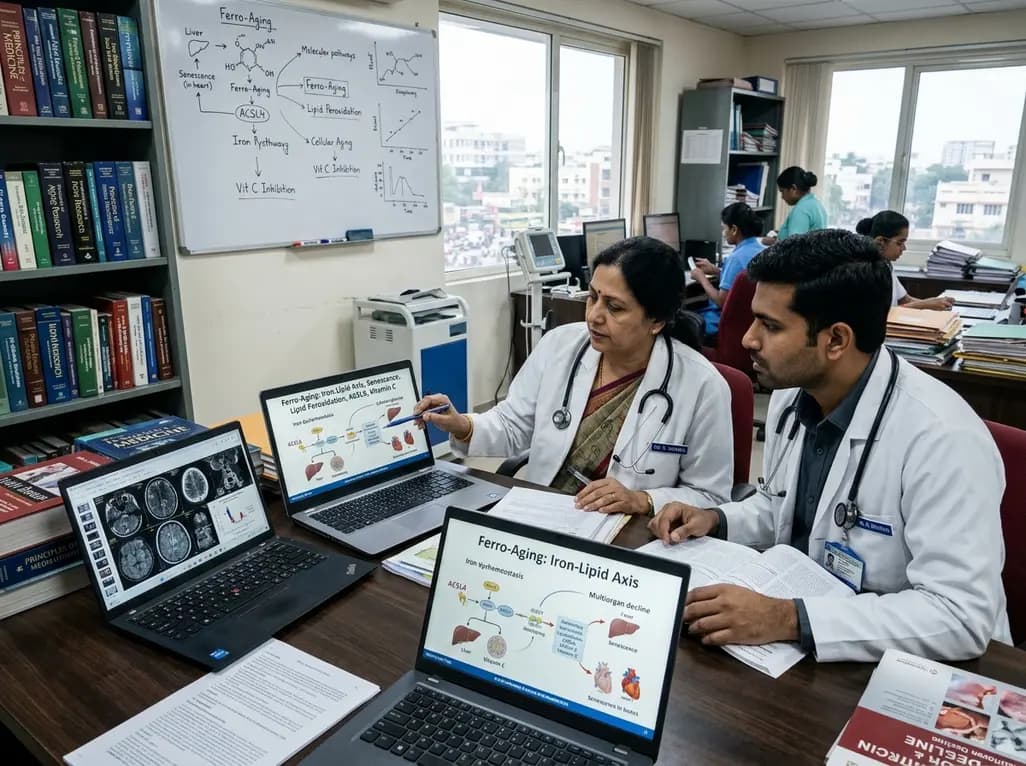
Recent research defines ferro-aging as a conserved iron-lipid axis driving organ decline across primates. Age-related iron dyshomeostasis stimulates ACSL4-mediated lipid peroxidation, promoting cellular senescence. Notably, vitamin C directly inhibits ACSL4, suppressing phospholipid oxidation and multi-organ decay.
3 days back
