.webp&w=384&q=75)

Loading, please wait...
Loading, please wait...

A recent study published in Bone & Joint Research has highlighted a promising therapeutic synergy between the metabolite derivative dimethyl itaconate (DI) and vancomycin for treating periprosthetic joint infection (PJI). While systemic antibiotics remain the standard of care, managing the associated bone loss and persistent biofilms remains a significant clinical challenge. This investigation utilized a rat model to evaluate whether local DI injections could enhance the efficacy of systemic vancomycin.
The research demonstrated that the combination of intra-articular DI and systemic vancomycin was significantly more effective than vancomycin alone. The dual therapy not only reduced bacterial counts across implants, bone, and soft tissues but also successfully mitigated intra-articular synovial inflammation. Importantly, DI appears to address the biological dysregulation of bone, which is a hallmark of a chronic periprosthetic joint infection.
In vitro analysis confirmed that DI promotes osteoblast function while simultaneously inhibiting the formation of osteoclasts, the cells responsible for bone resorption. This dual mechanism helps preserve bone structure during an active infection. Furthermore, the combination therapy effectively facilitated the clearance of bacterial biofilms, which often protect pathogens from standard antibiotic treatments. Safety assessments showed no hepatic or renal toxicity, suggesting a favorable safety profile for this local-systemic approach.
DI is a membrane-permeable derivative of itaconate, an endogenous metabolite produced by macrophages. it is known for its anti-inflammatory properties and its ability to regulate bone remodeling by influencing both osteoblasts and osteoclasts.
While vancomycin targets the bacteria, DI reduces local inflammation and prevents excessive bone loss. Together, they improve the clearance of biofilms and restore the balance between bone resorption and remodeling in the infected joint.
Disclaimer: This content is for informational and educational purposes only. It does not constitute medical advice or establish a doctor-patient relationship. Animal study results may not always translate directly to human clinical outcomes. Refer to the latest local and national guidelines for clinical practice.
References
Dai T et al. Effects of intra-articular injection of dimethyl itaconate combined with systemic vancomycin on periprosthetic joint infection in rats. Bone Joint Res. 2026 Jun 23. doi: 10.1302/2046-3758.156.BJR-2025-0216.R4. PMID: 42331345.
Meira de-Faria F et al. Aging Relevant Metabolite Itaconate Inhibits Inflammatory Bone Loss. PMC. 2022 Jul 22.
Ferreira AV et al. Dimethyl Itaconate: A Double-Edged Sword in Immune Response. Cell Reports. 2023 Jun 16.

Read summarized clinical updates, watch expert medical content, and earn CME certifications right from your smartphone.
Open your smartphone camera to scan and install.





A new study in rats suggests that combining intra-articular dimethyl itaconate with systemic vancomycin significantly reduces bone loss, inflammation, and bacterial load in periprosthetic joint infections, offering a promising dual-action therapeutic strategy for future clinical consideration.
4 months ago

Depemokimab offers twice-yearly dosing for severe eosinophilic asthma and chronic rhinosinusitis with nasal polyps, significantly cutting exacerbations and hospital admissions.
3 days back
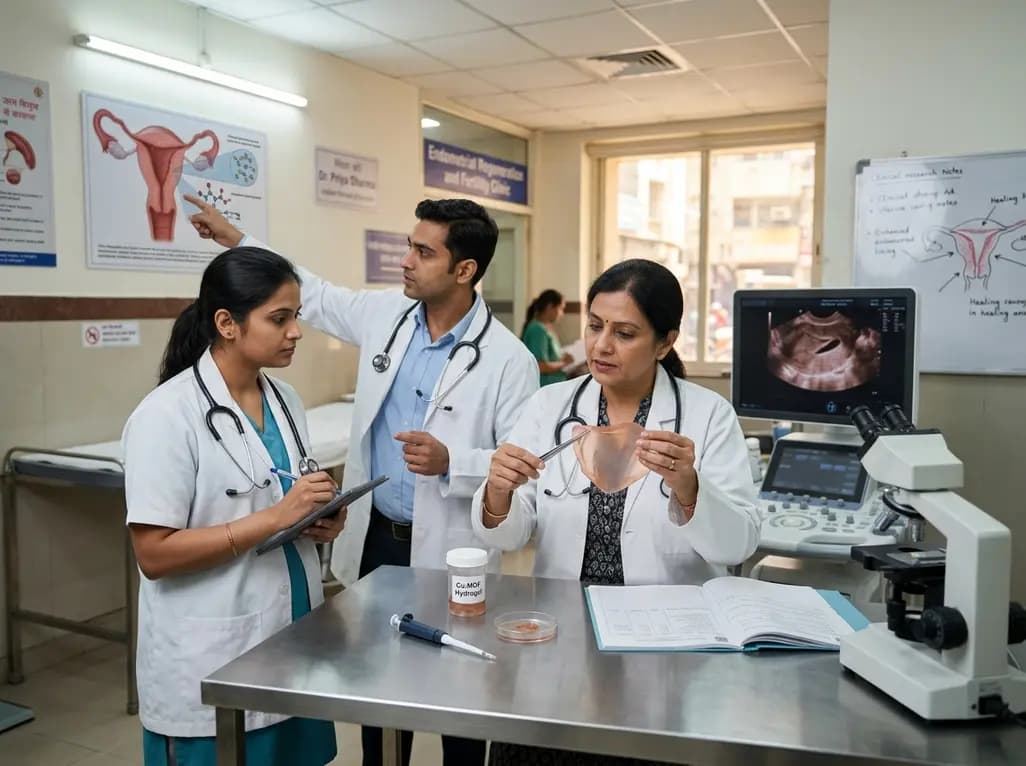
A novel copper metal-organic framework hydrogel remodels the uterine microenvironment to stimulate robust endometrial regeneration, reduce intrauterine fibrosis, and restore reproductive fertility, offering a groundbreaking strategy for managing refractory endometrial damage and Asherman syndrome.
4 days back

New research reveals that non-ablative radiotherapy suppresses ventricular tachycardia by increasing conduction velocity via NaV1.5 upregulation and action potential prolongation. However, sustained sodium current elevation and depressed calcium handling highlight the need for careful clinical translation.
6 days back

A single-cell transcriptomic atlas reveals how peripheral nerve injuries cause dorsal root ganglion remodeling. By evaluating proximal nerve crush and resection, researchers identify distinct glial and immune programs that resolve neuropathic pain and promote regeneration.
3 days back
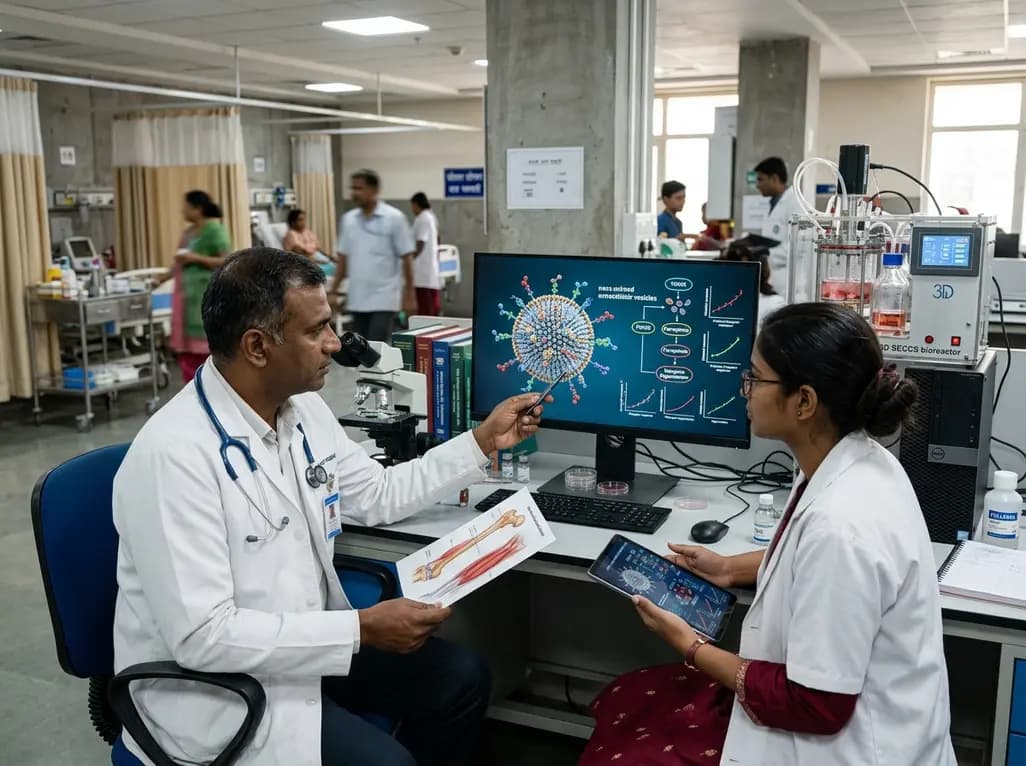
A breakthrough study demonstrates that fullerol-primed extracellular vesicles generated in a 3D SECCS bioreactor attenuate ferroptosis and restore myogenic regeneration in diabetes via the FOXO3 pathway, offering a cell-free therapeutic strategy for diabetic musculoskeletal degeneration.
3 days back
