.webp&w=384&q=75)

Loading, please wait...
Loading, please wait...
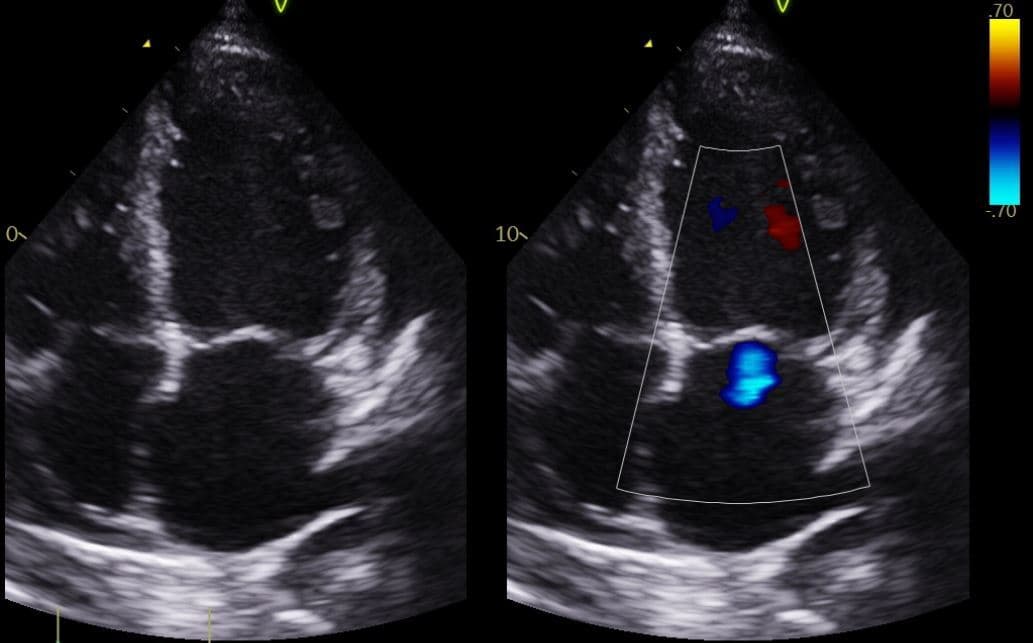
DAPA-HF tested dapagliflozin in patients with HFrEF, including individuals with and without diabetes. The randomized trial showed that adding dapagliflozin to standard therapy significantly reduced the composite of worsening heart failure or cardiovascular death compared with placebo. Importantly, the benefit was observed irrespective of diabetes status, reinforcing the concept that SGLT2 inhibition has become a heart-failure therapy rather than a diabetes-only intervention. For general physicians, this is especially relevant because many HFrEF patients are managed across internal-medicine and cardiology interfaces. The treatment decision should therefore be integrated into a broader GDMT pathway that also addresses renin–angiotensin system blockade, beta-blockade and mineralocorticoid receptor antagonism. Adverse effects, volume status, renal function and the patient's ability to maintain therapy should be considered. The DAPA-HF findings also illustrate the modern shift from treating isolated risk factors to targeting disease pathways that influence hospitalization and survival. In practice, the challenge is often not identifying evidence-based agents but initiating them early, titrating when tolerated and coordinating follow-up so that the patient receives the full therapeutic benefit.

Read summarized clinical updates, watch expert medical content, and earn CME certifications right from your smartphone.
Open your smartphone camera to scan and install.





DAPA-HF tested dapagliflozin in patients with HFrEF, including individuals with and without diabetes. The randomized trial showed that adding dapagliflozin to standard therapy significantly reduced the composite of worsening heart failure or cardiovascular death compared with placebo. Importantly, the benefit was observed irrespective of diabetes status, reinforcing the concept that SGLT2 inhibition has become a heart-failure therapy rather than a diabetes-only intervention. For general physicians, this is especially relevant because many HFrEF patients are managed across internal-medicine and cardiology interfaces. The treatment decision should therefore be integrated into a broader GDMT pathway that also addresses renin–angiotensin system blockade, beta-blockade and mineralocorticoid receptor antagonism. Adverse effects, volume status, renal function and the patient's ability to maintain therapy should be considered. The DAPA-HF findings also illustrate the modern shift from treating isolated risk factors to targeting disease pathways that influence hospitalization and survival. In practice, the challenge is often not identifying evidence-based agents but initiating them early, titrating when tolerated and coordinating follow-up so that the patient receives the full therapeutic benefit.
3 weeks back

Discover how catalytic nanozymes redefine autoimmune disease therapy by establishing a physiological redox set-point to restore immune tolerance without broad immunosuppression.
Last week

Recent research reveals that downregulating YAP1/TAZ-TEAD via Hippo signaling triggers spontaneous human trophoblast syncytialization in 3D cultures, illuminating placental biology and preeclampsia.
3 weeks back

A landmark comparative study evaluates atrial electrophysiology across humans, swine, and rodents. By linking cellular recordings with transcriptomics and in silico modeling, researchers resolve cross-species gaps, explaining translational failures to advance targeted therapies for atrial arrhythmias.
3 weeks back

A novel pathology-adaptive surface engineering strategy uses functionalized plasma polymer coatings to selectively modulate AGE adsorption, reducing oxidative stress and restoring bone formation in diabetic and aging microenvironments.
last month

Researchers have developed an innovative ultrasound-responsive nano-contrast agent that co-delivers CIITA-siRNA and rapamycin directly to inflamed thyroid tissue, significantly reducing autoimmune injury and thyroid autoantibodies in preclinical models of Hashimoto thyroiditis.
3 weeks back
