.webp&w=384&q=75)

Loading, please wait...
Loading, please wait...
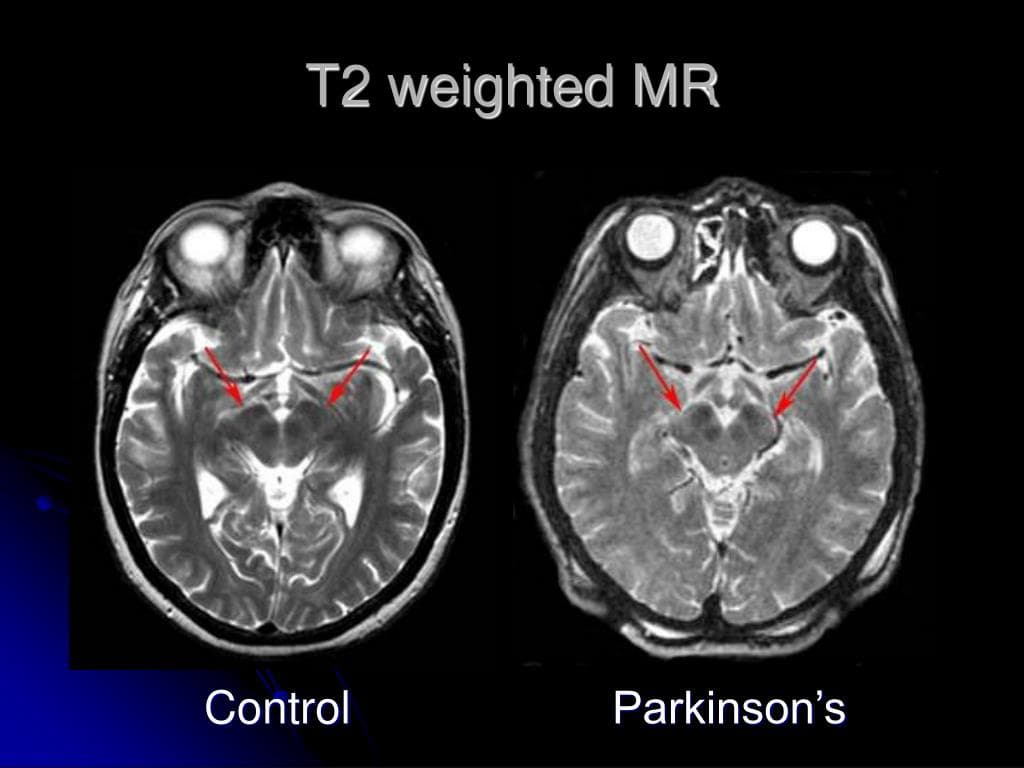
Continuous subcutaneous apomorphine infusion is used in advanced Parkinson disease when oral levodopa provides inadequate control of motor fluctuations. The 2025 US InfusON phase 3 open-label study followed patients who continued to experience at least three hours of daily OFF time despite optimized levodopa and other adjunctive treatment. Participants received individualized continuous apomorphine infusion with dose titration for efficacy and tolerability and were then followed through maintenance treatment. The study provides contemporary real-world evidence that continuous infusion can reduce OFF time and improve motor fluctuations over longer follow-up. Because the study was open-label and had attrition over time, it cannot provide the same causal certainty as a placebo-controlled trial. Nevertheless, it is clinically relevant to patients for whom intermittent oral dosing no longer gives predictable coverage and who are not candidates for or do not want device-aided alternatives such as DBS. For HCPs, successful use requires patient and caregiver education, pump handling, skin-site management and monitoring for adverse effects. The study supports considering continuous dopaminergic delivery as part of an advanced Parkinson pathway rather than simply escalating oral doses.

Read summarized clinical updates, watch expert medical content, and earn CME certifications right from your smartphone.
Open your smartphone camera to scan and install.





Continuous subcutaneous apomorphine infusion is used in advanced Parkinson disease when oral levodopa provides inadequate control of motor fluctuations. The 2025 US InfusON phase 3 open-label study followed patients who continued to experience at least three hours of daily OFF time despite optimized levodopa and other adjunctive treatment. Participants received individualized continuous apomorphine infusion with dose titration for efficacy and tolerability and were then followed through maintenance treatment. The study provides contemporary real-world evidence that continuous infusion can reduce OFF time and improve motor fluctuations over longer follow-up. Because the study was open-label and had attrition over time, it cannot provide the same causal certainty as a placebo-controlled trial. Nevertheless, it is clinically relevant to patients for whom intermittent oral dosing no longer gives predictable coverage and who are not candidates for or do not want device-aided alternatives such as DBS. For HCPs, successful use requires patient and caregiver education, pump handling, skin-site management and monitoring for adverse effects. The study supports considering continuous dopaminergic delivery as part of an advanced Parkinson pathway rather than simply escalating oral doses.
4 weeks back

Discover how catalytic nanozymes redefine autoimmune disease therapy by establishing a physiological redox set-point to restore immune tolerance without broad immunosuppression.
Last week

Recent research reveals that downregulating YAP1/TAZ-TEAD via Hippo signaling triggers spontaneous human trophoblast syncytialization in 3D cultures, illuminating placental biology and preeclampsia.
3 weeks back

A landmark comparative study evaluates atrial electrophysiology across humans, swine, and rodents. By linking cellular recordings with transcriptomics and in silico modeling, researchers resolve cross-species gaps, explaining translational failures to advance targeted therapies for atrial arrhythmias.
3 weeks back

A novel pathology-adaptive surface engineering strategy uses functionalized plasma polymer coatings to selectively modulate AGE adsorption, reducing oxidative stress and restoring bone formation in diabetic and aging microenvironments.
last month

Researchers have developed an innovative ultrasound-responsive nano-contrast agent that co-delivers CIITA-siRNA and rapamycin directly to inflamed thyroid tissue, significantly reducing autoimmune injury and thyroid autoantibodies in preclinical models of Hashimoto thyroiditis.
3 weeks back
