.webp&w=384&q=75)

Loading, please wait...
Loading, please wait...
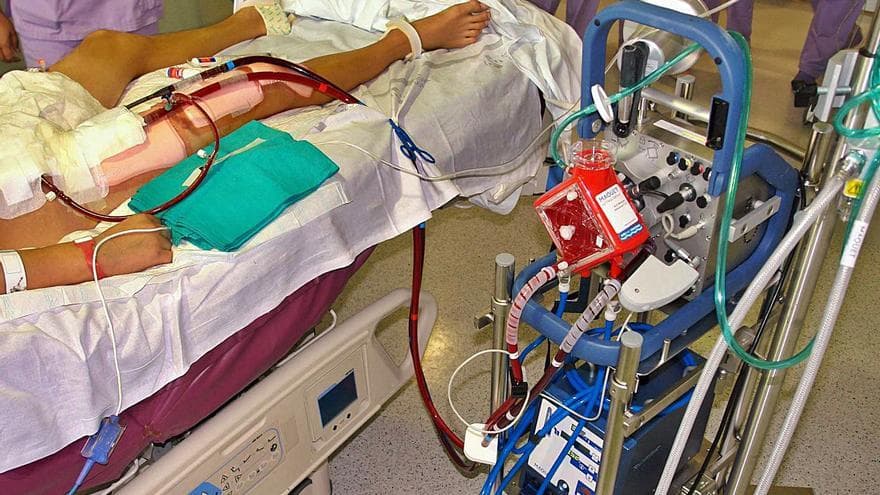
The CESAR trial evaluated a strategy of referral to a specialised ECMO centre compared with conventional ventilatory support in adults with severe but potentially reversible respiratory failure. Although not every patient assigned to the ECMO arm actually received ECMO, the referral strategy improved the primary outcome of death or severe disability at six months. The trial helped establish the value of centralised expertise and specialised rescue pathways for severe respiratory failure. Its importance extends beyond the technology itself: patients in the ECMO arm were managed within a comprehensive high-expertise system, while referral also enabled the use of sophisticated ventilation and rescue therapies. For clinicians, CESAR supports early discussion with an experienced ECMO centre when conventional management is failing and the underlying disease remains potentially reversible. The study also highlights a recurrent issue in critical care evidence—the effect being tested may be a whole system of care rather than a single machine. This is especially relevant when considering ECMO programmes, which require trained multidisciplinary teams, transport capability, anticoagulation expertise, and robust patient-selection processes. The trial remains a landmark reference for the development of regional ECMO networks and for understanding why outcomes may depend as much on systems and expertise as on extracorporeal technology itself.

Read summarized clinical updates, watch expert medical content, and earn CME certifications right from your smartphone.
Open your smartphone camera to scan and install.





The CESAR trial evaluated a strategy of referral to a specialised ECMO centre compared with conventional ventilatory support in adults with severe but potentially reversible respiratory failure. Although not every patient assigned to the ECMO arm actually received ECMO, the referral strategy improved the primary outcome of death or severe disability at six months. The trial helped establish the value of centralised expertise and specialised rescue pathways for severe respiratory failure. Its importance extends beyond the technology itself: patients in the ECMO arm were managed within a comprehensive high-expertise system, while referral also enabled the use of sophisticated ventilation and rescue therapies. For clinicians, CESAR supports early discussion with an experienced ECMO centre when conventional management is failing and the underlying disease remains potentially reversible. The study also highlights a recurrent issue in critical care evidence—the effect being tested may be a whole system of care rather than a single machine. This is especially relevant when considering ECMO programmes, which require trained multidisciplinary teams, transport capability, anticoagulation expertise, and robust patient-selection processes. The trial remains a landmark reference for the development of regional ECMO networks and for understanding why outcomes may depend as much on systems and expertise as on extracorporeal technology itself.
last month
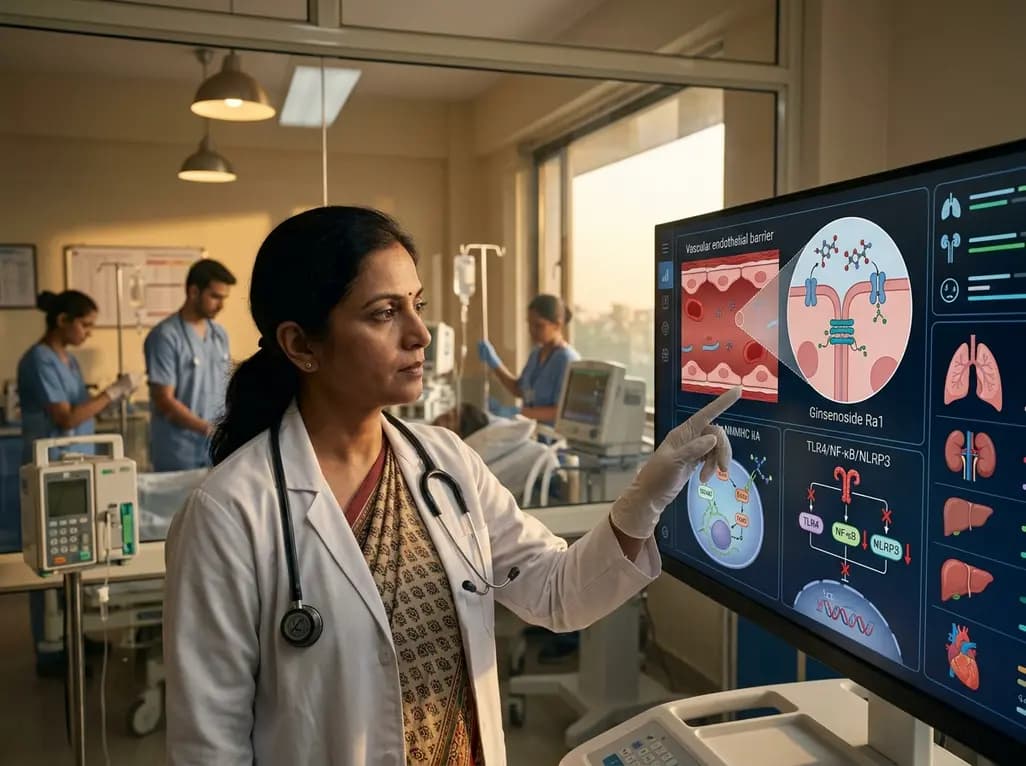
Preclinical findings demonstrate that ginsenoside Ra1 preserves vascular integrity and attenuates multi-organ injury during sepsis by targeting non-muscle myosin heavy chain IIA (NMMHC IIA) and dampening TLR4/NF-κB/NLRP3 inflammatory signaling.
2 days back
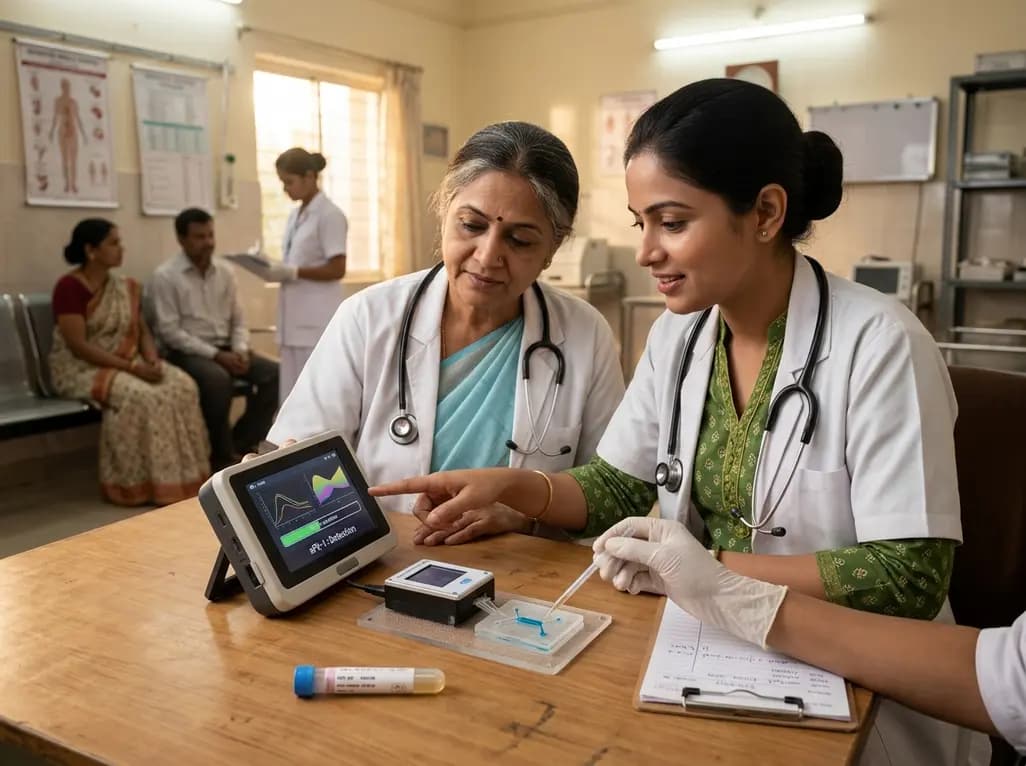
An all-printed immunosensing microchip detects urinary sFlt-1 in just 10 minutes with 3.61 pg/mL sensitivity. By leveraging photonic bandgap engineering, this low-cost, cleanroom-free platform provides non-invasive preeclampsia screening, offering substantial benefits for point-of-care obstetric triage.
3 days back
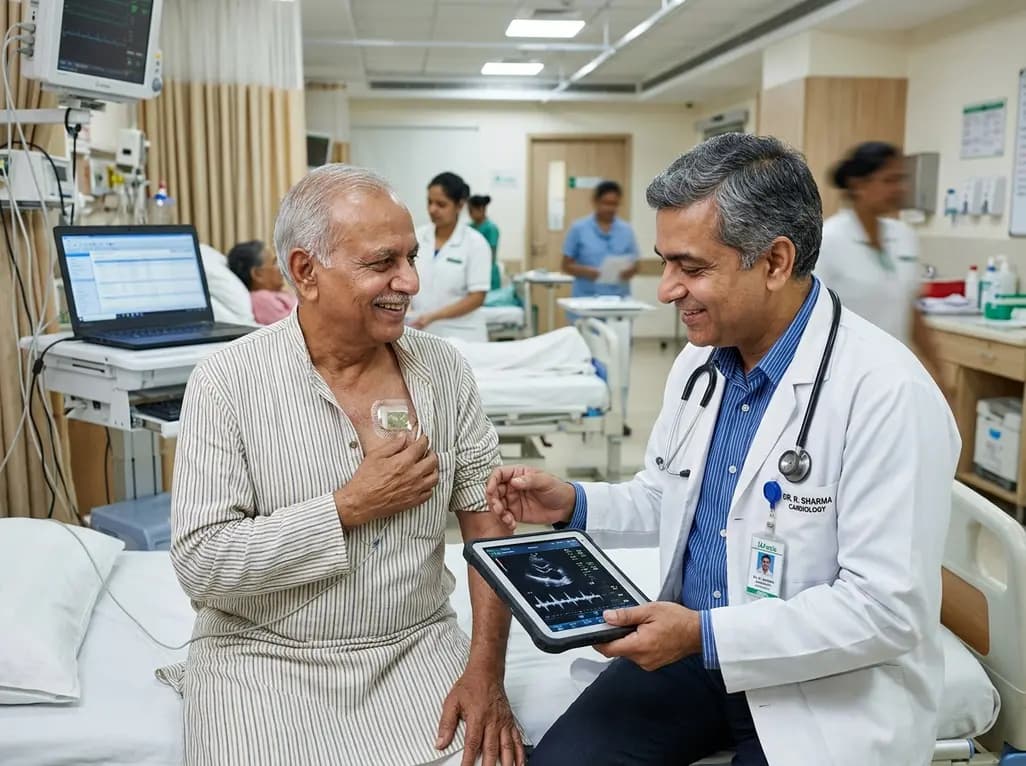
Wearable ultrasound patches are transforming healthcare by shifting medicine from episodic evaluations to continuous monitoring. Discover how flexible acoustic transducers advance cardiovascular tracking, musculoskeletal imaging, neuromodulation, and on-demand closed-loop theranostics.
3 days back
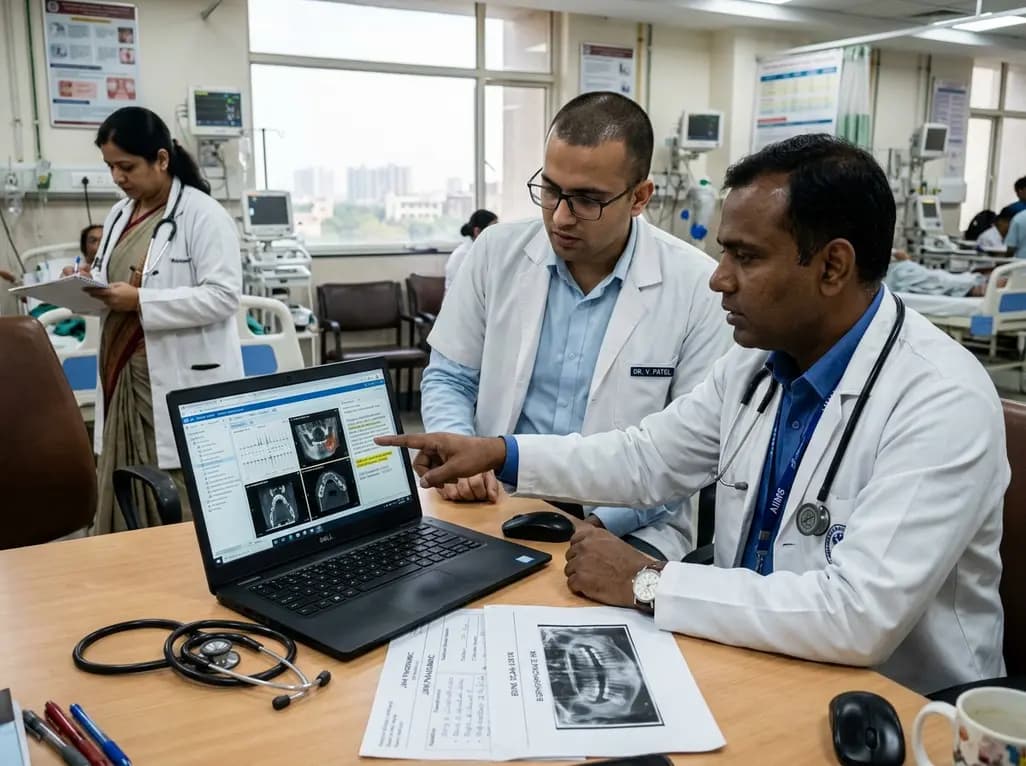
A breakthrough study leverages natural language processing to accurately identify incident medication-related osteonecrosis of the jaw and track antiresorptive drug holidays from clinical narratives in electronic health records, advancing osteoporosis pharmacovigilance and dental safety.
Last week
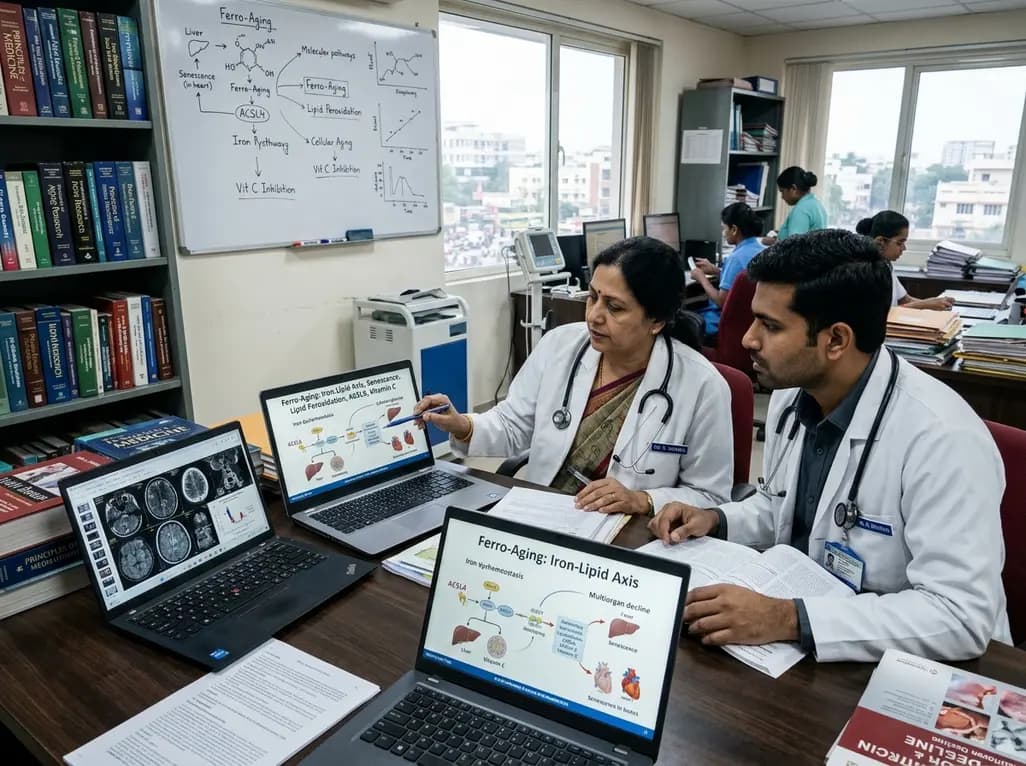
Recent research defines ferro-aging as a conserved iron-lipid axis driving organ decline across primates. Age-related iron dyshomeostasis stimulates ACSL4-mediated lipid peroxidation, promoting cellular senescence. Notably, vitamin C directly inhibits ACSL4, suppressing phospholipid oxidation and multi-organ decay.
Last week
