.webp&w=384&q=75)

Loading, please wait...
Loading, please wait...
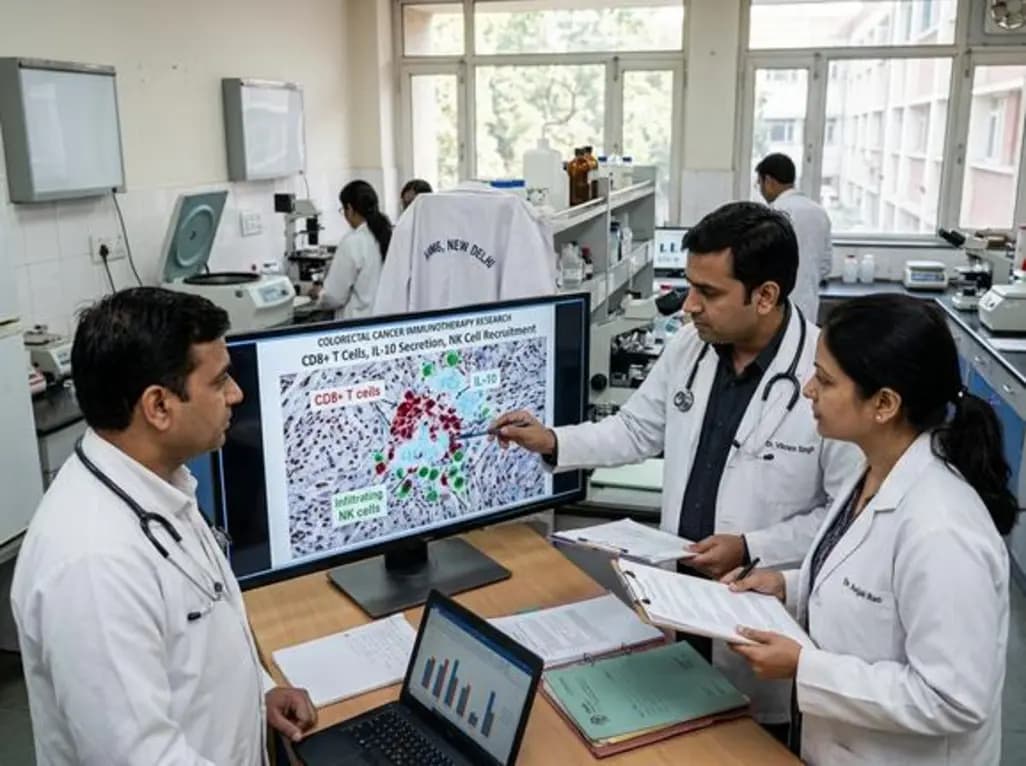
Combining antiangiogenic therapy with immune checkpoint blockade shows significant clinical benefits in various cancers. However, the precise mechanisms driving the antitumor immune response during these treatments have remained unclear until now. Specifically, a recent study using preclinical colorectal cancer models examined the effects of combined VEGFR-2 and PD-1 blockade. Recently, researchers discovered that CD8 T cells respond early to VEGFR-2 inhibition, even before they gain full cytotoxic function. Instead of acting solely as killers, these cells expand and produce interleukin-10 (IL-10) shortly after treatment starts.
While many scientists traditionally view IL-10 as an immunosuppressive cytokine, this study reveals a different, essential function. In fact, CD8 T cell-derived IL-10 acts as a recruiter that brings natural killer (NK) cells into the tumor microenvironment. Consequently, this step is essential for establishing an effective immune landscape within the tumor.
Furthermore, the recruited NK cells soon gain effector activity. Moreover, they produce granulocyte-macrophage colony-stimulating factor (GM-CSF). Therefore, this factor supports macrophage maturation and the subsequent induction of the chemokine CXCL11. Subsequently, this sequence of events enhances a second wave of CD8 T-cell infiltration. As a result, the treatment sustains long-term immune activity and tumor control.
Additionally, the researchers found that disrupting IL-10 signaling or NK-cell function completely eliminates the therapeutic benefit of the dual blockade. Accordingly, this specific immune program is a mandatory requirement for clinical efficacy. In contrast, the study also noted that depleting regulatory T cells could further improve tumor control. Ultimately, these findings define a unique and unanticipated immune sequence initiated by angiogenesis inhibition that coordinates both innate and adaptive immunity.
Interleukin-10, produced by early-responding CD8 T cells, serves to recruit natural killer (NK) cells into the tumor site. This recruitment is a critical first step in establishing a durable and effective immune environment.
NK cells produce GM-CSF, which promotes macrophage maturation and the secretion of CXCL11. This cascade eventually leads to more effective secondary CD8 T-cell infiltration and improved tumor suppression.
Disclaimer: This content is for informational and educational purposes only. It does not constitute medical advice, diagnosis, or treatment. Always seek the advice of your physician or other qualified health provider with any questions you may have regarding a medical condition. Refer to the latest local and national guidelines for clinical practice.
References

Read summarized clinical updates, watch expert medical content, and earn CME certifications right from your smartphone.
Open your smartphone camera to scan and install.





New preclinical research reveals that CD8 T cell-derived IL-10 plays a surprising role in recruiting NK cells to orchestrate a robust antitumor immune response during combined VEGFR-2 and PD-1 blockade therapy in colorectal cancer models.
4 months ago

Depemokimab offers twice-yearly dosing for severe eosinophilic asthma and chronic rhinosinusitis with nasal polyps, significantly cutting exacerbations and hospital admissions.
3 days back

A novel copper metal-organic framework hydrogel remodels the uterine microenvironment to stimulate robust endometrial regeneration, reduce intrauterine fibrosis, and restore reproductive fertility, offering a groundbreaking strategy for managing refractory endometrial damage and Asherman syndrome.
3 days back

New research reveals that non-ablative radiotherapy suppresses ventricular tachycardia by increasing conduction velocity via NaV1.5 upregulation and action potential prolongation. However, sustained sodium current elevation and depressed calcium handling highlight the need for careful clinical translation.
6 days back

A single-cell transcriptomic atlas reveals how peripheral nerve injuries cause dorsal root ganglion remodeling. By evaluating proximal nerve crush and resection, researchers identify distinct glial and immune programs that resolve neuropathic pain and promote regeneration.
3 days back
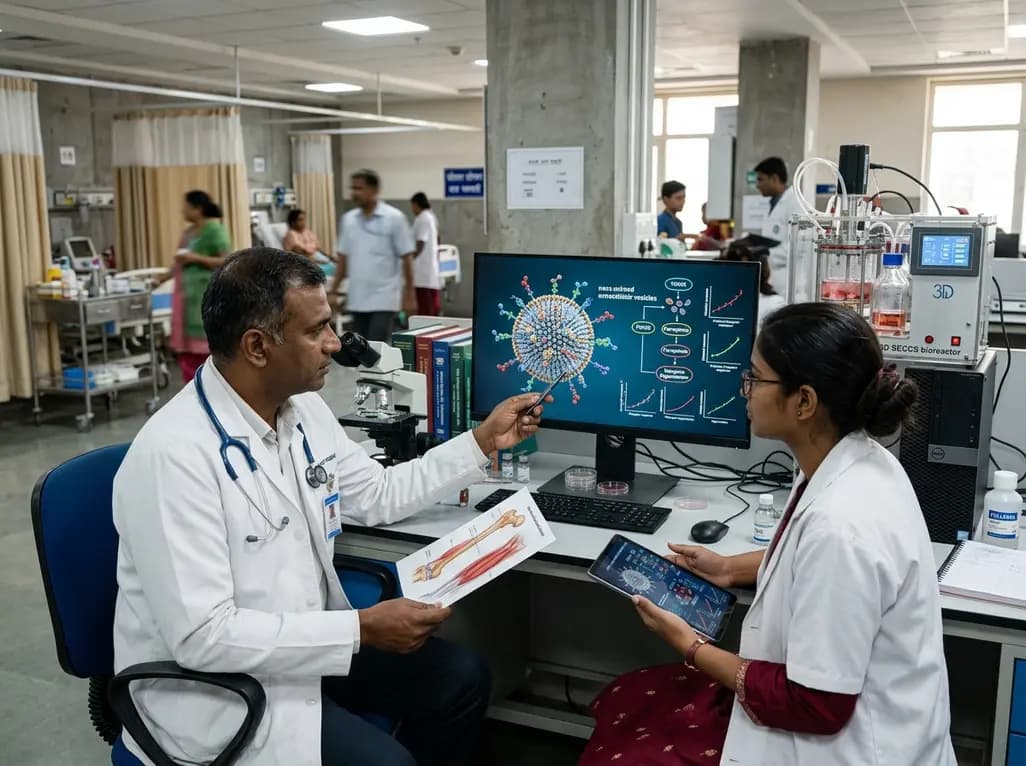
A breakthrough study demonstrates that fullerol-primed extracellular vesicles generated in a 3D SECCS bioreactor attenuate ferroptosis and restore myogenic regeneration in diabetes via the FOXO3 pathway, offering a cell-free therapeutic strategy for diabetic musculoskeletal degeneration.
3 days back
