.webp&w=384&q=75)

Loading, please wait...
Loading, please wait...

The Central Drugs Standard Control Organisation (CDSCO) has granted marketing authorization for the Qdenga dengue vaccine India milestone, marking a major advancement in national disease prevention. Mosquito-borne viral infections continue to strain healthcare infrastructure during seasonal monsoon surges. Official surveillance from the National Centre for Vector Borne Diseases Control recorded over 113,000 cases in 2025. However, epidemiological models estimate that actual infections reach tens of millions across the country every year. Furthermore, data demonstrate an eleven-fold increase in reported dengue cases over the past two decades. Urban expansion and changing rainfall patterns have accelerated vector proliferation across both metropolitan centers and rural districts. Consequently, regulatory clearance of this live-attenuated tetravalent vaccine represents a fundamental shift from reactive crisis management to proactive immunization. Developed by Japanese biopharmaceutical firm Takeda, the vaccine provides critical protection across endemic regions. Medical experts view this regulatory clearance as a long-awaited step to reduce severe illness, prevent avoidable deaths, and protect vulnerable populations. Therefore, integrating active vaccination into public health frameworks will significantly strengthen vector-borne disease management across India.
Dengue transmission in India correlates closely with changing monsoon weather patterns and urban growth. A pivotal study from the Indian Institute of Tropical Meteorology highlighted how environmental factors shape viral propagation. Moderate rainfall during the summer monsoon creates ideal breeding grounds for Aedes mosquitoes, directly increasing transmission intensity. Conversely, heavy downpours can temporarily flush away mosquito larvae, causing transient drops in infection rates. Furthermore, sustained ambient temperatures above 27°C coupled with humidity levels between 60 and 78 percent significantly accelerate viral replication within mosquito vectors. In addition, rising population density in urban areas generates ideal reservoirs for continuous viral transmission. During seasonal peak periods, tertiary hospitals experience intense crowding as thousands of patients present with acute febrile illness. Emergency medicine physicians must quickly triage individuals to identify severe warning signs requiring hospital admission. Consequently, climate change is extending vector breeding seasons and expanding dengue endemicity into previously unaffected regions. Addressing this growing public health challenge requires robust preventative interventions alongside traditional vector control. Therefore, population-level immunization will play a critical role in mitigating climate-driven dengue surges in coming years.
The approved vaccine, commercially known as Qdenga or TAK-003, relies on an innovative recombinant DNA construction. Scientists engineered this live-attenuated tetravalent vaccine using a weakened dengue virus type-2 (DENV-2) genetic backbone. Surface protein genes for DENV-1, DENV-3, and DENV-4 were precisely incorporated into this core backbone structure. The vaccine is produced in Vero cell cultures and delivered as a freeze-dried powder requiring reconstitution prior to subcutaneous injection. Crucially, Qdenga induces a broad neutralizing antibody response targeting all four distinct dengue virus serotypes. Unlike first-generation dengue vaccines, Qdenga does not require pre-vaccination serological testing to confirm prior dengue exposure. Consequently, clinicians can safely administer the vaccine to both seronegative individuals and those with previous dengue infections. This key technological advantage eliminates the clinical burden of diagnostic pre-screening, facilitating easier rollout in busy clinics. Furthermore, achieving balanced immunity across all four serotypes helps prevent antibody-dependent enhancement, a mechanism that can exacerbate disease severity during secondary infections.
The CDSCO regulatory approval authorizes Qdenga administration for individuals aged 4 to 60 years. This age range covers pediatric populations, who are particularly vulnerable to severe dengue complications, as well as working-age adults facing occupational exposure to mosquito vectors. The recommended clinical schedule comprises two 0.5 ml subcutaneous doses administered at a three-month interval (0 and 3 months). Adhering strictly to the complete two-dose regimen is essential for generating durable, long-term protective immunity against all four viral serotypes. Global Phase III clinical trials demonstrate strong safety, immunogenicity, and overall efficacy across broad trial cohorts. Additionally, post-marketing safety and effectiveness evaluations in the Indian population will provide further real-world evidence following commercial market introduction. Primary care physicians and pediatricians should emphasize to patients the importance of completing both scheduled injections. Furthermore, clear record-keeping and structured reminder systems within clinics will help maintain high schedule completion rates across public and private healthcare settings.
Severe dengue complications include plasma leakage, severe hemorrhage, fluid accumulation, respiratory distress, and multi-organ failure. These life-threatening conditions require resource-intensive supportive care, prolonged ICU stays, and continuous hemodynamic monitoring. Clinical trial evaluations and expert projections indicate that widespread vaccination could reduce dengue-related hospitalizations by nearly 80 to 90 percent. Even when breakthrough infections occur among vaccinated individuals, clinical disease severity is significantly diminished. This protective effect resembles how seasonal influenza vaccination reduces severe pneumonia and ICU admissions. Consequently, lower hospital admission rates will relieve severe seasonal congestion in emergency departments and critical care units. Furthermore, preventing severe illness mitigates substantial financial loss and psychological distress for affected families. Critical care specialists note that preventing rapid disease progression from mild fever to dengue shock syndrome is the most valuable benefit of widespread immunization. Therefore, active vaccination promises to protect healthcare capacity during peak monsoon outbreaks.
While vaccine availability represents a monumental milestone, public health authorities emphasize that immunization must complement existing disease control strategies. Vector control measures, including environmental management, larval control, and eliminating standing water, remain essential components of dengue control. Furthermore, maintaining high clinical suspicion, early diagnostic testing, and timely supportive management remain vital for optimal patient care. Takeda expects the vaccine to become commercially available through private healthcare facilities in India by early 2027. Discussions regarding broader inclusion in National Immunisation Programmes are ongoing with government health authorities. Comprehensive public health integration will be essential to ensure equitable vaccine access across rural districts and economically disadvantaged urban populations. Furthermore, strong collaboration between public health departments and private clinical networks will maximize overall vaccination coverage. Combining population-level immunization with active vector surveillance offers India its most promising path toward sustainable dengue control.
Q1: What is the approved age range and dosing schedule for Qdenga in India?
The Central Drugs Standard Control Organisation has approved Qdenga for individuals aged 4 to 60 years. The recommended immunization schedule consists of two subcutaneous doses of 0.5 ml each, given three months apart (months 0 and 3). Adhering to both doses is essential for achieving complete, long-lasting neutralizing antibody protection against all four dengue virus serotypes across both seropositive and seronegative individuals.
Q2: Is pre-vaccination blood testing required before administering Qdenga?
No, pre-vaccination blood testing or serological screening is not required before administering Qdenga. Unlike earlier dengue vaccines, Qdenga is engineered to be safe and effective for individuals regardless of their prior dengue exposure history. It successfully generates broad immune responses in both dengue-naïve individuals and those who have previously contracted a dengue infection, greatly simplifying routine clinical administration across endemic regions.
Q3: Does the dengue vaccine replace traditional mosquito control measures?
No, the vaccine does not replace traditional vector control measures. Healthcare experts stress that vaccination must complement existing vector management strategies, including source reduction, eliminating standing water, personal protection against mosquito bites, and timely medical intervention. Combining systematic population immunization with robust vector control provides the most effective long-term approach to controlling seasonal dengue outbreaks and reducing severe clinical complications.
Disclaimer: This content is for informational and educational purposes only. It does not constitute medical advice or replace professional judgment. Refer to the latest local and national guidelines for clinical practice.
References

Read summarized clinical updates, watch expert medical content, and earn CME certifications right from your smartphone.
Open your smartphone camera to scan and install.





The Central Drugs Standard Control Organisation has granted marketing authorization for Qdenga, marking India's first approved dengue vaccine. Developed by Takeda, this two-dose live-attenuated vaccine offers protection for individuals aged 4 to 60 without requiring prior serological screening.
last month

India's diagnostic landscape is evolving rapidly as Dr Lal PathLabs approves a 70% majority stake acquisition in Gujarat-based SN Genelab. The strategic Rs 168 crore deal reinforces high-end molecular testing, oncology panels, and reproductive genetics, expanding advanced precision healthcare access nationwide.
Today

The National Board of Examinations in Medical Sciences announced qualifying cut-offs for over 2.65 lakh candidates across India. Discover essential insights into category percentiles, answer key releases, scorecard downloads, and subsequent All India Quota seat allotment procedures.
Today
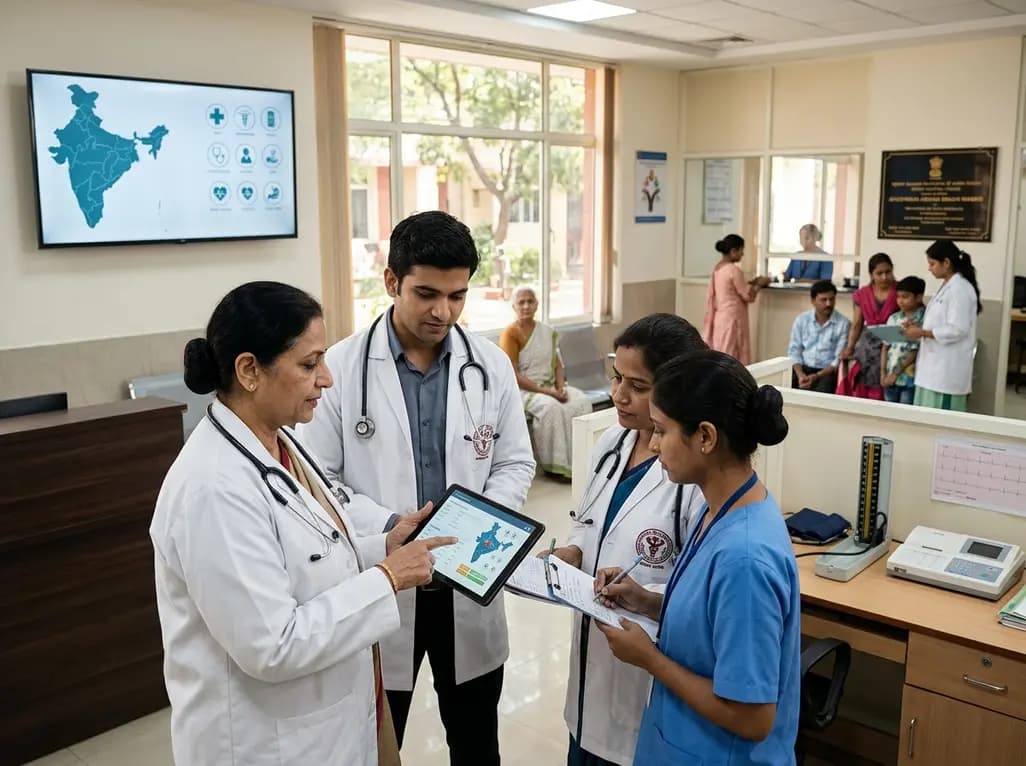
At UNGA81, India demonstrated transformative public health achievements, showcasing over 1.8 lakh Ayushman Arogya Mandirs, 900 million ABHA IDs, extensive viral hepatitis screening, and the National Sickle Cell Anaemia Elimination Mission, reinforcing its global leadership in equitable and accessible healthcare delivery.
Today
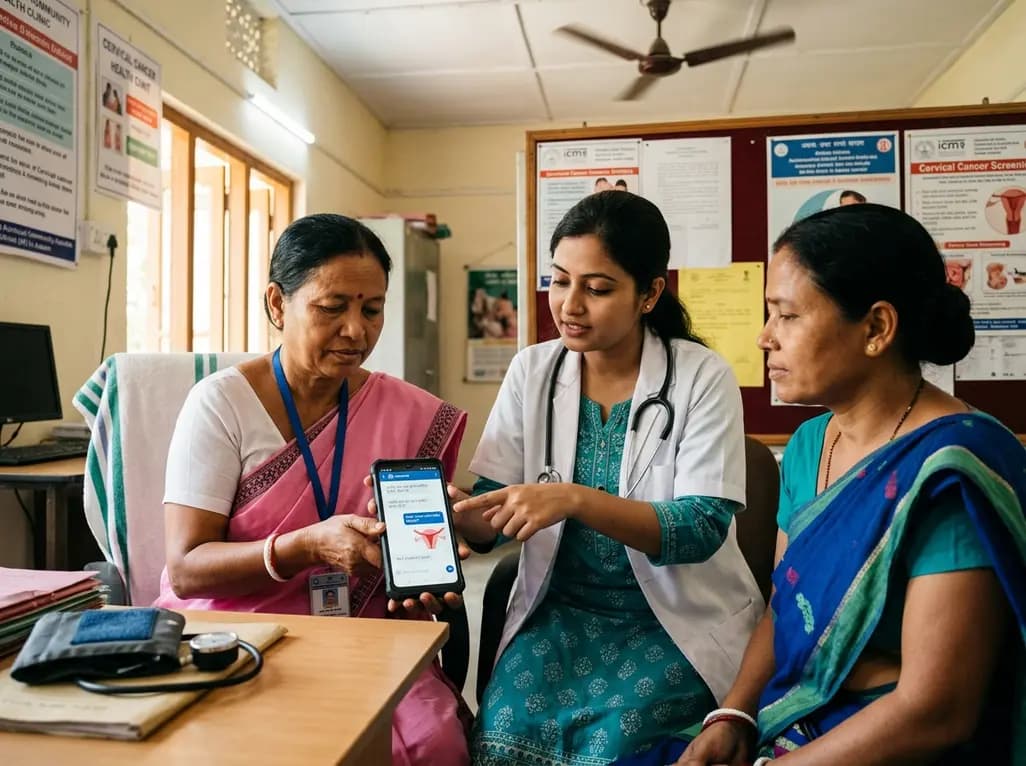
Accredited Social Health Activists in Assam are co-designing an ICMR-backed multilingual voice chatbot and AI training platform. The initiative addresses community barriers, improves visual inspection counselling, and empowers frontline workers to boost early detection of precancerous cervical lesions.
Today
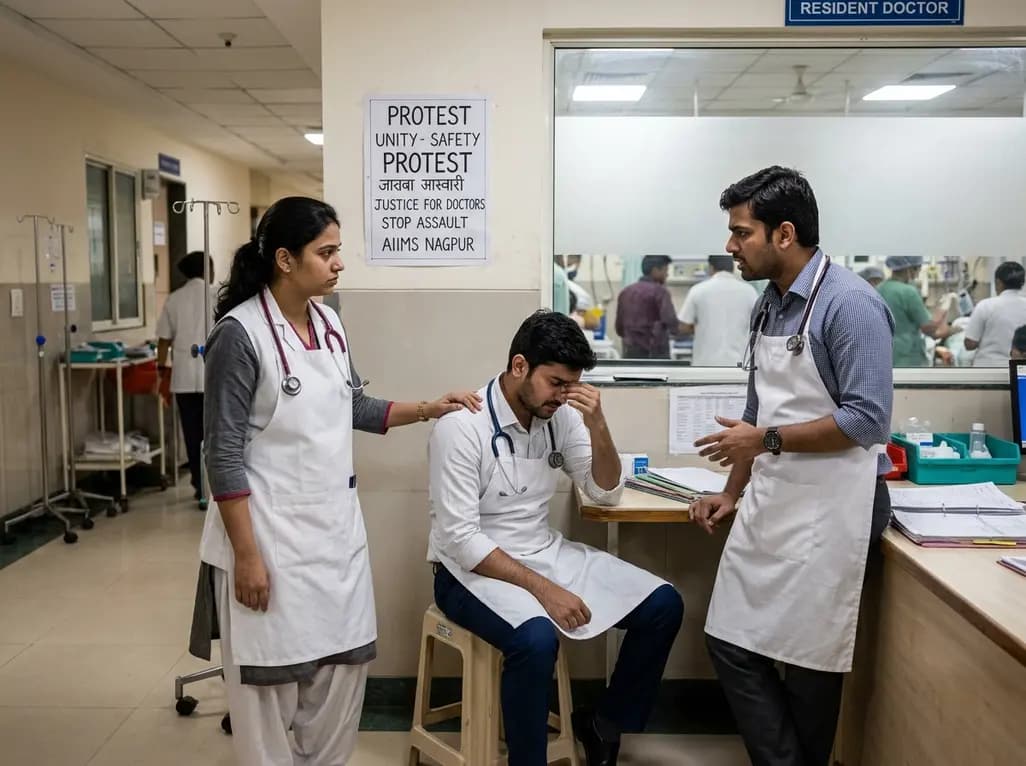
Resident doctors at AIIMS Nagpur have paused non-emergency clinical duties following an assault in the intensive care unit. The association demands immediate institutional legal action, an end to preferential VIP admissions, and fortified security protocols to protect medical professionals on duty.
Today
