.webp&w=384&q=75)

Loading, please wait...
Loading, please wait...
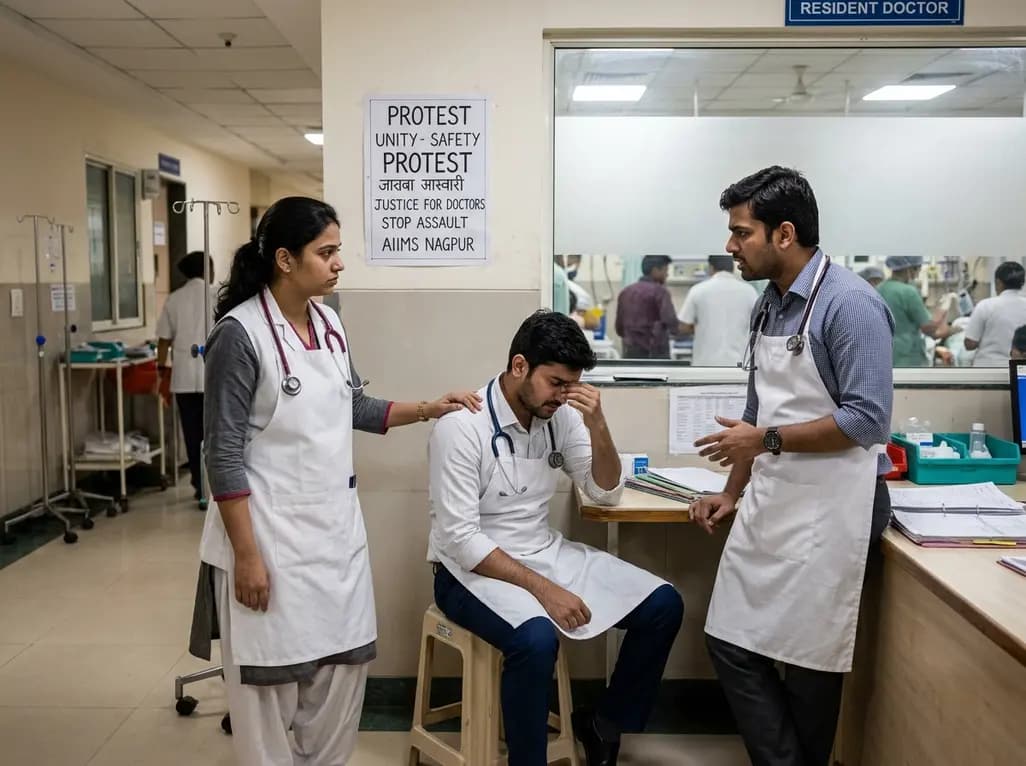
The ongoing AIIMS Nagpur doctor protest highlights escalating concerns over workplace safety in intensive care units across India. Specifically, resident physicians recently withdrew from routine outpatient and inpatient services to demand robust institutional protections. Meanwhile, emergency and critical care departments remain operational to prevent patient harm. Ultimately, this critical agitation reflects broader systemic challenges within tertiary public healthcare centers.
The dispute began after a violent confrontation occurred in the medical intensive care unit on September 22. Relatives of a critical patient verbally abused and physically attacked an on-duty junior resident doctor. In addition, the assailants allegedly issued severe death threats inside the hospital premises. This distressing altercation occurred while medical teams delivered life-saving interventions to an unstable individual. Consequently, resident clinicians expressed deep outrage over their vulnerability during acute clinical duties. The Resident Doctors' Association promptly submitted a formal charter of grievances to the medical superintendent. However, the hospital administration failed to deliver immediate actionable solutions within the requested timeframe. As a result, junior and senior residents halted non-emergency duties, including elective procedures and outpatient consultations. Nevertheless, doctors maintained emergency services, pediatric wards, and intensive care management without interruption. The association maintains that clinical professionals deserve an environment free from intimidation and terror. Therefore, the strike will persist until hospital leadership issues a binding, time-bound response that permanently secures staff safety.
At the heart of the ongoing demonstration lies a fundamental legal reform regarding institutional crime reporting. Currently, law enforcement agencies frequently require the victimized clinician to register personal police complaints. Consequently, individual doctors face direct legal exposure, private harassment, and retaliation from influential assailants. The resident doctors firmly argue that the hospital administration must file an institutional first information report instead. Because violence takes place on state hospital grounds, the healthcare institution bears primary responsibility for maintaining order. Furthermore, institutional complaints mobilize institutional legal resources rather than placing heavy burdens on traumatized junior staff. The association insists that authorities must identify and arrest all involved assailants within twenty-four hours. In addition, resident representatives demand the invocation of strict statutory provisions under relevant state medicare acts. Institutional legal backing creates a meaningful deterrent against future violent breaches in high-stress clinical zones. Ultimately, treating workplace violence as an institutional offense shields young physicians from external intimidation during police proceedings. Comprehensive legal defense by hospital administrators actively fosters professional confidence and moral security across junior healthcare workforces.
Resident physicians have also raised urgent concerns regarding political interference in critical bed allocation. Frequently, influential figures demand immediate admission for referred acquaintances, bypassing standard medical waiting lists. Consequently, unreferred patients with far more critical illnesses face unmanaged delays and increased clinical morbidity. To prevent this ethical compromise, doctors demand a transparent and mandatory no-special-treatment policy. Under this proposed framework, clinicians must triage every single patient based strictly on disease severity and anticipated prognosis. Furthermore, the association requests an explicit standard operating procedure for genuine state dignitaries. This separate protocol ensures that legitimate VIP security requirements never compromise routine clinical workflows or doctor autonomy. When political pressure dictates bed turnover, junior doctors bear the brunt of public anger and moral injury. Moreover, arbitrary bed allocation severely damages patient trust in tertiary public healthcare delivery systems. Therefore, objective clinical triage systems must govern intensive care admissions without administrative exceptions. Fair access to intensive care beds guarantees equitable healthcare, preserves ethical standards, and protects clinicians from unwarranted public confrontations.
Modern tertiary hospitals require robust physical and operational security measures to safeguard delicate critical care environments. The protesting doctors have outlined detailed infrastructure requirements to protect vulnerable clinical personnel. First, administrators must deploy twenty-four-hour rapid response teams trained specifically in hospital de-escalation tactics. Untrained guards frequently fail to manage aggressive mobs during medical crises, worsening volatile situations. In addition, hospitals must establish Code Violet emergency alert protocols in critical zones. These zones include intensive care units, emergency triage departments, and operating suites. Strategically located alarm buttons allow bedside clinicians to summon security reinforcements within seconds during violent encounters. Furthermore, public address systems should provide instant facility-wide communication during security breaches. Hospital authorities must also enforce strict visitor access controls to prevent overcrowding around unstable patients. Restricting access reduces physical chaos, minimizes contamination risks, and prevents emotional escalations near bedside monitors. Thus, modern security infrastructure creates a safe barrier, allowing physicians to concentrate entirely on complex resuscitations. Ultimately, protective environmental engineering remains vital for high-stress intensive care units.
Beyond physical security, long-term stability requires comprehensive administrative and operational reforms. Protesting residents have demanded an institutional review committee featuring active resident doctor representation. This collaborative panel will evaluate security protocol lapses and oversee the implementation of preventative measures. Resident involvement ensures that administrative policies reflect real-world clinical challenges faced by frontline medical workers. In addition, the association advocates for a structured referral policy to curb severe institutional overcrowding. Tertiary centers frequently operate well beyond designed capacity because secondary hospitals transfer non-critical patients inappropriately. Consequently, excessive patient volume strains infrastructure, exhausts healthcare workers, and heightens caregiver anxiety. When communication breaks down in overcrowded wards, tragic misunderstandings frequently ignite physical aggression. Therefore, regional healthcare networks must enforce clear referral criteria to prevent unnecessary overcrowding at apex institutes. By coordinating patient flow between primary, secondary, and tertiary facilities, medical centers can reduce burnout and interpersonal tension. Ultimately, institutional oversight and rationalized patient transfers will establish sustainable safety for both clinicians and patients.
Q1: Why did resident doctors at AIIMS Nagpur withdraw non-emergency medical services?
Resident doctors withdrew routine services after relatives assaulted an on-duty resident in the intensive care unit on September 22. In addition, the assailants issued direct death threats during the altercation. The association paused outpatient clinics and elective surgeries to protest inadequate administrative protection. However, clinicians continue providing emergency and critical care services to ensure patient well-being while demanding an institutional complaint, swift arrests, and improved hospital security measures.
Q2: What is an institutional FIR and why is it important for healthcare workers?
An institutional FIR requires hospital management to register police complaints as an organization rather than forcing individual clinicians to file them personally. Consequently, this formal procedure protects junior healthcare workers from private intimidation, legal retaliation, and personal harassment by assailants. Furthermore, institutional filings ensure that hospital legal counsel handles judicial proceedings. Therefore, this legal approach affirms that the institution assumes primary responsibility for workplace safety during clinical service.
Q3: How would a no-special-treatment policy improve hospital functioning and clinical care?
A no-special-treatment policy stops external political influence from dictating bed availability in wards and intensive care units. Consequently, clinicians allocate beds strictly based on objective disease severity and clinical prognosis. Furthermore, removing VIP preferences prevents queue-jumping, reduces ethical distress among medical residents, and mitigates public hostility caused by perceived favoritism. Therefore, standardized triage preserves healthcare fairness and ensures that the sickest patients receive urgent medical interventions first.
Disclaimer: This content is for informational and educational purposes only. It does not constitute medical advice or replace professional judgment. Refer to the latest local and national guidelines for clinical practice.
References

Read summarized clinical updates, watch expert medical content, and earn CME certifications right from your smartphone.
Open your smartphone camera to scan and install.





Resident doctors at AIIMS Nagpur have paused non-emergency clinical duties following an assault in the intensive care unit. The association demands immediate institutional legal action, an end to preferential VIP admissions, and fortified security protocols to protect medical professionals on duty.
Today

India's diagnostic landscape is evolving rapidly as Dr Lal PathLabs approves a 70% majority stake acquisition in Gujarat-based SN Genelab. The strategic Rs 168 crore deal reinforces high-end molecular testing, oncology panels, and reproductive genetics, expanding advanced precision healthcare access nationwide.
Today
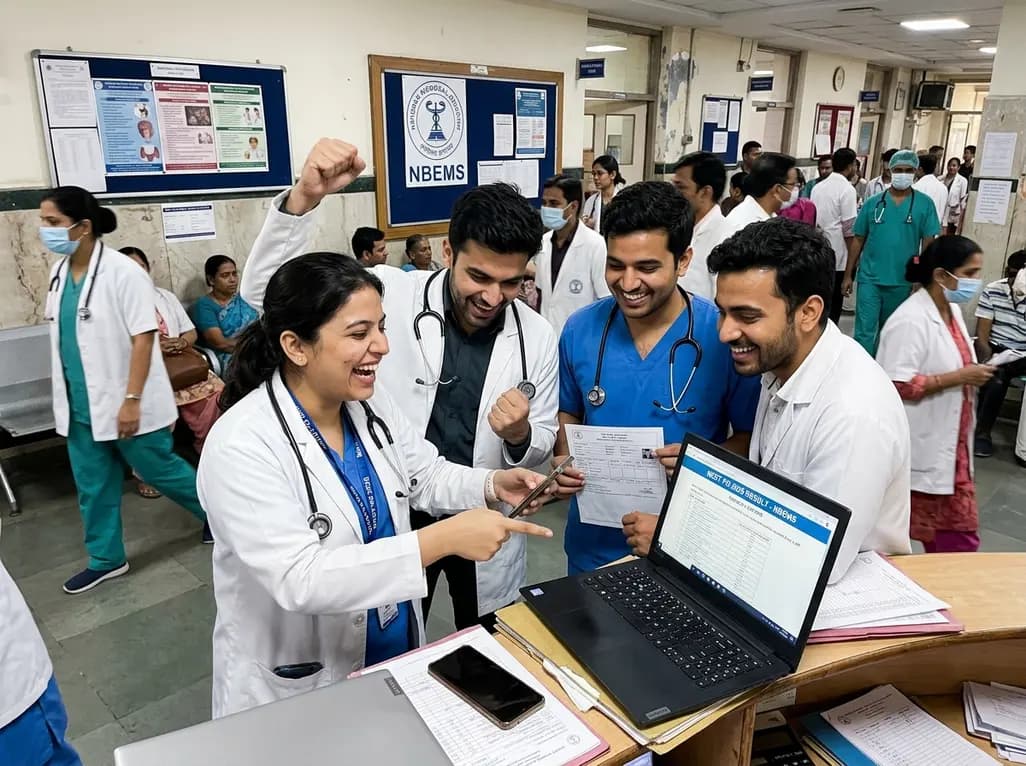
The National Board of Examinations in Medical Sciences announced qualifying cut-offs for over 2.65 lakh candidates across India. Discover essential insights into category percentiles, answer key releases, scorecard downloads, and subsequent All India Quota seat allotment procedures.
Today
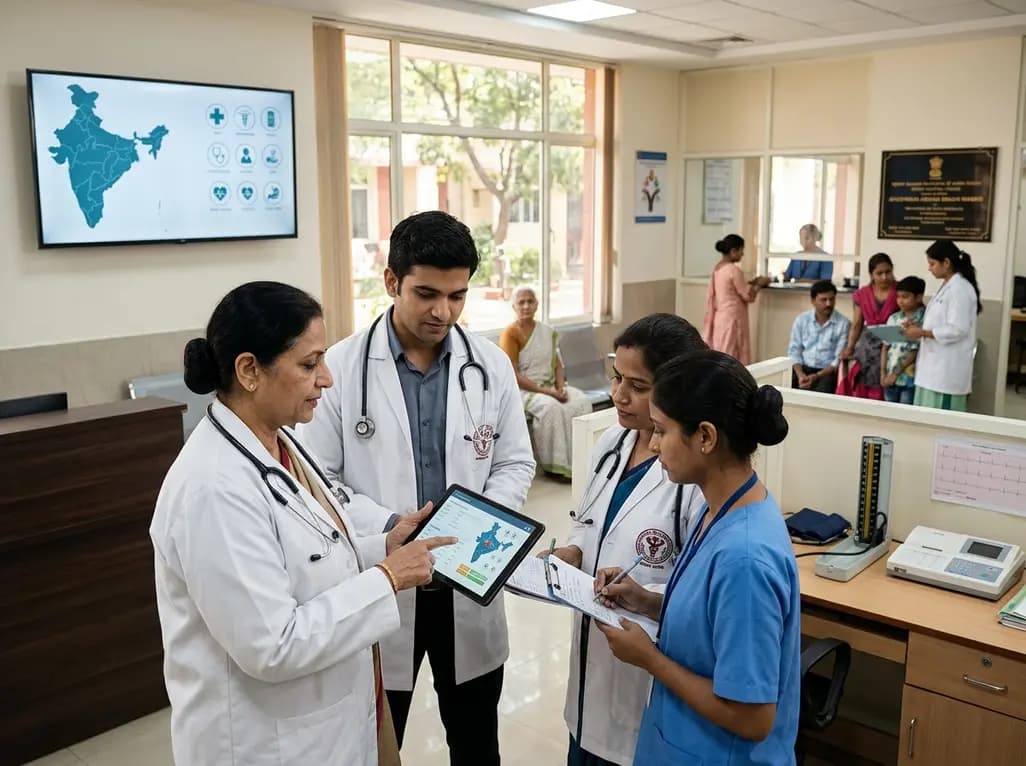
At UNGA81, India demonstrated transformative public health achievements, showcasing over 1.8 lakh Ayushman Arogya Mandirs, 900 million ABHA IDs, extensive viral hepatitis screening, and the National Sickle Cell Anaemia Elimination Mission, reinforcing its global leadership in equitable and accessible healthcare delivery.
Today
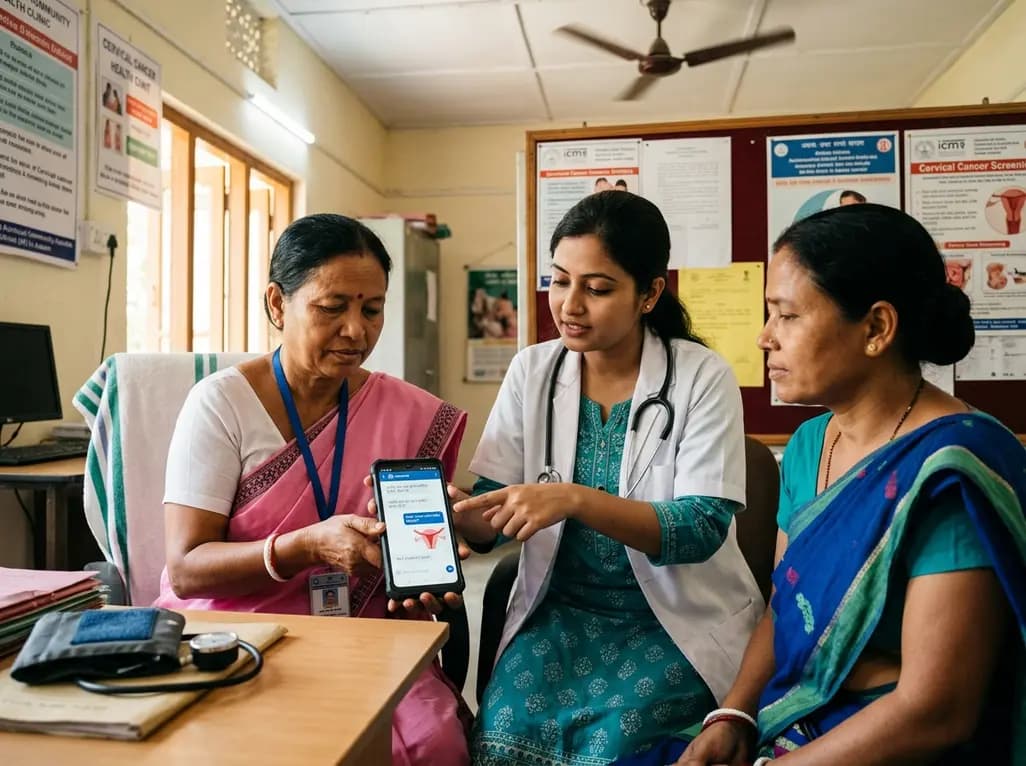
Accredited Social Health Activists in Assam are co-designing an ICMR-backed multilingual voice chatbot and AI training platform. The initiative addresses community barriers, improves visual inspection counselling, and empowers frontline workers to boost early detection of precancerous cervical lesions.
Today
