.webp&w=384&q=75)

Loading, please wait...
Loading, please wait...
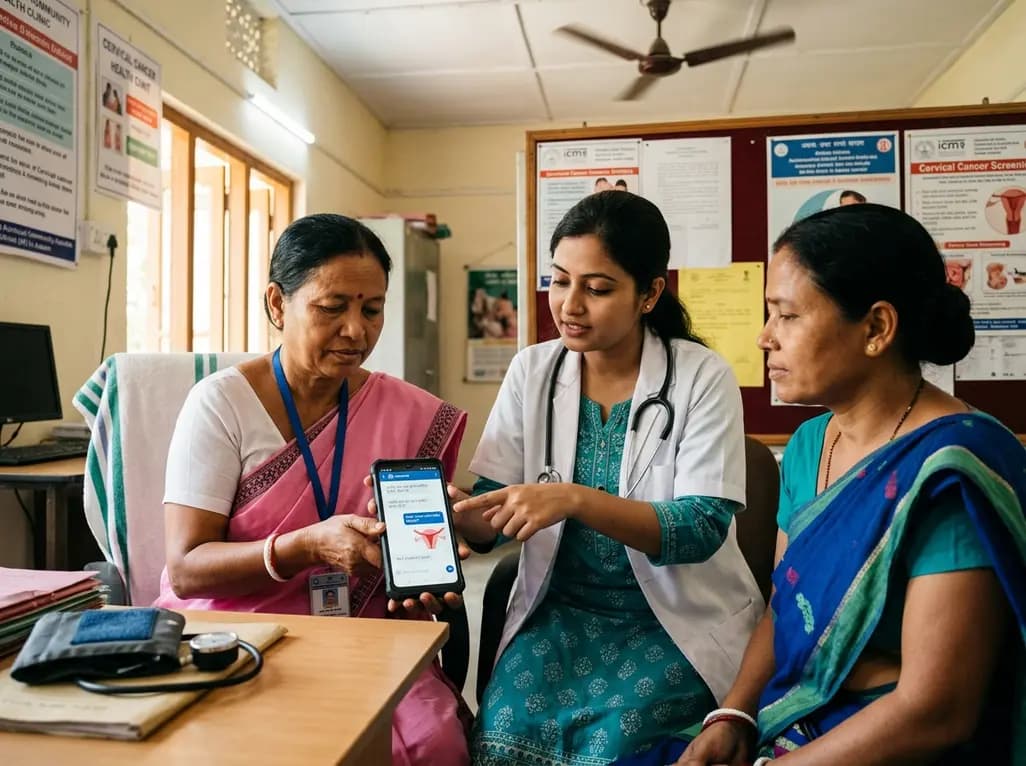
Cervical cancer remains one of the leading causes of cancer-related mortality among women in India. Consequently, expanding early detection services through primary healthcare represents an urgent public health priority. A groundbreaking pilot project funded by the Indian Council of Medical Research is now testing an innovative technological model in rural Assam. In this pioneering initiative, approximately 100 Accredited Social Health Activists are actively collaborating with oncologists, technologists, and public health researchers. Together, they are designing an artificial intelligence-enabled platform and a multilingual voice chatbot to transform community-level cervical cancer screening. By embedding frontline workers directly into the development cycle, researchers ensure that the digital tool addresses ground realities rather than imposing an impractical burden.
Community health workers in rural India encounter deep-rooted social, cultural, and informational barriers during routine field visits. Specifically, women and their families often harbor fear, hesitation, and stigma regarding pelvic examinations and reproductive tract health. In addition, many rural households lack accurate knowledge about the difference between benign symptoms and malignant progression. Consequently, Accredited Social Health Activists face significant hurdles when motivating eligible women to undergo visual inspection with acetic acid at local primary health centres. To address these hurdles, frontline workers must offer clear, compassionate, and precise counselling. However, conveying complex medical concepts in simple vernacular language requires substantial guidance and continuous reinforcement. Traditional periodic training sessions frequently fail to equip community workers with answers to unexpected field questions. For example, family members frequently ask whether screening causes infertility or whether asymptomatic individuals require testing. Therefore, having immediate access to clinically verified, easily digestible information is vital for overcoming community resistance. When frontline workers deliver authoritative answers with confidence, screening uptake increases dramatically. Furthermore, establishing strong community rapport enables frontline workers to guide patients toward secondary confirmation seamlessly. Ultimately, closing communication gaps directly strengthens uptake of preventive health interventions across vulnerable rural demographics.
The George Institute for Global Health India and Cachar Cancer Hospital and Research Centre established a cooperative framework in Silchar. Rather than deploying pre-packaged software, the researchers organized an intensive two-day co-design workshop for frontline workers. Furthermore, this initiative operates on a fundamental guiding principle: medical technology intended for community health workers must be designed alongside them. Clinicians, epidemiologists, software engineers, and community workers sat together to analyze real-world counselling dynamics. During the workshop, participants reviewed a comprehensive repository of 155 common inquiries regarding cervical abnormalities and screening pathways. To prioritize these concerns effectively, the workers utilized a creative, bindi-based voting mechanism. This interactive exercise allowed each worker to mark the questions that women, husbands, and elders ask most frequently. Interestingly, the exercise revealed a noticeable divergence between standard clinical priorities and genuine community anxieties. Clinicians typically emphasize staging and biological mechanisms. In contrast, families worry about procedure pain, privacy, financial costs, and daily wage loss. Consequently, this participatory workflow ensures that the resulting digital knowledge base reflects authentic household conversations. Moreover, this collaborative methodology bridges the historical disconnect between academic software designers and frontline field practitioners. By validating real field experiences, the project fosters genuine ownership among community health workers.
A major outcome of this collaborative effort is a dedicated multilingual voice chatbot. In many rural communities, text-based navigation creates significant cognitive friction during rapid patient interactions. Therefore, an intuitive voice interface operating in regional languages, including Bengali and Assamese, provides a major operational advantage. Frontline health workers can simply speak their queries into a smartphone and receive instant, clinically vetted voice responses. Moreover, the conversational agent acts as an immediate chairside assistant during household counselling and community mobilization. If a hesitant family raises doubts regarding screening safety, the worker can access accurate guidance immediately. This prompt feedback eliminates ambiguity and prevents the spread of harmful health misconceptions. Additionally, the underlying platform includes structured micro-learning modules, interactive quizzes, and brief multimedia demonstrations. These multimedia assets illustrate proper referral protocols and emphasize the significance of early lesion detection. Furthermore, the system logs unresolved community inquiries, allowing developers to update clinical training modules continuously. However, before deployment, multidisciplinary panels of gynecologic oncologists and primary care experts will rigorously validate every response script. Consequently, the digital tool maintains strict clinical integrity while remaining easily accessible to grassroots health workers.
Integrating digital technology into grassroots healthcare presents distinct infrastructural and operational challenges. During the preliminary assessments, researchers noted varying levels of digital literacy across different age demographics. While younger workers demonstrated high familiarity with mobile apps, older workers reported anxiety regarding technical interfaces and complex navigation menus. Therefore, software developers must prioritize simple interfaces, intuitive icons, and seamless voice recognition over complex text inputs. Furthermore, rural geography often presents erratic cellular connectivity and limited electrical infrastructure. To remain genuinely functional, the digital training application and voice chatbot must support offline functionality and asynchronous synchronization. When workers enter remote tea gardens or riverine islands, the application must operate reliably without high-speed internet. In addition, health systems must avoid overwhelming overburdened frontline workers with tedious reporting duties. As project leaders emphasized, clinical tools must alleviate logistical stress rather than introduce an onerous administrative burden. By providing concise audio answers and automated progress tracking, the application streamlines field workflows. Similarly, continuous mentorship and supportive supervision will help older health workers build digital confidence gradually. Consequently, empowering workers with tailored technology ensures sustainable adoption across diverse community health settings.
This three-year research initiative, supported by the Indian Council of Medical Research, extends through November 2028. Moving forward, the research consortium will subject the co-designed platform to extensive clinical and usability testing. Following initial laboratory iterations, researchers will conduct a structured, two-arm cluster-randomized controlled trial across 20 distinct community clusters. Approximately 110 Accredited Social Health Activists will participate to benchmark the artificial intelligence intervention against standard government training protocols. Moreover, the clinical trial will measure tangible public health endpoints rather than relying solely on subjective user satisfaction. Investigators will systematically evaluate community screening rates, diagnostic referral adherence, and the diagnostic accuracy of visual inspections. Additionally, the trial will evaluate improvements in worker knowledge retention and counselling self-efficacy over sustained operational periods. In addition, the trial findings will inform future national digital health policies under the Ayushman Bharat digital mission. If the digital intervention demonstrates statistically significant improvements in screening uptake, it could provide a national blueprint. Consequently, health authorities could scale this voice-enabled architecture to other low-resource states across India. Ultimately, integrating artificial intelligence into primary healthcare infrastructure can accelerate national goals toward eliminating preventable cervical malignancies.
Q1: Why is community-level cervical cancer screening critical in rural India?
Early cervical changes develop slowly over several years, offering a crucial window for intervention. However, lack of awareness and restricted access cause over three-fourths of Indian patients to present at advanced stages. Community-level screening using visual inspection or HPV testing detects high-grade precancerous lesions early. Consequently, timely rural screening reduces cancer mortality, prevents invasive radical interventions, and saves substantial healthcare costs.
Q2: How does a multilingual voice chatbot assist frontline health workers?
Frontline health workers often encounter complex questions about screening procedures, safety, and cultural misconceptions during home visits. A multilingual voice chatbot delivers real-time, clinically validated audio answers in local languages such as Assamese and Bengali. As a result, workers overcome literacy or technological barriers, resolve family hesitations immediately, and provide authoritative reassurance without administrative disruption.
Q3: What role do ASHAs play in designing healthcare artificial intelligence?
Frontline ASHAs possess unmatched insights into community hesitation, social stigmas, and grassroots communication dynamics. By participating in co-design workshops, they identify frequent field inquiries and user interface limitations that software engineers might overlook. Consequently, their direct involvement ensures artificial intelligence tools remain practical, culturally sensitive, clinically relevant, and easy to navigate during daily rural health outreach.
Disclaimer: This content is for informational and educational purposes only. It does not constitute medical advice or replace professional judgment. Refer to the latest local and national guidelines for clinical practice.
References

Read summarized clinical updates, watch expert medical content, and earn CME certifications right from your smartphone.
Open your smartphone camera to scan and install.





Accredited Social Health Activists in Assam are co-designing an ICMR-backed multilingual voice chatbot and AI training platform. The initiative addresses community barriers, improves visual inspection counselling, and empowers frontline workers to boost early detection of precancerous cervical lesions.
Today
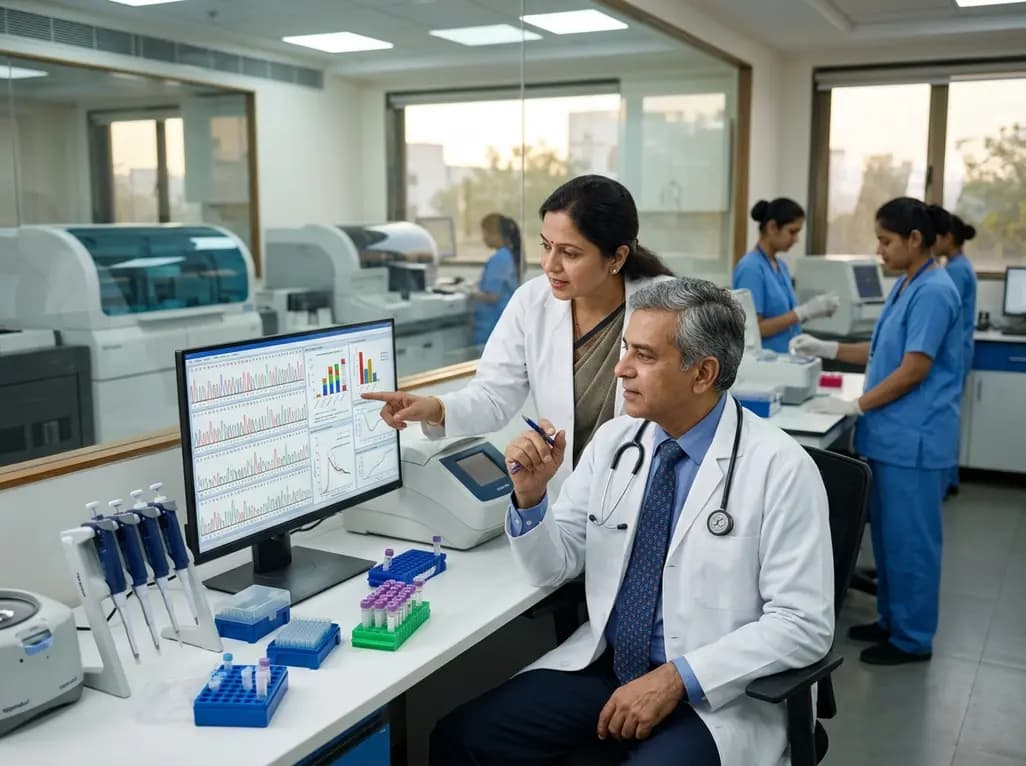
India's diagnostic landscape is evolving rapidly as Dr Lal PathLabs approves a 70% majority stake acquisition in Gujarat-based SN Genelab. The strategic Rs 168 crore deal reinforces high-end molecular testing, oncology panels, and reproductive genetics, expanding advanced precision healthcare access nationwide.
Today
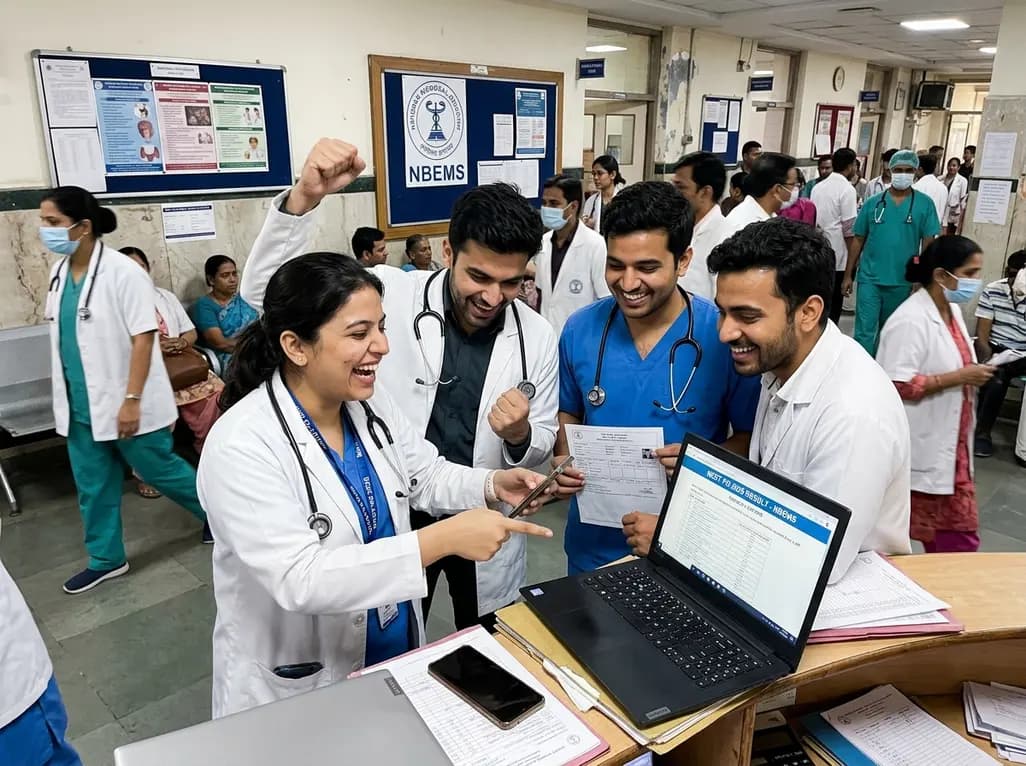
The National Board of Examinations in Medical Sciences announced qualifying cut-offs for over 2.65 lakh candidates across India. Discover essential insights into category percentiles, answer key releases, scorecard downloads, and subsequent All India Quota seat allotment procedures.
Today
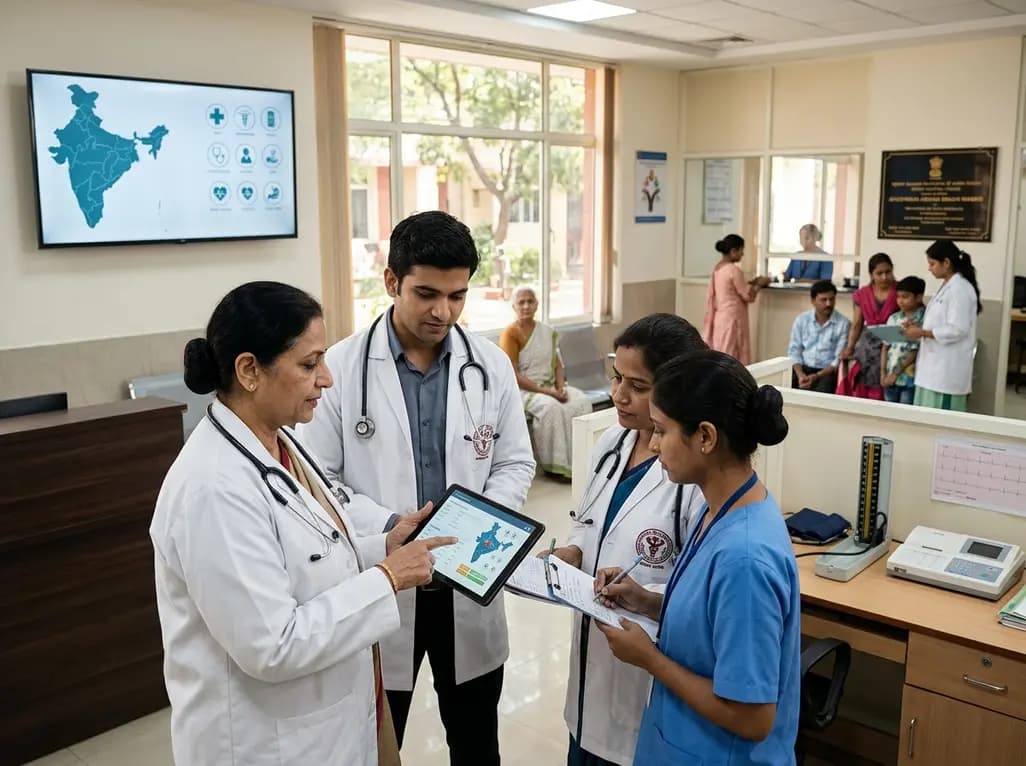
At UNGA81, India demonstrated transformative public health achievements, showcasing over 1.8 lakh Ayushman Arogya Mandirs, 900 million ABHA IDs, extensive viral hepatitis screening, and the National Sickle Cell Anaemia Elimination Mission, reinforcing its global leadership in equitable and accessible healthcare delivery.
Today
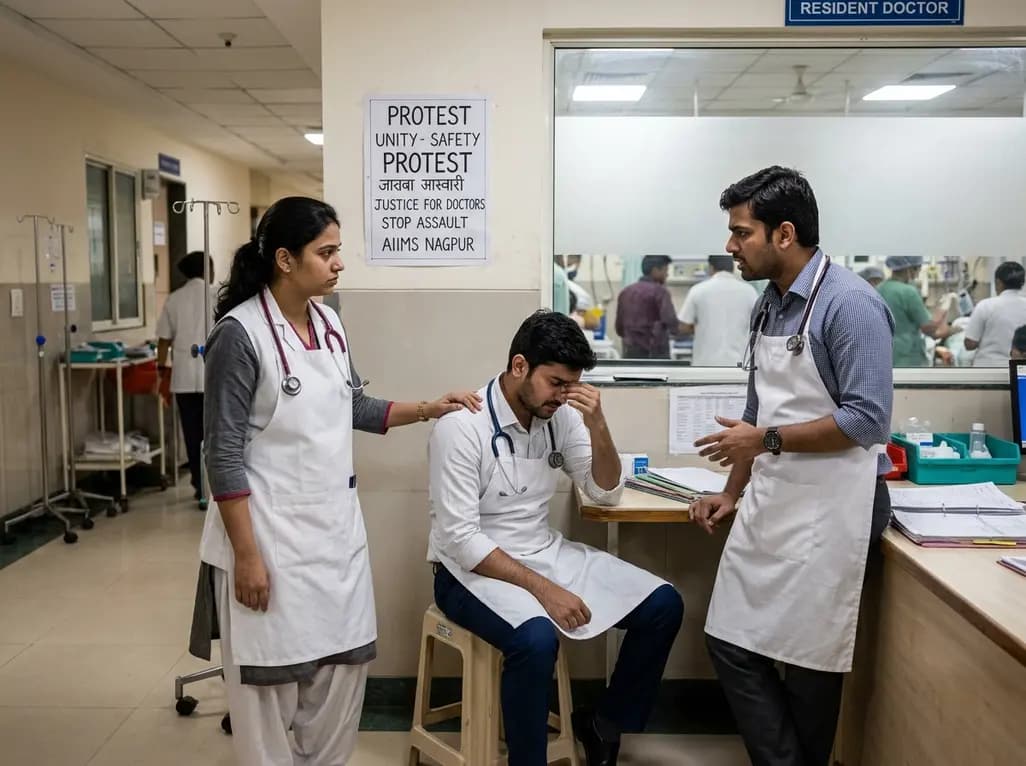
Resident doctors at AIIMS Nagpur have paused non-emergency clinical duties following an assault in the intensive care unit. The association demands immediate institutional legal action, an end to preferential VIP admissions, and fortified security protocols to protect medical professionals on duty.
Today
