.webp&w=384&q=75)

Loading, please wait...
Loading, please wait...
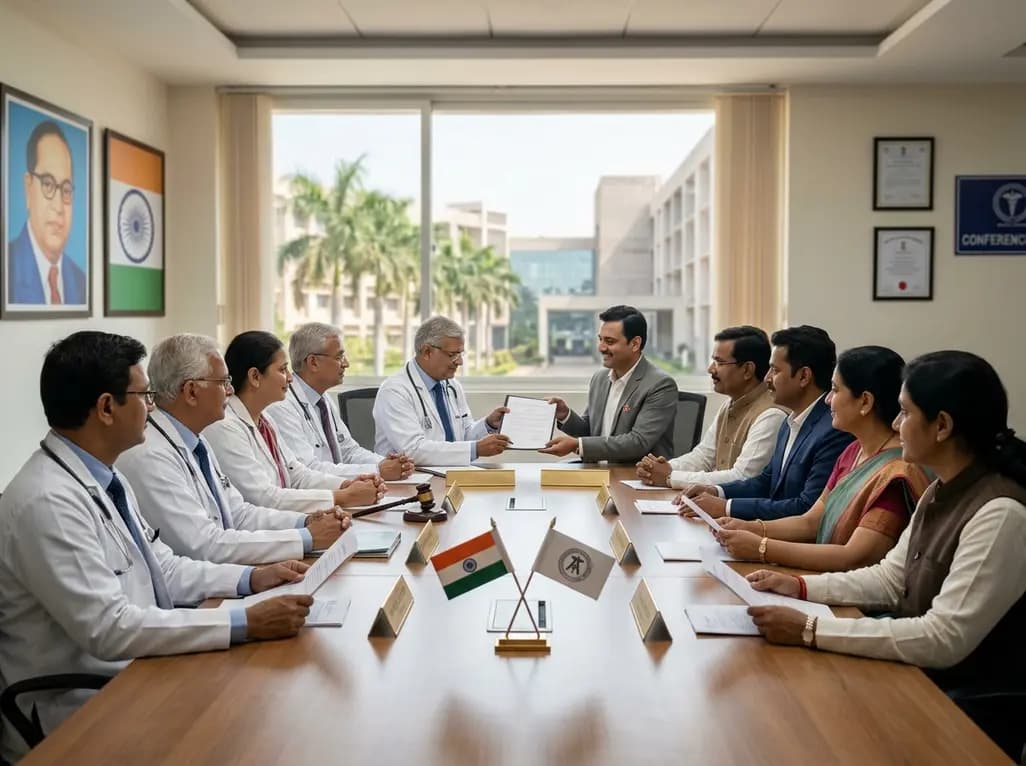
The Union Ministry of Health and Family Welfare has officially notified major leadership appointments across seven premier healthcare centres. Specifically, the Central Government announced the induction of elected legislators to the AIIMS Institute Body across regional tertiary hospitals. Consequently, this decisive administrative step reinforces statutory governance under national health legislation. These apex institutions play a central role in transforming medical education, tertiary patient care, and clinical research throughout India.
The Health Ministry enacted these official nominations under Section 4(g) of the All India Institute of Medical Sciences Act, 1956. Furthermore, Parliament updated these core provisions through the AIIMS (Amendment) Act of 2012. This statutory legislation establishes the comprehensive governance model for every new national medical institute. Under this statutory design, the Institute Body operates as the highest decision-making authority for each respective campus. Moreover, the statute explicitly mandates the inclusion of elected parliamentarians alongside seasoned clinical leaders and academic scholars.
In addition, Section 6 of the AIIMS Act regulates the operational tenure of these appointed members. The statute clearly dictates that legislative delegates retain their seats only while maintaining active membership in Parliament. Therefore, any change in parliamentary status automatically concludes their institutional tenure. This strict legal safeguard prevents prolonged political vacancies while maintaining continuous legislative accountability. Consequently, this regulatory framework guarantees robust institutional governance across all emerging healthcare facilities. Accordingly, the governing councils execute strategic policies under established parliamentary standards. Meanwhile, healthcare administrators monitor these executive mandates to ensure strict alignment with national health goals. Thus, statutory adherence preserves operational integrity across regional medical centres.
The recent Central Government notification establishes appointments across seven distinct geographic zones in India. Specifically, the Union Health Ministry designated Gulam Ali to represent AIIMS Awantipora in Jammu and Kashmir. Concurrently, Dr Ashok Kumar Mittal received the nomination for AIIMS Bathinda in Punjab. The authorities also assigned Rajneesh Kumar Agrawal to AIIMS Bhopal to support operational coordination. Meanwhile, Birendra Prasad Baishya assumed the legislative governance role for AIIMS Guwahati in Assam.
Furthermore, the Central Government designated Madan Rathore for AIIMS Jodhpur in Rajasthan. Sat Paul Sharma received the formal nomination for AIIMS Vijaypur in the Samba district of Jammu. Additionally, I S Inbadurai joined the administrative board for AIIMS Madurai in Tamil Nadu. Consequently, this broad distribution spans northern, western, eastern, and southern healthcare sectors. Each designated representative brings valuable public administration insight to institutional boardrooms. Therefore, local healthcare challenges will receive focused attention during central review sessions. Moreover, regional healthcare disparities require proactive legislative advocacy to secure timely capital investments. As a result, these diverse regional nominations reflect nationwide commitment to accessible medical services. Thus, every designated campus gains direct advocacy within national legislative discussions.
The Institute Body forms the foundational pillar of governance for every established AIIMS facility. By law, this apex administrative assembly determines institutional direction, infrastructure development, and overall financial spending. Additionally, the body oversees major faculty sanctioning, academic program creation, and clinical policy formulation. Medical directors report essential hospital updates directly to this statutory council during scheduled convenings. Consequently, these comprehensive meetings shape the strategic trajectory of healthcare delivery across each state.
Furthermore, the statutory council consists of various distinguished figures beyond legislative representatives. For instance, reputable medical educators, distinguished scientists, and administrative secretaries from central ministries sit together. This multidisciplinary composition balances public accountability with rigorous scientific standards and medical expertise. Moreover, parliamentarians act as direct conduits between local communities and tertiary hospital management. Therefore, citizen grievances regarding patient access, emergency services, and facility shortages reach decision-makers swiftly. Consequently, this collaborative administrative structure promotes transparency, institutional efficiency, and proactive regional problem-solving. In addition, periodic financial audits undergo thorough scrutiny to maintain proper fiscal discipline. Accordingly, regular board oversight minimizes administrative bottlenecks in crucial medical infrastructure projects. Thus, institutional operations proceed smoothly under collective statutory leadership.
Active governance bodies directly influence clinical workflows, resident training programs, and hospital resource allocation. For clinicians and academic faculty, governing board decisions determine faculty promotions, laboratory funding, and equipment acquisition. Furthermore, rapid procurement approvals eliminate frustrating shortages of specialized surgical devices and diagnostic consumables. When governing boards function effectively, clinicians gain modern diagnostic imaging, robust intensive care beds, and advanced operating suites. Consequently, these enhancements elevate patient safety and reduce wait times across high-volume emergency wards.
Additionally, parliamentary members can spotlight local epidemiology patterns and regional health burdens during board discussions. For example, rural vector-borne illnesses, respiratory disorders, and chronic metabolic diseases require tailored resource allocation. Therefore, community representatives help direct clinical research grants toward high-priority regional health threats. Moreover, these leaders assist in expediting inter-departmental clearances with regional state governments. Such local coordination resolves land disputes, water supply issues, and road connectivity barriers near hospital campuses. As a result, frontline doctors can deliver uninterrupted medical care without logistical disruptions. Meanwhile, healthcare teams secure necessary medical supplies through proactive administrative interventions. Thus, integrated leadership directly enhances the quality of regional medical training.
The appointment of political figures to premier academic hospitals requires a careful balance between public oversight and institutional independence. Healthcare professionals often emphasize that academic freedom and evidence-based medicine must guide hospital policy. Consequently, parliamentary delegates must respect specialized clinical protocols and objective faculty selection processes. When statutory members honour professional boundaries, legislative oversight becomes an asset rather than an operational impediment. Furthermore, elected leaders provide vital legislative advocacy during national budget discussions in Parliament.
In contrast, administrative overreach could disrupt hospital hierarchy and compromise merit-based clinical appointments. Therefore, medical bodies emphasize strict adherence to established statutory regulations and medical council guidelines. Modern hospital administrators must maintain transparent documentation for all budgetary sanctions and procurement choices. Additionally, regular communication between medical superintendents and board members prevents unnecessary misunderstandings. Proactive governance enables medical institutes to meet ambitious construction timelines without compromising academic rigor. As a result, collaborative leadership preserves the cherished prestige of the AIIMS brand across regional branches. Ultimately, balanced leadership empowers clinicians to deliver compassionate, world-class patient care. Meanwhile, medical educators continue cultivating scientific innovation within well-supported educational environments. Thus, clear statutory boundaries foster enduring institutional excellence.
Q1: What is the primary role of the Institute Body in new AIIMS facilities?
The Institute Body serves as the highest statutory governing authority for each AIIMS campus under national legislation. It formulates broad institutional policies, approves academic curricula, and sanctions annual budgetary expenditures. Furthermore, the body supervises senior faculty recruitment and directs infrastructural expansion. By uniting medical specialists, administrators, and parliamentarians, the board ensures transparent governance that aligns hospital operations with public healthcare priorities.
Q2: Why are Members of Parliament nominated to AIIMS Institute Bodies under the AIIMS Act?
Section 4(g) of the AIIMS Act mandates parliamentary appointments to maintain legislative oversight over premier medical institutions. These elected delegates represent local healthcare concerns and regional infrastructure needs during high-level executive meetings. Additionally, they assist hospital administrators in securing central resources and resolving state clearances. Their participation guarantees that autonomous tertiary institutions remain publicly accountable while delivering accessible medical care to surrounding populations.
Q3: How long do nominated Members of Parliament serve on the AIIMS Institute Body?
The operational tenure of nominated parliamentarians is governed by Section 6 of the AIIMS Act. Under statutory guidelines, a nominated member serves for five years from the official notification date. However, this tenure ends immediately if the legislator ceases to be a member of Parliament. Consequently, this provision ensures continuous legislative representation by active public officials, preventing political vacancies within statutory medical governance panels.
Disclaimer: This content is for informational and educational purposes only. It does not constitute medical advice or replace professional judgment. Refer to the latest local and national guidelines for clinical practice.
References

Read summarized clinical updates, watch expert medical content, and earn CME certifications right from your smartphone.
Open your smartphone camera to scan and install.





The Union Health Ministry has formally notified the nomination of seven Members of Parliament to the Institute Bodies of seven regional AIIMS facilities under the AIIMS Act. This legislative inclusion aims to reinforce administrative transparency, regional alignment, and accountability in apex medical education.
Today
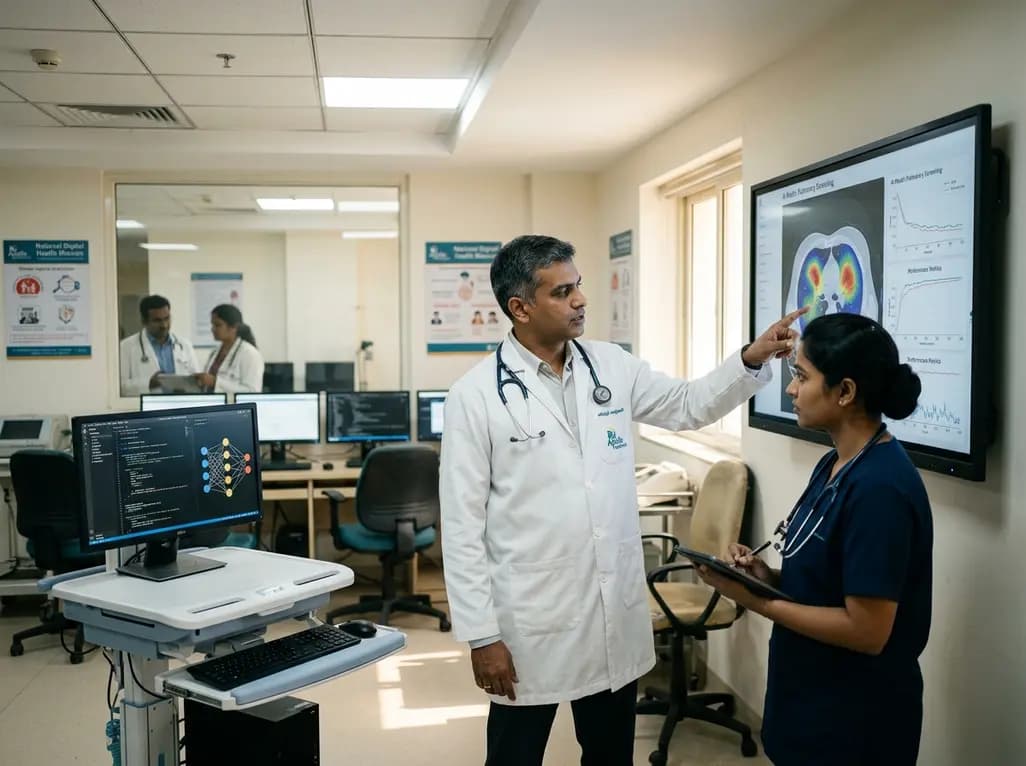
India is transitioning from being the pharmacy of the world to an emerging global hub for artificial intelligence in health. By leveraging digital public infrastructure, open-weight models, and preventive screening at scale, the nation aims to pioneer accessible, cost-effective digital clinical care.
Today
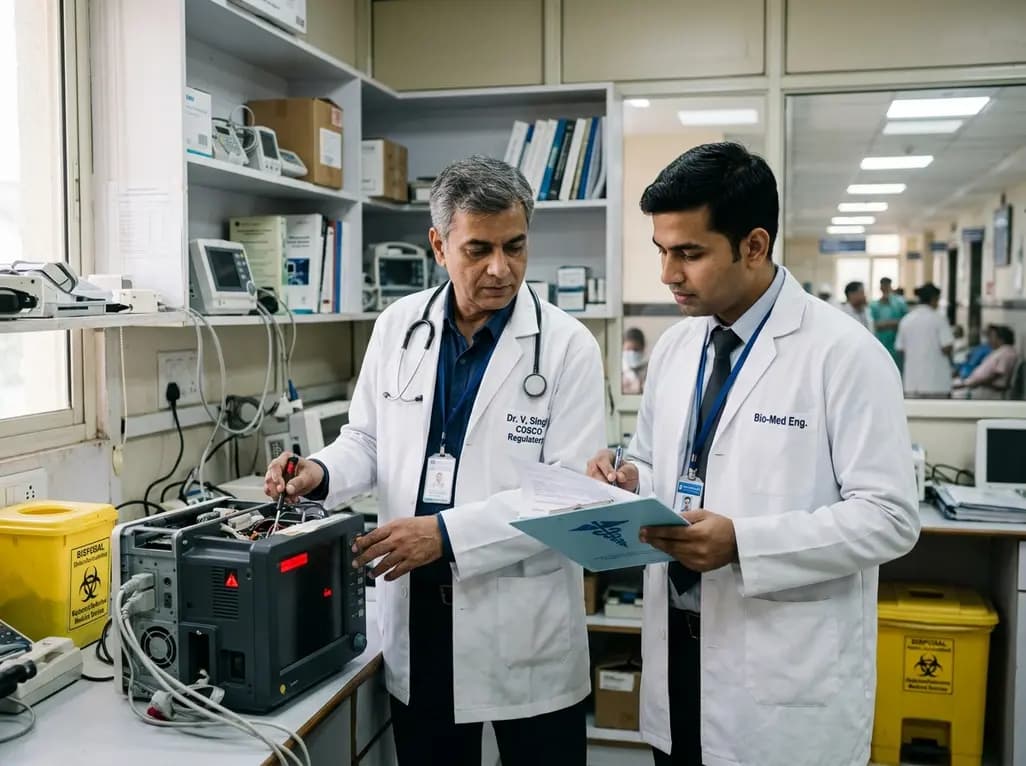
The Indian government is deliberating key amendments to Rule 30(1) of the Medical Devices Rules, 2017. Regulators including CDSCO and state licensing bodies may soon hold explicit legal authority to halt the production, distribution, and sale of substandard or spurious medical equipment and oversee rapid destruction.
Today
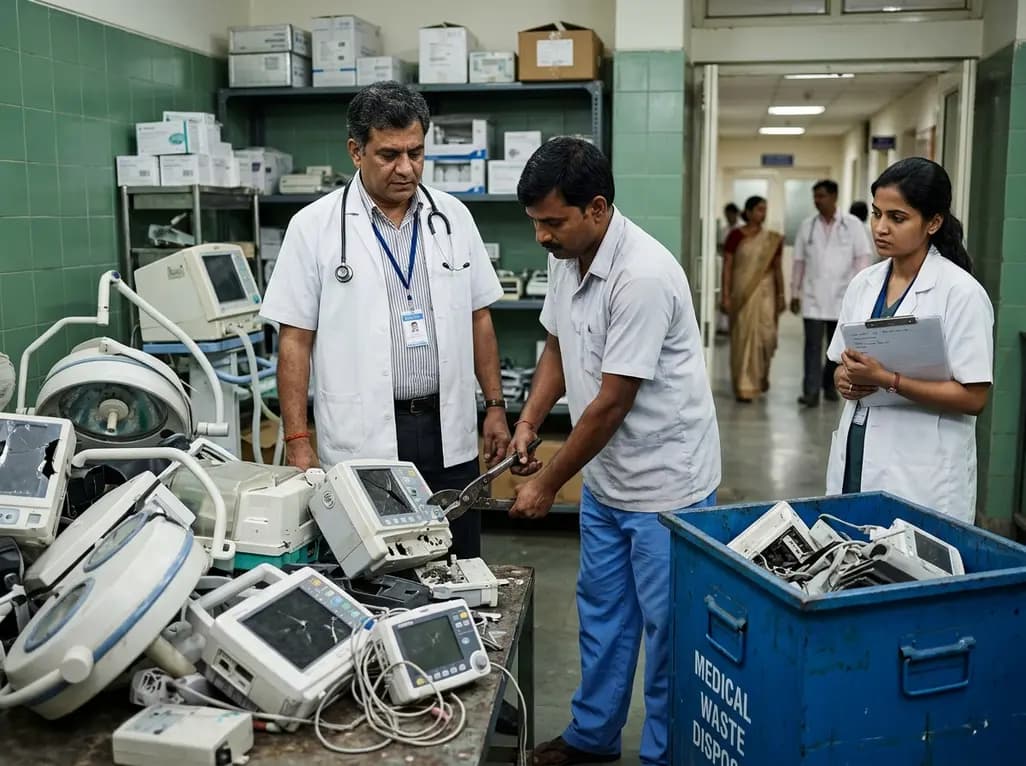
The Indian government plans to amend Rule 30(1) of the Medical Devices Rules, 2017. Regulators like CDSCO will gain explicit authority to halt the manufacture, sale, and distribution of defective or spurious equipment, ordering supervised disposal to safeguard patients across hospital and surgical settings.
Today
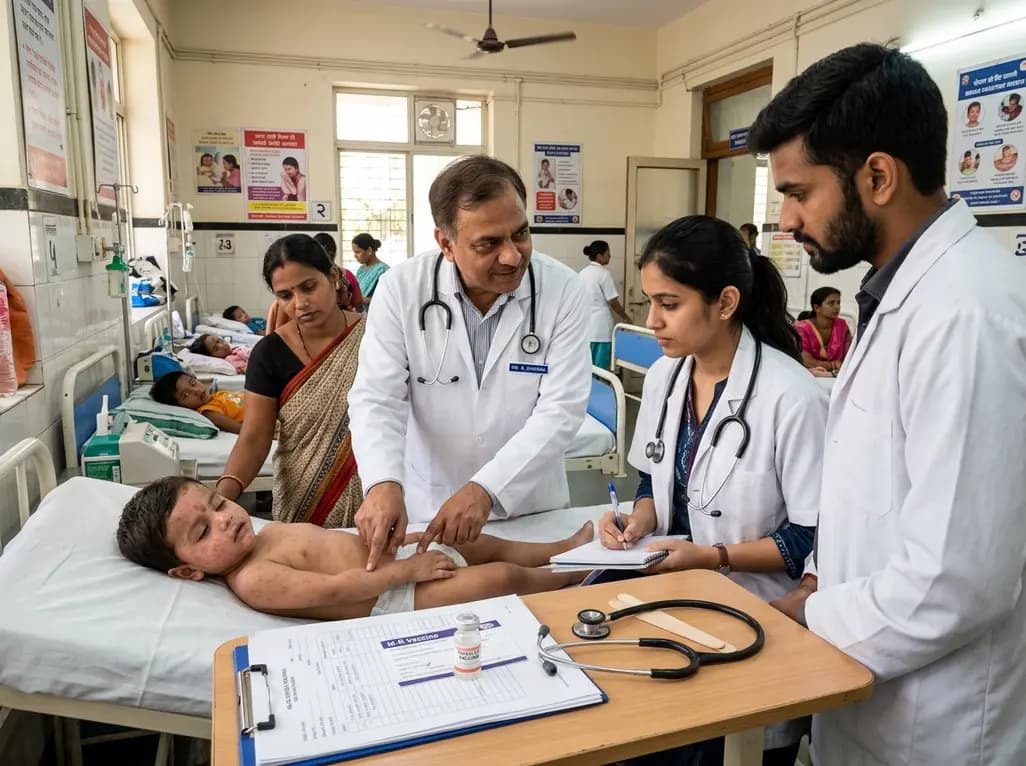
With rising measles cases highlighting immunization gaps, clinicians must stay alert to atypical presentations and severe complications. This guide examines transmission dynamics, diagnostic clues, high-risk patient groups, and evidence-based vaccination protocols to protect vulnerable communities.
Today
