.webp&w=384&q=75)

Loading, please wait...
Loading, please wait...
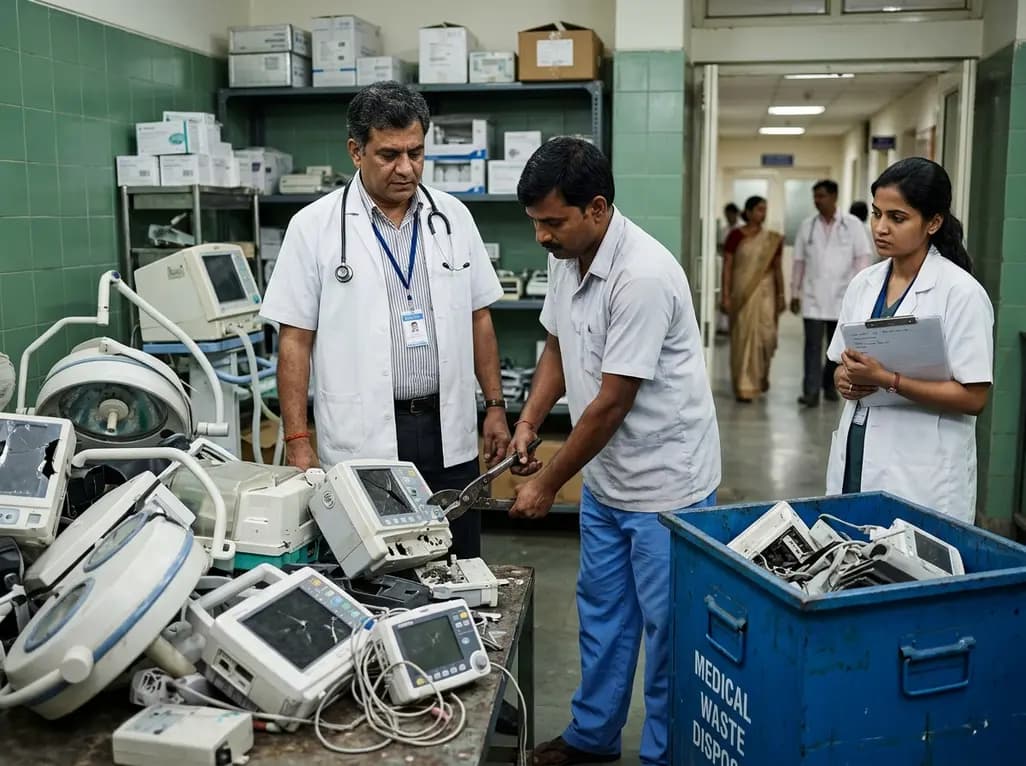
The Indian healthcare landscape relies heavily on modern diagnostic and therapeutic equipment. Consequently, medical device safety forms the bedrock of dependable clinical outcomes across operating theaters, intensive care units, and outpatient clinics. Recently, the central government initiated steps to overhaul existing oversight mechanisms governing faulty clinical products. Specifically, the authorities plan to amend Rule 30(1) of the Medical Devices Rules, 2017. This crucial reform empowers drug regulators to immediately stop the manufacture, sale, and distribution of substandard or spurious hardware. Furthermore, the draft measures authorize the formal destruction of compromised inventories under strict administrative supervision. For practicing clinicians, these regulatory changes represent a substantial leap toward safeguarding patient welfare against unsafe health technologies.
Currently, licensing authorities operate under the statutory boundaries of the Drugs and Cosmetics Act, 1940 and the Medical Devices Rules, 2017. Under the prevailing framework, state and central authorities can suspend or cancel an operating licence when an entity violates legal norms. However, the existing legal clauses lack explicit instructions for immediate product-level intervention. Regulators often encounter procedural hurdles when attempting to halt product flows immediately without cancelling an entire site license. Furthermore, current rules do not provide an unambiguous mandate to seize and destroy hazardous items lingering in the commercial supply chain. Consequently, substandard hardware or diagnostic kits could remain in distributor channels during protracted legal proceedings. State licensing authorities and the Central Drugs Standard Control Organisation (CDSCO) identified this operational limitation during market vigilance activities. Therefore, the Drugs Consultative Committee received a targeted proposal to amend Rule 30(1). This regulatory amendment aims to bridge the enforcement gap by granting targeted cease-and-desist powers. As a result, inspectors can isolate specific dangerous batches without delaying public safety interventions. Moreover, the proposed statutory changes remove legal ambiguity from emergency market actions across all Indian states.
The proposed draft introduces decisive enforcement pathways for both central and state regulatory bodies. Specifically, the updated Rule 30(1) will empower licensing authorities to issue direct cessation orders to manufacturers and distributors. Once an authority detects a defective, spurious, or adulterated item, it can immediately order an immediate halt to manufacturing operations. In addition, the regulator can prohibit downstream commercial sale, marketing, and hospital distribution with prompt effect. Regulators previously had to justify device recalls through broader penal clauses that invited administrative challenges. In contrast, the upcoming rules grant clear statutory backing for immediate administrative containment. Additionally, the amendment establishes strict legal protocols for physical device destruction. Regulators can mandate the supervised destruction of compromised products following prescribed scientific methods. This process prevents illicit re-entry of recalled devices into tertiary care hospitals or rural medical facilities. Furthermore, supervised disposal demands thorough regulatory documentation, creating a verifiable audit trail from confiscation to incineration. Hence, manufacturers and supply partners must maintain complete traceability for every batch released into the marketplace. Ultimately, these measures guarantee that defective medical inventory exits the clinical ecosystem permanently.
Modern clinical practice depends heavily on high-risk medical hardware, ranging from cardiac stents to orthopedic prosthetic implants. Therefore, optimizing medical device safety directly determines procedural success rates and patient survival across acute care facilities. When an implantable device or critical care consumable fails, the consequences can prove catastrophic for vulnerable patients. For instance, defective vascular catheters or structural surgical sutures can induce sepsis, severe hemorrhage, or mechanical organ trauma. Similarly, faulty infusion pumps or inaccurate laboratory diagnostic assays lead to toxic medication overdoses or missed critical diagnoses. In such scenarios, clinicians face severe diagnostic dilemmas and heightened medical liability through no fault of their own. The proposed regulatory amendments offer hospital clinicians vital institutional reassurance. By swiftly removing suspicious batches from the market, regulators eliminate hazardous variables before products reach the operating theater. Furthermore, rigorous disposal rules prevent unscrupulous third-party vendors from repacking discarded hospital stock. Consequently, surgeons and intensivists can utilize verified medical equipment with elevated diagnostic and therapeutic confidence. This decisive framework strengthens quality standards across public and private Indian healthcare sectors.
The illicit trade of counterfeit and substandard medical goods poses an ongoing challenge to international and domestic healthcare delivery. Spurious surgical consumables, expired diagnostic reagents, and uncalibrated electronic monitors threaten patient care every day. Previously, non-compliant manufacturers exploited procedural delays to liquidate compromised stock through grey channels or secondary distributors. However, the proposed changes to Rule 30(1) close these commercial loopholes through mandatory destruction orders. Regulators will supervise the permanent destruction of flagged products, preventing unauthorized repackaging and deceptive relabeling. In addition, this initiative complements existing post-market surveillance mechanisms like the Materiovigilance Programme of India. When clinical centers report adverse device events, enforcement officers can rapidly execute targeted recall instructions nationwide. Accordingly, hospital procurement committees will experience fewer encounters with compromised suppliers offering discounted substandard merchandise. Moreover, domestic manufacturers will align their fabrication workflows with global quality benchmarks to avoid regulatory shutdown. Thus, stricter administrative oversight elevates manufacturing standards across the expanding Indian medical technology industry. Consequently, the entire healthcare ecosystem benefits from increased transparency and improved supply chain integrity. Healthcare administrators can establish reliable partnerships with certified vendors who adhere strictly to safety mandates. Patients ultimately receive safer therapeutic interventions and durable medical implants.
The impending statutory changes carry practical implications for hospital administrators, biomedical engineers, and department heads. Healthcare institutions must recalibrate their internal inventory management to align with dynamic regulatory alerts. Specifically, hospital central sterile supply departments and surgical suites should maintain digital registries for batch numbers and device serials. If CDSCO issues a cessation directive against a specific brand, materials managers must immediately quarantine the suspect inventory. In contrast to past ambiguous procedures, these precise protocols empower healthcare teams to act decisively during product alerts. Furthermore, clinicians must continue reporting device breakages, unexpected biological reactions, and performance failures to the regulatory authorities. Institutional vigilance works hand-in-hand with statutory enforcement to weed out dangerous products from clinical circulation. Additionally, hospital procurement policies must require suppliers to submit verified certificates of conformance before contract finalization. Institutions should also establish structured return-and-disposal protocols aligned with state pollution control and drug regulatory norms. By creating clear accountability measures, hospitals insulate themselves against legal exposure and procedural complications. Therefore, regular clinical training on medical equipment verification remains an essential operational priority for all healthcare teams. Ultimately, strong collaboration between doctors and regulatory bodies establishes a safer treatment environment across Indian hospitals.
Q1: What specific changes does the government propose for Rule 30(1) of the Medical Devices Rules, 2017?
The government plans to amend Rule 30(1) to empower licensing authorities explicitly. Currently, authorities can only suspend or cancel licences. Under the proposed revision, both CDSCO and state regulators can directly order manufacturers and distributors to stop the production, marketing, and distribution of unsafe, defective, or spurious medical equipment. Additionally, the new provision legally authorizes regulators to oversee the mandatory destruction of compromised stocks to prevent recirculating unsafe batches.
Q2: Why is supervised destruction of substandard medical devices necessary under the new draft rules?
Supervised destruction guarantees that defective or substandard devices exit the commercial supply chain permanently. Previously, regulators faced administrative hurdles because existing rules lacked clear disposal mechanisms. Consequently, compromised items could be relabeled, diverted to secondary markets, or resold to unsuspecting clinical facilities. Regulatory supervision provides documented oversight, ensures compliant bio-waste handling, and establishes verifiable audit trails. This decisive intervention protects clinical patients from exposure to hazardous surgical consumables, diagnostic kits, and therapeutic hardware.
Q3: How do these proposed regulatory amendments affect hospital clinicians and biomedical procurement teams?
These amendments directly support clinicians by ensuring higher safety standards for diagnostic, surgical, and implantable equipment. When regulators issue cessation or destruction orders, hospitals can quarantine suspect devices without legal uncertainty. Furthermore, procurement teams gain statutory protection against substandard vendors and counterfeit equipment suppliers. Clinicians can perform complex interventions with greater confidence, knowing that flawed batches face prompt removal. Ultimately, active materiovigilance reporting by healthcare professionals helps authorities identify hazardous hardware and enforce swift product destruction.
Disclaimer: This content is for informational and educational purposes only. It does not constitute medical advice or replace professional judgment. Refer to the latest local and national guidelines for clinical practice.
References

Read summarized clinical updates, watch expert medical content, and earn CME certifications right from your smartphone.
Open your smartphone camera to scan and install.





The Indian government plans to amend Rule 30(1) of the Medical Devices Rules, 2017. Regulators like CDSCO will gain explicit authority to halt the manufacture, sale, and distribution of defective or spurious equipment, ordering supervised disposal to safeguard patients across hospital and surgical settings.
Today
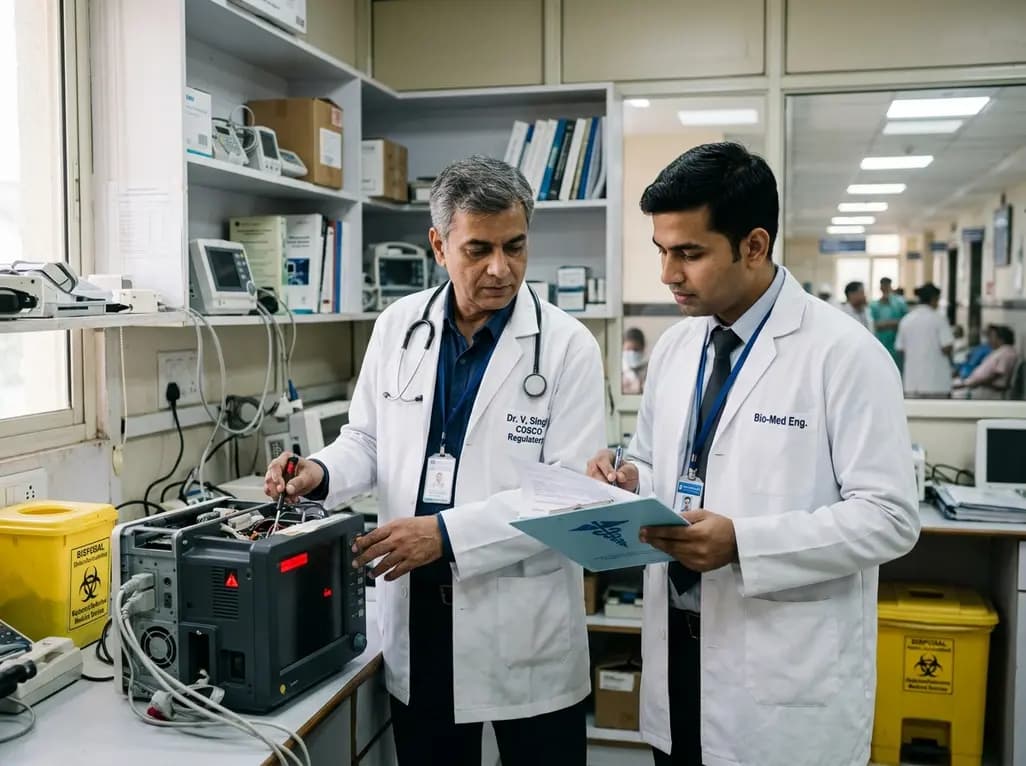
The Indian government is deliberating key amendments to Rule 30(1) of the Medical Devices Rules, 2017. Regulators including CDSCO and state licensing bodies may soon hold explicit legal authority to halt the production, distribution, and sale of substandard or spurious medical equipment and oversee rapid destruction.
Today

With rising measles cases highlighting immunization gaps, clinicians must stay alert to atypical presentations and severe complications. This guide examines transmission dynamics, diagnostic clues, high-risk patient groups, and evidence-based vaccination protocols to protect vulnerable communities.
Today

Large-scale UK Biobank data reveals that persistent systemic inflammation driven by chronic psychosocial stress and adverse lifestyles silently induces myocardial remodeling. Patients exhibit thicker walls and reduced chamber volumes years before overt heart disease, demanding earlier biomarker-driven prevention.
Today
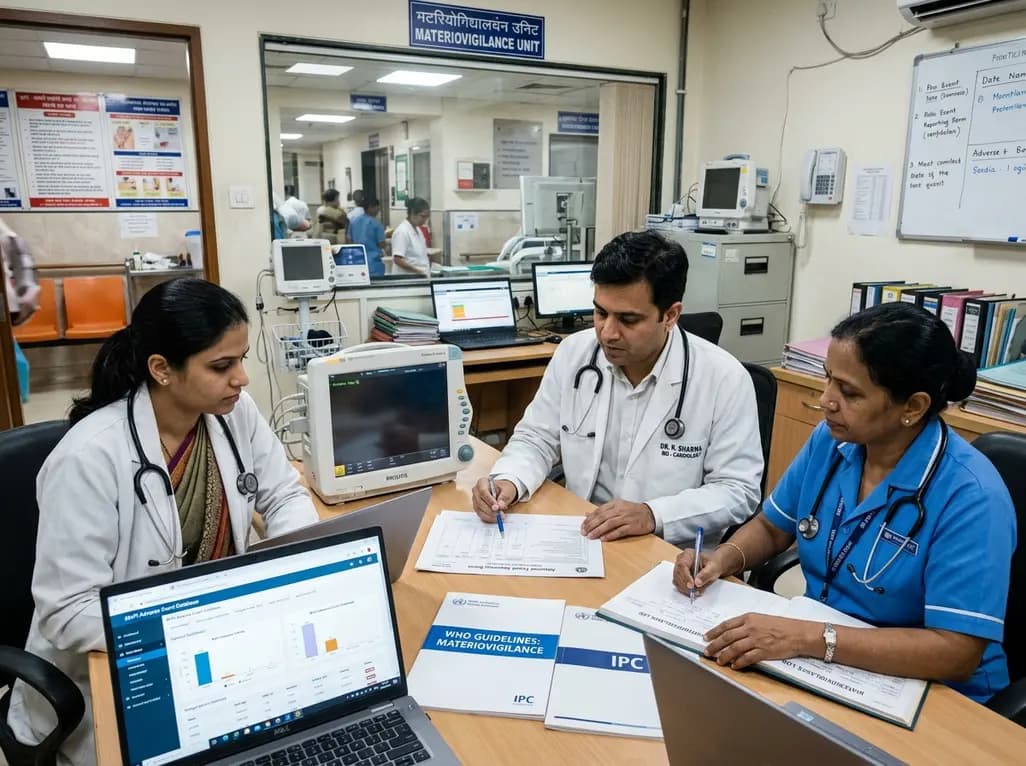
The Indian Pharmacopoeia Commission and WHO India have released Version 1.3 guidelines for hospital materiovigilance. Healthcare facilities across primary, secondary, and tertiary levels must establish adverse event monitoring centres, conduct active surveillance on critical equipment, and observe strict timelines.
Today
