.webp&w=384&q=75)

Loading, please wait...
Loading, please wait...
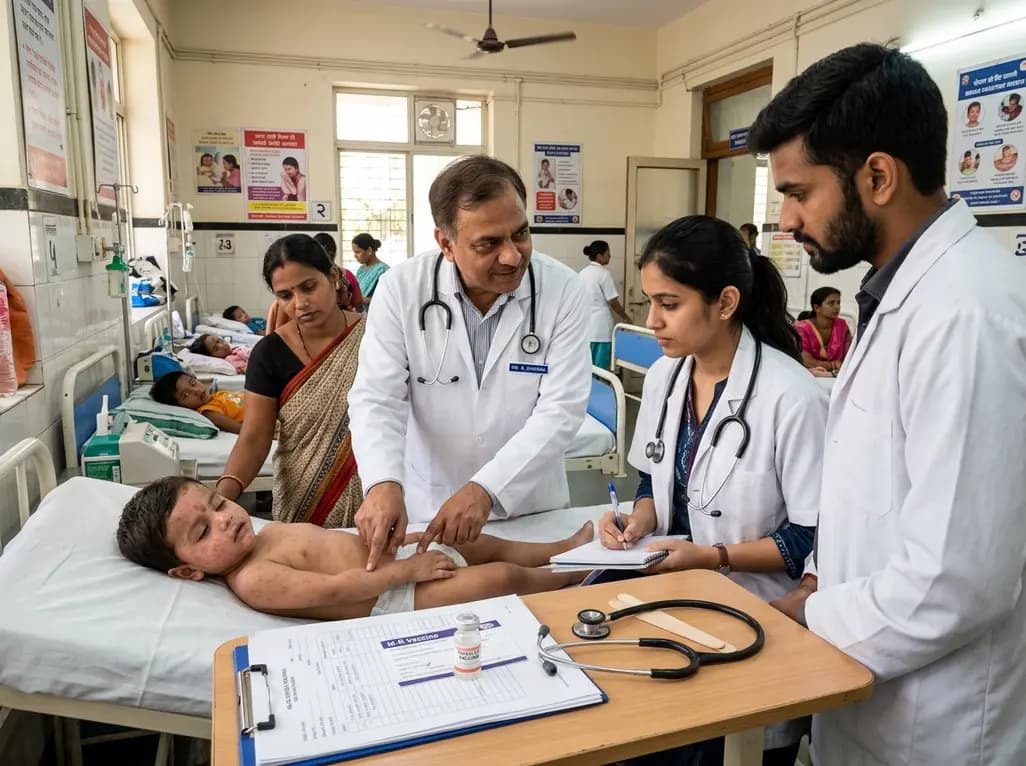
Recent public health data demonstrates an alarming surge in rubeola cases across multiple communities. A growing measles outbreak has intensified concerns among healthcare providers, highlighting persistent gaps in routine childhood immunization. Consequently, clinicians must maintain heightened diagnostic suspicion when evaluating patients presenting with febrile exanthemata. Measles spreads rapidly through respiratory droplets, challenging infection control measures in ambulatory and inpatient settings. Therefore, medical professionals must understand current transmission dynamics, recognize subtle early symptoms, and advocate for comprehensive population-level vaccination coverage.
Public health authorities continue to monitor a sharp acceleration in viral spread across regional clusters. Notably, the ongoing measles outbreak demonstrates how quickly rubeola circulates within undervaccinated pockets. Recent surveillance data shows rising numbers of hospitalized individuals, underscoring the severity of this resurgence. Unvaccinated individuals face the highest risk of acquiring infection and experiencing debilitating clinical consequences. Furthermore, delayed identification often fuels secondary transmission in household and educational environments. In addition, health systems face logistical burdens as contact tracing teams strive to contain exposure chains. Therefore, infectious disease specialists emphasize early notification to public health departments whenever clinical suspicion arises. Health agencies also note that travel-associated importations frequently trigger local outbreaks. Consequently, clinicians should obtain thorough travel and immunization histories for all pediatric and adult patients. As community spread accelerates, medical facilities must reinforce strict triage protocols at entry points. Moreover, healthcare institutions should confirm immunity status for all frontline medical personnel. Such proactive measures help limit nosocomial exposures and safeguard vulnerable clinical environments. Ultimately, swift epidemiological reporting and vigilant surveillance remain our strongest defenses against expanding viral clusters.
The measles virus belongs to the genus Morbillivirus within the Paramyxoviridae family. Pathogens enter host tissue primarily through the respiratory tract or the conjunctivae. Subsequently, the virus replicates locally in mucosal membranes and regional lymphoid structures before disseminating systemically. Measles exhibits exceptional infectivity, boasting a basic reproduction number between twelve and eighteen in susceptible populations. Indeed, an infected person can spread infectious viral particles simply by coughing, sneezing, or speaking. Furthermore, infectious aerosols remain suspended in ambient air for up to two hours after a patient departs. Consequently, non-immune individuals can acquire infection without ever sharing direct physical contact with the primary host. Cellular entry relies on specific surface receptors, predominantly CD150 on lymphocytes and nectin-4 on epithelial cells. Through these receptors, the virus infects macrophages and dendritic cells, causing temporary profound immunosuppression. In fact, measles damages immune memory cells, leaving patients susceptible to opportunistic pathogens for months afterward. Therefore, healthcare clinics must enforce airborne precautions and negative-pressure isolation whenever evaluating febrile individuals with respiratory complaints. Clinicians must remember that contagious viral shedding begins four days prior to visible exanthem appearance.
Accurate clinical diagnosis requires early detection during the prodromal phase of illness. Typically, symptoms appear ten to twelve days following viral exposure. Patients initially experience high fever accompanied by the classic triad of cough, coryza, and conjunctivitis. Additionally, photophobia often heralds worsening ocular inflammation in young children. During this phase, observant physicians may identify pathognomonic Koplik spots on buccal mucosa. These lesions resemble small grains of sand surrounded by erythematous haloes. However, Koplik spots often disappear rapidly before the cutaneous eruption reaches peak intensity. Approximately fourteen days post-exposure, a characteristic erythematous, maculopapular rash emerges near the hairline and forehead. The exanthem subsequently spreads centrifugally to involve the neck, trunk, and peripheral extremities. As the rash progresses, lesions frequently coalesce into confluent patches on the torso. Meanwhile, fever often spikes to alarming levels exceeding forty degrees Celsius. In contrast, the rash begins fading after several days, leaving transient fine desquamation and brownish hyperpigmentation. Clinicians should confirm suspected cases using real-time reverse transcription polymerase chain reaction and serum IgM assays. Early identification helps providers institute proper infection control protocols without unnecessary delay.
While many patients experience self-limiting illness, measles can trigger devastating systemic complications. Severe pneumonia represents the most common cause of measles-related mortality in young children. Furthermore, secondary bacterial superinfections frequently cause acute otitis media, sinusitis, and severe tracheobronchitis. Neurological sequelae also demand urgent clinical vigilance. Acute disseminated encephalomyelitis can occur during the convalescent stage, causing motor deficits and convulsions. In addition, subacute sclerosing panencephalitis presents as an insidious, fatal neurodegenerative complication years after the primary infection. Certain patient demographics bear disproportionate vulnerability to severe outcomes. Specifically, infants younger than twelve months, pregnant women, and immunocompromised individuals face elevated mortality rates. In pregnant women, measles infection markedly increases risks of spontaneous abortion, preterm delivery, and low birth weight. Therefore, supportive clinical care remains paramount because no specific antiviral agent holds official approval. Clinicians must prescribe therapeutic vitamin A doses to all pediatric patients upon diagnosis. Indeed, World Health Organization guidelines emphasize that vitamin A supplementation significantly reduces ocular damage and overall mortality. Careful fluid balance and nutritional support also prevent catastrophic clinical decline in hospitalized patients. Accordingly, physicians should monitor high-risk patients closely for early signs of respiratory distress or altered mental status.
Vaccination serves as the cornerstone of measles control and community protection. The live attenuated measles, mumps, and rubella vaccine delivers outstanding long-term efficacy. Administering the initial dose at twelve to fifteen months produces seroconversion in approximately ninety-five percent of recipients. Subsequently, the second dose at four to six years elevates protective efficacy beyond ninety-seven percent. However, maintaining herd immunity requires achieving at least ninety-five percent population coverage. When local coverage drops below this threshold, viral transmission chains readily ignite within schools and neighborhoods. Furthermore, clinicians can utilize post-exposure prophylaxis to protect exposed susceptible individuals. Administering the vaccine within seventy-two hours of exposure provides effective defense for healthy contacts. Alternatively, clinicians should provide intramuscular immunoglobulin within six days to pregnant women and infants under six months. In addition, healthcare providers play a decisive role in addressing vaccine hesitancy through compassionate, science-based discussions. Doctors should explain that rigorous clinical evidence consistently refutes discredited associations with chronic conditions. Thus, active community outreach and timely immunization remain our most powerful tools to eliminate preventable viral outbreaks globally. Ultimately, persistent physician advocacy and patient education ensure that vulnerable populations maintain robust immunological defense.
Q1: What early clinical signs should raise suspicion of measles during a community outbreak?
Clinicians should suspect measles when evaluating febrile patients who exhibit the classic prodromal triad of cough, coryza, and conjunctivitis. Additionally, providers should inspect the oral cavity for pathognomonic Koplik spots, which present as tiny bluish-white papules on an erythematous buccal mucosa. Furthermore, the emergence of a descending maculopapular rash starting at the hairline reinforces diagnostic suspicion. Prompt airborne isolation and rapid diagnostic testing should follow immediately whenever these classic symptoms present.
Q2: How effective is the MMR vaccine, and what schedule provides maximum protection?
The live attenuated MMR vaccine provides exceptional protection against measles. A single dose administered between twelve and fifteen months of age achieves roughly ninety-five percent seroconversion. Moreover, receiving the recommended second dose between four and six years increases efficacy to ninety-seven percent. Consequently, completion of the full two-dose regimen confers lifelong protective immunity in the vast majority of individuals. High community uptake remains essential because sustaining herd immunity protects infants too young for vaccination.
Q3: What post-exposure prophylaxis options exist for unvaccinated individuals exposed to measles?
Susceptible individuals exposed to measles can receive active or passive prophylaxis depending on their medical status. Healthcare providers can administer the MMR vaccine within seventy-two hours of exposure to immunocompetent persons aged six months and older. Alternatively, clinicians should offer intramuscular immunoglobulin within six days of exposure to high-risk individuals. These vulnerable groups include infants under twelve months, pregnant women without documented immunity, and severely immunocompromised patients facing heightened risk of severe complications.
Disclaimer: This content is for informational and educational purposes only. It does not constitute medical advice or replace professional judgment. Refer to the latest local and national guidelines for clinical practice.
References

Read summarized clinical updates, watch expert medical content, and earn CME certifications right from your smartphone.
Open your smartphone camera to scan and install.





With rising measles cases highlighting immunization gaps, clinicians must stay alert to atypical presentations and severe complications. This guide examines transmission dynamics, diagnostic clues, high-risk patient groups, and evidence-based vaccination protocols to protect vulnerable communities.
Today

The Indian government is deliberating key amendments to Rule 30(1) of the Medical Devices Rules, 2017. Regulators including CDSCO and state licensing bodies may soon hold explicit legal authority to halt the production, distribution, and sale of substandard or spurious medical equipment and oversee rapid destruction.
Today
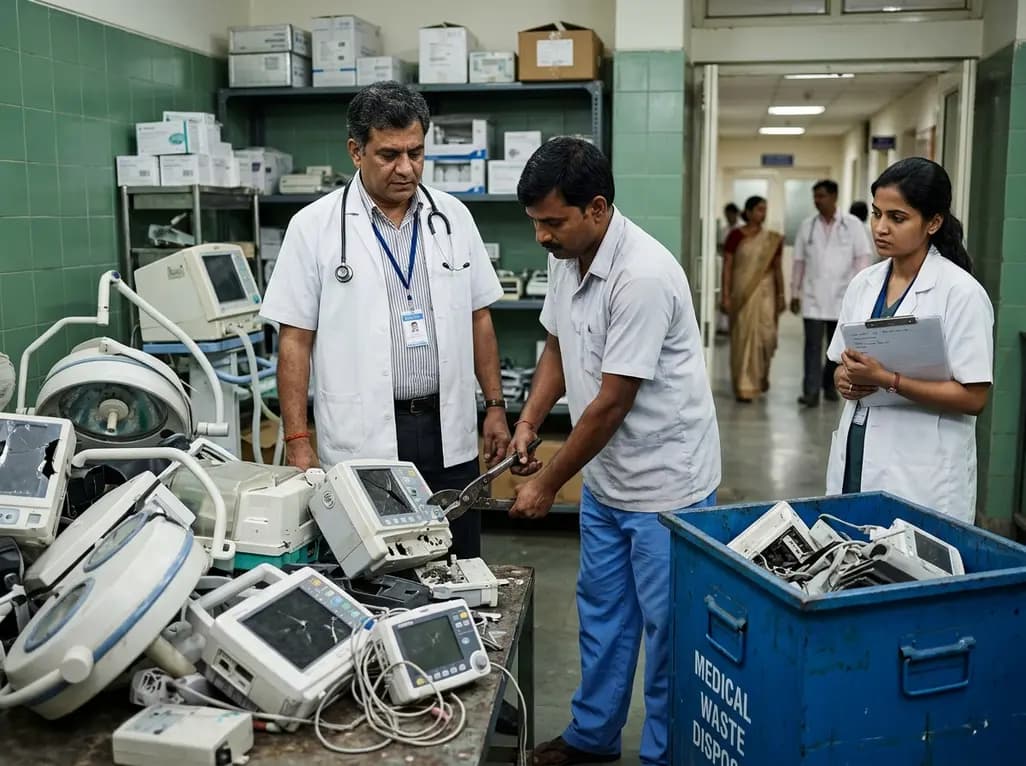
The Indian government plans to amend Rule 30(1) of the Medical Devices Rules, 2017. Regulators like CDSCO will gain explicit authority to halt the manufacture, sale, and distribution of defective or spurious equipment, ordering supervised disposal to safeguard patients across hospital and surgical settings.
Today
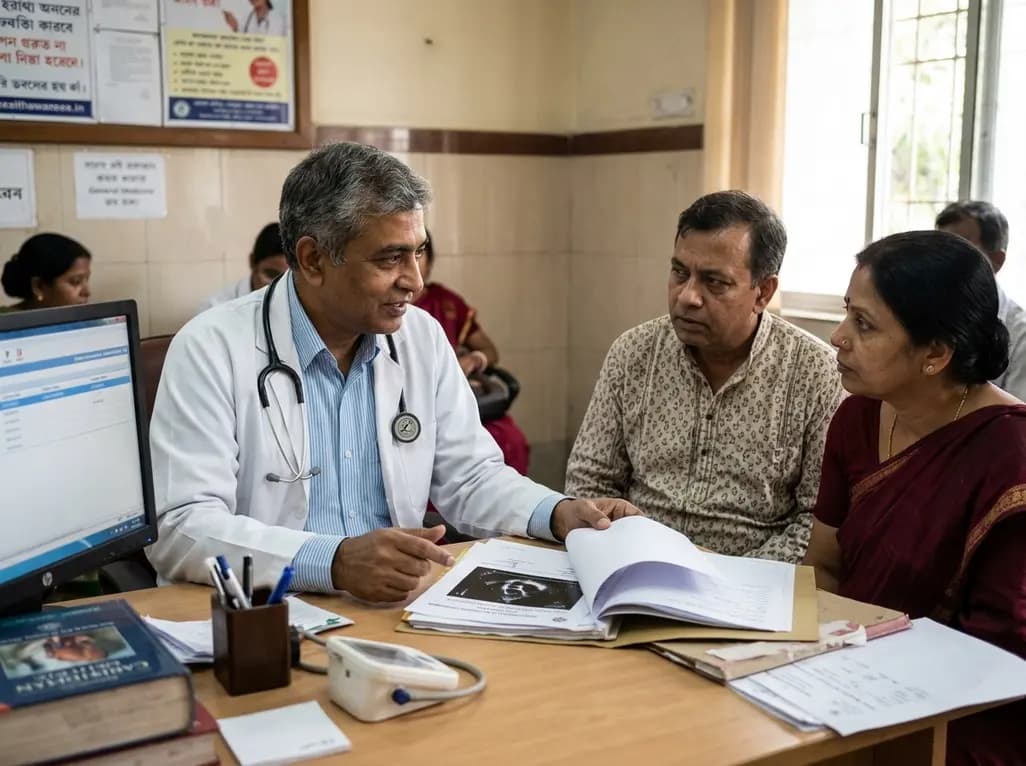
Large-scale UK Biobank data reveals that persistent systemic inflammation driven by chronic psychosocial stress and adverse lifestyles silently induces myocardial remodeling. Patients exhibit thicker walls and reduced chamber volumes years before overt heart disease, demanding earlier biomarker-driven prevention.
Today

The Indian Pharmacopoeia Commission and WHO India have released Version 1.3 guidelines for hospital materiovigilance. Healthcare facilities across primary, secondary, and tertiary levels must establish adverse event monitoring centres, conduct active surveillance on critical equipment, and observe strict timelines.
Today
