.webp&w=384&q=75)

Loading, please wait...
Loading, please wait...

AI cell modeling represents a massive leap in modern medical technology. Mark Zuckerberg and Priscilla Chan recently committed $500 million to their Virtual Biology Initiative. This five-year program focuses on simulating complex biological processes at a cellular level. Consequently, researchers hope to accelerate the discovery of treatments for various diseases. Furthermore, the initiative seeks to bridge the gap between advanced computer science and fundamental biology.
Biohub scientists are creating digital representations of human cells to study disease. These systems analyze vast datasets to find patterns that humans might miss. Moreover, these models could simulate how cells react to specific medications. This approach would allow for research to occur outside traditional laboratory settings. Therefore, the process of drug discovery might become significantly faster and less expensive. Specifically, the initiative aims to build high-accuracy predictive models of life.
The project distributes its $500 million budget strategically across several sectors. About $100 million supports external research and global collaborations. The remaining $400 million funds the development of internal imaging tools and molecular devices. Additionally, partners like the Broad Institute and the Human Cell Atlas are joining this quest. Such collaboration ensures that the data used for AI training is diverse and high-quality. Similarly, Nvidia provides the computing infrastructure needed for these massive datasets.
Creating reliable AI systems for biology requires massive amounts of high-resolution data. To tackle this, Biohub is investing in advanced imaging technologies. These include methods capable of observing cells at near-atomic resolution. Furthermore, they are tracking behavior across millions of cells simultaneously. Consequently, this effort aims to create a more complete picture of human biology. In contrast to traditional methods, AI can process this data at an unprecedented scale.
Q1: What is the primary goal of the Virtual Biology Initiative?
The initiative aims to build AI models capable of simulating cell activities. These models help scientists understand disease progression better and accelerate the discovery of new treatments.
Q2: How is the $500 million funding allocated for this project?
Biohub allocates $100 million to external global research. The other $400 million goes toward developing internal technologies like high-resolution imaging and molecular measurement devices.
Q3: Which institutions are collaborating with the Chan Zuckerberg Biohub?
Key partners include the Allen Institute, Broad Institute, Wellcome Sanger Institute, and the Human Cell Atlas. Nvidia also provides essential high-performance computing resources.
Disclaimer: This content is for informational and educational purposes only. It does not constitute medical advice or replace professional judgment. Refer to the latest local and national guidelines for clinical practice.
References

Read summarized clinical updates, watch expert medical content, and earn CME certifications right from your smartphone.
Open your smartphone camera to scan and install.





Mark Zuckerberg’s Biohub launched a $500M Virtual Biology Initiative using AI to model human cells, aiming to accelerate medical research and disease cures....
4 months ago
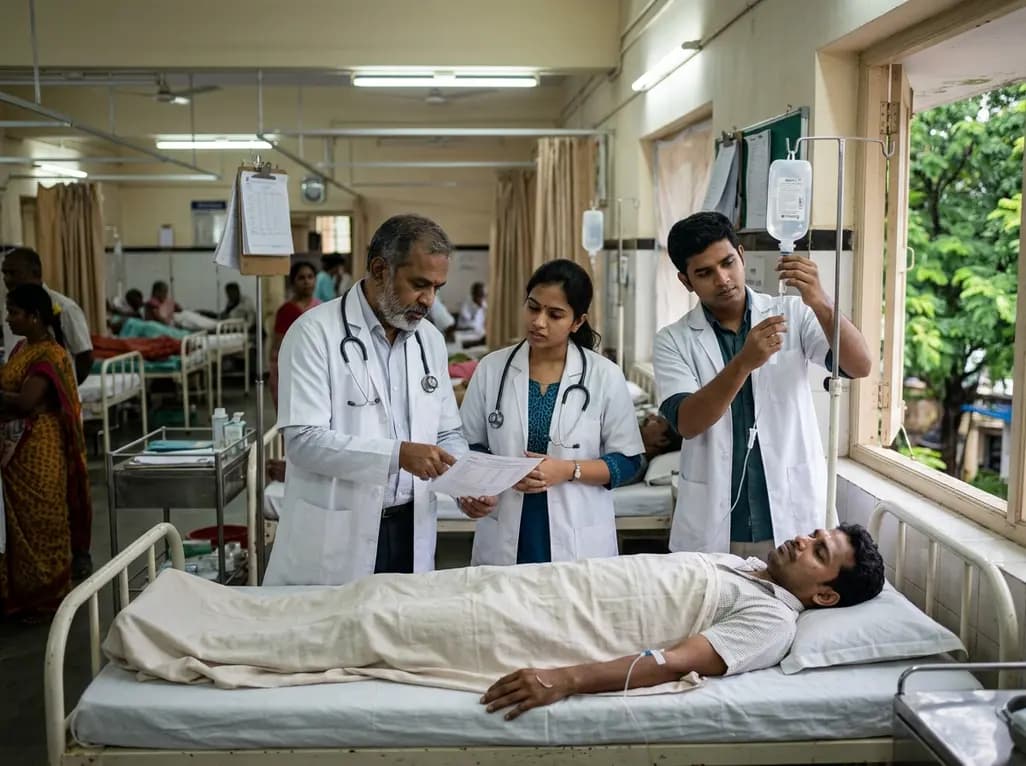
With post-monsoon dengue surges threatening South Asian health systems, physicians must refine triage and management. This guide covers vital warning signs, plasma leakage detection, crystalloid titration, and vector containment strategies to prevent mortality during seasonal arboviral epidemics.
Today
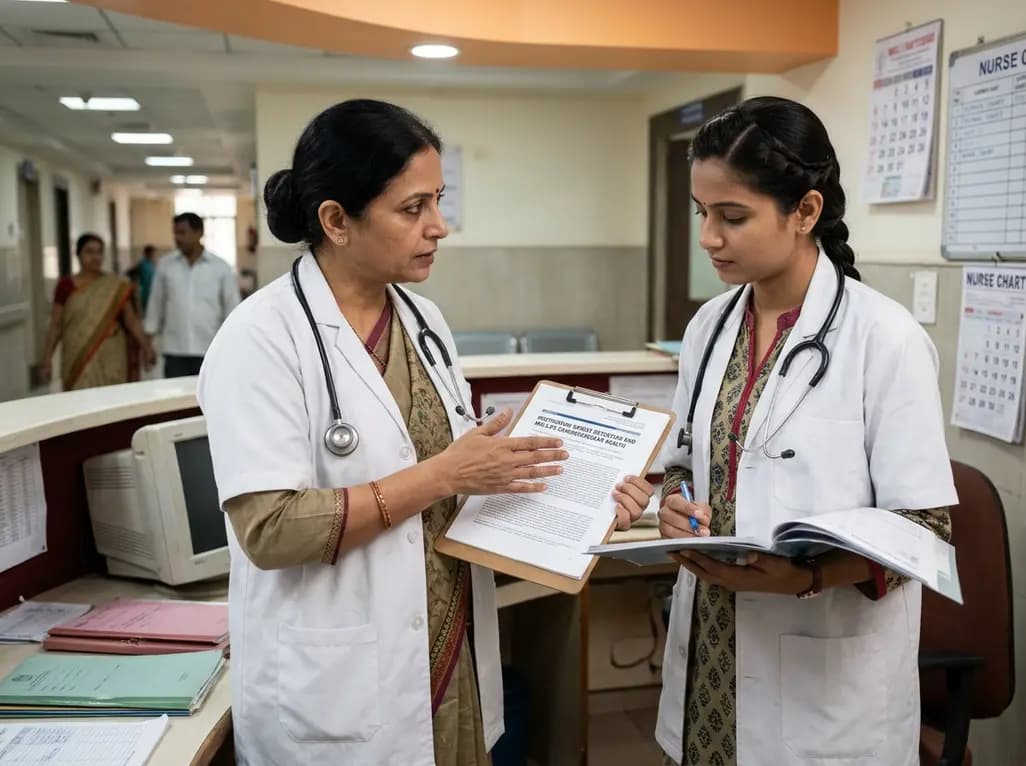
Findings from Project Viva indicate that sustained postpartum weight retention, rather than excessive gestational weight gain alone, directly worsens women's mid-life cardiovascular health, degrading blood pressure and glycemic parameters decades after delivery.
Today
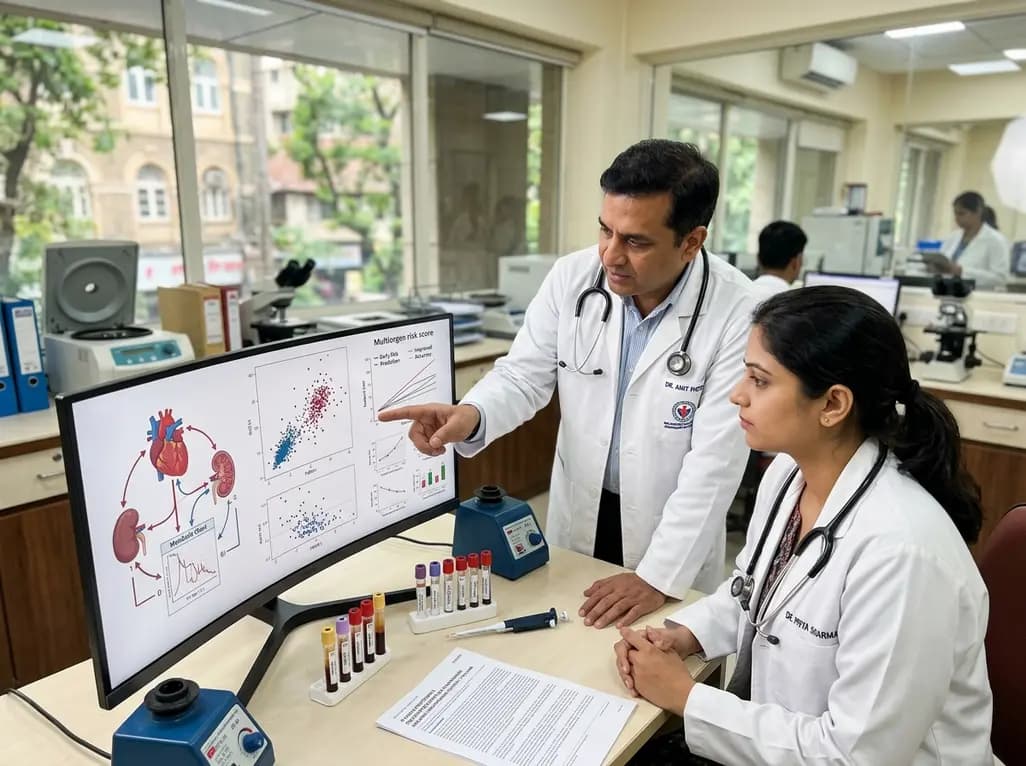
A large UK Biobank study reveals that plasma proteomic signatures capture preclinical organ damage and improve multiorgan risk prediction across early CKM syndrome stages 0 to 2 beyond traditional PREVENT clinical models.
Today
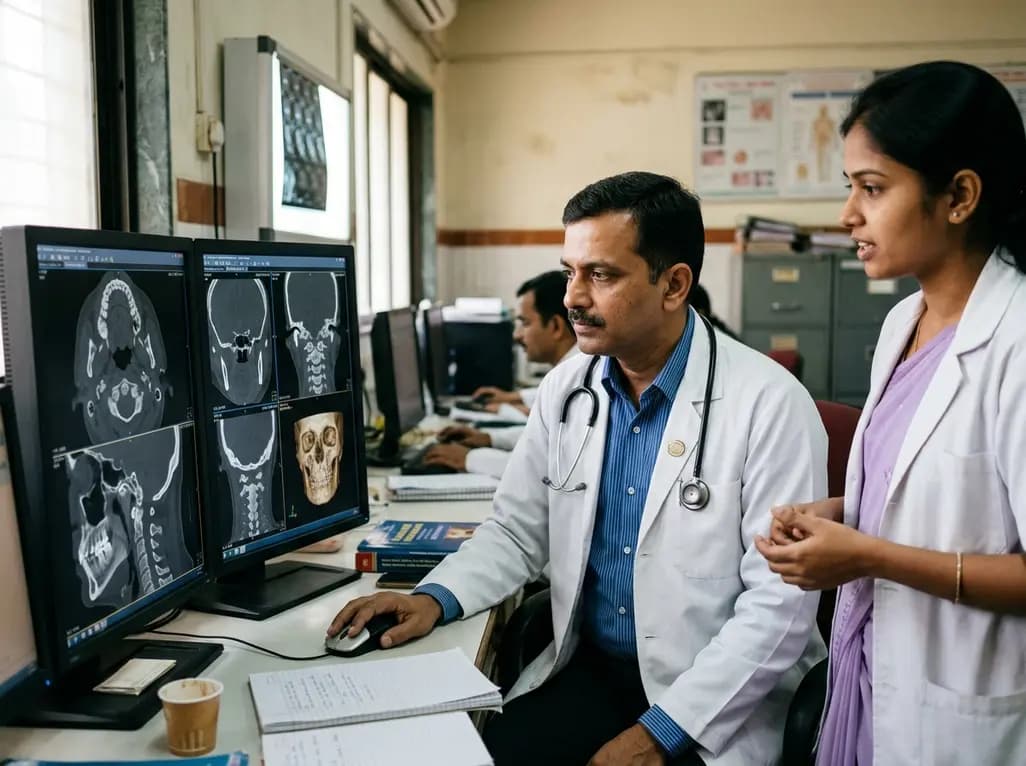
A retrospective CBCT study reveals that superior TMJ space asymmetry correlates moderately with occipital condyle-atlas-axis asymmetry in unilateral TMJ osteoarthritis, highlighting an imaging correlate between jaw biomechanics and upper cervical alignment rather than a standalone diagnostic marker.
Today
A Bayesian multilevel meta-analysis reveals that aerobic training combined with moderate carbohydrate restriction modestly lowers HbA1c in type 2 diabetes. However, sparse data and very low certainty leave incremental benefits over exercise or diet alone unproven, highlighting the need for individualized care.
Today
