.webp&w=384&q=75)

Loading, please wait...
Loading, please wait...
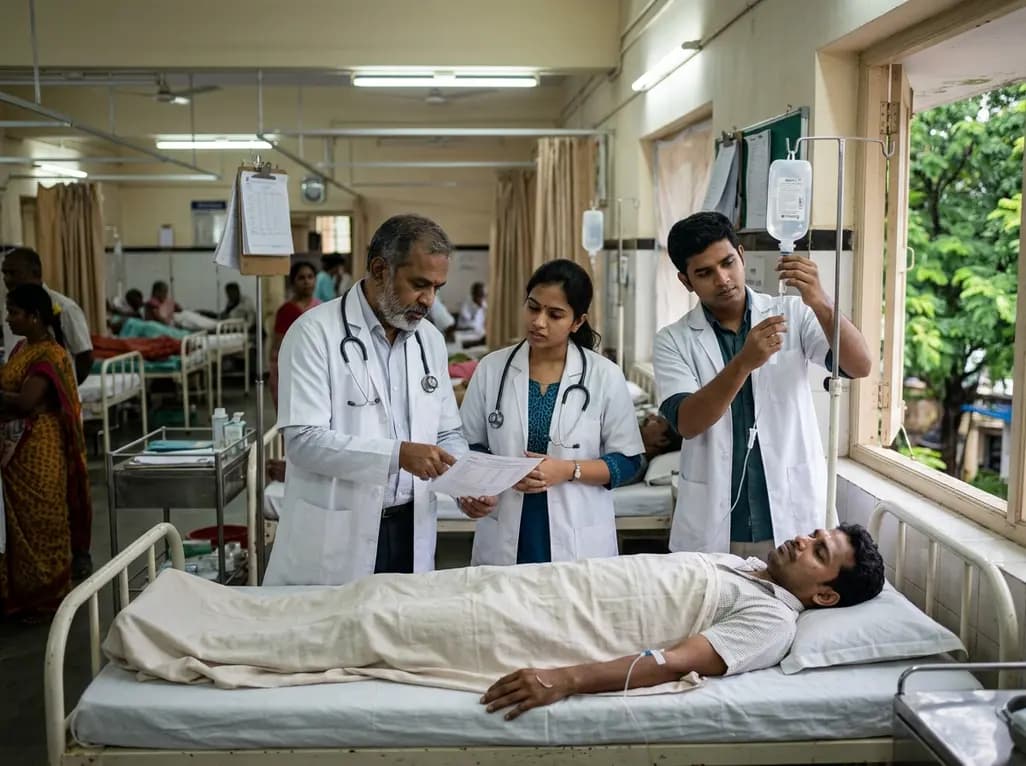
Recent surveillance data from Bangladesh reveals a steep surge in arboviral infections following heavy late-monsoon rainfall. Consequently, public healthcare systems across South Asia face severe pressure from rising bed occupancy and clinical complications. Health authorities registered thousands of hospitalizations and mounting fatalities within a single month. Furthermore, entomological models predict sustained vector activity well into autumn due to elevated ambient humidity. For healthcare providers throughout the subcontinent, effective dengue outbreak management is vital to mitigate morbidity and avoid preventable deaths. Clinicians must maintain a heightened index of suspicion during this peak transmission window.
Meteorological variables exert a direct influence on vector biology and virus transmission dynamics. Recent epidemiological studies demonstrate that precipitation, temperature fluctuations, and humidity determine the distribution of Aedes aegypti and Aedes albopictus. Specifically, persistent post-monsoon rain creates numerous artificial breeding habitats in urban and peri-urban environments. Entomologists highlight a typical lag period of four to six weeks between peak precipitation and the subsequent surge in clinical infections. Therefore, healthcare systems often encounter their highest patient volumes well after the monsoon withdraws. In addition, rapid urbanization and inadequate water storage practices provide ideal microhabitats for vector proliferation. These mosquito vectors exhibit increased biting rates and shortened extrinsic incubation periods at elevated ambient temperatures. As a result, transmission efficiency climbs significantly across densely populated communities. Clinicians practicing in endemic regions must acknowledge these climate-mediated patterns during seasonal transitions. Moreover, vector expansion into rural regions transforms what was once an urban menace into a nationwide public health challenge. Understanding these macro-level dynamics enables hospital administrators and medical teams to forecast ward surges accurately. Consequently, primary care centers must prepare contingency reserves of intravenous fluids, diagnostic kits, and trained medical personnel ahead of anticipated transmission peaks.
Systematic clinical evaluation forms the cornerstone of effective arboviral triage during seasonal epidemics. Clinicians classify dengue into three distinct consecutive phases: the febrile phase, the critical phase, and the recovery phase. Initially, patients present with high fever, retro-orbital pain, severe myalgia, and generalized arthralgia. During this early febrile period, which typically spans three to seven days, dehydration remains a primary concern. However, the most perilous stage begins around defervescence, marking the transition into the critical plasma leakage phase. This critical phase lasts approximately 24 to 48 hours and demands meticulous clinical vigilance. Therefore, physicians must stratify patients into designated risk categories during initial outpatient encounters. Group A includes stable individuals without warning signs who tolerate adequate oral hydration. In contrast, Group B encompasses patients exhibiting warning signs or high-risk comorbidities such as diabetes, pregnancy, or extreme age. Group C comprises patients suffering from severe plasma leakage, severe hemorrhage, or decompensated multiorgan impairment. Consequently, triaging protocols determine whether domiciliary care, ward admission, or intensive care resuscitation is appropriate. Systematic categorization prevents hospital overcrowding while safeguarding vulnerable patients. Furthermore, clinicians should perform serial hematocrit measurements alongside baseline platelet counts to recognize early hemoconcentration before arterial blood pressure falls.
Pathophysiological plasma leakage represents the hallmark of severe dengue syndromes. Increased capillary permeability occurs secondary to complex cytokine-driven endothelial dysfunction. Importantly, clinicians must educate patients and primary caregivers about ominous warning signs that precede hemodynamic decompensation. Key warning signs include persistent vomiting, severe abdominal pain, clinical fluid accumulation, and lethargy or restlessness. Additionally, mucosal bleeding, tender hepatomegaly greater than two centimeters, and a progressive rise in hematocrit demand immediate evaluation. As plasma leaks from the intravascular space into peritoneal and pleural cavities, circulating volume decreases rapidly. Consequently, unrecognized plasma loss culminates in dengue shock syndrome, characterized by narrowing pulse pressure and peripheral hypoperfusion. Medical practitioners should calculate pulse pressure by subtracting diastolic from systolic arterial readings. A pulse pressure of twenty millimeters of mercury or less indicates impending circulatory collapse. Thus, healthcare providers cannot rely solely on systolic blood pressure measurements in early shock. Timely recognition of vascular permeability permits early intravenous intervention before irreversible metabolic acidosis supervenes. Moreover, continuous clinical monitoring during defervescence remains far superior to isolated laboratory values. Clinicians must remember that spontaneous defervescence does not signify clinical recovery, but rather flags the onset of highest vascular vulnerability.
Judicious volume management serves as the primary life-saving modality for hospitalized dengue patients. However, aggressive fluid overload presents a hazard just as severe as under-resuscitation. For Group B patients with warning signs, clinicians should initiate isotonic crystalloids such as normal saline or Ringer lactate. Initially, the infusion rate begins at five to seven milliliters per kilogram per hour for two hours. Subsequently, physicians adjust the rate based on clinical response, targeted hematocrit levels, and hourly urinary output. If the patient improves clinically, providers taper the crystalloid regimen gradually to three to five milliliters per kilogram. Conversely, patients presenting with decompensated shock require urgent fluid boluses of ten to twenty milliliters per kilogram over thirty minutes. If shock persists despite crystalloid resuscitation, clinicians must promptly evaluate the patient for occult internal hemorrhage. In such complex scenarios, blood transfusions take precedence over excessive crystalloid administration. Furthermore, practitioners should avoid prophylactic platelet transfusions in stable patients without active hemorrhage, as scientific evidence does not support routine administration. Finally, clinicians must promptly discontinue intravenous fluids once plasma leakage resolves during the convalescent stage. Overzealous fluid continuation during convalescence frequently triggers acute pulmonary edema, especially among elderly patients with underlying cardiac compromise.
Hospital-based care alone cannot arrest a mounting vector-borne epidemic. Therefore, community engagement and targeted environmental vector control must reinforce clinical management. Outpatient clinicians bear a profound responsibility to provide clear counseling during initial patient discharges. Patients must prioritize adequate rest and consume abundant oral rehydration salts, fruit juices, or clean water. Moreover, physicians must explicitly advise against self-medication with non-steroidal anti-inflammatory drugs or aspirin. These agents significantly elevate the risk of gastrointestinal hemorrhage and acute gastritis during viral illness. Instead, doctors recommend oral paracetamol within safe therapeutic limits for fever and musculoskeletal discomfort. Concurrently, vector control teams must eliminate stagnant water collections around residential dwellings to disrupt the reproductive cycle of mosquitoes. Entomologists emphasize that thermal fogging only eradicates adult flying mosquitoes, leaving submerged larvae untouched in discarded containers. Thus, integrated vector surveillance combined with source reduction offers the most sustainable community defense. Additionally, public health infrastructure must address concurrent infectious outbreaks to avoid overwhelming primary healthcare facilities. Through coordinated action between hospital wards and community interventions, healthcare ecosystems can substantially curtail dengue mortality. Ultimately, active multisectoral cooperation between healthcare clinicians, civic authorities, and informed communities remains indispensable during seasonal arboviral crises.
Q1: Why is the period immediately following fever reduction considered the most critical in dengue infection?
The transition from the febrile phase to defervescence coincides with the peak window of systemic plasma leakage. During this critical interval, cytokine cascades increase endothelial permeability, allowing intravascular fluids to shift into interstitial spaces. Consequently, patients face an elevated risk of developing profound circulatory collapse, hemoconcentration, and severe internal hemorrhage despite the absence of elevated body temperatures. Therefore, medical teams must maintain strict vital sign monitoring during this specific 48-hour window.
Q2: Why do clinical guidelines strongly discourage prophylactic platelet transfusions for stable dengue patients?
Evidence-based international guidelines demonstrate that prophylactic platelet transfusions neither reduce major bleeding risks nor accelerate platelet recovery in hemodynamically stable individuals. Furthermore, unnecessary transfusions carry considerable clinical hazards, including fluid overload, transfusion-related acute lung injury, febrile non-hemolytic reactions, and secondary bacterial infections. Therefore, clinicians should reserve platelet or fresh frozen plasma transfusions exclusively for patients experiencing significant active mucosal or internal hemorrhage alongside severe coagulopathy.
Q3: How does changing weather, specifically post-monsoon rain, influence seasonal dengue outbreak patterns?
Post-monsoon precipitation creates widespread stagnant water pockets, providing ideal artificial breeding sites for container-breeding mosquitoes. Furthermore, elevated humidity extends mosquito survival rates, while warmer ambient temperatures shorten the viral extrinsic incubation period within the vector. Because an epidemiological lag period of four to six weeks exists between rainfall and clinical symptom emergence, transmission surges commonly peak well after the primary monsoon season concludes, creating unexpected autumn hospital strain.
Disclaimer: This content is for informational and educational purposes only. It does not constitute medical advice or replace professional judgment. Refer to the latest local and national guidelines for clinical practice.
References

Read summarized clinical updates, watch expert medical content, and earn CME certifications right from your smartphone.
Open your smartphone camera to scan and install.





With post-monsoon dengue surges threatening South Asian health systems, physicians must refine triage and management. This guide covers vital warning signs, plasma leakage detection, crystalloid titration, and vector containment strategies to prevent mortality during seasonal arboviral epidemics.
Today

Findings from Project Viva indicate that sustained postpartum weight retention, rather than excessive gestational weight gain alone, directly worsens women's mid-life cardiovascular health, degrading blood pressure and glycemic parameters decades after delivery.
Today
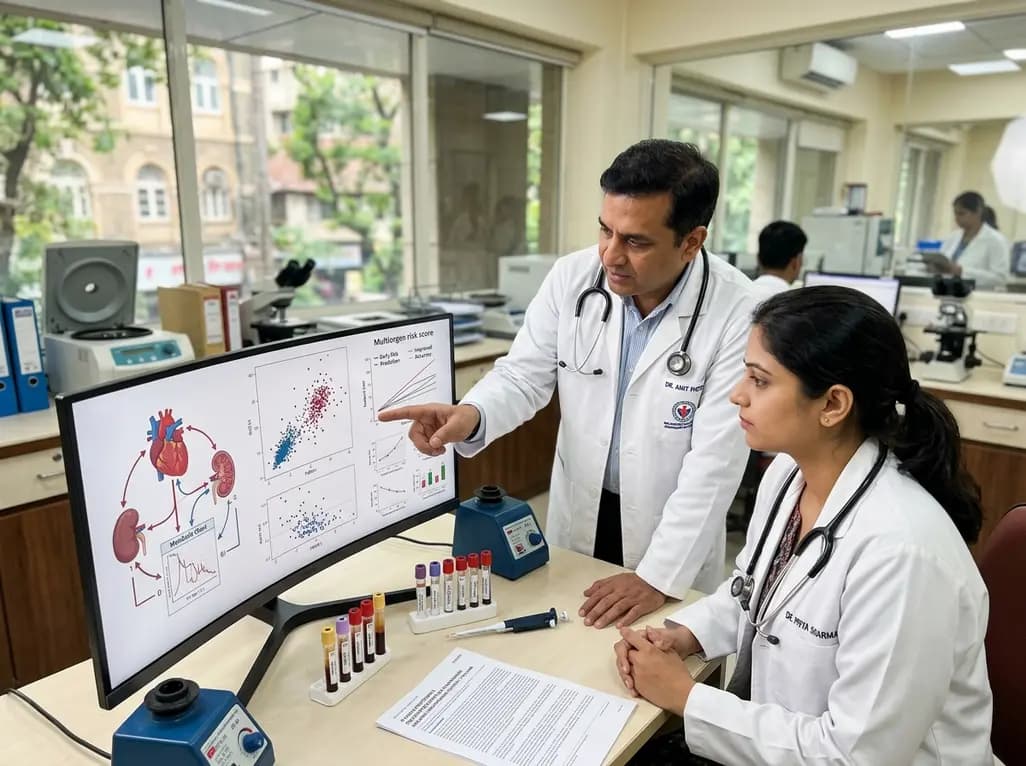
A large UK Biobank study reveals that plasma proteomic signatures capture preclinical organ damage and improve multiorgan risk prediction across early CKM syndrome stages 0 to 2 beyond traditional PREVENT clinical models.
Today

A retrospective CBCT study reveals that superior TMJ space asymmetry correlates moderately with occipital condyle-atlas-axis asymmetry in unilateral TMJ osteoarthritis, highlighting an imaging correlate between jaw biomechanics and upper cervical alignment rather than a standalone diagnostic marker.
Today
A Bayesian multilevel meta-analysis reveals that aerobic training combined with moderate carbohydrate restriction modestly lowers HbA1c in type 2 diabetes. However, sparse data and very low certainty leave incremental benefits over exercise or diet alone unproven, highlighting the need for individualized care.
Today
