.webp&w=384&q=75)

Loading, please wait...
Loading, please wait...
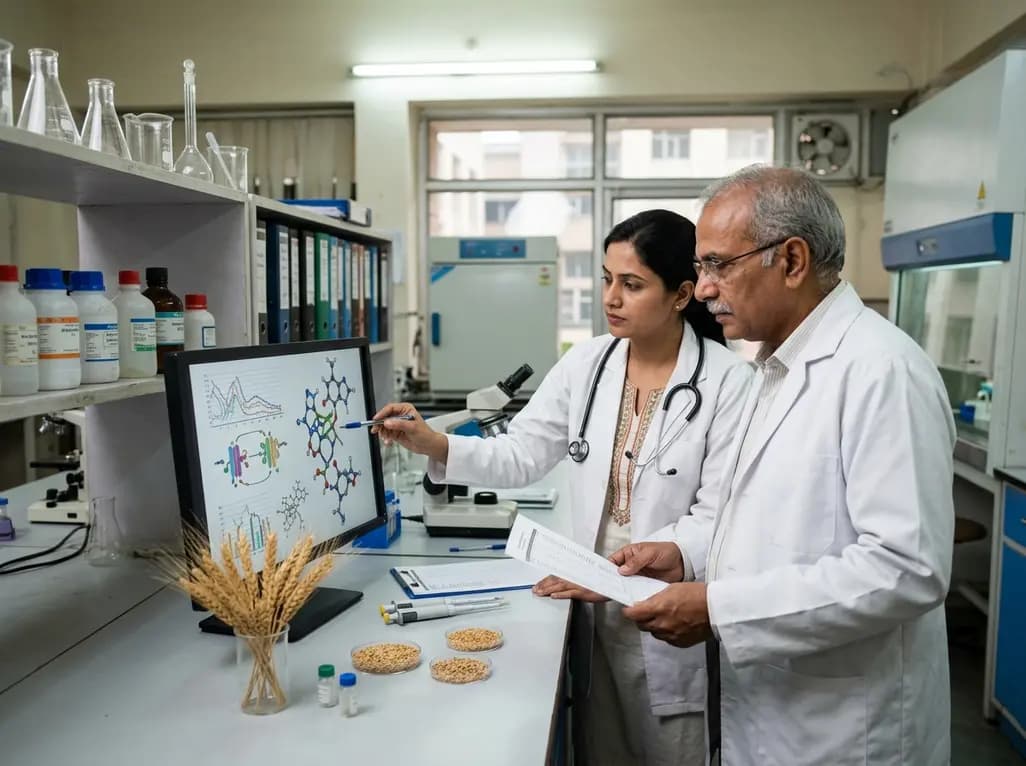
Addressing micronutrient deficiencies is a critical public health goal in many developing nations. Recent research shows how Zn-Se co-biofortification in wheat combats hidden hunger despite complex mineral interactions. A study by Li Y et al. recently investigated the antagonism occurring when farmers spray both zinc and selenium. While these elements are essential for human health, their combined application triggers a unique biological response in the plant's vascular system.
Moreover, the study found that zinc significantly decreases the amount of selenium that reaches the wheat grain. Instead, the plant sequesters the selenium within the cell walls and soluble fractions of its leaves. This compartmentalization occurs because zinc alters the expression of specific metabolic genes, namely SULTR3;4 and PHT2. Consequently, these genetic changes restrict the translocation of selenium from the leaf to the grain. However, the researchers emphasize that this antagonism does not render the strategy ineffective. Interestingly, grains produced through co-application still meet the recommended nutrient intake levels for both minerals.
Furthermore, the combined treatment enhances the grain's overall antioxidant capacity. This improvement suggests that the crop provides additional health benefits beyond basic mineral supplementation. Therefore, healthcare providers and nutritionists should recognize biofortification as a robust tool for improving population-wide health outcomes. Additionally, the study noted that returning straw to the soil poses a low ecological risk, ensuring long-term agricultural sustainability.
Zinc inhibits the movement of selenium into the grain by sequestering it in the leaf cell walls through specific transcriptional changes.
Yes, grains from co-applied crops still provide enough zinc and selenium to meet daily recommended nutrient intake (RNI) targets for humans.
The genes SULTR3;4 and PHT2 play key roles in compartmentalizing selenium within the leaves, which limits its transfer to the edible grain.
Disclaimer: This content is for informational and educational purposes only. It does not constitute professional medical advice, diagnosis, or treatment. Always seek the advice of your physician or other qualified health provider with any questions you may have regarding a medical condition. Refer to the latest local and national guidelines for clinical practice.
References
Li Y et al. Multi-Scale Mechanisms of Zn-Se Antagonism in Wheat After Spray: From Subcellular Sequestration to Transcriptional Regulation. Plant Cell Environ. 2026 Jun 07. doi: 10.1111/pce.70662. PMID: 42252491.
World Health Organization (WHO). Micronutrient deficiencies: Zinc deficiency and health impacts. 2023.
HarvestPlus. Commercialization Assessment: Zinc Wheat in India. Nutrition Connect. 2020.

Read summarized clinical updates, watch expert medical content, and earn CME certifications right from your smartphone.
Open your smartphone camera to scan and install.





Research explores how zinc-selenium co-application in wheat impacts grain nutrients and the genetic mechanisms behind mineral antagonism in biofortified cro...
4 months ago
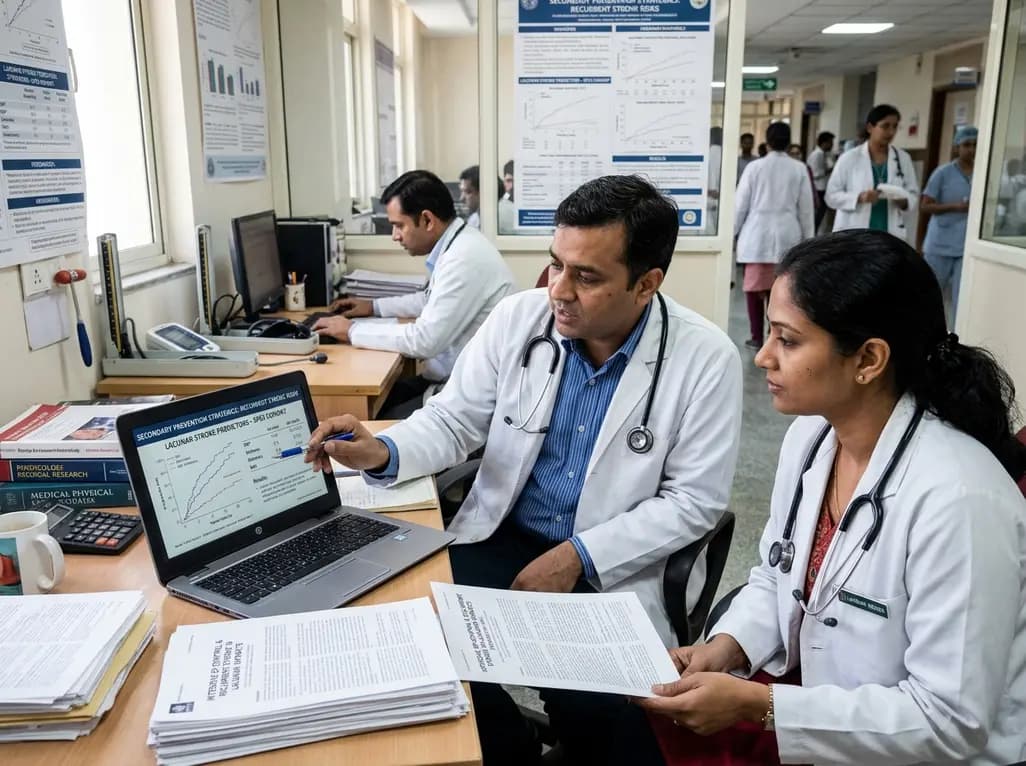
Explore vital recurrent stroke predictors in lacunar stroke patients managed with intensive blood pressure lowering. This analysis examines trial findings from SPS3 to uncover residual vascular risks, metabolic factors, and targeted secondary prevention strategies for high-risk neurological patients.
Today

A comprehensive scoping review synthesises evidence linking prenatal maternal mental health to long-term offspring neurodevelopment, evaluating neuroendocrine, inflammatory, and epigenetic pathways while highlighting clinical screening and future research priorities.
Today

The Directorate General of Health Services directs Indian states to halt the hazardous reuse and reprocessing of single-use medical devices. Discover regulatory implications under the Drugs and Cosmetics Act, critical infection risks, legal liabilities, and operational changes required across clinical specialties.
Today
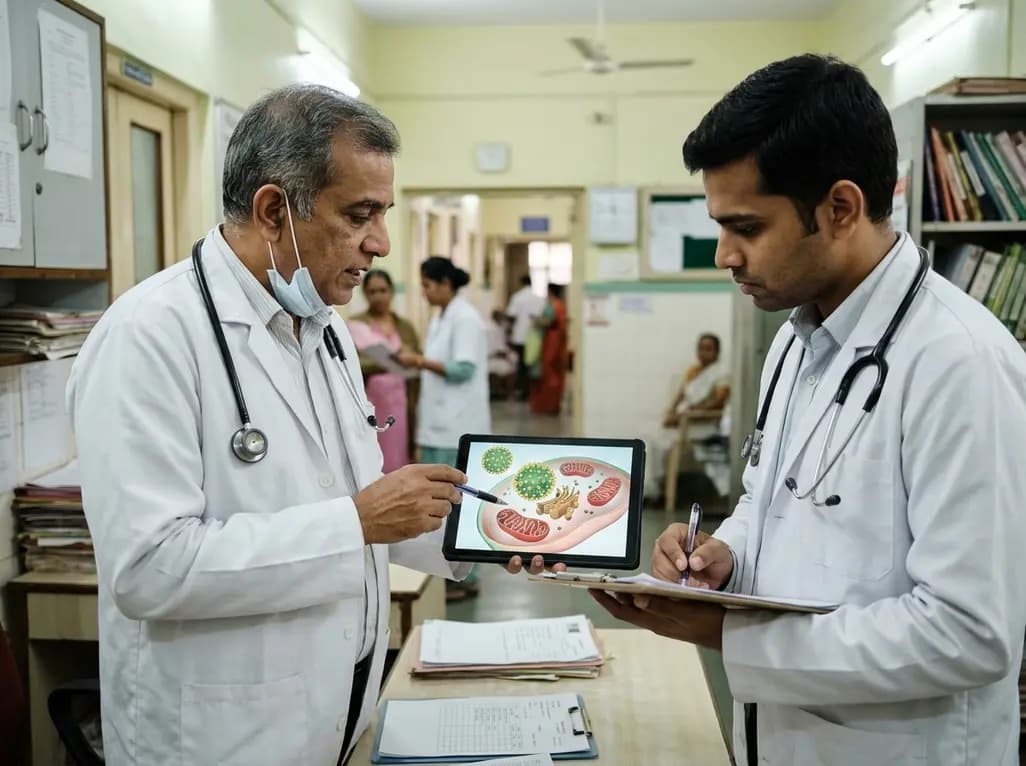
Mitochondria-targeted nanoparticles self-assembled from EGCG and L-glutamic acid effectively restore mitochondrial homeostasis, suppress synovial inflammation, and attenuate chondrocyte senescence in osteoarthritis, offering a promising disease-modifying nanotherapy.
Today

India is advancing preventive healthcare by integrating genomics, artificial intelligence, and quantum technologies. With the SANGAM programme sequencing one million Indian genomes, clinicians can unlock personalized therapies, detect cardiometabolic risks early, and curb the burden of diabetes and heart disease.
Today
