.webp&w=384&q=75)

Loading, please wait...
Loading, please wait...

Modern cardiology is witnessing a significant shift with the rise of zero-fluoroscopy EP procedures. Traditionally, electrophysiologists relied on continuous X-ray guidance for catheter navigation. However, the cumulative risks of ionizing radiation have prompted a transition toward radiation-free workflows. This evolution prioritizes the health of both patients and medical personnel. Today, sophisticated technologies allow for high-precision ablation without compromising procedural outcomes.
Evidence from the REAL-AF registry indicates that zero-fluoroscopy EP procedures are becoming the standard of care. This registry showed that over 70% of procedures are now performed without any fluoroscopy. Consequently, patients avoid the stochastic and deterministic effects of radiation. Furthermore, medical staff no longer need to wear heavy lead aprons. This reduction in physical burden significantly decreases the incidence of orthopedic injuries among interventionalists.
Several advanced technologies facilitate the transition to fluoroless workflows. Three-dimensional electroanatomic mapping (EAM) systems provide high-density reconstructions of cardiac anatomy. Additionally, intracardiac echocardiography (ICE) offers real-time visualization of moving structures and catheter contact. These tools allow for precise transseptal punctures and accurate lesion formation. Recent FDA indications for specific mapping systems now explicitly support these zero-fluoroscopy workflows. Moreover, visualizable sheaths and contact-force sensing catheters further enhance procedural safety.
Meta-analyses confirm that zero-fluoroscopy approaches maintain comparable safety and efficacy to traditional methods. In fact, many studies report shorter procedural times due to improved imaging integration. While the learning curve is steep, the benefits for long-term health are undeniable. Future advancements will likely involve the seamless convergence of real-time cardiac MRI and artificial intelligence. This will further enhance the precision of arrhythmia management in a lead-free environment.
The primary benefits include the elimination of radiation exposure for patients and staff, which reduces cancer risks. Additionally, it removes the need for heavy lead aprons, thereby preventing chronic orthopedic issues for medical teams.
Yes, large-scale studies and registries like REAL-AF have demonstrated that zero-fluoroscopy approaches offer comparable safety, efficacy, and success rates while potentially reducing total procedure time.
Currently, electrophysiologists use these techniques for a full spectrum of arrhythmias, including atrial fibrillation, supraventricular tachycardia, and ventricular tachycardia. However, some complex anatomical cases may still require minimal fluoroscopy.
Disclaimer: This content is for informational and educational purposes only and does not constitute medical advice. Refer to the latest local and national guidelines for clinical practice.
References
1. Kotzadamis D et al. Navigating the Zero Fluoroscopy Frontier: Current Tools, Evidence and Future Directions in Electrophysiology Procedures. Pacing Clin Electrophysiol. 2026 May 12. doi: 10.1111/pace.70290. PMID: 42117363.
2. Anselmino M, et al. A new electrophysiology era: zero fluoroscopy. J Cardiovasc Med (Hagerstown). 2013;14(3):221-7.
3. Zei PC, et al. REAL-AF Registry: Outcomes of Zero-Fluoroscopy Radiofrequency Ablation. Heart Rhythm Society (HRS) 2024.

Read summarized clinical updates, watch expert medical content, and earn CME certifications right from your smartphone.
Open your smartphone camera to scan and install.





Explore the shift to zero-fluoroscopy EP procedures, highlighting tools like ICE and 3D mapping that ensure safety without compromising efficacy....
5 months ago
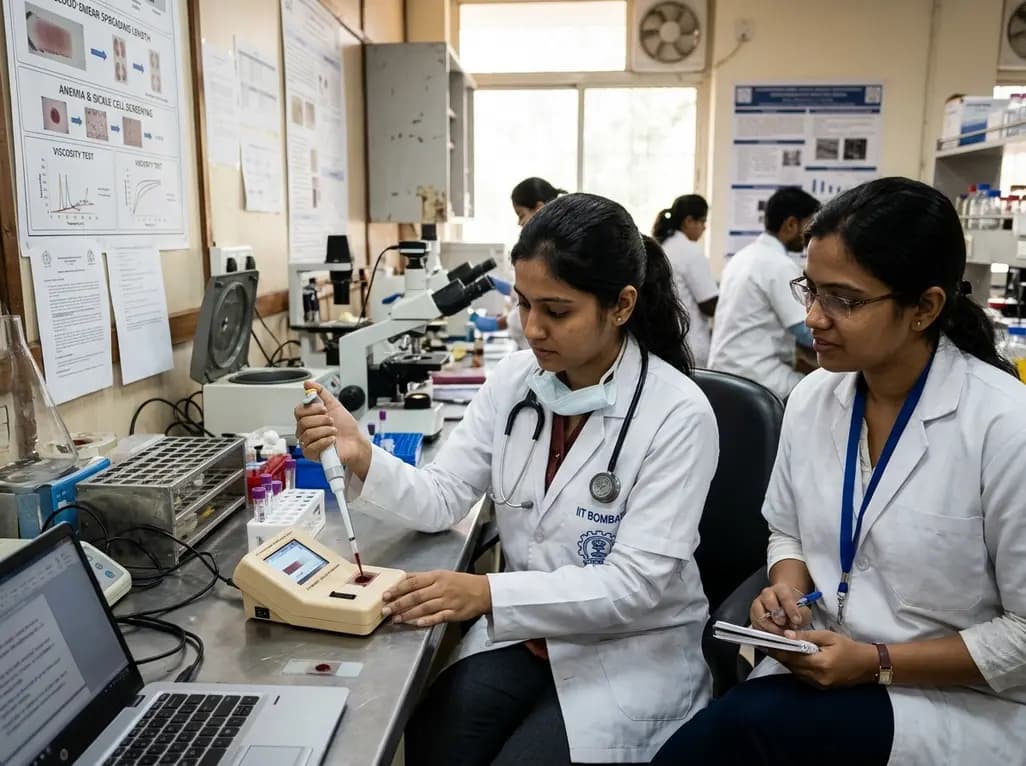
Researchers at IIT Bombay have engineered an automated, cost-effective point-of-care device that diagnoses anaemia and sickle cell disease from a single drop of blood. By measuring blood smear spreading length, this portable tool assesses blood viscosity to offer rapid screening in resource-limited healthcare centers.
Today
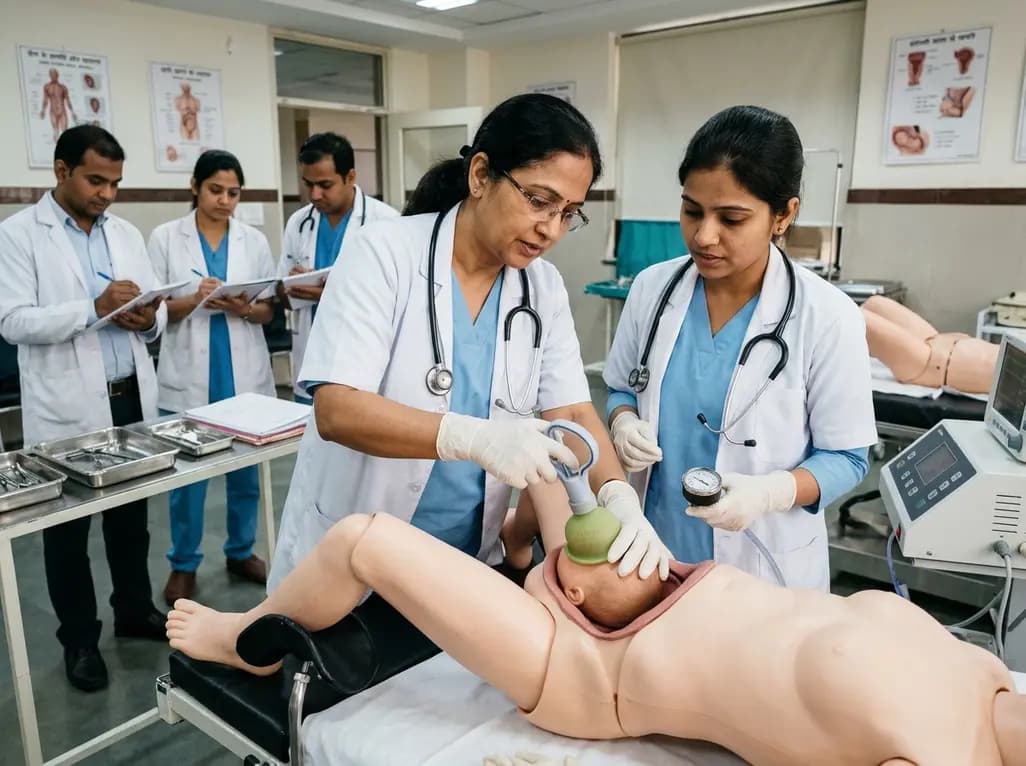
A multicenter study evaluates whether standardized simulation training reduces cup detachment during vacuum-assisted vaginal birth. Evidence-based simulation equips obstetricians to improve cup placement, reduce maternal-fetal trauma, and optimize clinical decision-making during operative deliveries.
Today
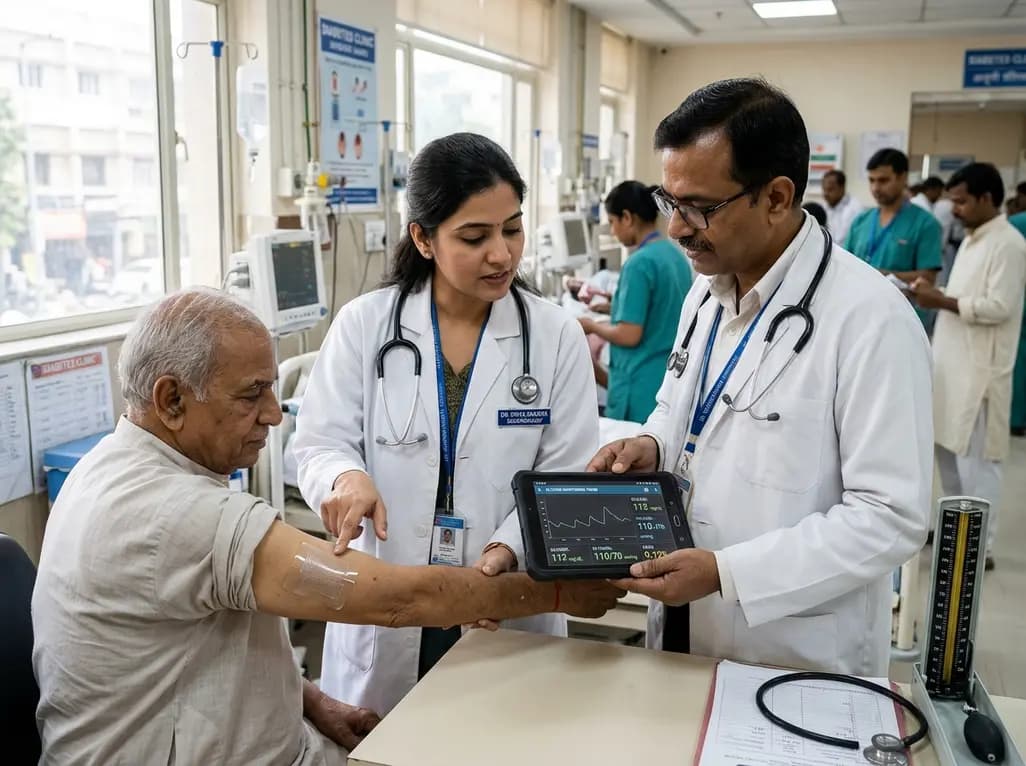
A breakthrough ultrathin multimodal sensor decouples physical hemodynamic monitoring from disposable electrochemical calibration, achieving long-term wearable glucose prediction with 81.36% accuracy and a 9.12% MARD. This offers a robust, drift-free solution for outpatient metabolic surveillance.
Today

A comparative review of tension band wiring and intramedullary screw fixation in thumb metacarpophalangeal arthrodesis, evaluating union rates, hardware complications, and clinical outcomes.
Today
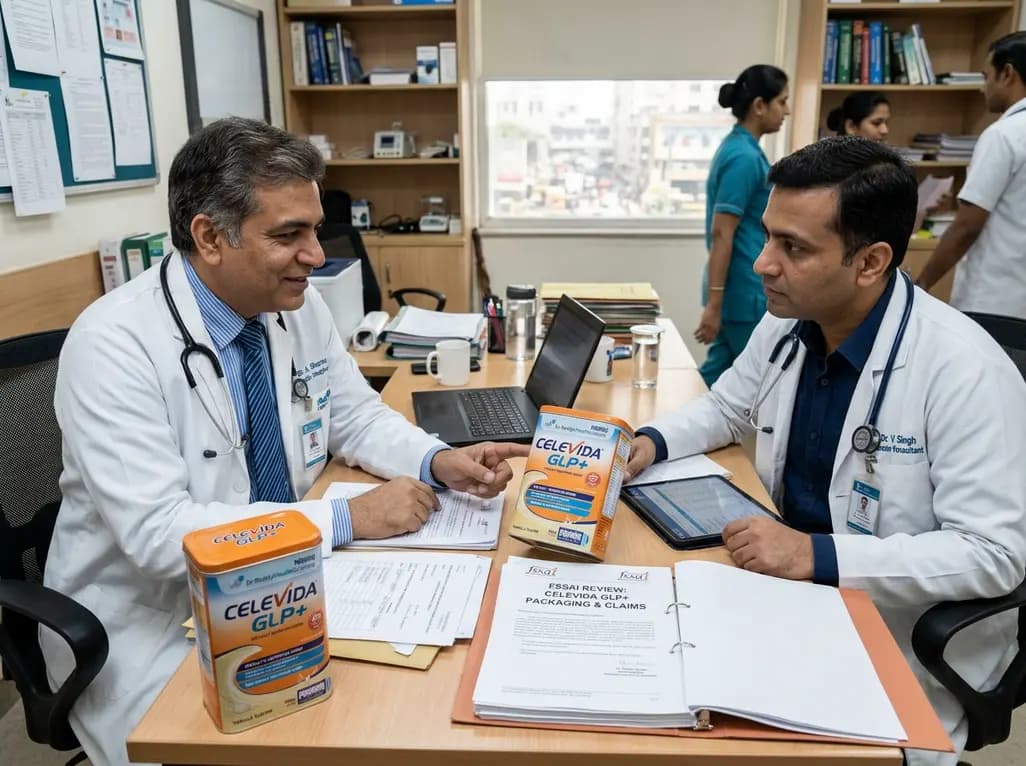
Following regulatory scrutiny from FSSAI regarding promotional representations and lean muscle preservation claims, Dr. Reddy's Laboratories and Nestlé Health Science are currently reviewing the branding and marketing strategy for their joint nutritional supplement Celevida GLP+.
Today
