.webp&w=384&q=75)

Loading, please wait...
Loading, please wait...
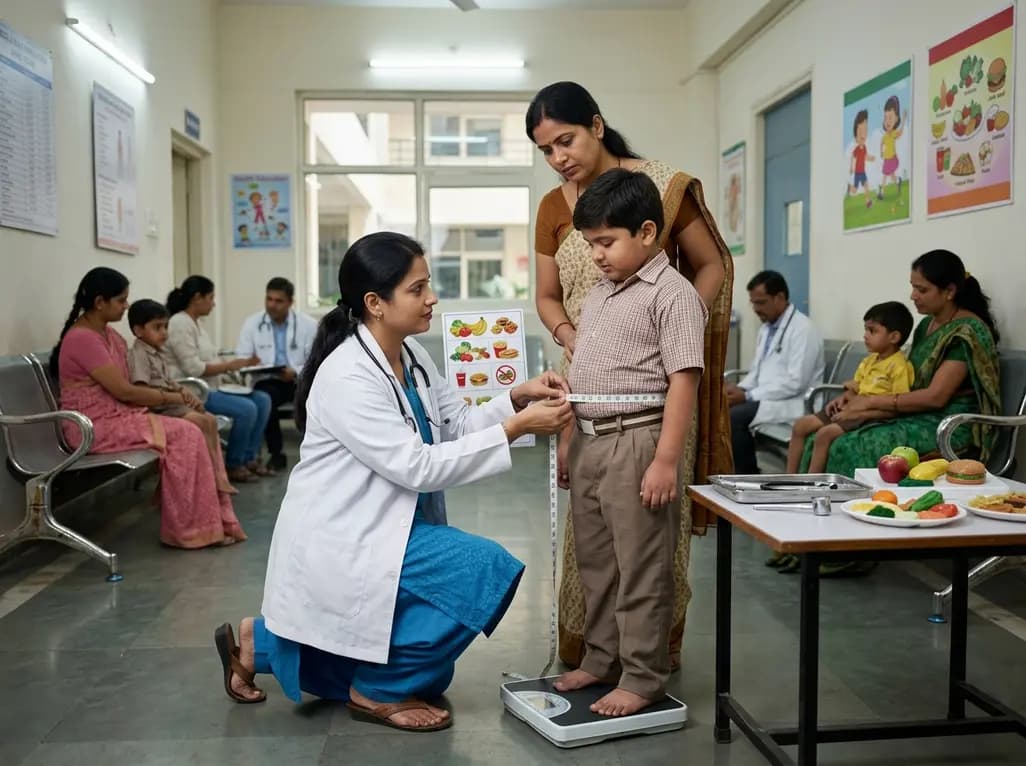
India faces a rapidly escalating public health challenge as recent national estimates highlight a surge in pediatric metabolic disorders. The World Obesity Atlas indicates that childhood obesity in India has reached critical levels, with nearly 4.1 crore children aged 5 to 19 currently overweight or obese. Consequently, the Indian Council of Medical Research and the National Institute of Nutrition launched a comprehensive policy roadmap to halt this troubling trend. Dr. M. Srinivas, Member of Health at NITI Aayog, unveiled the landmark document under the 'Let's Fix Our Food' initiative. Furthermore, this strategic blueprint aggregates nearly three years of multidisciplinary research conducted across diverse states. The report warns that unhealthy diets account for 56.4% of India's total disease burden, making immediate structural policy interventions an absolute clinical priority for healthcare providers and policymakers nationwide.
The rapid scale of pediatric overweight and obesity reflects a profound dietary and demographic shift across urban and rural regions. Currently, India ranks second globally in total affected children, trailing only behind China. Epidemiological projections indicate that if current dietary patterns continue, India will account for more than 11% of the global childhood obesity burden by 2030. Moreover, longitudinal predictive models project that the total number of affected Indian youth could reach 56 million by 2040.
This rapid expansion stems primarily from the widespread availability of ultra-processed snacks and packaged beverages high in fat, sugar, and salt (HFSS). Additionally, aggressive commercial marketing campaigns and poor nutrition literacy among parents accelerate this crisis. As a result, pediatricians across India now encounter early-onset metabolic dysfunction in young patients with increasing frequency. Children as young as ten years old present in outpatient clinics with elevated blood pressure, insulin resistance, and dyslipidemia. Therefore, public health experts emphasize that failing to curb these dietary trends will severely strain the national healthcare system with chronic non-communicable diseases over coming decades.
To mitigate this growing epidemic, the ICMR-NIN consortium outlined ten targeted policy briefs designed to reform the national food ecosystem. A central recommendation involves mandatory front-of-pack nutrition labelling (FOPNL). This standardized system enables consumers to identify quickly food items containing excessive added sugars, saturated fats, and sodium. Consequently, parents and caregivers can make informed dietary purchases in grocery stores and local markets.
In addition to clear labeling mandates, the roadmap advocates fiscal measures such as targeted taxes on HFSS foods. Raising statutory taxes on sugary drinks and ultra-processed snacks reduces their economic affordability, while subsidies for fresh fruits and vegetables make wholesome options accessible. Furthermore, the document calls for strict regulatory restrictions on commercial food marketing aimed at children. Banning digital, television, and print advertisements of unhealthy foods during peak child-viewing hours remains essential. By curbing aggressive predatory marketing strategies, regulators aim to shield impressionable youth from dietary manipulation and encourage sustainable healthy eating habits across all socioeconomic classes.
Creating healthy food environments within and around educational institutions represents another core pillar of the ICMR-NIN strategy. Current Food Safety and Standards Authority of India (FSSAI) guidelines explicitly prohibit selling and advertising HFSS foods inside school campuses and within a 50-meter radius of school gates. However, ground-level evaluations reveal widespread non-compliance and weak administrative enforcement across multiple states.
For instance, a pilot assessment in Uttar Pradesh private schools found ultra-processed snacks and sugary drinks widely available in canteens. Furthermore, school nutrition services remained limited, and existing wellness policies were poorly implemented by school authorities. A primary obstacle identified in the report is the persistent absence of a legally operational definition for HFSS foods, which severely hinders regulatory action. To resolve these operational gaps, the ICMR roadmap recommends routine campus inspections, stronger monitoring systems, and greater institutional accountability. Furthermore, school canteens must transition toward offering traditional nutrient-dense meals, while educational boards introduce mandatory nutrition literacy modules to empower students daily.
The health risks associated with pediatric obesity extend far beyond physical appearance, posing immediate structural threats to vital organ systems. High body mass index in children directly links to arterial stiffness, hepatic fat accumulation, and impaired glucose tolerance. Consequently, clinical projections indicate that by 2040, India could see over 4 million pediatric hypertension cases and nearly 12 million cases of metabolic dysfunction-associated steatotic liver disease.
In response to these alarming projections, primary care physicians, general practitioners, and pediatricians must implement proactive screening routines. Routine clinical consultations should include standardized body mass index tracking, accurate blood pressure measurements, and laboratory screening for high-risk youth. Furthermore, clinicians must evaluate dietary habits during routine office visits to identify excessive ultra-processed food intake early. Prompt identification of metabolic risk factors enables healthcare providers to initiate family-based lifestyle counseling, structured physical activity plans, and targeted dietary modifications. By prioritizing early screening in outpatient primary care settings, clinicians can prevent the progression of pediatric obesity into chronic adult cardiovascular conditions.
Reversing childhood obesity trends in India requires a coordinated multisectoral framework uniting government bodies, clinical experts, educators, and community leaders. Existing national health campaigns such as POSHAN Abhiyaan and the Eat Right India initiative must incorporate pediatric obesity prevention directly into their core operational objectives. Moreover, urban infrastructure planning must prioritize building safe public parks, sports grounds, and walkable pathways to encourage regular physical activity among youth.
Simultaneously, medical associations should provide clinicians with practical evidence-based tools to guide family-centered nutrition counseling. Engaging parents is critical, as parental eating behaviors and household food purchasing choices heavily influence childhood dietary patterns. Additionally, food manufacturers should be incentivized to reformulate processed items by lowering sodium content, reducing added sugars, and eliminating harmful trans fats. Ultimately, combining clear statutory regulations, fiscal disincentives for unhealthy foods, and sustained community outreach creates an ecosystem where healthy dietary choices become the accessible standard for every child nationwide.
Q1: What key measures does the ICMR roadmap propose to tackle childhood obesity in India?
The ICMR roadmap proposes mandatory front-of-pack nutrition labelling, taxes on high-fat, sugar, and salt foods, and strict marketing restrictions aimed at children. Furthermore, it calls for tighter enforcement of school zone restrictions, improved nutrition literacy, and national public health campaigns promoting wholesome dietary habits.
Q2: Why is enforcing healthy school food environments crucial for preventing childhood obesity?
Children spend significant time at school, where accessible snacks directly influence dietary choices. Pilot studies reveal that ultra-processed foods remain widely available in canteens. Enforcing strict bans on unhealthy items near campuses ensures children access nutritious meals, effectively reducing their long-term cardiometabolic risk.
Q3: What clinical complications are linked to rising childhood obesity in India?
Rising pediatric obesity leads to early-onset type 2 diabetes, essential hypertension, dyslipidemia, and metabolic dysfunction-associated steatotic liver disease. Furthermore, children with high body mass index experience chronic inflammation. Early clinical screening and family lifestyle counseling remain essential to prevent severe adult cardiovascular complications.
Disclaimer: This content is for informational and educational purposes only. It does not constitute medical advice or replace professional judgment. Refer to the latest local and national guidelines for clinical practice.
References

Read summarized clinical updates, watch expert medical content, and earn CME certifications right from your smartphone.
Open your smartphone camera to scan and install.





With World Obesity Atlas data warning that over 41 million Indian children are overweight or obese, ICMR and NIN have unveiled a 10-point policy roadmap. The initiative calls for mandatory front-of-pack labeling, HFSS taxes, strict marketing bans, and healthier school environments to curb non-communicable diseases.
2 months ago

Targeting ferroptosis provides a compelling strategy to dismantle hypoxia- and acidosis-driven immunosuppression in solid tumors, enhancing response to modern immunotherapy.
Today

Findings from Project Viva indicate that sustained postpartum weight retention, rather than excessive gestational weight gain alone, directly worsens women's mid-life cardiovascular health, degrading blood pressure and glycemic parameters decades after delivery.
Today
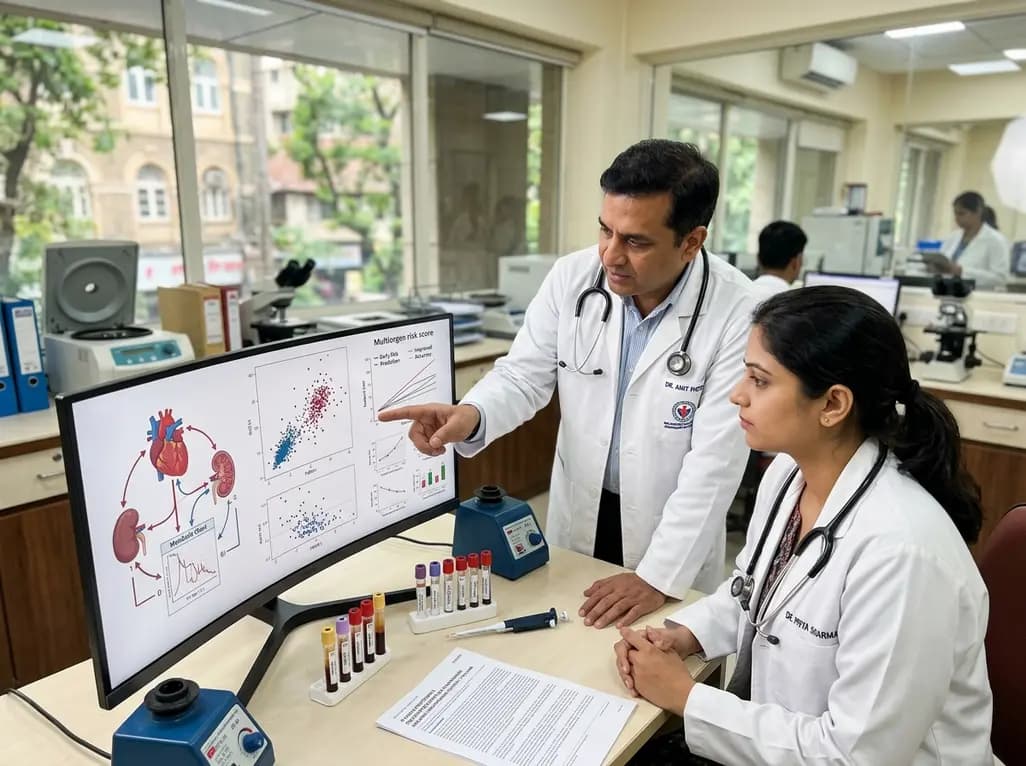
A large UK Biobank study reveals that plasma proteomic signatures capture preclinical organ damage and improve multiorgan risk prediction across early CKM syndrome stages 0 to 2 beyond traditional PREVENT clinical models.
Today
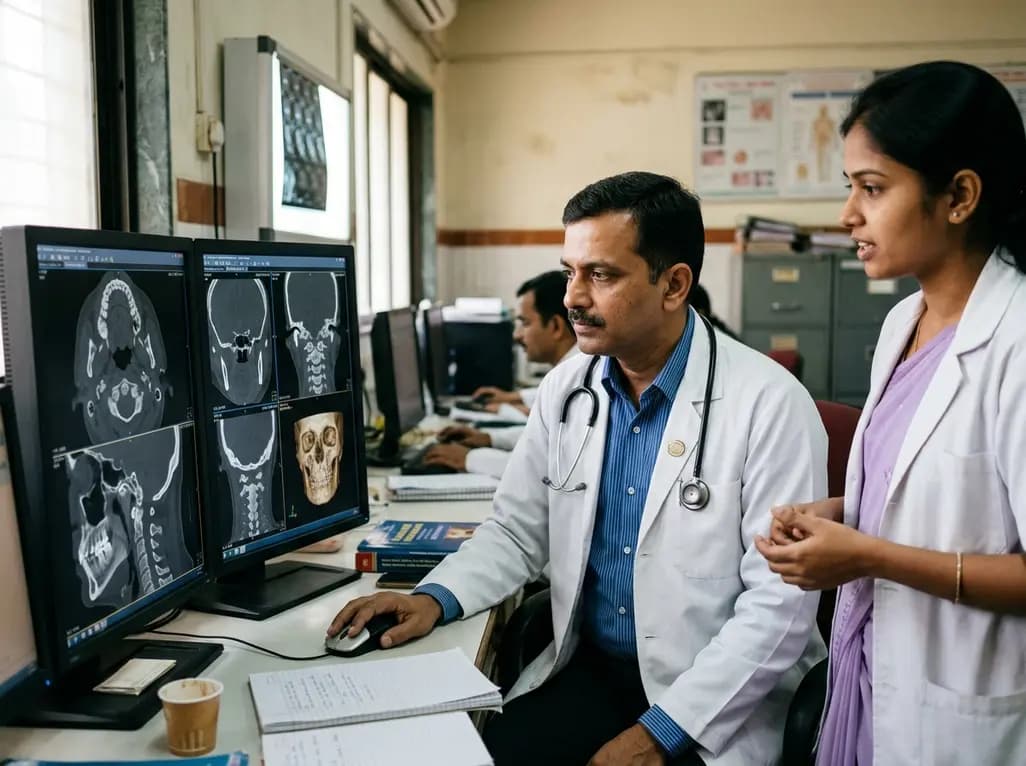
A retrospective CBCT study reveals that superior TMJ space asymmetry correlates moderately with occipital condyle-atlas-axis asymmetry in unilateral TMJ osteoarthritis, highlighting an imaging correlate between jaw biomechanics and upper cervical alignment rather than a standalone diagnostic marker.
Today
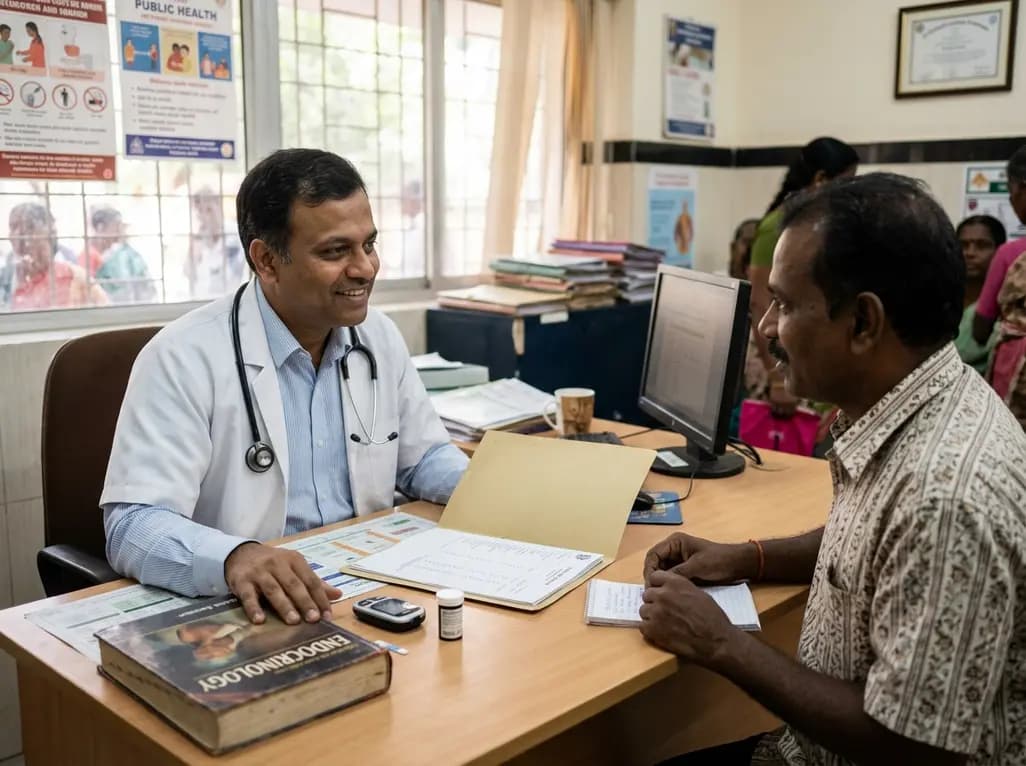
A Bayesian multilevel meta-analysis reveals that aerobic training combined with moderate carbohydrate restriction modestly lowers HbA1c in type 2 diabetes. However, sparse data and very low certainty leave incremental benefits over exercise or diet alone unproven, highlighting the need for individualized care.
Today
