.webp&w=384&q=75)

Loading, please wait...
Loading, please wait...

As a gastroenterologist, you likely encounter patients who have already "researched" their procedure online. Colonoscopy remains the gold standard for diagnosing colonic diseases and preventing colorectal cancer. However, the rise of digital health information creates a unique challenge for practitioners. A recent study evaluated Turkish-language videos to assess YouTube colonoscopy video quality and scientific reliability.
Researchers conducted a cross-sectional analysis of 156 Turkish-language videos using internationally recognized scoring tools. They applied the JAMA, mDISCERN, and Global Quality Score (GQS) to measure accuracy. Results showed that 24.4% of the videos were of poor quality. Furthermore, only 16.7% of the analyzed content achieved a "good" rating. Specifically, only 12.8% of the videos met the JAMA quality criteria for transparency and reliability. These findings suggest that patients often encounter misleading data when browsing social media. Consequently, improper preparation or unrealistic expectations may occur before the actual procedure.
The study found that the source of the video significantly influenced its accuracy. Therefore, videos designed specifically to educate healthcare professionals scored higher across all metrics. In contrast, videos intended for general patient experience or general culture often lacked scientific depth. This disparity is concerning because patients are more likely to watch the latter. Specifically, the average score for information accuracy remained low across most sources. This indicates a pressing need for medical societies to produce more verified, accessible patient content.
In India, nearly 70% of outpatients report making health-related decisions based on social media messages. Therefore, understanding YouTube colonoscopy video quality is vital for maintaining patient safety. Clinicians must actively inquire about the information patients have consumed online. Likewise, you should recommend specific, verified educational channels to your patients. This proactive approach ensures that patients receive evidence-based instructions for bowel preparation. Ultimately, guiding patients away from unverified content improves procedural success rates and strengthens the clinical relationship.
Look for content created by academic institutions, professional medical societies, or board-certified specialists. Reliable videos should clearly state their sources, authorship, and publication dates, adhering to JAMA criteria for transparency.
Inaccurate information regarding bowel preparation or dietary restrictions can lead to poor visibility during the procedure. High-quality videos ensure that patients are medically prepared, which reduces the risk of missed lesions and procedural complications.
Yes. Professional-led content typically scores higher in scientific accuracy. Creating localized content in regional languages can significantly benefit the Indian patient population and provide a trustworthy alternative to viral but inaccurate videos.
Disclaimer: This content is for informational and educational purposes only. It is not a substitute for professional medical advice, diagnosis, or treatment. Always seek the advice of your physician or other qualified health provider with any questions you may have regarding a medical condition. Refer to the latest local and national guidelines for clinical practice.
References
1. Dusunceli I et al. Scientific quality of colonoscopy-related YouTube videos in the Turkish language. Medicine (Baltimore). 2026 Apr 03. doi: 10.1097/MD.0000000000048231. PMID: 41931351.
2. Sahana S et al. Influence of social media on health-related decision-making among adults attending an outpatient department of a tertiary care centre in India: A cross-sectional analytical study. Natl Med J India. 2024;37:210-5.
3. Chhajed S et al. The Impact of Social Media on Medical Education and Health-care Communication. J Orthop Case Rep. 2023;13(10):1-4.
"
Read summarized clinical updates, watch expert medical content, and earn CME certifications right from your smartphone.
Open your smartphone camera to scan and install.





Study evaluates YouTube colonoscopy video quality, finding that many lack scientific accuracy. Only 12.8% met JAMA criteria, posing risks for patient educat...
6 months ago
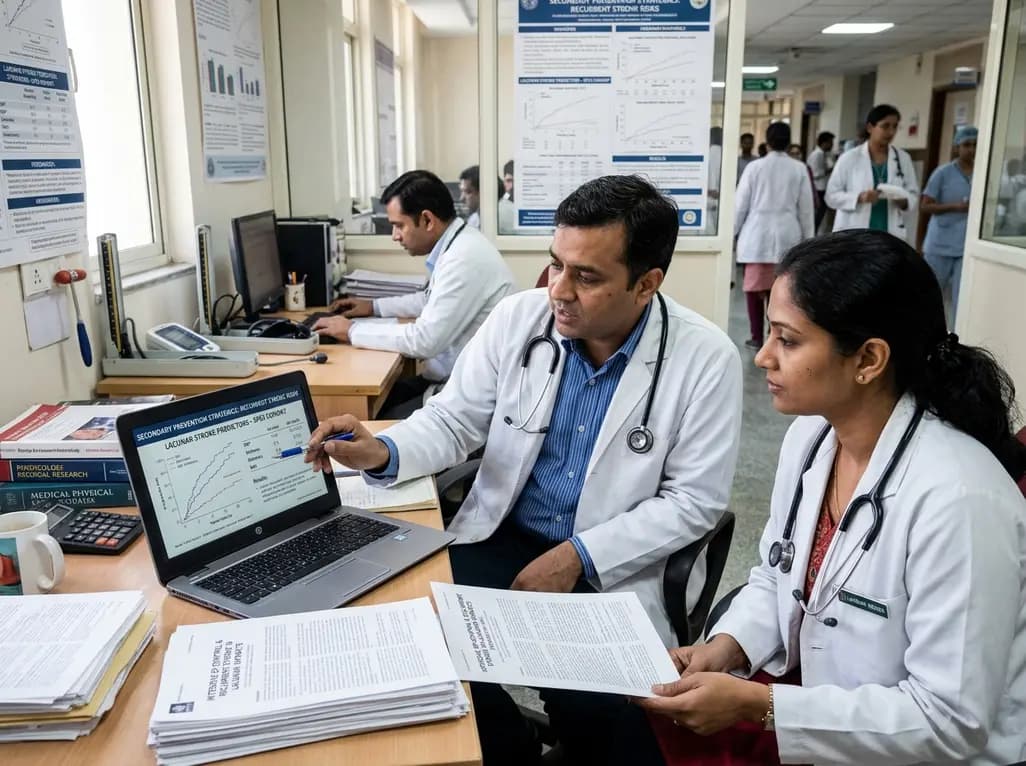
Explore vital recurrent stroke predictors in lacunar stroke patients managed with intensive blood pressure lowering. This analysis examines trial findings from SPS3 to uncover residual vascular risks, metabolic factors, and targeted secondary prevention strategies for high-risk neurological patients.
Today
A comprehensive scoping review synthesises evidence linking prenatal maternal mental health to long-term offspring neurodevelopment, evaluating neuroendocrine, inflammatory, and epigenetic pathways while highlighting clinical screening and future research priorities.
Today

The Directorate General of Health Services directs Indian states to halt the hazardous reuse and reprocessing of single-use medical devices. Discover regulatory implications under the Drugs and Cosmetics Act, critical infection risks, legal liabilities, and operational changes required across clinical specialties.
Today
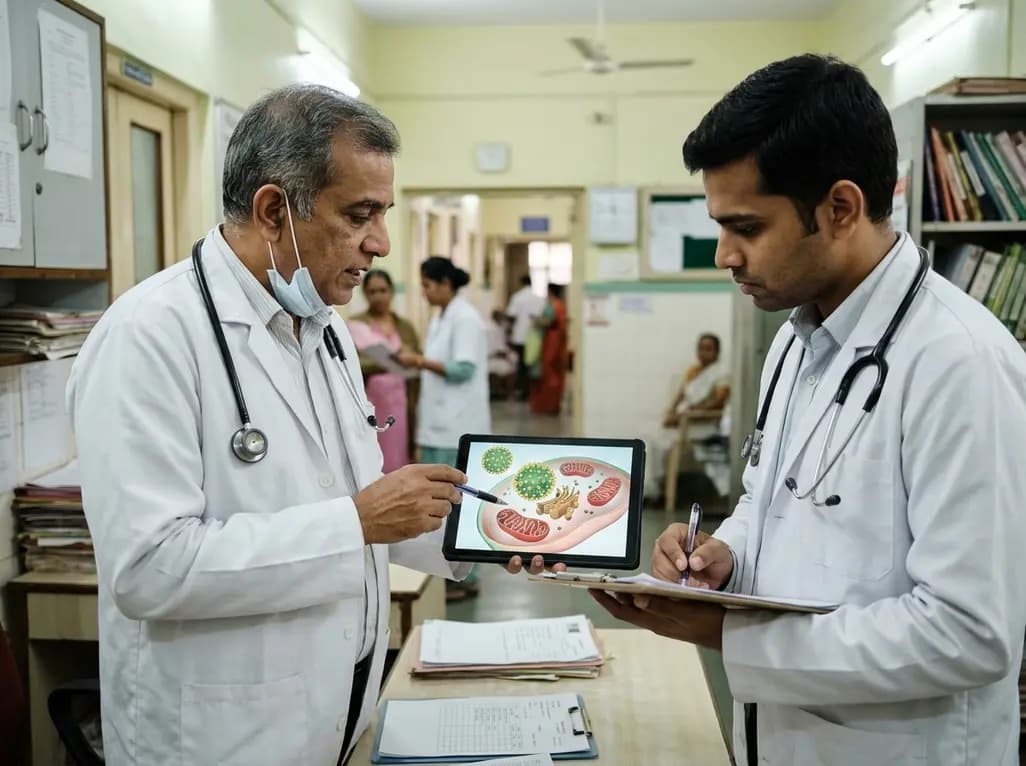
Mitochondria-targeted nanoparticles self-assembled from EGCG and L-glutamic acid effectively restore mitochondrial homeostasis, suppress synovial inflammation, and attenuate chondrocyte senescence in osteoarthritis, offering a promising disease-modifying nanotherapy.
Today

India is advancing preventive healthcare by integrating genomics, artificial intelligence, and quantum technologies. With the SANGAM programme sequencing one million Indian genomes, clinicians can unlock personalized therapies, detect cardiometabolic risks early, and curb the burden of diabetes and heart disease.
Today
