.webp&w=384&q=75)

Loading, please wait...
Loading, please wait...

Suicide continues to represent a escalating public health crisis among young populations globally. Consequently, researchers have intensified their focus on developing specialized youth suicide prevention psychotherapy models that address the unique needs of diverse demographics. Recent data indicates that while overall suicide rates in some cohorts have stabilized, substantial disparities remain, particularly among Black youth. Addressing these inequities requires a rigorous evaluation of current evidence-based interventions. This systematic review and meta-analysis specifically investigated how existing psychotherapy manuals incorporate culturally relevant content to mitigate suicidal thoughts and behaviors. By analyzing the effectiveness of these treatments, clinicians can better understand the pathways to disrupting current trends that disproportionately impact marginalized communities. Moreover, the study emphasizes that identifying successful therapeutic mechanisms is essential for creating equitable mental health outcomes. Therefore, pediatricians and psychiatrists must prioritize interventions that are both scientifically sound and contextually appropriate for the patients they serve. This approach ensures that the most vulnerable youth receive care that truly resonates with their lived experiences.
The meta-analysis of thirteen clinical studies revealed a significant positive effect in reducing suicidal thoughts and behaviors among treatment groups. Specifically, the researchers identified a Hedges g of 1.08, which indicates a robust impact of manualized interventions compared to standard care. However, despite these encouraging numbers, the overall quality of evidence remains classified as low. This classification stems from significant heterogeneity across studies and relatively small sample sizes. Furthermore, inconsistencies in how clinicians measure outcomes often complicate the synthesis of data. Practitioners should note that while psychotherapy is effective, the variability in results suggests that individual patient factors play a crucial role. For instance, the specific components of cognitive-behavioral or dialectical-behavioral approaches might yield different results depending on the implementation context. In addition, the study highlights that while the effect size is large, the scarcity of large-scale randomized controlled trials limits definitive clinical conclusions. Nevertheless, the findings support the continued use of structured psychotherapy as a primary tool for suicide risk reduction in pediatric and adolescent medicine.
One of the most striking findings of the review is the predominant absence of culturally tailored content in existing therapy manuals. Out of the eight manualized interventions analyzed, only one—the Adapted Coping With Stress (A-CWS) program—specifically focused on the unique stressors faced by Black youth. Most other manuals contained only brief or superficial descriptions of cultural relevance. Typically, the most common inclusion was provider cultural competency training rather than deep structural changes to the therapy itself. Specifically, deep adaptation involves modifying the core mechanisms of therapy to align with the cultural values, language, and social stressors of the target population. Without these modifications, interventions may fail to engage youth who feel the treatment does not understand their specific social environment. Consequently, the lack of representation in treatment studies continues to stall advancements in mental health equity. Moreover, the research suggests that simply translating a manual is insufficient. Instead, therapists must actively integrate cultural wisdom and community-specific challenges into the therapeutic process to improve long-term retention and efficacy.
The Adapted Coping With Stress intervention serves as a rare example of a program designed through the lens of cultural responsiveness. It specifically targets the socioecological stressors that contribute to mental health challenges in urban, low-resource settings. This model incorporates cognitive restructuring techniques that are adapted to handle issues like racial discrimination and systematic marginalization. By doing so, the intervention provides youth with realistic coping mechanisms for the stressors they actually encounter. Furthermore, the A-CWS model demonstrates how therapeutic goals can be reached by involving the family and community in the healing process. Clinicians who use such adapted models often report higher levels of patient engagement compared to standard protocols. In addition, the study points out that when interventions reflect the patient's identity, the therapeutic alliance is significantly strengthened. This connection is vital for youth at high risk for suicide, as it fosters a sense of being understood and supported. Therefore, expanding the availability of such tailored programs remains a high priority for the field of pediatric psychiatry.
The systematic review underscores a persistent gap in the literature regarding culturally responsive treatments for youth and their families. This gap is not merely a research problem; it is a clinical barrier that prevents the widespread adoption of effective youth suicide prevention psychotherapy. For many years, minority populations have been underrepresented in large-scale clinical trials, leading to a "one-size-fits-all" approach that may not be effective for all. Moreover, the review highlights that the lack of standardized outcome measures makes it difficult to compare different interventions accurately. To address these issues, future research must prioritize the inclusion of diverse cohorts from the initial design phase. Additionally, funding agencies should support studies that specifically investigate the intersection of social determinants of health and suicidal behavior. By addressing these systemic barriers, the medical community can develop a more nuanced understanding of how to protect youth from self-harm. Ultimately, the goal is to create a robust evidence base that reflects the true diversity of the pediatric population, ensuring that no group is left behind in suicide prevention efforts.
For healthcare providers in diverse settings, including those in India, these findings offer several actionable insights. First, clinicians should seek out provider cultural competency training to better recognize the subtle signs of distress in different cultural groups. Second, when implementing manualized treatments, therapists should feel empowered to make surface-level adaptations, such as using culturally familiar examples and involving family members where appropriate. Specifically, the involvement of parents and guardians is often a protective factor that can enhance the stability of the youth's environment. Moreover, practitioners should stay informed about emerging literature on adapted interventions like A-CWS to incorporate their principles into daily practice. However, it is also important to maintain the integrity of evidence-based protocols while making these adjustments. Finally, advocating for better representation in local clinical research can help bridge the gap between global data and local needs. By combining scientific rigor with cultural humility, providers can significantly improve the quality of care for suicidal youth. This dual focus is the hallmark of effective, modern pediatric mental health care.
The meta-analysis revealed that manualized psychotherapy interventions significantly reduce suicidal thoughts and behaviors in youth, showing a large effect size (Hedges g = 1.08). However, the evidence is considered low-quality due to significant heterogeneity across studies, small sample sizes, and inconsistent outcome measures, necessitating more rigorous future clinical research.
Cultural adaptation is critical because Black youth face unique socioecological stressors, such as systemic discrimination, which standard therapy models often ignore. The study found that most existing manuals lack culturally tailored content, highlighting a gap that may contribute to the rising suicide trends in this specific demographic.
Providers can improve care by engaging in cultural competency training and seeking out adapted manuals like Adapted Coping With Stress (A-CWS). Integrating family involvement, addressing community-specific stressors, and maintaining cultural humility are essential strategies for improving therapeutic engagement and efficacy among diverse pediatric and adolescent populations.
Disclaimer: This content is for informational and educational purposes only. It does not constitute medical advice or a professional recommendation. Refer to the latest local and national guidelines for clinical practice.
References
Brown TR et al. A Systematic Review and Meta-Analysis: Psychotherapy Interventions for Reducing Suicidal Thoughts and Behaviors Among Black Youth. J Am Acad Child Adolesc Psychiatry. 2025 Sep. doi: 10.1016/j.jaac.2024.08.007. PMID: 39179023.
Sim L et al. Suicide Interventions for Youths: A Systematic Review. JAMA Pediatr. 2025 Nov 1;179(11):1217-1224. doi: 10.1001/jamapediatrics.2025.3485.
Robinson WL et al. Adaptation of the Coping With Stress Course for Black Adolescents in Low-Income Communities. PMC. 2022. doi: 10.1007/s10488-022-01198-1.

Read summarized clinical updates, watch expert medical content, and earn CME certifications right from your smartphone.
Open your smartphone camera to scan and install.





This systematic review and meta-analysis of 13 studies evaluate psychotherapy interventions for reducing suicidal thoughts in Black youth. While findings show significant treatment effects, they highlight a critical lack of culturally tailored content and the need for more robust, representative research.
Last week
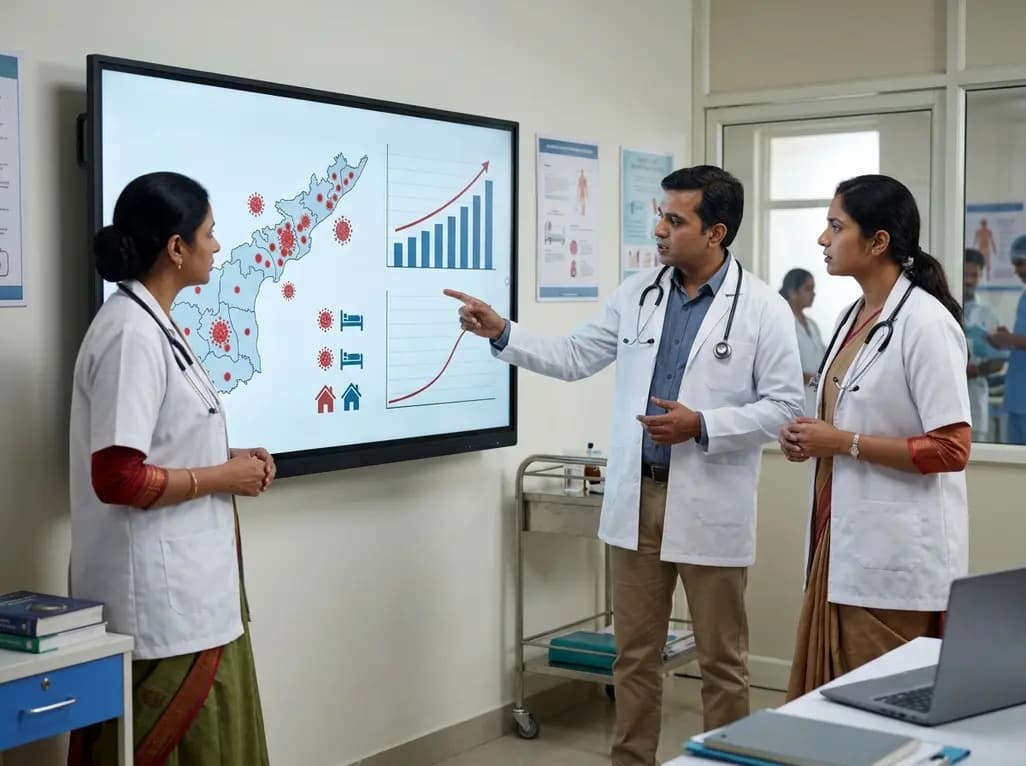
Andhra Pradesh reported 10 new Covid-19 cases, taking the state tally to 49 while deaths remain at four. With 24 patients hospitalized and 16 under home isolation, the Health Department has intensified monitoring. Medical professionals should review regional distribution, diagnostic protocols, and management plans.
Today

An 11-year Swedish registry study of 618 uterine sarcoma patients found that minimally invasive surgery yielded survival comparable to open surgery in early stages. However, adjuvant chemotherapy conferred no survival benefit in localized or advanced disease, highlighting stage and histology as key outcomes.
3 days back

A cross-sectional study evaluates post-intensive care syndrome in cardiac patients 2-4 weeks post-ICU discharge, highlighting cognitive, psychological, and functional impairments and the need for structured multidisciplinary rehabilitation.
3 days back
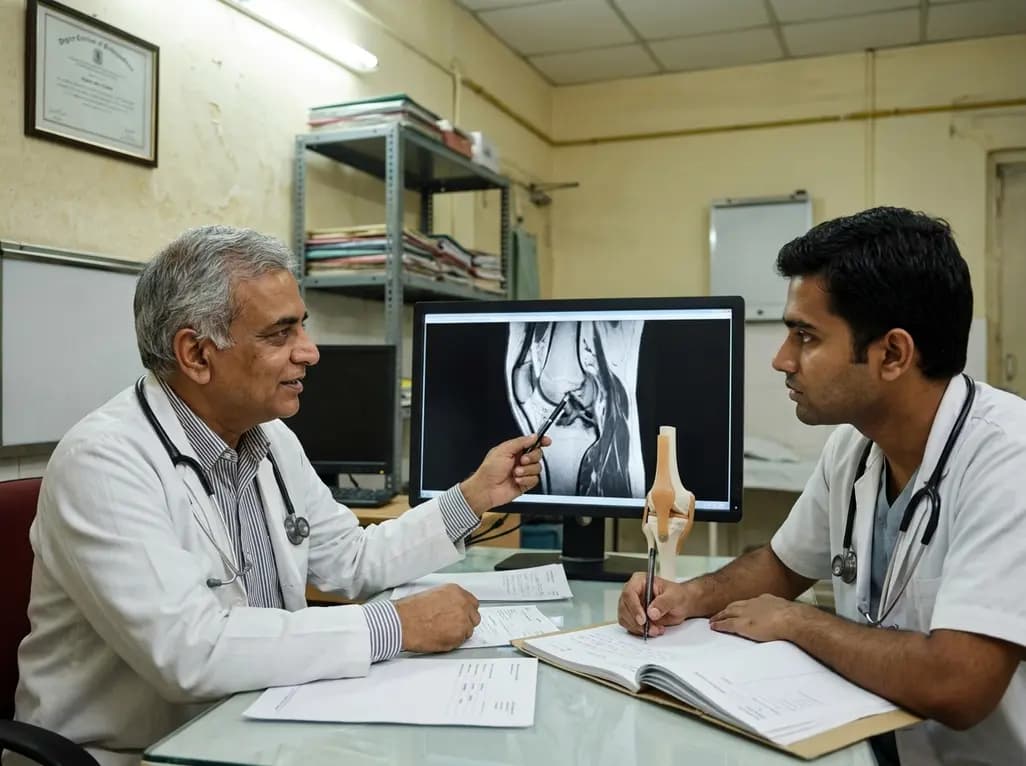
Anterior cruciate ligament reconstruction failure lacks uniform definition. A narrative review proposes an integrative framework incorporating objective and subjective instability, persistent pain, restricted motion, graft rupture, and secondary meniscal injury to standardize clinical reporting.
3 days back
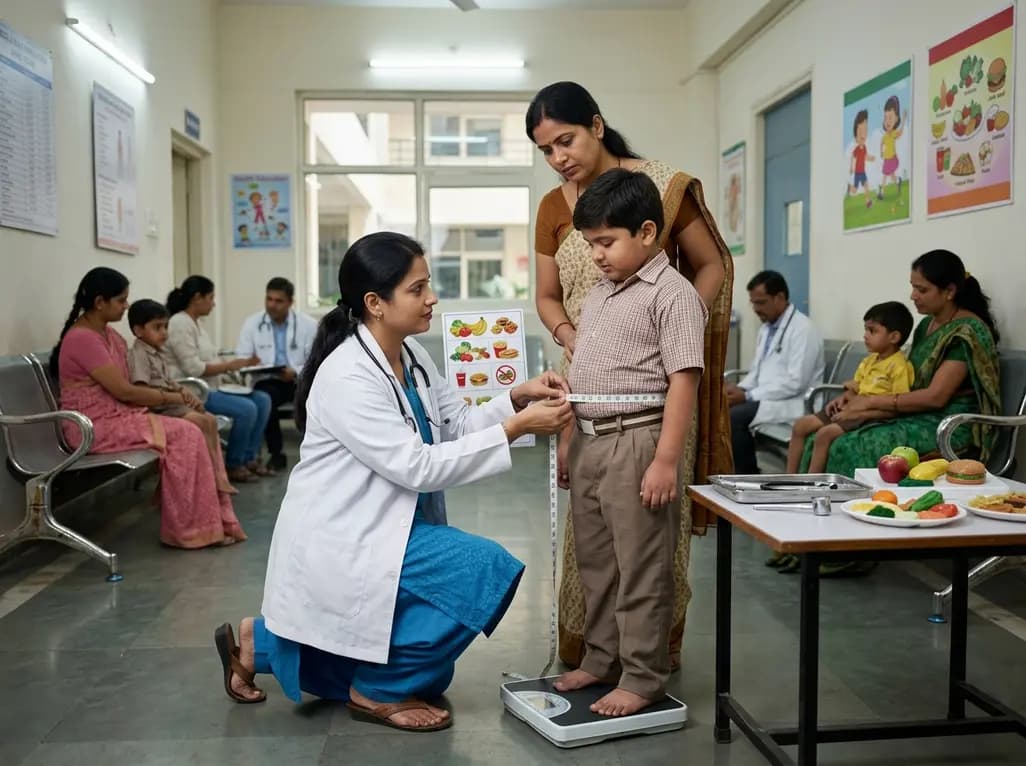
With World Obesity Atlas data warning that over 41 million Indian children are overweight or obese, ICMR and NIN have unveiled a 10-point policy roadmap. The initiative calls for mandatory front-of-pack labeling, HFSS taxes, strict marketing bans, and healthier school environments to curb non-communicable diseases.
Today
