.webp&w=384&q=75)

Loading, please wait...
Loading, please wait...

Suicide rates among the youth population have seen a distressing upward trend globally over the last decade. While clinical interventions exist, significant disparities remain regarding treatment efficacy across different demographic groups. For healthcare providers, understanding the nuances of youth suicide prevention psychotherapy is essential to curbing these rising figures. Recent research highlights a critical gap in how we approach mental health care for marginalized populations, specifically Black youth. This demographic often faces unique stressors and systemic barriers that standard therapeutic models may not fully address. Consequently, the medical community must evaluate whether current evidence-based practices are truly inclusive and effective for all. By analyzing existing literature, we can identify which psychotherapy interventions successfully reduce self-injurious thoughts and behaviors. Furthermore, exploring the integration of culturally relevant content into therapy manuals is a necessary step toward achieving health equity. This article delves into a systematic review and meta-analysis that examines the current state of suicide interventions and the impact of cultural adaptation on clinical outcomes.
The study under review meticulously screened 755 records to identify 13 studies that met rigorous eligibility criteria. These studies featured eight distinct manualized interventions aimed at reducing suicidal thoughts and behaviors. Specifically, the meta-analysis utilized a random-effects model to measure the collective impact of these treatments. The results revealed a significant overall effect in reducing suicidal ideation, with a Hedges g of 1.08. This suggests that structured youth suicide prevention psychotherapy is indeed powerful when implemented correctly. However, the researchers also noted significant heterogeneity among the studies, which points to variations in how different youth respond to standardized care. Most of the interventions included in the meta-analysis were traditional models like Cognitive Behavioral Therapy (CBT) and Dialectical Behavior Therapy (DBT). While these are gold-standard treatments, their application in diverse clinical settings requires careful consideration of the patient's background. Therefore, although the statistical evidence supports the efficacy of psychotherapy, the quality of evidence was categorized as low due to small sample sizes and inconsistencies in outcome measures across the literature.
One of the most striking findings of this systematic review is the sparse inclusion of culturally relevant content in existing psychotherapy manuals. Despite the focus on Black youth, only one intervention—Adapted Coping With Stress (A-CWS)—was specifically tailored for this demographic. Most other manuals either omitted cultural context entirely or provided only brief, superficial descriptions. This lack of representation is a significant hurdle in the field of psychiatry and pediatrics. When therapy manuals ignore the cultural lived experiences of the patient, the therapeutic alliance can suffer. Moreover, the absence of tailored strategies means that clinicians may struggle to address specific triggers related to racial trauma or socio-economic stressors. Transitioning toward a more inclusive model requires a fundamental shift in how manuals are developed and updated. Currently, the most frequent culturally relevant component identified was provider cultural competency training. While this is a step in the right direction, it is not a substitute for clinical protocols that are designed from the ground up to be culturally responsive. Consequently, more research is needed to develop manuals that resonate with the diverse identities of the youth they serve.
Implementing evidence-based psychotherapy in real-world clinical settings often reveals challenges that meta-analyses help to illuminate. In this specific study, the significant heterogeneity suggests that what works for one youth population may not be directly transferable to another. For instance, the inconsistencies in outcome measures across the 13 studies make it difficult for clinicians to determine which specific psychotherapy components are most effective. Additionally, the small sample sizes in many trials limit the generalizability of the findings. For a doctor in India, these challenges are particularly relevant. India’s diverse population necessitates a similar move toward cultural adaptation in mental health services. If global evidence remains thin on how to treat specific subgroups, practitioners must rely more heavily on clinical judgment and localized adaptations. Furthermore, the systematic review highlights that the lack of representation in research stalls advancements in the field. To disrupt current suicide trends, we must ensure that clinical trials include diverse participants in meaningful numbers. Without this, the evidence base for youth suicide prevention psychotherapy will remain fragmented and potentially biased toward majority populations.
To improve outcomes in youth suicide prevention psychotherapy, clinicians should actively seek ways to integrate cultural adaptations into their practice. This involves more than just understanding a patient's background; it requires a proactive modification of therapeutic techniques to align with cultural values. For example, involving the family unit more prominently is often essential in many cultures, including those in India and among Black youth in the West. Additionally, therapists should acknowledge the impact of external societal factors on a young person's mental health. The meta-analysis identified provider training as a key element, but this must be paired with specific manualized changes. Specifically, clinicians can adapt metaphors, language, and problem-solving scenarios to be more relatable to the patient’s everyday life. Meanwhile, healthcare institutions should prioritize the recruitment of diverse research participants to strengthen the evidence base. By doing so, we can move away from a "one-size-fits-all" approach and toward a more precision-based model of psychiatry. Ultimately, the goal is to make every therapeutic interaction a culturally safe space where the youth feels understood and supported in their recovery journey.
The findings of this meta-analysis serve as a call to action for researchers and clinicians alike. The significant gap in literature regarding culturally responsive treatments for youth and their families is a systemic failure that needs urgent attention. Future studies should focus on large-scale, high-quality randomized controlled trials that prioritize diversity. Furthermore, there is a clear opportunity for implementing cultural adaptations of existing suicide interventions. By refining these protocols, we can ensure that they are not only statistically effective but also practically relevant for the populations at highest risk. In the context of global health, these lessons apply to any region where marginalized groups face mental health disparities. Whether in the United States or India, the principles of cultural humility and tailored care remain the same. Consequently, bridging the gap between research and practice requires a concerted effort to validate new models of care. As we move forward, the integration of diverse voices in the development of treatment manuals will be the key to disrupting the tragic trends of youth suicide. Continued advocacy for inclusive science will eventually lead to more robust and equitable mental health outcomes for all youth.
The meta-analysis showed a significant positive effect, with a Hedges g of 1.08, indicating that manualized psychotherapy interventions are effective. However, the overall quality of evidence was rated as low due to small sample sizes and variability in how different studies measured clinical outcomes across diverse youth populations.
Cultural adaptation involves modifying evidence-based treatment protocols to better align with a patient’s cultural values, language, and lived experiences. This process can include changing therapeutic metaphors, involving family members, or addressing specific societal stressors like discrimination, which are often overlooked in standard, non-adapted clinical manuals used in practice.
The A-CWS intervention was notable because it was the only manualized therapy in the study that specifically focused on the needs of Black youth. Most other interventions lacked culturally tailored content, highlighting a significant gap in the availability of diverse, evidence-based treatments for youth at risk of suicide.
Disclaimer: This content is for informational and educational purposes only... Refer to the latest local and national guidelines for clinical practice.
References
Brown TR et al. A Systematic Review and Meta-Analysis: Psychotherapy Interventions for Reducing Suicidal Thoughts and Behaviors Among Black Youth. J Am Acad Child Adolesc Psychiatry. 2025 Sep. doi: 10.1016/j.jaac.2024.08.007. PMID: 39179023.
National Institute of Mental Health. Suicide Prevention. https://www.nimh.nih.gov/health/topics/suicide-prevention
SAMHSA. Cultural Competence in Health and Human Services. https://www.samhsa.gov/capt/applying-strategic-prevention-framework/cultural-competence

Read summarized clinical updates, watch expert medical content, and earn CME certifications right from your smartphone.
Open your smartphone camera to scan and install.





A meta-analysis published in the Journal of the American Academy of Child & Adolescent Psychiatry explores the efficacy of psychotherapy for reducing suicidal thoughts in youth, specifically highlighting the urgent need for culturally adapted interventions to address rising disparities.
2 weeks back

Andhra Pradesh reported 10 new Covid-19 cases, taking the state tally to 49 while deaths remain at four. With 24 patients hospitalized and 16 under home isolation, the Health Department has intensified monitoring. Medical professionals should review regional distribution, diagnostic protocols, and management plans.
Today

An 11-year Swedish registry study of 618 uterine sarcoma patients found that minimally invasive surgery yielded survival comparable to open surgery in early stages. However, adjuvant chemotherapy conferred no survival benefit in localized or advanced disease, highlighting stage and histology as key outcomes.
3 days back

A cross-sectional study evaluates post-intensive care syndrome in cardiac patients 2-4 weeks post-ICU discharge, highlighting cognitive, psychological, and functional impairments and the need for structured multidisciplinary rehabilitation.
3 days back
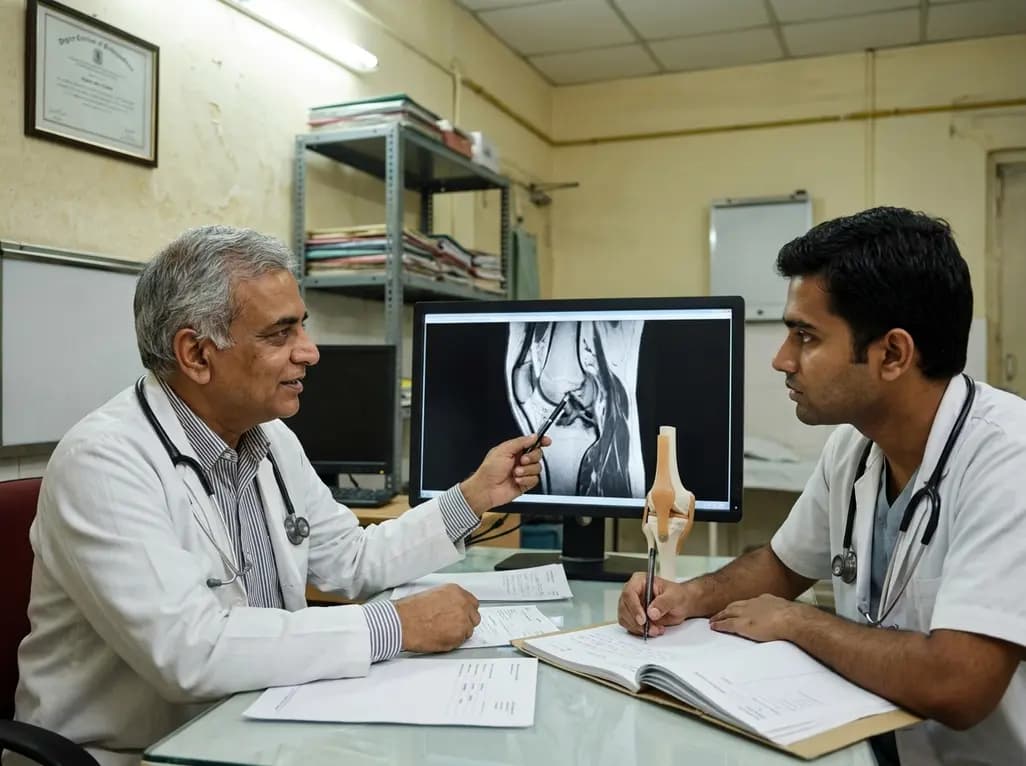
Anterior cruciate ligament reconstruction failure lacks uniform definition. A narrative review proposes an integrative framework incorporating objective and subjective instability, persistent pain, restricted motion, graft rupture, and secondary meniscal injury to standardize clinical reporting.
3 days back
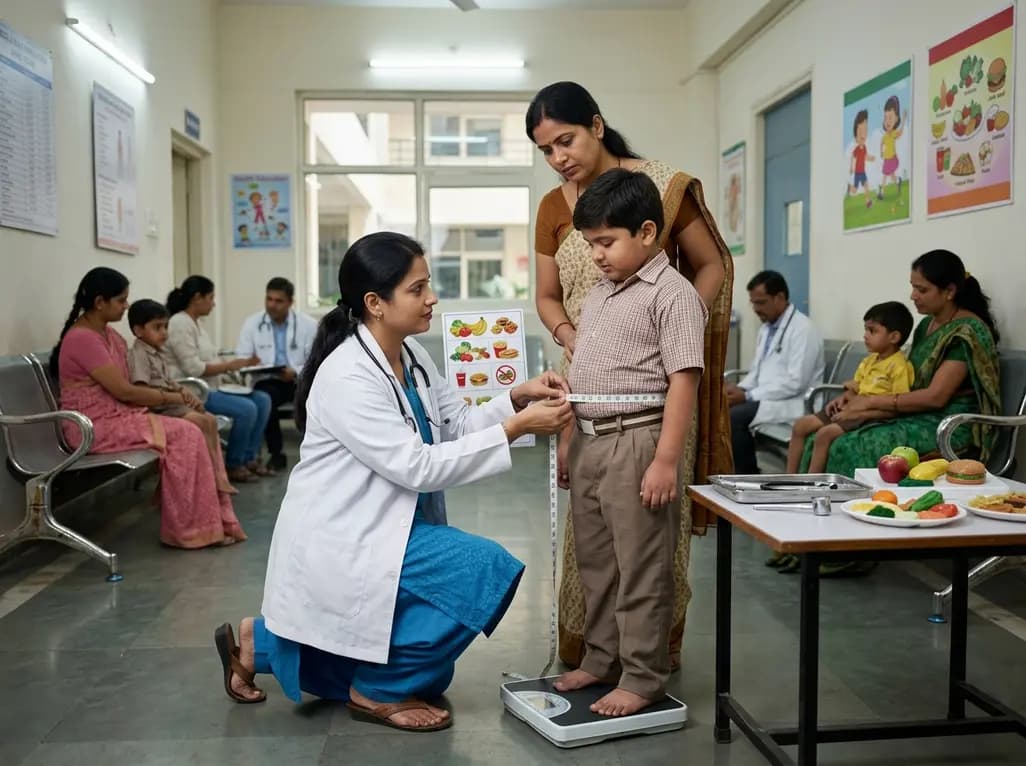
With World Obesity Atlas data warning that over 41 million Indian children are overweight or obese, ICMR and NIN have unveiled a 10-point policy roadmap. The initiative calls for mandatory front-of-pack labeling, HFSS taxes, strict marketing bans, and healthier school environments to curb non-communicable diseases.
Today
