.webp&w=384&q=75)

Loading, please wait...
Loading, please wait...
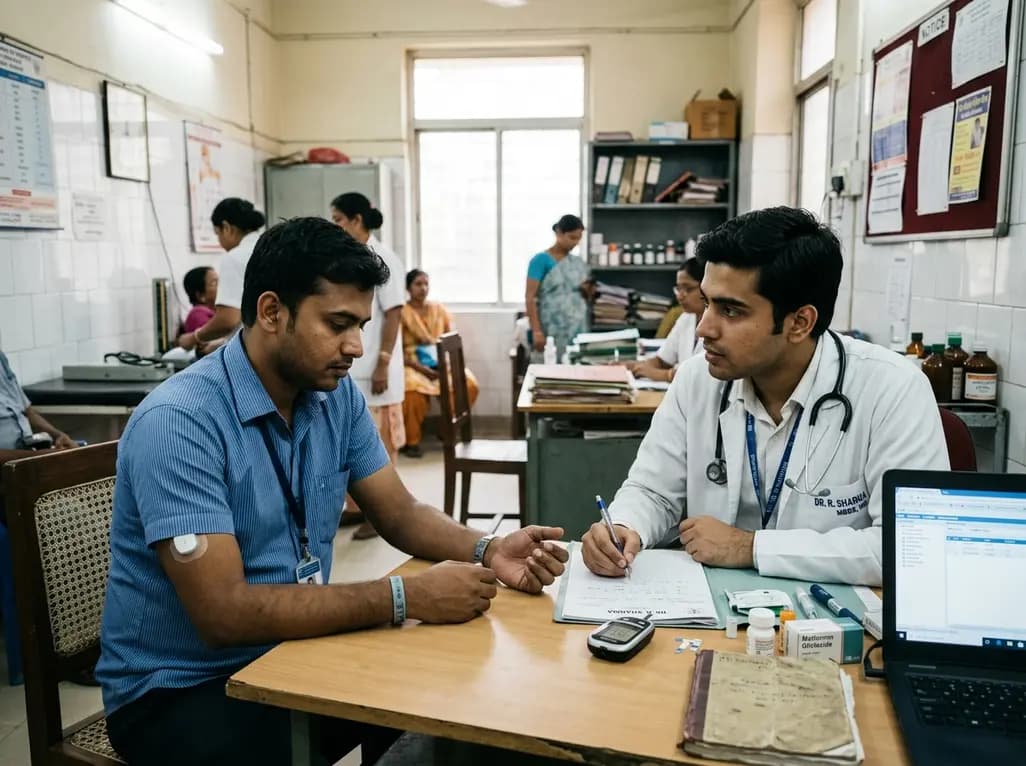
The escalating prevalence of young-onset non-type 1 diabetes poses significant challenges to public health and socioeconomic development worldwide. Individuals diagnosed at or before 40 years of age often face aggressive disease trajectories, premature vascular complications, and profound psychosocial distress during their peak productive years. Emerging research highlights that young-onset diabetes presenteeism represents a major yet underrecognized component of disease burden, where employees remain at work despite compromised physical and mental health. Clinicians must understand the multi-dimensional barriers driving productivity loss to implement effective, person-centred management strategies that optimize both cardiometabolic outcomes and professional well-being.
Young-onset diabetes affects individuals during the most critical stages of their career progression and family building. Unlike late-onset diabetes, this phenotype typically exhibits a more rapid decline in beta-cell function and accelerated complication rates. Consequently, affected individuals experience substantial psychological pressure while balancing demanding career responsibilities with complex daily regimens.
Recent clinical investigations demonstrate that employed adults with young-onset diabetes often maintain better baseline cardiometabolic and quality-of-life metrics compared to unemployed peers. However, employment introduces distinct physical and emotional stressors. Working individuals must constantly juggle glucose monitoring, dietary discipline, and pharmacotherapy alongside rigid job schedules. Therefore, the daily friction between workplace demands and disease management frequently results in silent performance compromises.
Workplace productivity loss in diabetes manifests through both absenteeism and presenteeism. While absenteeism involves missing entire workdays, presenteeism occurs when employees work while feeling unwell, leading to reduced efficiency, impaired cognitive focus, and elevated error rates. Studies reveal that presenteeism accounts for a substantially greater economic loss than actual work absences. Thus, recognizing the early signs of workplace performance decline is vital for clinicians who manage young adults navigating rigorous occupational environments.
A recent mixed-methods investigation from the Precision Medicine to Redefine Insulin Secretion and Monogenic Diabetes (PRISM) cohort provides critical insights into workplace dynamics among young adults. The study examined 465 employed patients with young-onset diabetes having a mean disease duration of nearly eleven years. Strikingly, 67.4% of employed participants reported experiencing at least one episode of sickness presenteeism in the preceding year.
Furthermore, multivariable regression analysis identified two independent determinants that directly predicted elevated presenteeism: diabetes-related emotional burden and suboptimal health-related quality of life. Participants suffering from severe diabetes distress exhibited significantly lower productivity scores at work. Interestingly, general depressive symptoms or medication adherence alone did not predict presenteeism as strongly as diabetes-specific distress.
These findings emphasize that diabetes-specific emotional exhaustion directly impairs on-the-job functionality. When patients feel overwhelmed by the relentless cognitive load of blood glucose fluctuations and chronic self-management, their workplace performance deteriorates markedly. In addition, lower physical and mental quality of life scores consistently correlate with heightened productivity impairments. Therefore, routine clinical consultations must move beyond isolated biochemical targets to assess patient-reported psychosocial distress and daily functional capacity.
Qualitative findings from focus group discussions illuminate a complex web of interpersonal, workplace, and societal barriers that perpetuate presenteeism. At the interpersonal level, individuals struggle with fluctuating physical energy, fear of acute hypoglycemia, and emotional exhaustion. Moreover, cultural dynamics such as family collectivism can inadvertently intensify self-care guilt, as young providers prioritize family financial obligations over personal health needs.
At the workplace level, rigid job structures create profound logistical hurdles. Shift duties, inflexible break times, and demanding project deadlines severely hinder timely meals and scheduled blood sugar checks. Additionally, employees frequently report difficulty justifying short medical absences to supervisors. The fear of negative performance reviews or workplace discrimination creates a pervasive culture of presenteeism, compelling employees to work through debilitating symptoms.
Societal and systemic factors further exacerbate these occupational challenges. Many patients report transactional relationships with healthcare providers who focus exclusively on glycemic metrics while overlooking occupational realities. Furthermore, substantial out-of-pocket medical expenses force individuals to work continuously without adequate rest to maintain financial security. Societal stigma surrounding chronic illness in young adults fosters secrecy, preventing workers from seeking essential workplace accommodations or peer empathy.
Addressing presenteeism requires endocrinologists, primary care physicians, and occupational health specialists to adopt proactive, person-centred clinical strategies. First, clinicians should routinely incorporate validated screening tools, such as the Diabetes Distress Scale, into standard reviews. Identifying emotional burnout early allows healthcare providers to offer timely psychological interventions before productivity collapses.
Second, medical teams must tailor therapeutic regimens to fit the patient's daily work schedule. Prescribing medications with lower hypoglycemia risks, such as GLP-1 receptor agonists, SGLT2 inhibitors, or modern basal insulin analogues, provides vital glycemic stability without triggering workplace panic. Additionally, continuous glucose monitoring systems offer discreet, real-time glycemic data, allowing employees to manage glucose levels without disruptive capillary blood sampling during meetings.
Third, clinicians should actively engage patients in shared decision-making regarding their career constraints. Practical advice on discreet snack storage, rapid hypoglycemia management, and schedule-adapted medication timing empowers patients to maintain glycemic control safely. When healthcare providers acknowledge occupational obstacles, patients develop greater confidence, which directly improves self-management adherence and mitigates work-related anxiety.
To effectively curb productivity loss, multi-sectoral collaborations must establish systemic enablers spanning public awareness, workplace policies, and social support. Focus group participants identified several crucial solutions, beginning with expanded public health education to dismantle misconceptions regarding young-onset diabetes. Workplaces must cultivate inclusive environments through empathetic leadership, flexible scheduling, and dedicated wellness spaces for self-care.
Moreover, healthcare systems should promote early detection programs, including opportunistic screening in workplace health check-ups and targeted genetic testing for monogenic variants where appropriate. Expanding comprehensive health insurance coverage to offset out-of-pocket costs for advanced diabetes technologies significantly alleviates financial stress. When employees do not face overwhelming financial strains, their emotional well-being and productivity improve substantially.
Peer support networks also serve as an invaluable enabler. Connecting young adults with peers who successfully navigate workplace challenges fosters resilience, reduces isolation, and provides practical coping strategies. Ultimately, bridging clinical excellence with supportive workplace culture creates a sustainable framework that safeguards both employee health and economic productivity.
Sickness presenteeism refers to the phenomenon where individuals attend work despite experiencing physical or psychological impairment from their condition. In young-onset diabetes, presenteeism manifests as reduced concentration, slower work pace, and impaired decision-making due to glycemic fluctuations, chronic fatigue, or diabetes-related emotional distress. This hidden productivity loss often incurs greater economic and personal costs than formal sick leave.
Diabetes distress represents the ongoing psychological burden and daily frustration associated with continuous disease self-management. In young adults, this relentless emotional exhaustion impairs executive cognitive functions, depletes mental resilience, and decreases overall task efficiency at work. Consequently, employees who suffer from elevated diabetes distress struggle to maintain optimal performance, leading to frequent presenteeism, reduced occupational quality of life, and increased workplace errors.
Effective workplace accommodations include flexible working hours, designated private areas for discrete blood glucose monitoring or insulin administration, and scheduled breaks for timely meals. Furthermore, employers should actively cultivate an empathetic, open culture that dismantles chronic illness stigma, provides access to comprehensive health insurance packages, and offers confidential employee assistance programs to support emotional well-being.
Disclaimer: This content is for informational and educational purposes only and is not intended as medical advice. Healthcare professionals should make clinical decisions based on their independent judgment and individual patient circumstances. Refer to the latest local and national guidelines for clinical practice.
References

Read summarized clinical updates, watch expert medical content, and earn CME certifications right from your smartphone.
Open your smartphone camera to scan and install.





A mixed-methods study reveals that over 67% of employed young-onset diabetes patients experience presenteeism, driven by diabetes distress and suboptimal HRQoL, highlighting the need for holistic, person-centred clinical and workplace solutions to improve both glycemic health and occupational productivity.
last month

With post-monsoon dengue surges threatening South Asian health systems, physicians must refine triage and management. This guide covers vital warning signs, plasma leakage detection, crystalloid titration, and vector containment strategies to prevent mortality during seasonal arboviral epidemics.
Today

Findings from Project Viva indicate that sustained postpartum weight retention, rather than excessive gestational weight gain alone, directly worsens women's mid-life cardiovascular health, degrading blood pressure and glycemic parameters decades after delivery.
Today
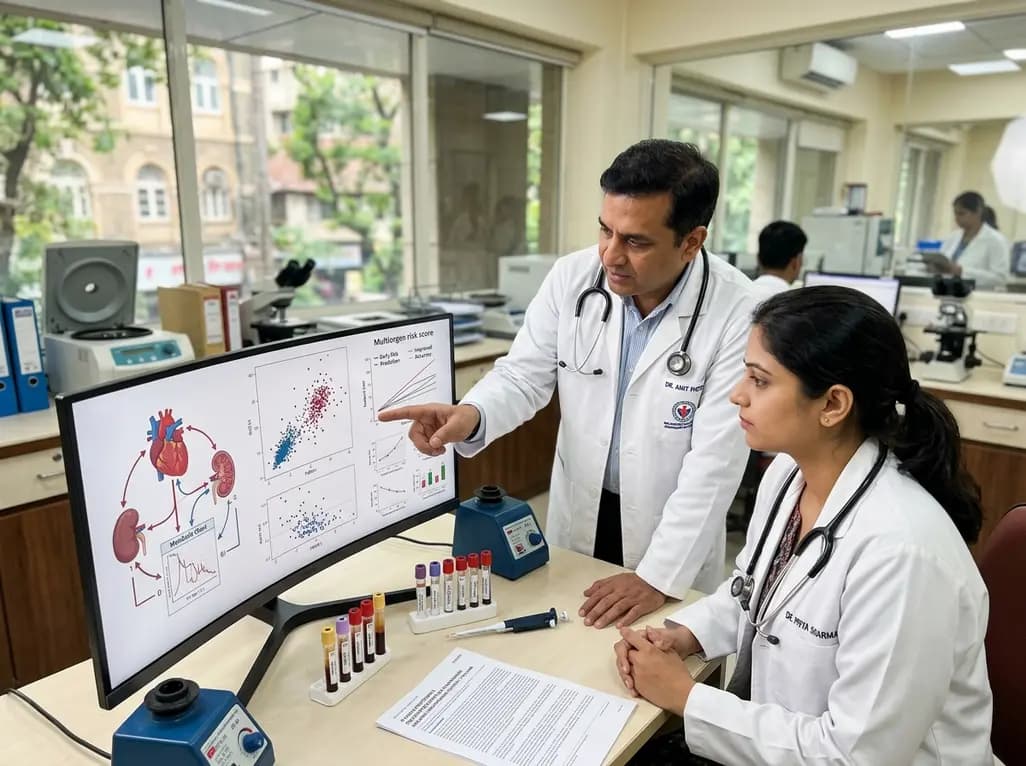
A large UK Biobank study reveals that plasma proteomic signatures capture preclinical organ damage and improve multiorgan risk prediction across early CKM syndrome stages 0 to 2 beyond traditional PREVENT clinical models.
Today

A retrospective CBCT study reveals that superior TMJ space asymmetry correlates moderately with occipital condyle-atlas-axis asymmetry in unilateral TMJ osteoarthritis, highlighting an imaging correlate between jaw biomechanics and upper cervical alignment rather than a standalone diagnostic marker.
Today

A Bayesian multilevel meta-analysis reveals that aerobic training combined with moderate carbohydrate restriction modestly lowers HbA1c in type 2 diabetes. However, sparse data and very low certainty leave incremental benefits over exercise or diet alone unproven, highlighting the need for individualized care.
Today
