

Loading, please wait...
Loading, please wait...

Experiencing a coworker or patient suicide profoundly impacts healthcare professionals, triggering acute psychological distress, burnout, and elevated suicide risk. Consequently, postvention provides essential support to mitigate these traumatic outcomes and stabilize clinical organizations. To establish clear institutional protocols, a landmark scoping review evaluated international evidence on workplace postvention interventions across multiple professional settings. Accordingly, this article examines the practical components, operational timelines, and critical research gaps identified in that analysis.
Recently, a comprehensive scoping review systematically analyzed peer-reviewed publications and organizational reports to understand how workplaces respond following suicide loss. In healthcare institutions, staff members face high cumulative exposure to patient and colleague suicides. However, systematic postvention support remains historically underutilized in medical centers. Clinicians frequently suppress grief because traditional medical culture prioritizes relentless productivity and emotional stoicism. Consequently, unaddressed suicide loss fuels severe burnout, depression, post-traumatic distress, and acute clinical turnover. Furthermore, surviving team members often experience intense guilt, self-blame, and complicated grief after losing a peer or patient under their care. Therefore, postvention represents a vital component of occupational health and suicide prevention. In practice, structured postvention de-escalates acute trauma, fosters mutual peer support, and establishes safe organizational norms. Additionally, by framing bereavement support as a shared administrative responsibility, hospitals validate the emotional realities of healthcare delivery. Ultimately, integrating comprehensive postvention policies protects staff welfare and safeguards patient care standards across departments.
The immediate postvention phase spans the initial twenty-four to forty-eight hours following a confirmed suicide. First, leadership must execute carefully planned, transparent, and compassionate communication. Specifically, hospital administrators must convey verified facts while strictly protecting decedent privacy and honoring family wishes. Additionally, institutional announcements must scrupulously avoid disclosing lethal means or romanticizing the death, which minimizes suicide contagion risks. Furthermore, all internal notifications should immediately highlight confidential mental health resources and crisis hotlines. Second, department directors must swiftly implement practical workload adjustments for directly affected teams. Expecting grieving clinicians to manage intensive on-call duties or complex procedures increases medical errors and psychological strain. Therefore, leadership should promptly mobilize cross-coverage systems, adjust shift schedules, and grant compassionate leave. Similarly, providing dedicated decompression spaces allows staff to process traumatic shock together in safety. Ultimately, transparent messaging paired with immediate clinical relief fosters deep institutional trust during acute workplace vulnerability.
During the intermediate weeks following a crisis, organizations must deploy targeted emotional and practical assistance. Instead of imposing mandatory debriefings, institutions should offer voluntary psychological first aid delivered by trained mental health professionals. Indeed, research demonstrates that forced emotional debriefing can paradoxically elevate acute trauma among resilient individuals. In contrast, providing accessible drop-in counseling, structured support groups, and confidential consultations allows workers to engage at their own pace. Furthermore, healthcare organizations must provide specific postvention training for clinical directors, head nurses, and department chairs. Mid-level supervisors carry the heavy burden of supporting distressed colleagues while sustaining daily operations. Consequently, managers need clear guidance on recognizing warning signs of complicated grief, acute depression, and secondary suicide risk. Moreover, supervisors must learn how to hold empathetic check-ins without overstepping clinical boundaries. Therefore, targeted supervisory training forms an indispensable pillar of institutional postvention, equipping clinical units to cultivate enduring psychological safety.
Workplace recovery from suicide loss requires sustained long-term engagement extending months beyond the initial crisis. For instance, organizations frequently navigate complex requests regarding memorials, public tributes, or institutional recognitions. In response, postvention specialists recommend balanced, thoughtful approaches to memorialization. While acknowledging the colleague's contributions remains therapeutic, permanent monuments or glorified tributes can inadvertently increase contagion risk among vulnerable workers. Instead, living memorials, such as supporting mental health initiatives, establishing educational funds, or hosting wellness symposiums, offer constructive healing avenues. In addition, healthcare administrators must maintain heightened awareness around predictable anniversary dates, birthdays, and departmental milestones. These significant dates often trigger acute grief waves, renewed distress, and increased absenteeism. Furthermore, long-term postvention requires ongoing screening and accessible therapy pathways for staff experiencing prolonged grief disorder. Ultimately, institutionalizing ongoing vigilance and milestone sensitivity fosters enduring psychological safety and long-term community healing.
Implementing postvention protocols within diverse clinical environments demands acute cultural sensitivity. For example, in many countries, including India, persistent social stigma surrounding suicide and mental illness creates severe reporting barriers. Frontline healthcare workers often fear professional penalties, medical licensing scrutiny, or social isolation if they disclose mental distress. Therefore, healthcare leaders must guarantee strict confidentiality and actively cultivate non-punitive, supportive reporting environments. Furthermore, postvention protocols must accommodate diverse cultural, spiritual, and religious mourning customs to support every staff member respectfully. Simultaneously, the recent scoping review revealed an urgent gap in postvention literature: a profound lack of empirical effectiveness research. While existing publications document valuable postvention activities, few studies evaluate measurable clinical and psychological outcomes. Consequently, academic medical centers must conduct rigorous longitudinal studies evaluating which interventions most effectively reduce secondary suicide risk and occupational burnout. Ultimately, establishing evidence-based postvention standards will transform crisis response across healthcare institutions worldwide.
Workplace postvention represents a coordinated, organization-wide crisis protocol specifically designed to address suicide loss. Unlike general individual bereavement counseling, postvention manages immediate administrative communication, clinical workload modifications, and managerial training. Furthermore, postvention actively mitigates suicide contagion risks, combats professional stigma, and establishes systemic pathways to confidential mental health care. Consequently, these multi-tiered institutional interventions ensure the entire workplace environment remains resilient, supportive, and psychologically safe.
Mandatory psychological debriefing can paradoxically exacerbate acute trauma symptoms and disrupt natural psychological resilience among affected staff. Forcing individuals to recount traumatic events prematurely may increase anxiety and distress. Consequently, current clinical guidelines recommend voluntary psychological first aid instead. Healthcare facilities should offer accessible drop-in counseling, compassionate peer listening, and professional referrals, allowing clinicians to seek support according to their individual emotional readiness.
Following a confirmed suicide, leadership must provide prompt, compassionate, and transparent internal notifications that verify facts while strictly respecting family wishes and decedent privacy. Crucially, communications must avoid disclosing specific suicide methods or romanticizing the death to prevent suicide contagion. Additionally, every announcement should prominently feature direct contact details for confidential employee assistance programs, local crisis lifelines, and accessible on-site psychological support.
Disclaimer: This content is for informational and educational purposes only and does not constitute formal medical or administrative advice. Refer to the latest local and national guidelines for clinical practice.
References
Howells E et al. A scoping review on the effectiveness and components of workplace postvention interventions. Death Stud. 2026 Nov 14. doi: 10.1080/07481187.2026.2756548. PMID: 43031515.
National Action Alliance for Suicide Prevention. A Manager's Guide to Suicide Postvention in the Workplace: 10 Action Steps for Dealing with the Aftermath of Suicide. Washington, DC; 2013.
Andriessen K, Krysinska K. Postvention in Suicide. In: Pompili M, editor. Suicide Risk Assessment and Prevention. Springer; 2020.
Cerel J, Brown MM, Maple M, et al. How many people are exposed to suicide? Not six. Suicide Life Threat Behav. 2019;49(2):529-534.

Read summarized clinical updates, watch expert medical content, and earn CME certifications right from your smartphone.
Open your smartphone camera to scan and install.





A scoping review outlines key workplace postvention interventions following employee or client suicide. Structured communication, psychological first aid, leadership support, and cultural sensitivity protect healthcare staff well-being, though empirical effectiveness data remains an urgent research priority.
Today

A qualitative study investigates whether traditional bedside clinical examinations still mirror contemporary physician practice. Findings support retaining long cases while reforming short cases toward hypothesis-driven assessments.
Today

A pilot study evaluated WearDOXXN, a capillary microfluidic sweat patch, for noninvasive breast cancer monitoring by comparing sweat and serum CEA and PIP/GCDFP-15 levels.
Today
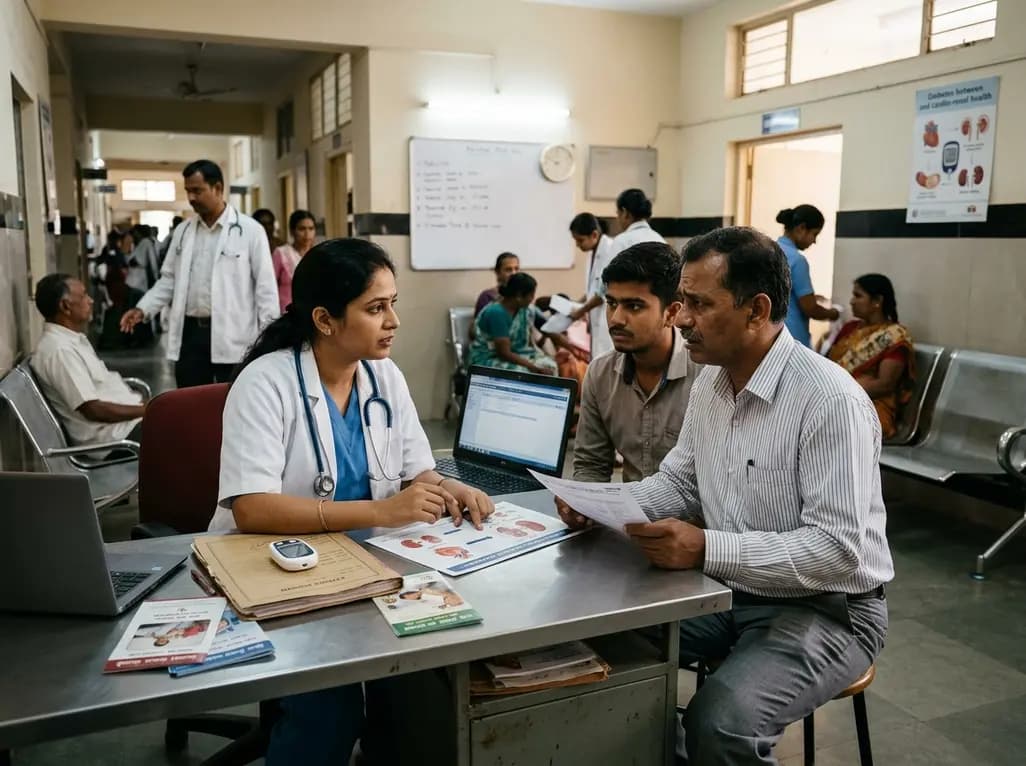
India faces a massive diabetes burden with over 89 million adults affected. Managing blood sugar in isolation fails to prevent severe cardiorenal complications. Clinicians must adopt an integrated metabolic ecosystem that prioritizes early detection, multifactorial risk assessment, and personalized therapies.
Today
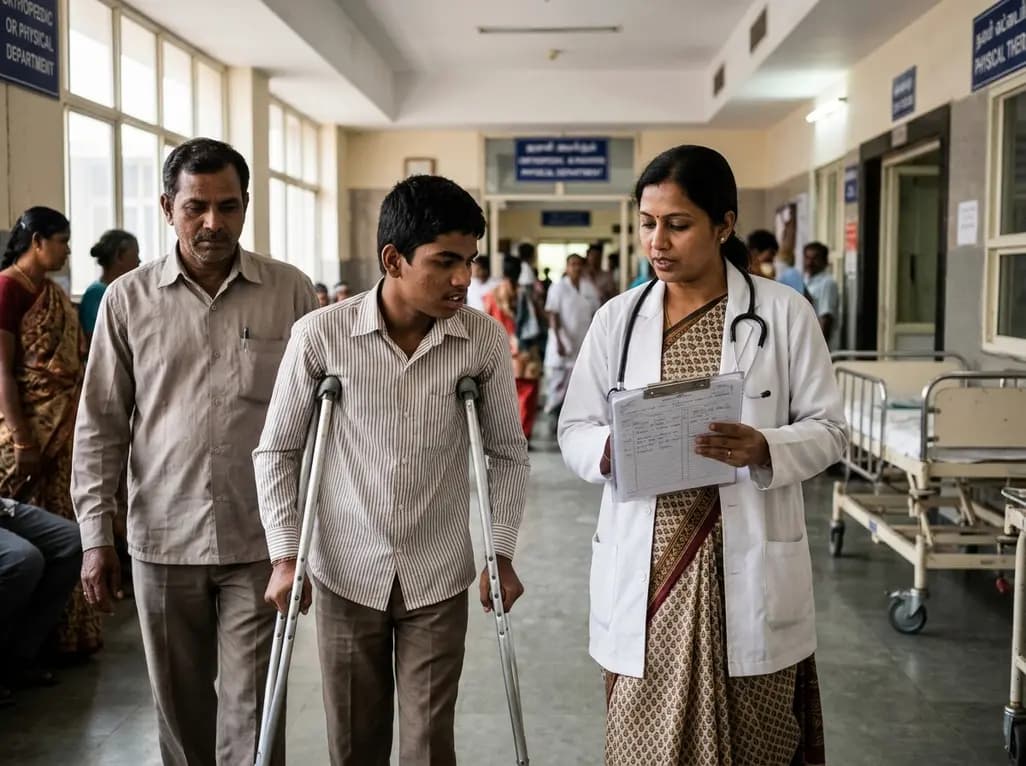
The Gross Motor Function Classification System (GMFCS) stops its validated age bands at 18. Recent evidence emphasizes that evaluating adult cerebral palsy requires purpose-sensitive documentation combining adolescent ratings with dynamic profiles of mobility, fatigue, pain, and community participation.
Today

A breakthrough 3D-printed piezoelectric collagen hydrogel activated by ultrasound accelerates diabetic wound repair, demonstrating 98.5% wound closure, robust antibacterial action, and enhanced vascularization without toxic chemical crosslinkers.
Today
