

Loading, please wait...
Loading, please wait...

Hospital systems thrive on the relentless dedication of support personnel, yet these essential team members often experience pronounced health disparities. Delivering effective workplace health support represents an urgent operational and ethical priority for healthcare leadership. Service staff face unique occupational hurdles that demand targeted institutional backing.
Healthcare facilities require a diverse workforce to maintain seamless daily operations. However, hospital service workers, including environmental technicians, dietary staff, and transport aides, frequently navigate low- to mid-socioeconomic conditions. Consequently, these frontline teams face elevated risks of chronic conditions, particularly obesity and metabolic dysfunction. A cross-sectional investigation evaluated workplace health support utilization among nearly twelve hundred service employees within a large healthcare system. The investigators specifically categorized employee wellness provisions into two distinct functional domains: instrumental resources and informational tools. The study revealed that the median employee engaged with only two supports overall, consisting of one instrumental resource and one informational resource. Furthermore, this modest utilization rate emphasizes an underlying disconnect between available hospital wellness initiatives and practical worker adoption. Many lower-wage healthcare workers encounter inflexible shift schedules and physical fatigue that impede routine participation. Therefore, clinical administrators must carefully scrutinize how support programs align with the operational realities of their auxiliary staff. Merely offering generalized wellness options rarely produces meaningful health improvements without targeted delivery strategies.
Understanding the functional distinction between different intervention types is crucial for optimizing hospital wellness initiatives. Instrumental workplace health support includes tangible, practical resources that directly lower barriers to healthy living. For example, instrumental supports provide free on-site biometric screening, subsidized healthy cafeteria options, dedicated fitness facilities, and scheduled exercise breaks. Conversely, informational support encompasses knowledge-based resources such as educational newsletters, wellness workshops, health counseling webinars, and online nutritional guides. The study documented clear behavioral differences in how employees utilize these complementary resources. Specifically, workers engaged with informational and instrumental supports through divergent psychosocial and demographic pathways. In addition, workers who face extreme physical demands often prioritize tangible instrumental aids over purely didactic materials. Educational pamphlets fail to improve metabolic health when employees lack affordable access to nutritious food during late shifts. Therefore, comprehensive employee wellness models must provide tangible infrastructure alongside educational campaigns. When hospital administrators balance material assistance with evidence-based guidance, service workers achieve significantly higher rates of sustainable behavioral change.
Demographic characteristics exert a profound influence on how service employees access institutional health resources. Statistical analysis demonstrated that older employees exhibited significantly greater informational workplace health support use. Mature workers frequently seek preventive knowledge to manage emerging chronic conditions or to optimize their long-term health trajectory. In contrast, Black service personnel showed substantially higher engagement with instrumental supports compared to informational materials. Furthermore, multivariable negative binomial regression confirmed that age, race, and organizational climate remained independently associated with program participation. Modest interaction effects also emerged between organizational health climate, race, and worker sex. These nuanced variations underscore that lower-socioeconomic hospital workers do not represent a homogeneous group with uniform wellness preferences. Consequently, rigid one-size-fits-all corporate wellness packages inevitably perpetuate existing healthcare disparities within medical institutions. Leadership teams must instead evaluate sociodemographic distributions to create culturally congruent and age-tailored wellness initiatives. Moreover, engaging employee representatives during program design ensures that interventions address the tangible priorities of diverse staff cohorts.
Workplace culture serves as a foundational pillar for successful employee health promotion. Organizational health climate reflects the shared perception among employees that their institution genuinely values and prioritizes worker wellbeing. In the study, a favorable organizational health climate correlated modestly with increased adoption of physical activity and healthy eating supports. Interestingly, this institutional climate remained an independent predictor of overall engagement even after adjusting for individual covariates. However, generalized supervisor support and coworker camaraderie alone did not reliably overcome systemic barriers to participation. When an institution fosters an authentic culture of wellness, staff members perceive lower psychological barriers to utilizing available benefits. Furthermore, supportive management validates the worker's right to prioritize personal health during grueling hospital shifts. In contrast, an indifferent organizational climate breeds cynicism, leading service personnel to disregard wellness communications as hollow institutional gestures. Therefore, hospital executives must actively demonstrate commitment by embedding health-promoting policies into institutional routines, rather than treating wellness as a discretionary human resources exercise.
Healthcare organizations in India face comparable challenges regarding the occupational wellbeing of auxiliary hospital staff. Ward attendants, sanitation workers, and dietary personnel often experience high rates of cardiometabolic conditions alongside strenuous physical workloads. However, corporate wellness initiatives frequently target administrative or clinical executives while overlooking low-socioeconomic service cadres. Indian hospital administrators and occupational health physicians should proactively leverage these research findings to restructure institutional health policies. First, hospitals must prioritize tangible instrumental assistance, such as subsidized nutritious canteens and ergonomic protections during extended duty rosters. Second, institutions should introduce culturally tailored and linguistically accessible informational campaigns that respect worker diversity. Third, department heads must cultivate an open organizational health climate where auxiliary staff feel empowered to access institutional care. In addition, routine occupational health audits should monitor non-communicable disease risk factors among lower-wage healthcare workers. By systematically addressing social determinants and practical workplace barriers, healthcare institutions can establish a resilient, healthy, and highly engaged frontline workforce.
Instrumental workplace health support delivers tangible, practical resources that directly facilitate healthy behaviors among employees. Examples include subsidized nutritious meals, on-site fitness facilities, scheduled exercise breaks, and free clinical health screenings. Conversely, informational workplace health support provides educational guidance, such as health newsletters, digital wellness seminars, and disease prevention brochures. Both modalities complement each other, but lower-wage workers frequently rely on tangible instrumental resources to overcome daily financial and logistical barriers.
Demographic factors such as age, race, and socioeconomic status directly shape employee health priorities and personal resources. Older workers often seek informational supports to manage emerging chronic illnesses and understand age-related risks. Meanwhile, service workers from minority or lower-income backgrounds face acute structural constraints, including transportation challenges and limited budgets. Consequently, these employees derive greater value from tangible instrumental benefits that reduce living expenses rather than purely theoretical advice.
Hospital administrators can foster a strong organizational health climate by visibly integrating employee wellness into core operational policies. Leadership must ensure that shift workers receive protected time for meal breaks and physical activity without fear of reprisal. Furthermore, providing clean break rooms, affordable healthy cafeteria meals, and accessible mental health resources signals genuine institutional respect. When hospital leadership visibly prioritizes employee wellbeing, service personnel exhibit greater morale, reduced absenteeism, and higher program engagement.
Disclaimer: This content is for informational and educational purposes only... Refer to the latest local and national guidelines for clinical practice.
References

Read summarized clinical updates, watch expert medical content, and earn CME certifications right from your smartphone.
Open your smartphone camera to scan and install.





A cross-sectional study evaluates how hospital service workers utilize instrumental and informational workplace health supports, emphasizing the critical role of organizational climate, age, and race in employee wellness.
Today
New insights into right hemisphere language recovery highlight how early neural plasticity preserves speech after perinatal stroke, while adult stroke survivors demonstrate distinct, adaptive reorganization mechanisms.
Today

A landmark study evaluates artificial intelligence models and prompting strategies in qualitative lupus pregnancy research, revealing that few-shot prompting in advanced LLMs reliably captures maternal experiences, clinical anxieties, and perinatal outcomes across diverse languages.
Today
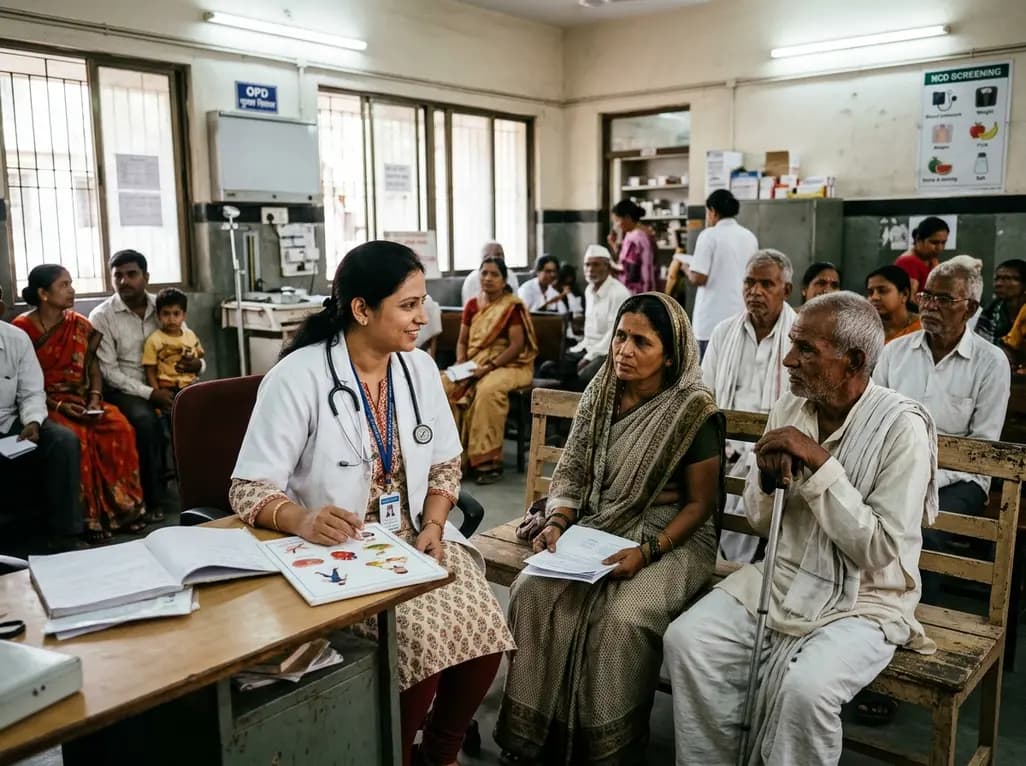
A landmark ten-year WHO report reveals how socioeconomic status, geography, and gender disparities profoundly aggravate chronic disease risks, diagnosis delays, and therapeutic outcomes globally. Discover actionable primary care strategies to bridge screening divides and optimize vulnerable patient management.
Today
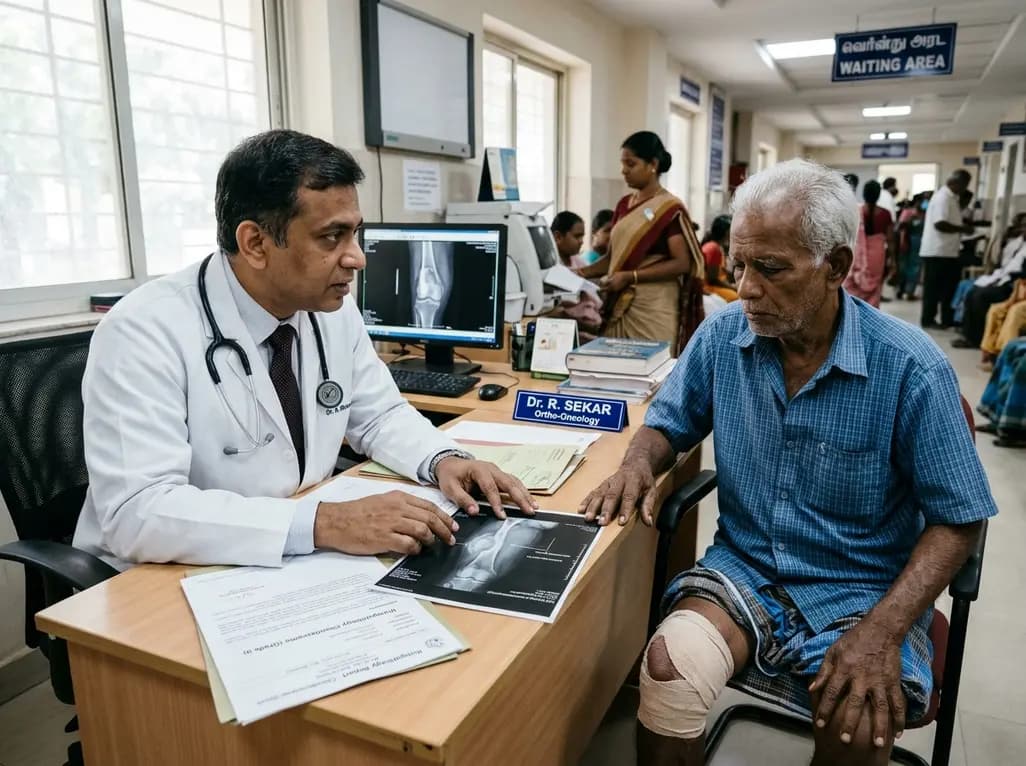
A recent single-institution analysis identifies advanced patient age and progressive systemic disease as primary negative prognostic factors for five-year survival in chondrosarcoma, underscoring the urgent necessity of precise risk stratification, clear surgical margins, and dedicated oncologic follow-up.
Today
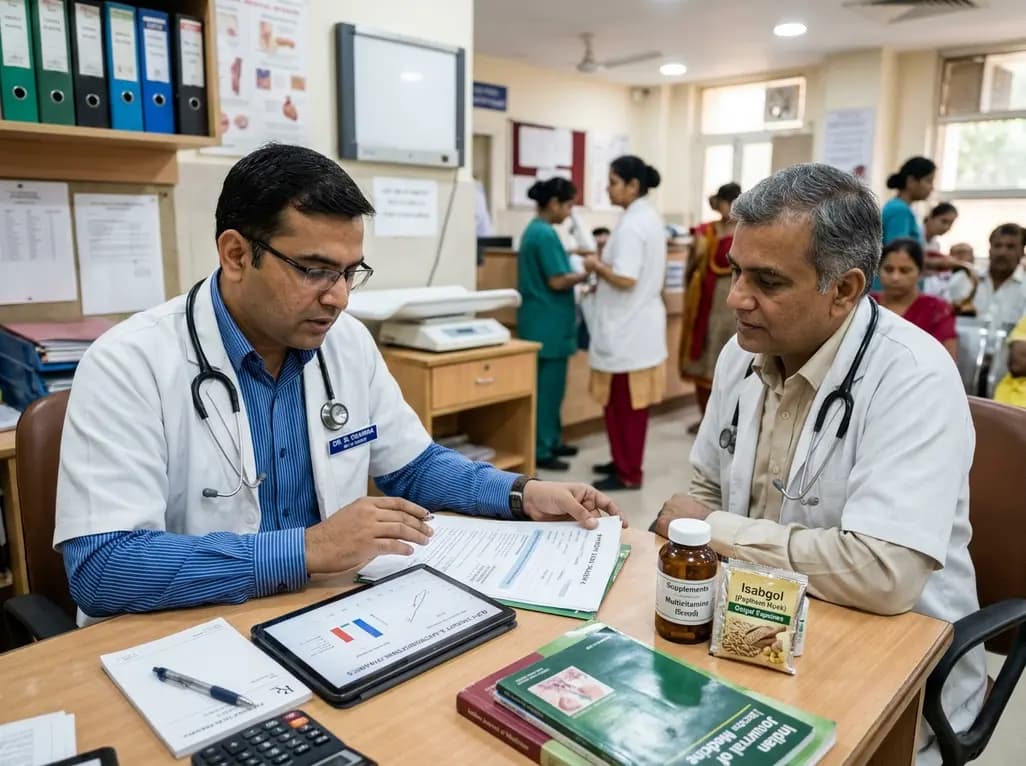
As millions adopt GLP-1 receptor agonists, patients frequently combine unverified dietary supplements to mitigate gastrointestinal side effects. Clinicians must understand delayed gastric absorption, supplement quality risks, and evidence-based nutrition strategies to protect patient outcomes during medical weight loss.
Today
