.webp&w=384&q=75)

Loading, please wait...
Loading, please wait...

Workplace breastfeeding support serves as a critical determinant for nursing professionals who strive to balance clinical duties with personal maternal health goals. A recent cross-sectional study highlights that registered nurses (RNs) often face significant challenges in maintaining breastfeeding duration due to inadequate institutional environments. While nurses advocate for patient health, they frequently encounter barriers such as insufficient time and lack of private spaces within their own healthcare facilities. Addressing these gaps is essential for improving the well-being of the nursing workforce.
Research indicates a strong association between overall workplace support and the length of time nurses continue to breastfeed. Specifically, participants receiving high levels of support reported an average breastfeeding duration of 4.7 months longer than those with low support. This finding underscores the necessity of integrated support systems that combine physical infrastructure with organizational policy. Furthermore, structural domains such as dedicated lactation rooms and high-quality equipment proved to have the most significant positive impact on breastfeeding outcomes.
Hospital administrators must prioritize structural improvements to retain a healthy and satisfied workforce. Although many institutions provide basic interpersonal encouragement, the implementation of physical resources often lags behind. For instance, designated private spaces and secure storage for expressed milk are essential components that facilitate continuous breastfeeding. Therefore, improving these physical domains can directly enhance the well-being of nursing staff. Moreover, clear policies regarding nursing breaks ensure that RNs can meet their personal health goals without compromising patient care. In India, where the Maternity Benefit Act mandates such facilities, ensuring awareness and accessibility remains a vital next step.
High levels of workplace support, including adequate time and physical facilities, are associated with a nearly five-month increase in breastfeeding duration among nurses. Conversely, low support often leads to earlier cessation of breastfeeding.
The most impactful components include physical support, such as private lactation rooms and equipment for storing expressed milk. Interpersonal support from colleagues and clear institutional policies also play vital roles in sustaining breastfeeding practices.
Disclaimer: This content is for informational and educational purposes only. It does not constitute professional medical advice, diagnosis, or treatment. Always seek the advice of your physician or other qualified health provider with any questions you may have regarding a medical condition. Refer to the latest local and national guidelines for clinical practice.
References
Woodson LL et al. Workplace Support and Breastfeeding Duration Among Registered Nurses: A Cross-Sectional Study. West J Nurs Res. 2026 Mar 28. doi: 10.1177/01939459261428911. PMID: 41902605.
Ranjitha S et al. Workplace Breastfeeding Support and Breastfeeding Practices among Healthcare Professionals. Indian J Community Med. 2023;48(3):453-458. doi: 10.4103/ijcm.ijcm_165_22.
Ministry of Health and Family Welfare. MAA (Mothers’ Absolute Affection) Programme Guidelines. Government of India.
"
Read summarized clinical updates, watch expert medical content, and earn CME certifications right from your smartphone.
Open your smartphone camera to scan and install.





High workplace support, including physical environments and policies, significantly increases breastfeeding duration among registered nurses by nearly 5 mon...
5 months ago
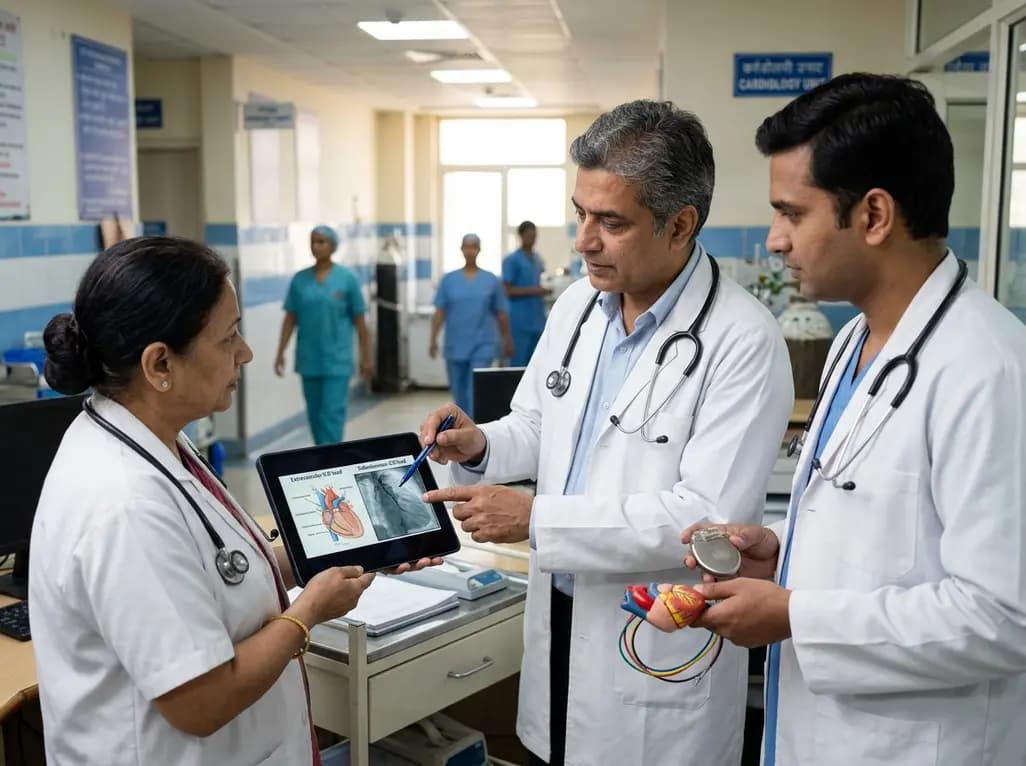
A clinical comparison of extravascular and subcutaneous implantable cardioverter-defibrillators, detailing patient selection, pacing capabilities, and implantation nuances.
Today

A premature neonate developed upper limb compartment syndrome after uterine rupture extruded the arm through a scar defect. Conservative management with continuous monitoring yielded complete functional recovery and normal limb growth at 10-year follow-up, highlighting non-operative safety in selected cases.
Today
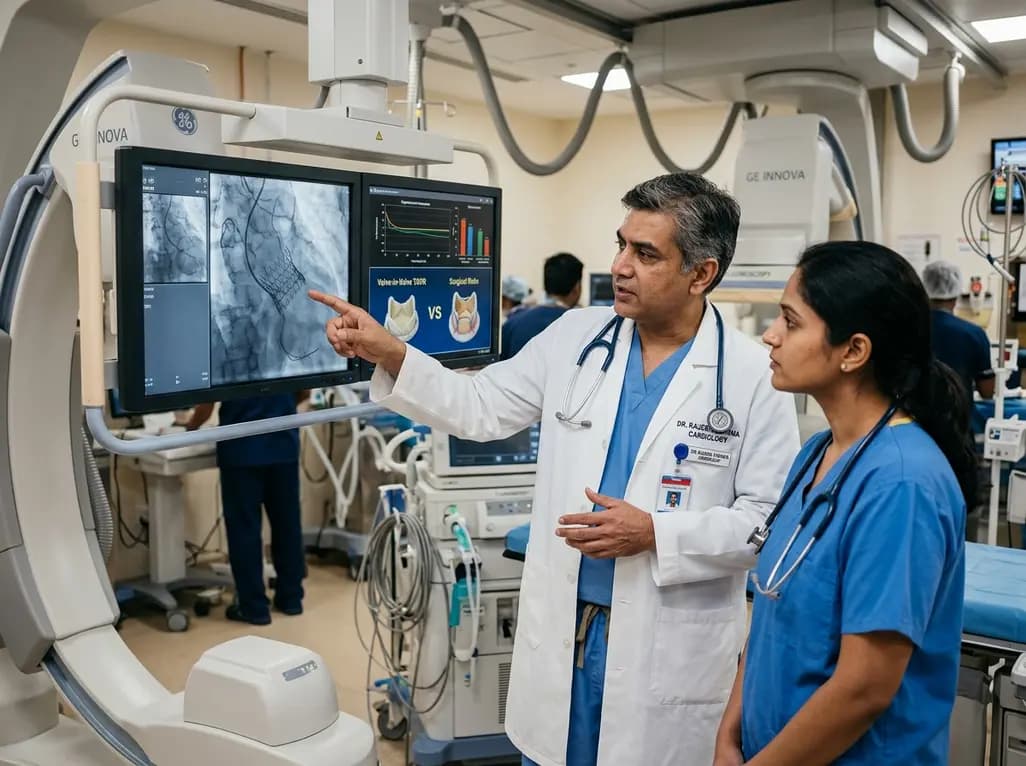
A meta-analysis of 13 propensity score-matched studies shows ViV-TAVR delivers lower early mortality and reduced bleeding compared to redo-SAVR for degenerated bioprosthetic aortic valves, though long-term hemodynamics warrant careful anatomical and patient-centered evaluation.
Today
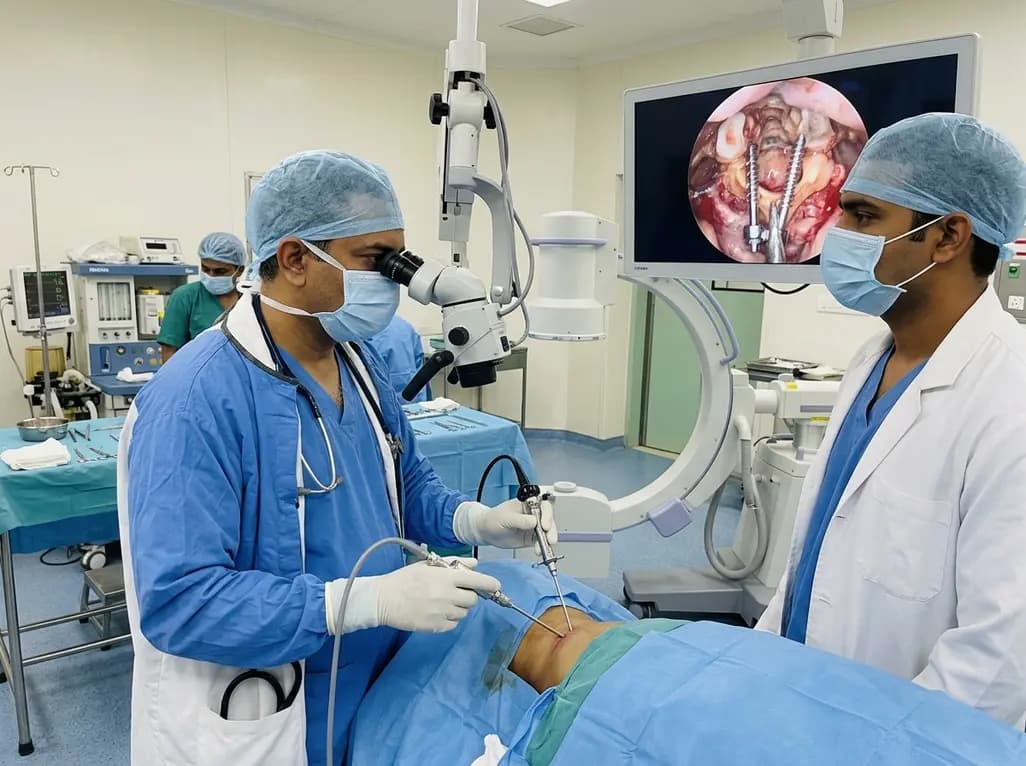
Endoscopic posterior cervical fusion combines minimally invasive decompression, joint preparation, and rigid screw-rod fixation for atlantoaxial pathologies. Early clinical findings demonstrate solid bony union, excellent symptom relief, and minimal soft-tissue morbidity without significant vascular compromise.
Yesterday
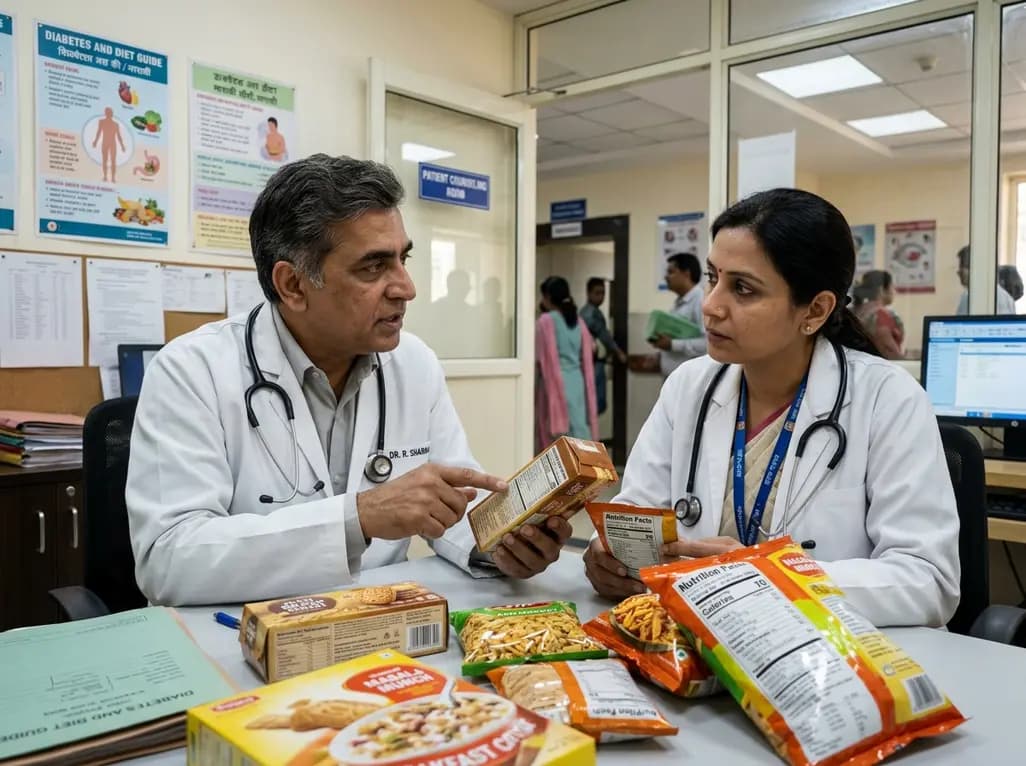
The All-India Food Processors' Association has approached the Supreme Court to oppose FSSAI's proposed per-100g benchmark for front-of-pack warning labels, advocating instead for a per-serving threshold. We explore the regulatory showdown, nutritional evidence, and implications for clinical lifestyle counseling.
Today
