.webp&w=384&q=75)

Loading, please wait...
Loading, please wait...

Healthcare systems worldwide rely heavily on female professionals for frontline clinical delivery. However, women remain significantly underrepresented in senior administrative roles. At the 6th edition of the ETHealthWorld Healthcare Leaders Summit, experts highlighted that women leadership in healthcare represents an urgent operational necessity rather than a symbolic diversity metric. When women hold decisive management roles, clinical facilities enhance their operational workflows and patient satisfaction. Consequently, medical leaders must dismantle institutional barriers and build robust career progression models across Indian hospitals.
For many years, healthcare organizations treated gender parity merely as a corporate metric. However, modern clinical governance requires a fundamental shift in perspective. Dr. Shuchin Bajaj, Founder and Director of Ujala Cygnus Hospitals, emphasized that female leadership directly dictates healthcare delivery outcomes. This operational dynamic becomes especially vital in smaller towns and underserved rural districts across India. In these underserved areas, women often face severe cultural barriers when seeking preventive cancer screening and routine obstetric care. Therefore, healthcare networks cannot improve community health literacy without women participating actively in executive decisions. Dr. Bajaj noted that having female staff physically present in committee rooms is never sufficient. Instead, healthcare organizations must empower women to lead boardroom deliberations and drive strategic institutional policy. Furthermore, administrative leaders must hire local talent and establish transparent promotional pathways. When healthcare networks cultivate indigenous healthcare leadership, clinical teams understand regional sociocultural nuances far more effectively. In addition, institutions must offer meaningful workplace flexibility during critical life transitions such as child-rearing and elder care. Ultimately, executive policies succeed only when regional hospital managers actively implement and defend these operational workplace protections for staff members.
Operational efficiency in medical institutions depends heavily on empathetic communication and team cohesion. Moreover, research confirms that women leadership in healthcare enhances clinical outcomes and reduces medical errors. Female executives frequently champion multidisciplinary clinical rounds, integrated nursing workflows, and patient-centered treatment protocols. As a result, hospitals experience lower complication rates and improved patient compliance. Furthermore, female healthcare administrators bring vital perspectives to capital allocation and clinical development. Because women make up most healthcare consumers, their executive insights ensure targeted service delivery. Dr. Bajaj highlighted that hospitals fail to design comprehensive community outreach programs when executive boards lack female representation. When women guide clinical operations, institutions prioritize maternal health, preventative oncology screening, and chronic disease management far more effectively. Consequently, clinical facilities achieve stronger bed occupancy metrics and greater community trust. In addition, diverse managerial teams demonstrate superior resilience during severe operational crises and acute staffing shortages. Thus, appointing women to executive roles is never corporate tokenism. Rather, it represents an evidence-based strategy for long-term clinical sustainability and financial stability. Hospital networks that prioritize gender parity in governance consistently report higher clinical quality scores and better financial performance.
Workforce attrition presents a persistent operational crisis for clinical administrators across India. Dr. Evita Fernandez, Chairperson of the Fernandez Foundation, addressed this urgent challenge during the summit. She explained that private and public hospitals struggle continuously to retain skilled nursing staff and mid-career clinicians. Many talented nurses leave bedside care due to marriage, family relocation, government recruitment drives, or lucrative overseas opportunities. Consequently, healthcare organizations must invest deliberately in structured training, clinical mentorship, and career progression. Dr. Fernandez emphasized that executive leaders must identify emerging talent early and actively nurture these professionals into senior management positions. Furthermore, hospital administrators must restructure demanding clinical duties into collaborative, team-based care models. Such systems provide physicians and nursing staff with predictable working hours and adequate rest periods. When clinical teams experience predictable schedules, rates of severe professional burnout drop dramatically. In addition, healthcare facilities must provide extended operational support during maternity leave and other significant life stages. Comprehensive workplace safety, competitive compensation packages, and professional respect serve as indispensable retention pillars. Notably, Dr. Fernandez highlighted that women stay with an institution only when they feel respected, valued, and physically safe across all hospital departments.
Unconscious bias remains a formidable barrier to executive advancement in modern healthcare institutions. Shefali Tomar, Vice President of People and Culture at C.K. Birla Hospital, pointed out that systemic preconceptions still dominate hiring decisions. Specifically, interview committees often harbor doubts regarding marriage, maternity, and career continuity during recruitment. Consequently, qualified female professionals frequently encounter invisible barriers when attempting to transition from bedside practice to executive governance. To rectify this disparity, Ms. Tomar advocated for strictly gender-agnostic operational processes across hospitals. Accordingly, hospitals must establish objective standards for recruitment, performance appraisals, compensation, and promotions. Furthermore, executive leadership must train department managers to identify and neutralize cognitive biases during candidate assessments. When hospital managers base promotional decisions purely on talent and clinical contribution, institutional culture transforms rapidly. Ms. Tomar shared examples of employees advancing from frontline patient-care roles to senior operational and patient-experience leadership positions. Similarly, such upward mobility requires structured mentorship programs, cross-functional rotations, and proactive succession planning. Therefore, hospital governing boards must actively eliminate bias to foster sustainable institutional growth. Implementing transparent performance metrics guarantees that deserving women receive genuine opportunities to direct high-level operational strategies.
Creating a robust pipeline of female medical leaders requires systematic structural intervention rather than informal goodwill. First, healthcare networks must implement formalized succession planning across all clinical and administrative departments. Medical directors should intentionally identify high-performing female clinicians and pair them with experienced executive mentors. Additionally, hospitals must sponsor leadership training covering healthcare economics, governance, and regulatory compliance. Many female doctors possess exceptional clinical acumen but receive limited formal training in hospital administration and operational management. By systematically bridging this knowledge gap, healthcare organizations prepare senior female clinicians for boardroom decision-making roles. Moreover, institutional leadership must establish transparent internal audits to monitor promotional velocity and wage parity across departments. Hospital governing boards must hold medical superintendents directly accountable for maintaining equitable career progression. Furthermore, healthcare networks must implement family-friendly policies, including flexible scheduling and on-site childcare. When healthcare enterprises build supportive workplace ecosystems, they successfully retain elite clinical talent and elevate patient care standards. Ultimately, resilient healthcare delivery relies on diverse, capable leadership teams that understand the comprehensive needs of the communities they serve. Investing in women leaders ensures sustainable institutional growth and strengthens national public health infrastructure.
Q1: Why is female leadership considered an operational necessity rather than a diversity metric?
Female leadership directly impacts clinical delivery, workflow efficiency, and patient satisfaction across healthcare systems. Because women constitute the primary demographic seeking healthcare and managing family health decisions, female executives provide indispensable insights into patient needs. Furthermore, female leadership improves team communication, lowers medical error rates, and enhances clinical adherence. Therefore, integrating women into senior decision-making roles optimizes hospital operations, strengthens community outreach, and drives superior institutional performance.
Q2: How can hospitals improve retention rates among female healthcare workers?
Hospitals can substantially boost retention by implementing predictable team-based scheduling, offering extended maternity leave, and ensuring workplace safety. Additionally, healthcare institutions must construct visible career ladders that enable bedside nurses and junior physicians to transition smoothly into managerial roles. When healthcare organizations offer flexible scheduling, structured leadership mentoring, and transparent compensation, staff burnout drops significantly. Consequently, female clinicians feel genuinely valued and remain committed to the healthcare facility over long careers.
Q3: What practical strategies eliminate unconscious bias during hospital recruitment and promotion?
Healthcare organizations must establish standardized, gender-agnostic evaluation rubrics for hiring and promotions to eliminate bias. Additionally, hospital leadership should conduct mandatory unconscious bias training for all department chairs and hiring committees. Institutions must evaluate candidates purely on clinical competency, administrative acumen, and measurable contribution rather than personal life stages. Furthermore, implementing cross-functional exposure and succession planning ensures equitable progression for female medical professionals across all medical disciplines.
Disclaimer: This content is for informational and educational purposes only. It does not constitute medical advice or replace professional judgment. Refer to the latest local and national guidelines for clinical practice.
References

Read summarized clinical updates, watch expert medical content, and earn CME certifications right from your smartphone.
Open your smartphone camera to scan and install.





Industry leaders at the ETHealthWorld Summit emphasized that expanding women’s participation in healthcare governance is an operational necessity. Addressing unconscious managerial bias, structured career progression, and flexible workplace policies are vital steps to strengthen patient care across Indian hospitals.
last month
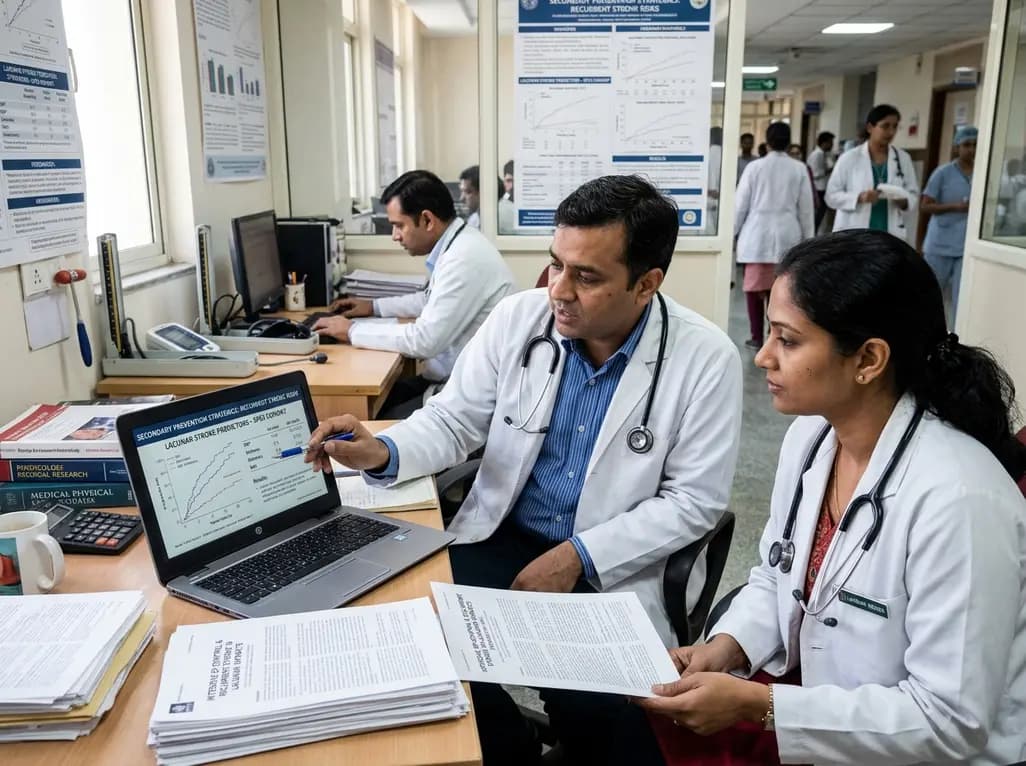
Explore vital recurrent stroke predictors in lacunar stroke patients managed with intensive blood pressure lowering. This analysis examines trial findings from SPS3 to uncover residual vascular risks, metabolic factors, and targeted secondary prevention strategies for high-risk neurological patients.
Today
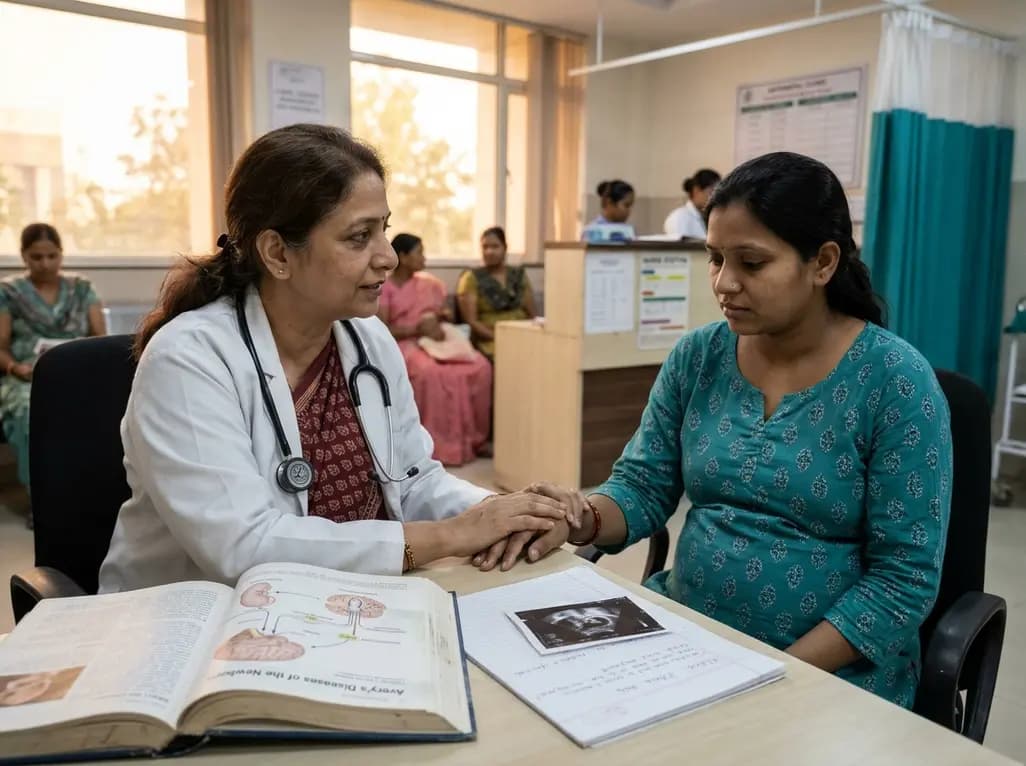
A comprehensive scoping review synthesises evidence linking prenatal maternal mental health to long-term offspring neurodevelopment, evaluating neuroendocrine, inflammatory, and epigenetic pathways while highlighting clinical screening and future research priorities.
Today

The Directorate General of Health Services directs Indian states to halt the hazardous reuse and reprocessing of single-use medical devices. Discover regulatory implications under the Drugs and Cosmetics Act, critical infection risks, legal liabilities, and operational changes required across clinical specialties.
Today
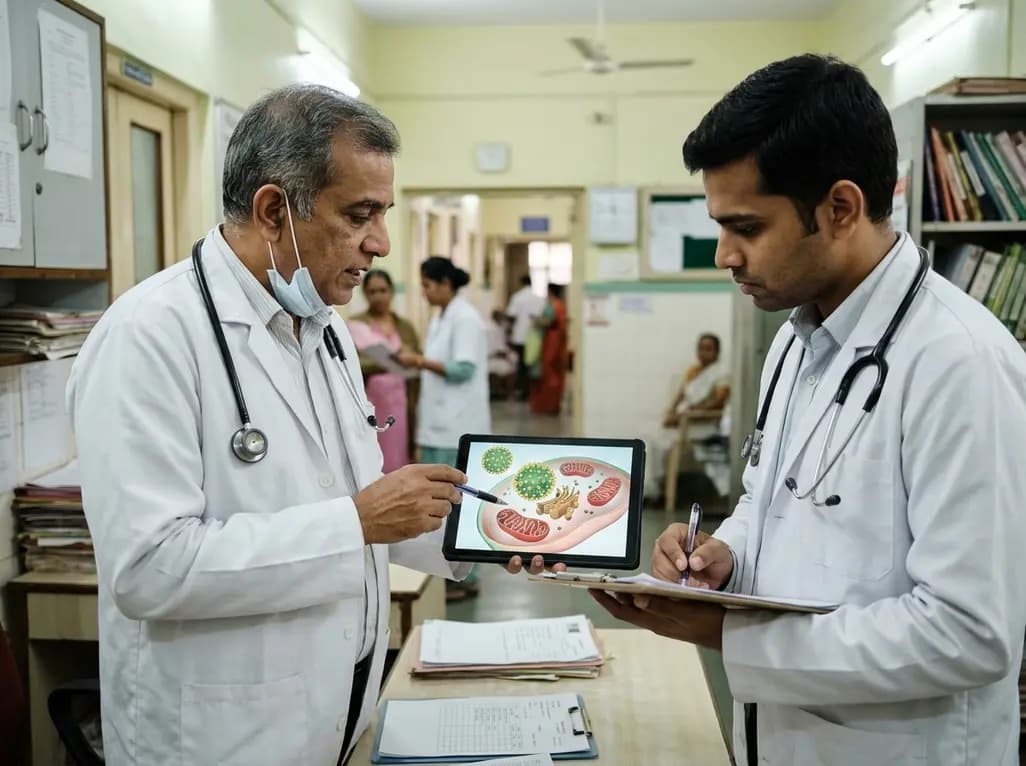
Mitochondria-targeted nanoparticles self-assembled from EGCG and L-glutamic acid effectively restore mitochondrial homeostasis, suppress synovial inflammation, and attenuate chondrocyte senescence in osteoarthritis, offering a promising disease-modifying nanotherapy.
Today

India is advancing preventive healthcare by integrating genomics, artificial intelligence, and quantum technologies. With the SANGAM programme sequencing one million Indian genomes, clinicians can unlock personalized therapies, detect cardiometabolic risks early, and curb the burden of diabetes and heart disease.
Today
