.webp&w=384&q=75)

Loading, please wait...
Loading, please wait...

India faces a persistent challenge in meeting its annual blood requirement of approximately 26.2 million units. Data from 2021 indicates that collection centers gathered only 5.83 million units. While the donor pool is vast, participation is skewed. Specifically, women donating blood account for only 18% of the total donations in India. This disparity highlights a significant untapped resource for the national healthcare system. A qualitative study conducted in New Delhi recently investigated why this gap exists by interviewing experienced blood bank professionals.
Researchers identified two primary themes regarding attitudes: responsibility and fear. Many blood bank workers observed that women often believe blood donation is inherently harmful to their health. Furthermore, some individuals perceive donation as a task that does not fall under their personal or social responsibility. These psychological hurdles are often reinforced by a lack of direct experience with the donation process. Consequently, myths regarding physical weakness after donation continue to persist among potential female donors.
Social factors significantly influence the frequency of women donating blood in the capital. The study highlights how a patriarchal society often limits the role of women in public health activities. Specifically, family structures and traditional gender roles can reduce a woman's exposure to blood donation drives. This limited exposure results in a lack of knowledge and fewer opportunities to participate. Moreover, the decision-making process within households may not always prioritize or encourage female voluntary donation.
Beyond social perceptions, physiological health remains a major obstacle. Deferral due to anemia is the leading medical reason why many willing female donors are turned away. According to the National Family Health Survey (NFHS-5), over 57% of Indian women aged 15-49 are anemic. Because Indian guidelines require a minimum hemoglobin level of 12.5 g/dL for donation, a large portion of the female population remains ineligible. Therefore, improving nutritional health is just as critical as social awareness.
The study concludes that targeted educational campaigns are essential to bridge the donor gap. These campaigns must address both men and women to dismantle the stigma surrounding female donation. Additionally, blood banks should focus on increasing exposure through community-based outreach. By addressing nutritional deficiencies and cultural myths simultaneously, India can build a more sustainable and inclusive blood transfusion service.
The low percentage is primarily due to a combination of social factors, such as traditional gender roles and limited exposure, alongside high medical deferral rates caused by anemia.
In India, both male and female donors must have a minimum hemoglobin level of 12.5 g/dL to be eligible for blood donation.
Campaigns can help by dispelling myths that donation is harmful to women's health and by encouraging a shared sense of social responsibility across all genders.
Disclaimer: This content is for informational and educational purposes only and does not constitute medical advice. Always seek the advice of a qualified healthcare provider regarding any medical condition or eligibility for blood donation. Refer to the latest local and national guidelines for clinical practice.
References
Culley HM et al. Exploring attitudes and barriers to women donating blood in New Delhi from the perspective of blood bank workers. Transfus Med. 2026 May 22. doi: 10.1111/tme.70084. PMID: 42170776.
National Family Health Survey (NFHS-5), 2019-21: India. Ministry of Health and Family Welfare, Government of India.
World Health Organization. India strengthens blood safety for universal access and quality-assured blood services. December 2025.

Read summarized clinical updates, watch expert medical content, and earn CME certifications right from your smartphone.
Open your smartphone camera to scan and install.





A qualitative study in New Delhi identifies social roles, fear, and anemia as primary barriers preventing women from donating blood in India....
4 months ago

A breakthrough study demonstrates that BAP31 protects against acute lung injury by inhibiting ferroptosis in alveolar epithelial cells. Through activating the AKT/GSK3β/Nrf2 pathway and upregulating GPX4 and HMOX1, BAP31 preserves the alveolar-capillary barrier, offering novel avenues for critical care management.
Today
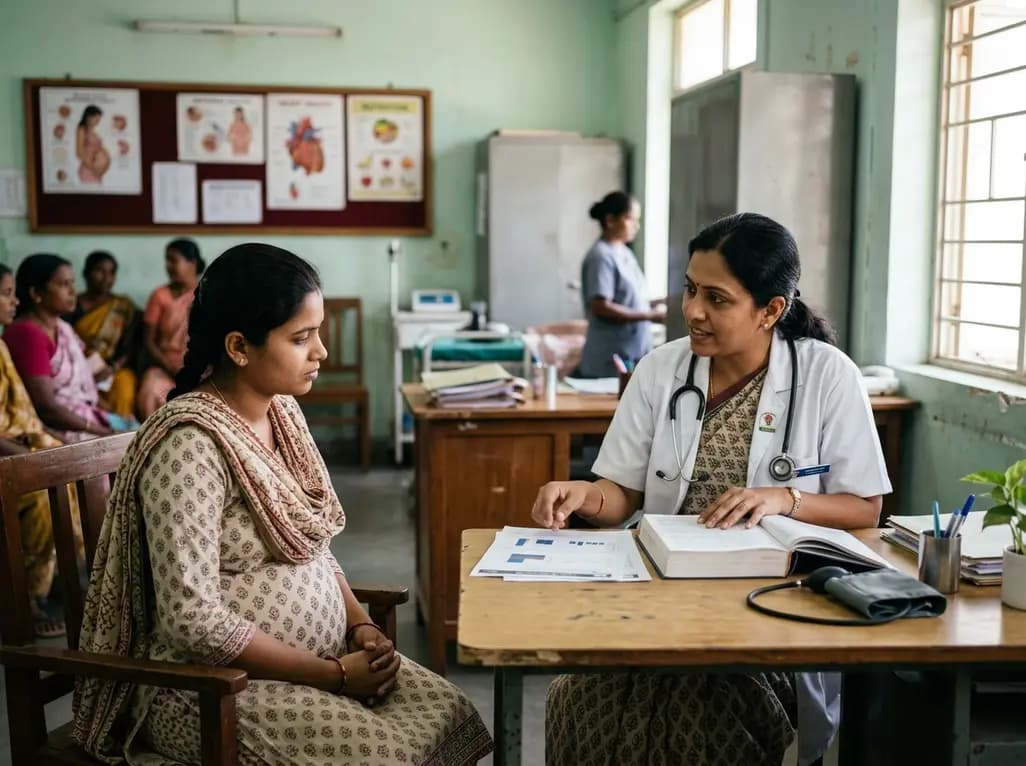
A recent longitudinal study evaluated the link between prenatal loss of control eating and cardiovascular health using Life's Essential 8 frameworks. While direct associations across pregnancy were non-significant, the high prevalence of dysregulated eating highlights critical implications for obstetric practice.
Today
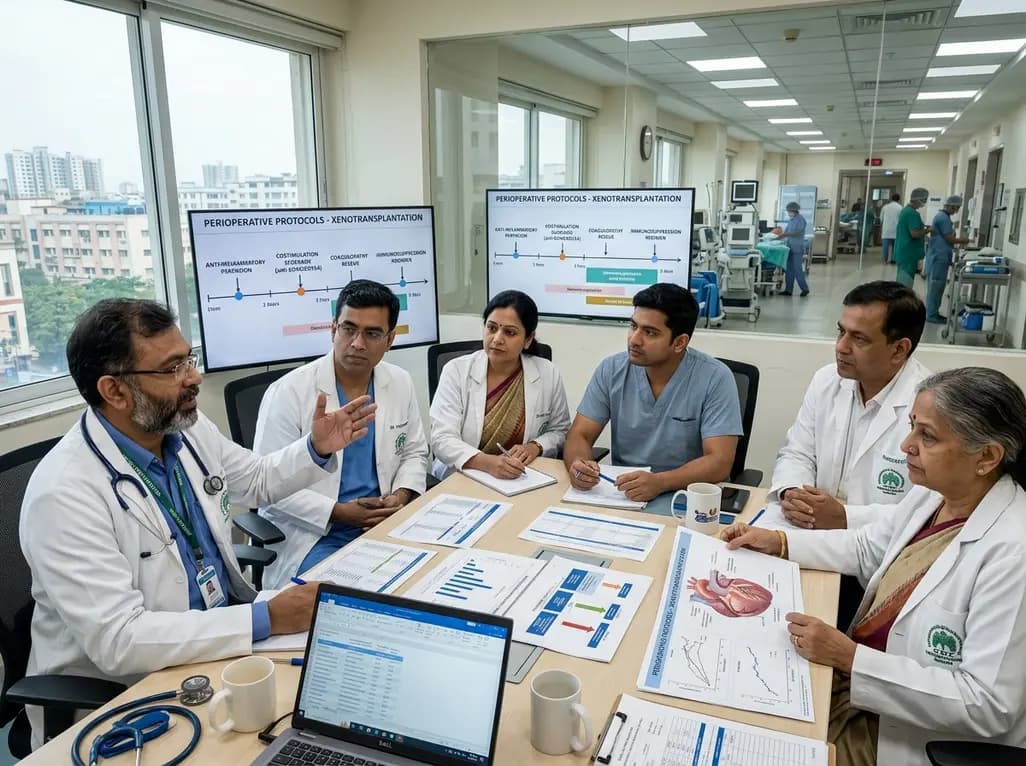
Explore modern perioperative management protocols for clinical xenotransplantation. Learn how costimulation blockade, anti-inflammatory perfusion, and coagulopathy rescue overcome interspecies hurdles.
Today
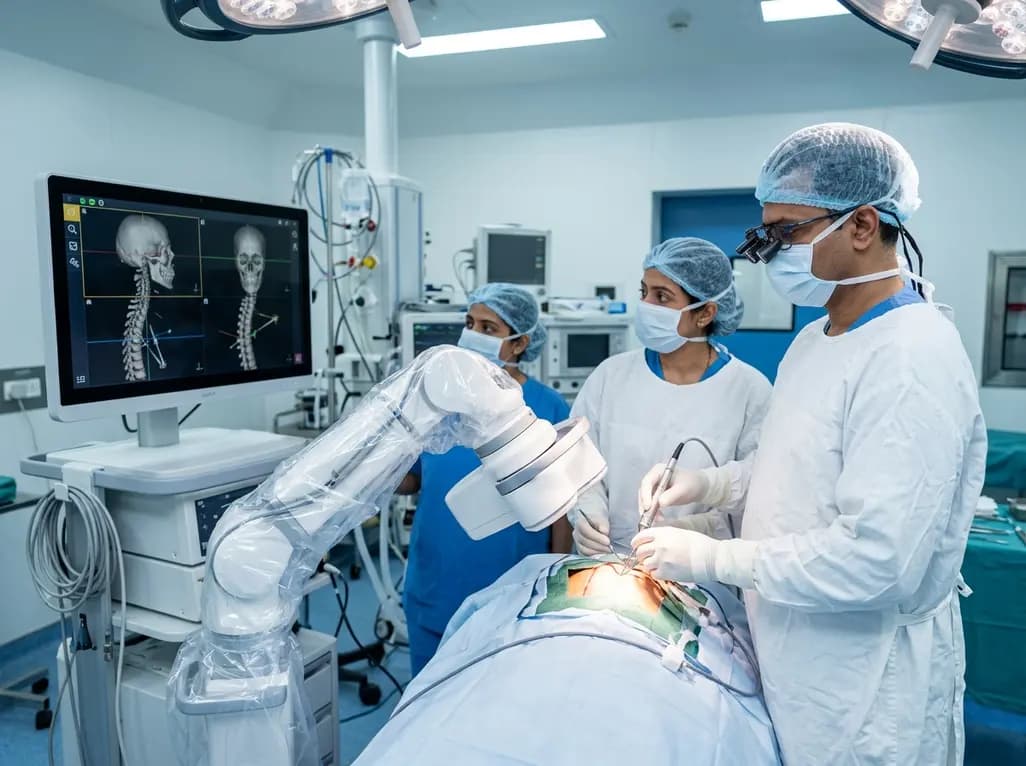
North India's first Centre of Excellence for Brain and Spine at Amrita Hospital Faridabad integrates Brainlab's Loop-X mobile robot. This landmark facility combines cone-beam computed tomography with surgical navigation to elevate precision, optimize operative workflows, and enhance specialized clinician training.
Today
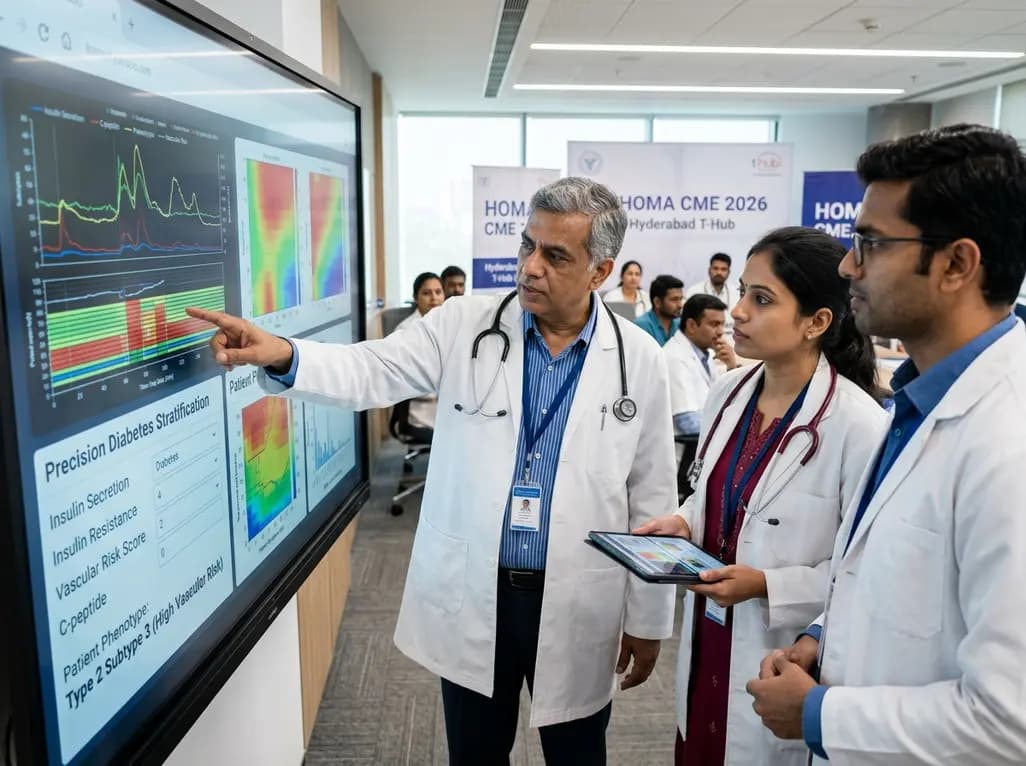
At Homa CME 2026 at Hyderabad's T-Hub, healthcare leaders emphasized moving beyond routine metrics through digital calculators and precision stratification. Discover why characterizing individual insulin secretion, resistance patterns, and vascular risks transforms chronic metabolic care in India.
Today
