.webp&w=384&q=75)

Loading, please wait...
Loading, please wait...

Accurately staging temporomandibular joint (TMJ) internal derangement remains crucial for effective surgical planning. However, a recent 20-year retrospective study highlights a significant gap when comparing Wilkes staging vs arthroscopy findings. While clinicians frequently rely on the Wilkes classification to guide diagnosis, its ability to reflect the actual state of intra-articular pathology is increasingly questioned. This extensive research analyzed 829 joints to determine if clinical-radiologic assessments align with direct surgical observation.
The study found that the overall agreement between the Wilkes and Bronstein-Merrill classifications was remarkably poor. Specifically, exact concordance occurred in only 18.7% of the analyzed joints. Consequently, the discordance rate reached 81.3%, with a weighted Cohen's kappa coefficient of -0.019. These results suggest that preoperative staging based on MRI and clinical symptoms may not accurately predict the surgical reality found during arthroscopy.
One of the most notable findings was the tendency of the Wilkes system to underestimate the severity of joint pathology. Although many patients were preoperatively staged as Wilkes IV, arthroscopic evaluation often reclassified them into Bronstein-Merrill stage III. This indicates that radiologic evidence of degenerative changes might not always correlate with the specific soft tissue and inflammatory markers observed intraoperatively. Furthermore, this discrepancy can lead to unexpected findings during surgery, requiring surgeons to adapt their techniques in real-time.
Therefore, oral and maxillofacial surgeons should approach preoperative staging with caution. While imaging provides a useful baseline, it should not be the sole determinant of the surgical approach. Surgeons must remain prepared for more complex intra-articular conditions than what is indicated by the Wilkes stage alone. This study reinforces the diagnostic and therapeutic value of arthroscopy as the definitive tool for assessing the internal state of the TMJ.
The high rate of discordance between these two staging systems underscores a fundamental limitation in current diagnostic protocols. Because clinical and radiologic data often fail to capture the full spectrum of joint disease, integrating arthroscopic findings into the final diagnosis is essential. Practitioners in India and worldwide should consider these results when counseling patients about surgical expectations and potential outcomes.
The discordance often stems from the limitations of MRI in detecting microscopic synovial changes, early adhesions, or specific disc morphology. Wilkes staging relies heavily on imaging, whereas arthroscopy allows for direct visualization of the joint environment.
No, the Wilkes classification remains a valuable clinical tool for initial categorization. However, this study suggests it should be supplemented with arthroscopic findings to ensure a more accurate diagnosis and comprehensive treatment plan.
Disclaimer: This content is for informational and educational purposes only. It does not constitute medical advice or establish a doctor-patient relationship. Always seek the advice of a qualified healthcare provider regarding any medical condition or treatment. Refer to the latest local and national guidelines for clinical practice.
References
1. de la Sen Corcuera Ó et al. Correlation between Wilkes staging and arthroscopic findings in TMJ internal derangements: A 20-year retrospective study. J Craniomaxillofac Surg. 2026 May 20. doi: undefined. PMID: 42160803.
2. Bronstein SL, Merrill RG. Arthroscopy of the temporomandibular joint: Correlation of clinical and arthroscopic findings. J Oral Maxillofac Surg. 1992.

Read summarized clinical updates, watch expert medical content, and earn CME certifications right from your smartphone.
Open your smartphone camera to scan and install.





A 20-year study shows that Wilkes staging often underestimates TMJ pathology compared to arthroscopy, with an 81.3% discordance rate among patients....
5 months ago

Co-administering antiseizure medications and DOACs frequently causes pharmacokinetic interactions, subtherapeutic drug levels, and thromboembolic failures. This review highlights enzyme induction risks, unpredictable outcomes with levetiracetam, and the vital role of therapeutic drug monitoring.
Today

Demanding exhaustive hormonal profiling can inadvertently discourage clinical studies involving females. Methodological standards must align with the specific scientific question to expand, not restrict, equitable evidence for women.
Today
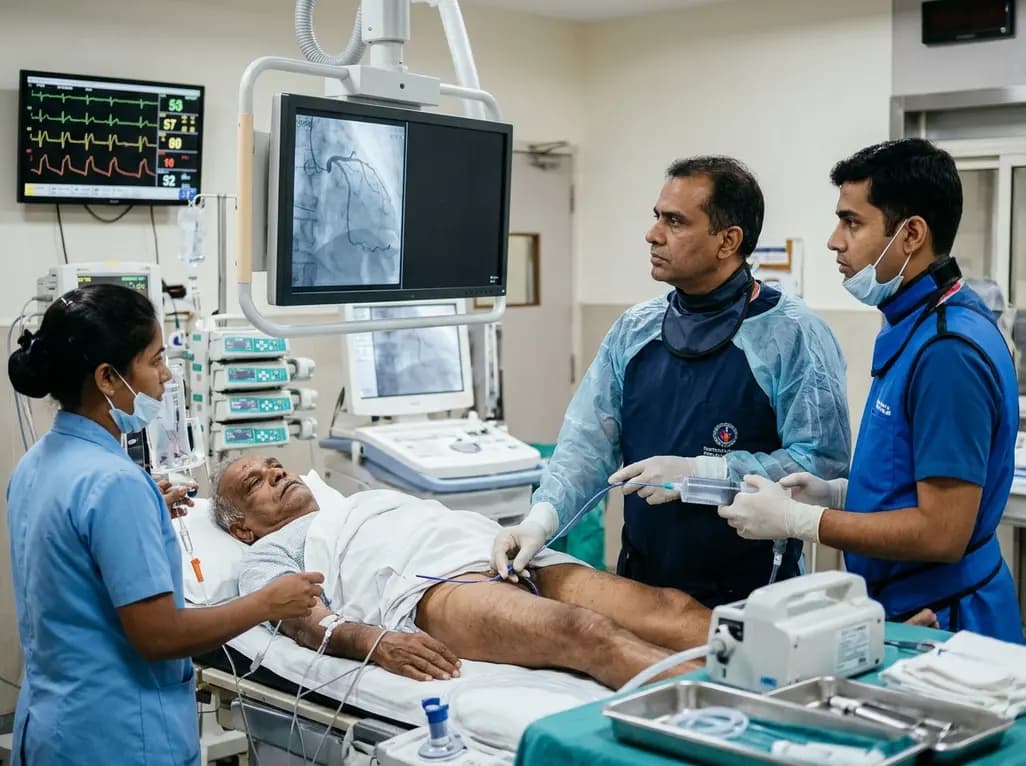
An elderly man with partially repaired Tetralogy of Fallot presented with STEMI caused by coronary embolism rather than atherosclerosis. Successful treatment with sustained mechanical aspiration thrombectomy underscores the vital need for high clinical vigilance in adult congenital heart disease.
Today
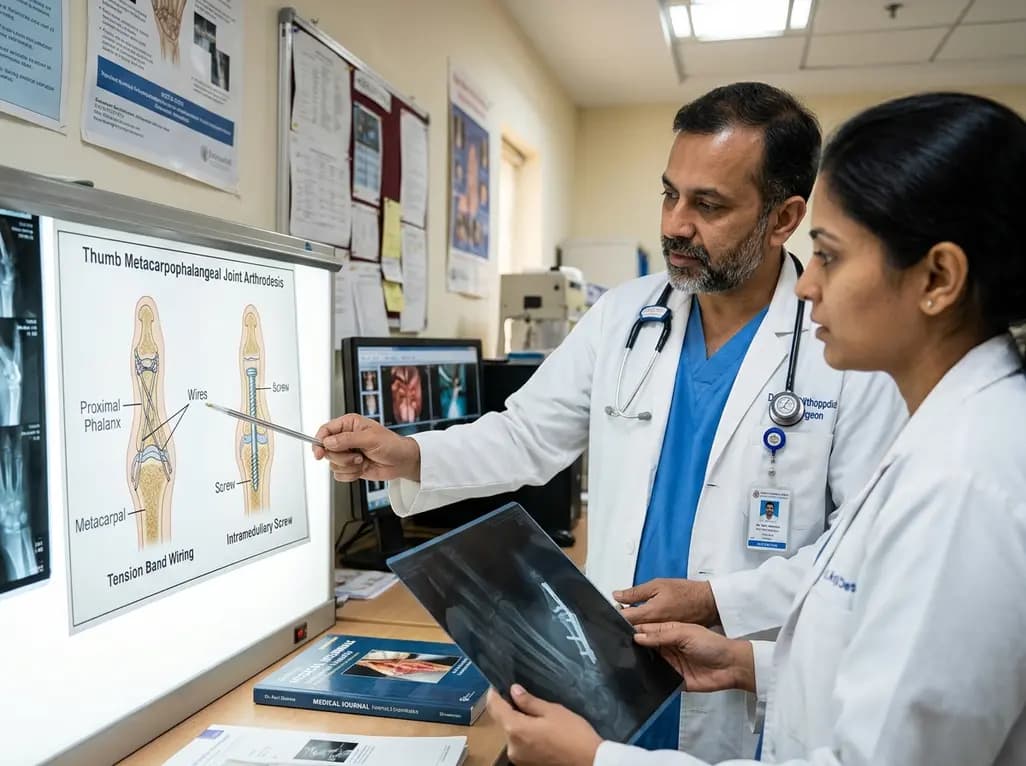
A comparative review of tension band wiring and intramedullary screw fixation in thumb metacarpophalangeal arthrodesis, evaluating union rates, hardware complications, and clinical outcomes.
Today

Following regulatory scrutiny from FSSAI regarding promotional representations and lean muscle preservation claims, Dr. Reddy's Laboratories and Nestlé Health Science are currently reviewing the branding and marketing strategy for their joint nutritional supplement Celevida GLP+.
Today
