.webp&w=384&q=75)

Loading, please wait...
Loading, please wait...
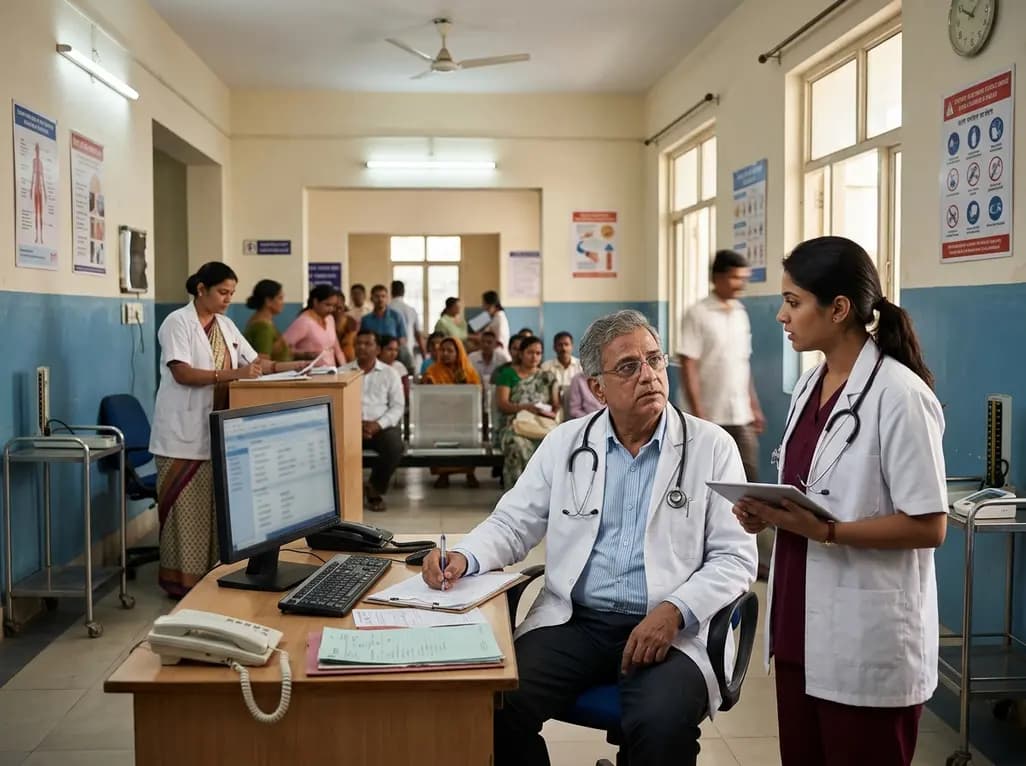
The global healthcare system faces an unprecedented structural challenge as workforce demographics shift. Recently, the World Health Organization issued a stark warning regarding the widening health workforce gap across both developed and developing regions. This expanding deficit threatens healthcare delivery models, clinical outcomes, and universal health coverage targets. Therefore, health leaders and policymakers must understand the underlying drivers and design proactive solutions to protect sustainable patient care.
Global health authorities have raised urgent concerns regarding international human resource shortages. Specifically, latest projections indicate an alarming deficit of 11.1 million healthcare professionals by 2030. This shortage encompasses physicians, registered nurses, midwives, and essential allied healthcare professionals across over one hundred countries. Furthermore, analysts identify that sixty-seven nations will soon lack adequate staffing to maintain current clinical care standards. Consequently, health services will encounter severe capacity constraints during emergencies and routine encounters.
In addition, the current trajectory reflects deep historical underinvestment in public medical training infrastructures. Educational institutions in many jurisdictions cannot graduate sufficient trainees to keep pace with population growth. Moreover, regional disparities worsen the distribution of available personnel between urban tertiary hospitals and rural clinics. Thus, millions of citizens already struggle to access primary care providers in a timely manner. As a result, clinical workloads increase relentlessly for remaining practitioners, which accelerates occupational burnout. Additionally, healthcare facilities report severe difficulty in retaining experienced mid-career clinical mentors. Without seasoned faculty, medical schools struggle to expand residency posts safely. Therefore, expanding training capacity requires coordinated funding and modern pedagogical resources across every health specialty.
The modern healthcare crisis involves a complex dual demographic challenge. On one hand, patient populations are ageing rapidly worldwide. Consequently, geriatric cohorts exhibit higher rates of chronic metabolic diseases, cardiovascular pathologies, and cognitive disorders. These complex clinical cases inevitably demand intensive, multidisciplinary medical attention over extended timeframes. Therefore, outpatient clinics and hospital inpatient wards experience surging admissions and prolonged lengths of stay.
On the other hand, the medical workforce itself is growing older at an alarming rate. Globally, nearly one in four doctors is currently aged fifty-five or older. In fact, these seasoned professionals plan to retire within the next decade. Consequently, clinical departments risk losing decades of institutional wisdom, diagnostic prowess, and specialized surgical skills in a short period. Furthermore, health systems lack sufficient younger doctors ready to step immediately into senior supervisory positions. Meanwhile, rising operational demands place excessive physical stress on older clinicians who remain in active duty. Thus, this collision of ageing providers and greying patients represents a critical threat to clinical safety and system resilience. Moreover, health administrations must restructure workplace ergonomics to accommodate mature clinicians. In addition, mentoring frameworks can help transfer invaluable tacit clinical knowledge to younger colleagues before senior staff depart.
Workforce dynamics differ markedly across economic boundaries, yet both rich and poor nations face profound exposure. In higher-income nations, particularly within Europe, medical staff demographics skew heavily toward retirement age. Specifically, one in three physicians in these regions will reach pension eligibility within ten years. Because these nations maintain expansive welfare commitments, escalating pension and healthcare costs threaten fiscal sustainability. Consequently, public health networks struggle to preserve baseline staffing densities without substantial budget increases.
Conversely, developing countries grapple with foundational shortages in basic infrastructure, training institutes, and clinical compensation. Although these countries have younger general demographics, their health sectors experience severe chronic underfunding. Furthermore, public facilities face acute deficits in diagnostic tools, operating theatres, and essential medications. Because of these harsh working conditions, many talented graduates leave the public sector for private practice. Additionally, lower-middle-income countries suffer from severe geographical imbalances, leaving rural communities practically devoid of registered clinicians. Therefore, both rich and developing countries experience compromised care delivery, albeit through distinct demographic and macroeconomic mechanisms. Meanwhile, universal access to health services becomes an elusive goal when systemic inequities persist. Thus, national health strategies must address local socioeconomic factors to preserve institutional functionality.
To preserve existing clinical densities, global health networks require an additional 832,000 health workers immediately. However, high-income nations frequently resolve domestic shortfalls by recruiting healthcare professionals from overseas. Consequently, this predatory recruitment pattern accelerates the brain drain from resource-limited nations in Asia and Africa. Developing countries invest substantial public funds to train clinicians, only to lose them to wealthier healthcare systems. As a result, the source countries experience worsening doctor-to-population ratios and compromised critical care capacity.
Furthermore, international migration creates significant ethical dilemmas for global health governance. Although individual clinicians possess the fundamental right to seek professional advancement abroad, destination countries must avoid destabilizing vulnerable systems. For instance, the World Health Organization promotes a health workforce support and safeguards list to restrict active recruitment from vulnerable nations. Nevertheless, private recruitment agencies frequently bypass these voluntary codes through commercial bilateral agreements. In addition, migrating clinicians often encounter significant credentialing barriers, culture shock, and administrative hurdles in destination countries. Therefore, the global medical community must champion ethical recruitment pacts that include mandatory compensatory investments in origin countries' educational infrastructure.
Resolving this crisis demands multi-pronged policy reforms across education, clinical management, and digital infrastructure. First, governments must substantially scale up public investment in domestic medical and nursing colleges. By expanding training seats and subsidizing tuition for rural applicants, nations can cultivate a resilient homegrown workforce. Additionally, institutions must modernize clinical curricula to emphasize preventive medicine, geriatrics, and chronic disease management. These targeted pedagogical shifts ensure that new graduates match emerging epidemiological needs effectively.
Second, hospital administrators must revolutionize workplace culture and clinician retention initiatives. For instance, leadership can implement flexible shift schedules, robust mental health support systems, and fair remuneration packages. By mitigating moral injury and chronic burnout, healthcare organizations can motivate senior practitioners to extend their careers. Furthermore, health systems must harness artificial intelligence and digital health technologies to automate routine administrative burdens. Task-sharing models also empower allied health workers, community nurses, and clinical pharmacists to manage routine care. Consequently, senior physicians can concentrate on complex diagnostic and therapeutic decision-making. Ultimately, robust political will and strategic financial commitments will determine whether health systems overcome these unprecedented staffing pressures. Meanwhile, international development banks must prioritize health sector grants to build resilient medical infrastructure globally.
Q1: Why is the global medical workforce facing an unprecedented deficit by 2030?
The looming deficit stems from a dual demographic transition occurring simultaneously across multiple nations. Firstly, nearly one-quarter of practicing physicians worldwide are aged fifty-five and above, positioning them for impending retirement. Concurrently, broader population ageing sharply increases the prevalence of complex multimorbidities and long-term care needs. Consequently, existing training pipelines and retention strategies fail to match the accelerating demand for qualified health personnel.
Q2: How will high-income nations affect healthcare systems in developing countries?
Wealthier countries face severe domestic shortages because one-third of their physicians will retire within a decade. Therefore, these nations often intensify international recruitment to fill immediate clinical vacancies. This dynamic accelerates the migration of doctors and nurses away from low- and middle-income regions. As a result, developing countries experience severe domestic staffing voids, which further impairs their local health delivery and deepens global health inequities.
Q3: What immediate strategies should health administrators implement to mitigate staffing gaps?
Health authorities must urgently invest in domestic education programs and expand residency training capacities. Furthermore, administrators should introduce flexible working schedules and mental health support to delay clinician retirements and reduce early burnout. In addition, institutions must adopt digital health tools and task-sharing models to enhance clinical productivity. Ultimately, sustainable workforce financing remains paramount to ensure equitable access to high-quality healthcare for all communities.
Disclaimer: This content is for informational and educational purposes only. It does not constitute medical advice or replace professional judgment. Refer to the latest local and national guidelines for clinical practice.
References

Read summarized clinical updates, watch expert medical content, and earn CME certifications right from your smartphone.
Open your smartphone camera to scan and install.





A major World Health Organization report highlights an impending crisis in medical staffing, with an estimated deficit of 11.1 million workers by 2030. As senior clinicians retire and populations experience greater chronic disease burden, health systems worldwide must invest in retention and equitable recruitment.
Today
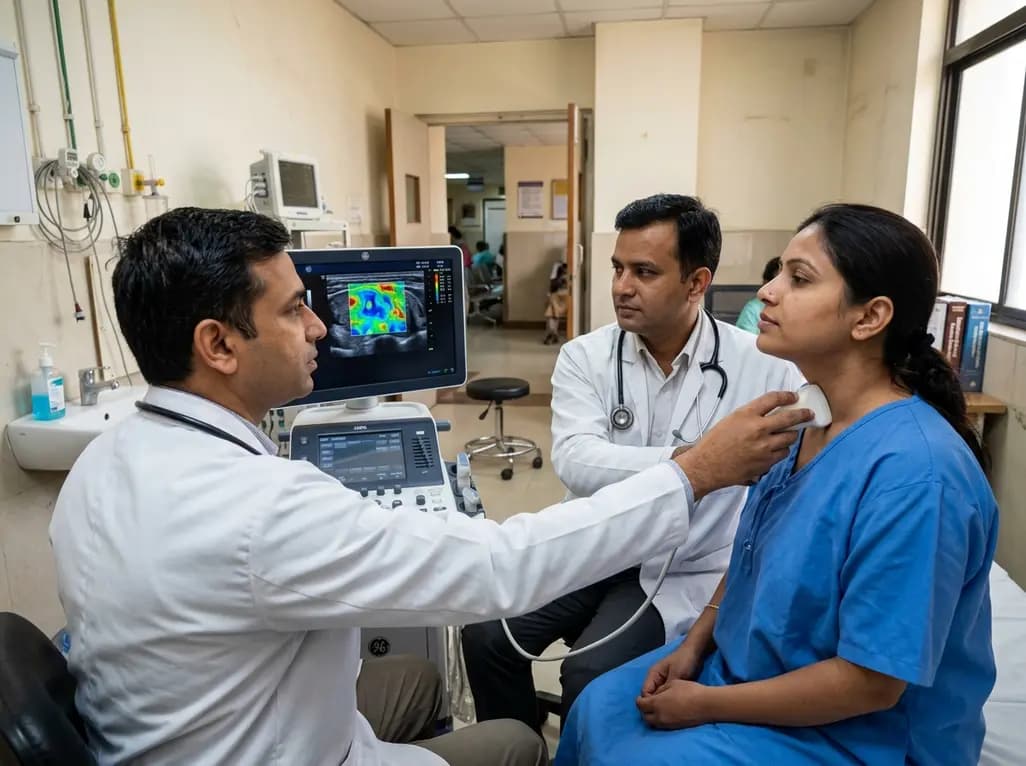
Subacute thyroiditis presents diagnostic dilemmas when differentiating it from malignancy or chronic thyroiditis. Discover how 2D shear wave elastography provides quantitative tissue stiffness metrics that enhance diagnostic accuracy and assist in tracking disease resolution during therapy.
Today
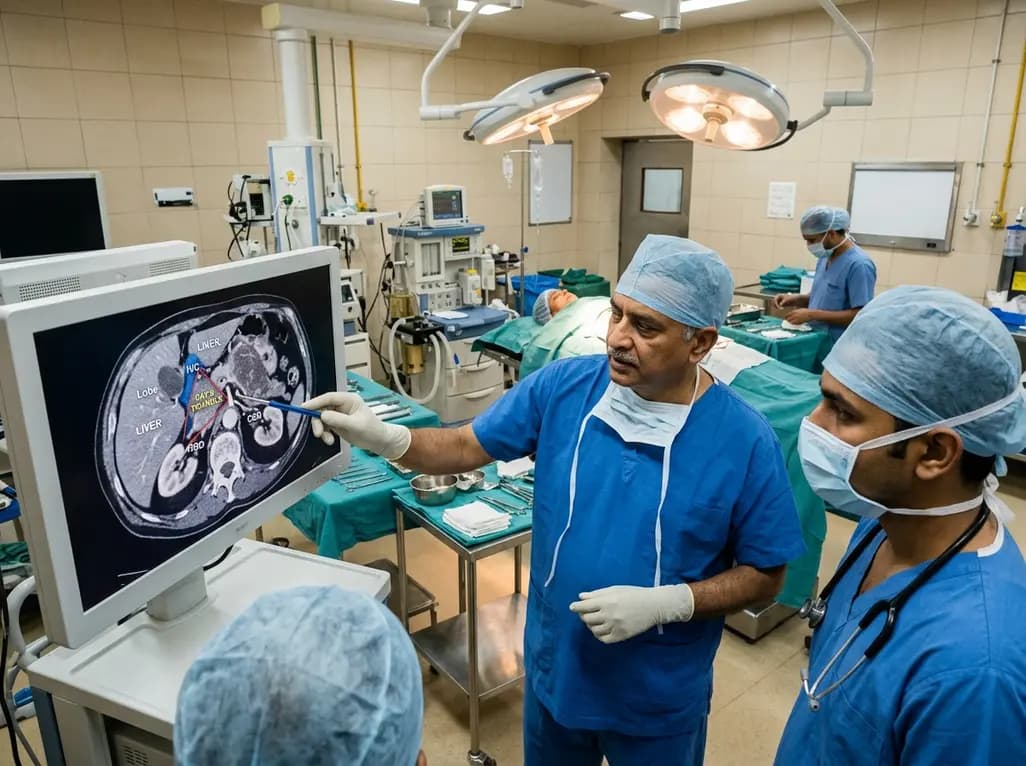
Researchers at AIIMS New Delhi have identified Ray's triangle, a high-risk surgical zone between the liver and inferior vena cava. Recognising this danger area allows surgical oncologists to achieve complete cytoreduction in advanced abdominal cancers while substantially lowering the risk of life-threatening hemorrhage.
Today

An updated systematic review and meta-analysis of 7,875 patients reveals that routine microaxial left ventricular support during nonemergent high-risk PCI does not reduce mortality or ischemic complications, while significantly increasing major bleeding events.
Yesterday
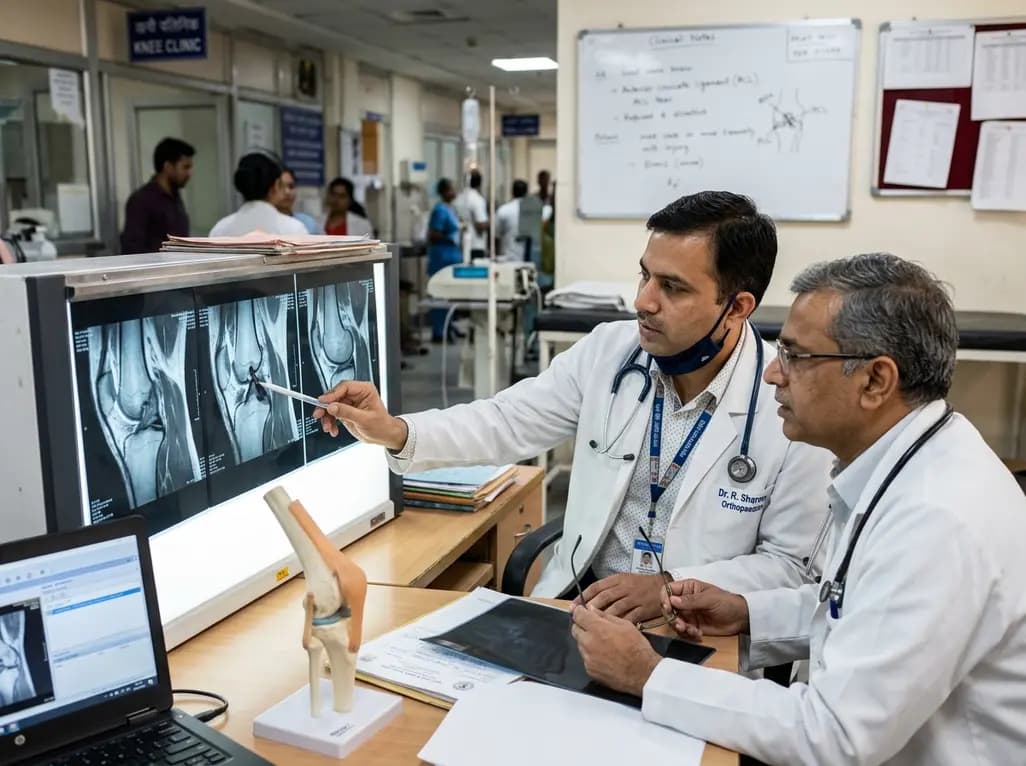
The FIRM-P framework redefines anterior cruciate ligament instability management by separating objective knee phenotypes from patient context and integrating arthrogenic muscle inhibition as a dynamic modifier to optimize individual surgical timing and outcomes.
Today
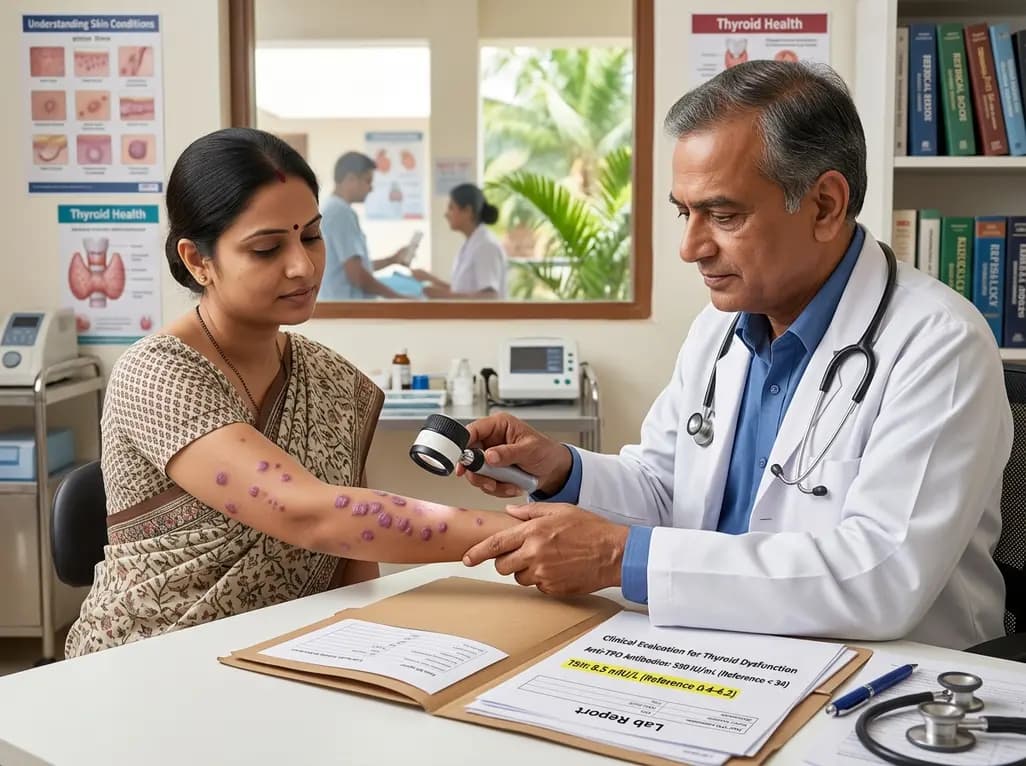
A case-control study demonstrates a significant association between lichen planus and thyroid disorders, with elevated TSH and anti-TPO antibody levels across cutaneous and follicular subtypes, emphasizing the critical value of routine thyroid screening.
Today
