.webp&w=384&q=75)

Loading, please wait...
Loading, please wait...

Children and adolescents residing in conflict-driven humanitarian contexts face severe risks. These risks include violence and abuse, which severely impact their long-term mental health. Therefore, clinicians need robust tools to monitor these vulnerable populations. A recent study focused on the WHO-5 Well-being Index validation to ensure its effectiveness in such environments. Specifically, the study examined adolescents in Colombia and Nigeria to determine the tool's reliability and structure.
The WHO-5 is a brief, self-reported instrument. It aims to assess subjective psychological well-being through five simple questions. In humanitarian settings, simplicity is vital. Consequently, researchers evaluated 172 participants aged 13 to 17. The analysis utilized both exploratory and confirmatory factor techniques. These methods helped confirm whether the tool measures a single, consistent construct of well-being across different cultural contexts.
The results strongly support a one-factor structure for the index. The instrument showed high internal consistency, with both alpha and omega coefficients exceeding 0.80. Moreover, the tool demonstrated excellent convergent validity. Researchers compared it against the Kidscreen-27 scale, showing a strong correlation. These findings suggest that the WHO-5 is a reliable choice for initial mental health screening. Furthermore, its brevity makes it ideal for rapid assessments in resource-limited settings.
For practitioners in India, these findings are highly relevant. India frequently manages internal displacement and humanitarian challenges. Pediatricians and psychiatrists can use this tool to identify at-risk youth quickly. Because the index is non-invasive, it encourages higher participation rates among traumatized adolescents. Additionally, the tool helps monitor the impact of mental health interventions over time. Ultimately, this validation provides a bridge for better care in complex humanitarian scenarios.
The WHO-5 is a five-item, self-administered questionnaire that measures subjective psychological well-being. It is widely used for screening depression and assessing quality of life.
Yes. Recent validation studies confirm that the WHO-5 is reliable and valid for adolescents in conflict-affected regions. Its simplicity makes it especially useful for rapid assessment.
Respondents rate five statements on a scale of 0 to 5. The total score is then multiplied by four to provide a percentage, where higher scores indicate better well-being.
Disclaimer: This content is for informational and educational purposes only. It does not constitute professional medical advice, diagnosis, or treatment. Always seek the advice of your physician or other qualified health provider with any questions you may have regarding a medical condition. Refer to the latest local and national guidelines for clinical practice.
References
Dedios-Sanguineti MC et al. Assessing the psychometric properties of the WHO-5 Well-being Index in conflict-affected humanitarian contexts. J Child Adolesc Ment Health. 2026 May 06. doi: 10.2989/17280583.2026.2652959. PMID: 42089251.
Topp CW, et al. The WHO-5 Well-Being Index: a systematic review of the literature. Psychother Psychosom. 2015;84(3):167-76. doi: 10.1159/000376585. PMID: 25831962.
Pattnaik P, et al. Validation of the World Health Organisation 5-Item Well- Being Index (WHO-5) among the Adult Population Living in a Chronically Arsenic-affected Area in West Bengal. J Evolution Med Dent Sci. 2020;9(11):814-818.

Read summarized clinical updates, watch expert medical content, and earn CME certifications right from your smartphone.
Open your smartphone camera to scan and install.





New study validates the WHO-5 Well-being Index for measuring adolescent psychological well-being in conflict-driven humanitarian settings like Colombia and ...
5 months ago

A retrospective analysis reveals that cavotricuspid isthmus ablation using a variable-loop pulsed field ablation catheter achieves acute conduction block safely and efficiently during concomitant atrial fibrillation procedures.
Today
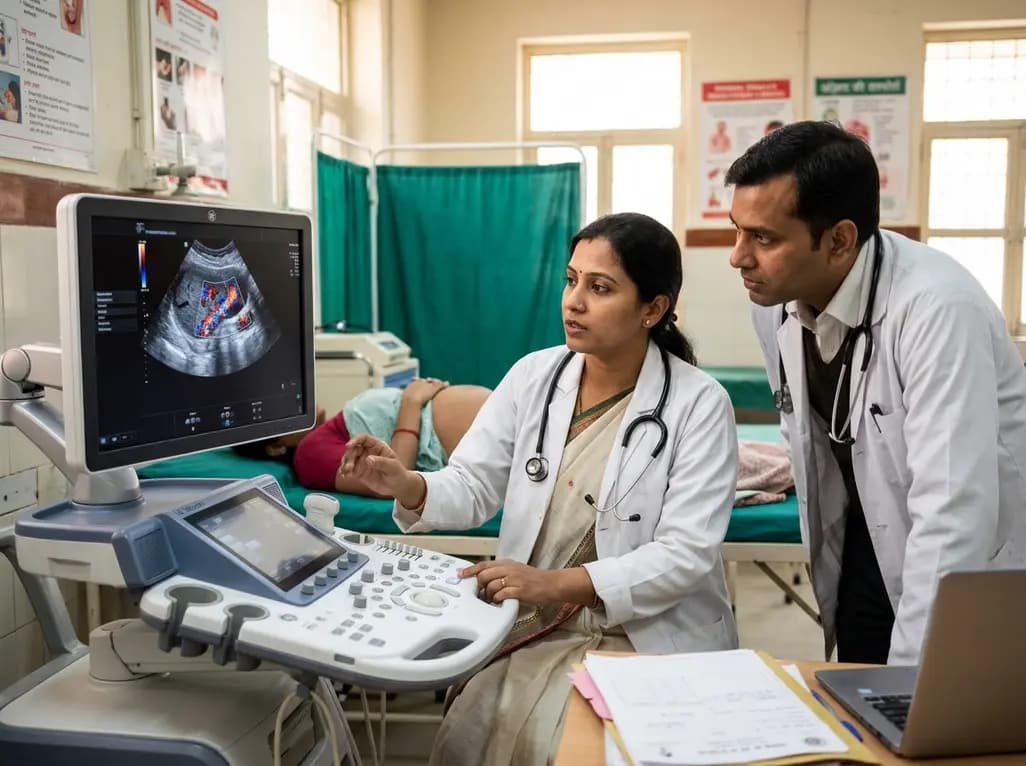
A study in Ultrasound in Obstetrics & Gynecology shows that quantitative vascularization of the anterior fornix/cervix with transvaginal ultrasound reliably identifies placenta accreta spectrum and predicts severe intraoperative hemorrhage, offering vital objective risk stratification.
Today
A clinical study highlights how coupling interval variability assessed through Poincaré plots differentiates right ventricular outflow tract premature ventricular contractions from left ventricular origins, optimizing patient selection and procedural strategy for radiofrequency catheter ablation.
Today
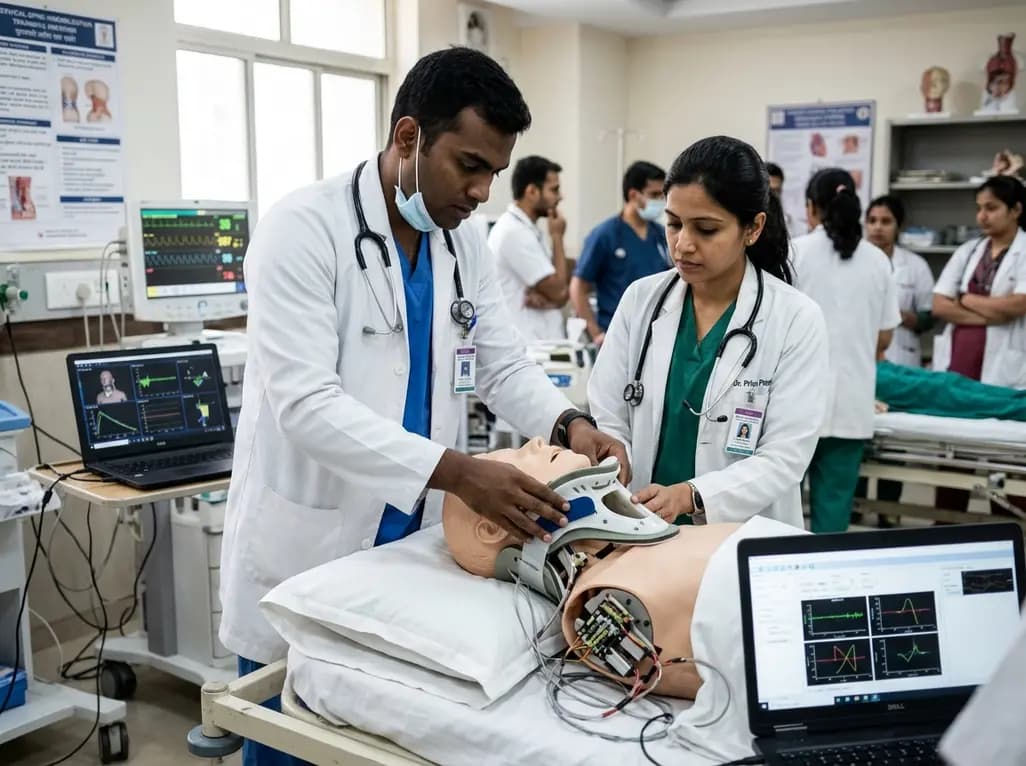
A novel proof-of-concept study presents a six-degree-of-freedom articulated manikin neck equipped with linear potentiometers. The system provides real-time kinematic motion feedback during cervical immobilisation, delivering sub-degree tracking accuracy to improve pre-hospital trauma training and patient safety.
Today
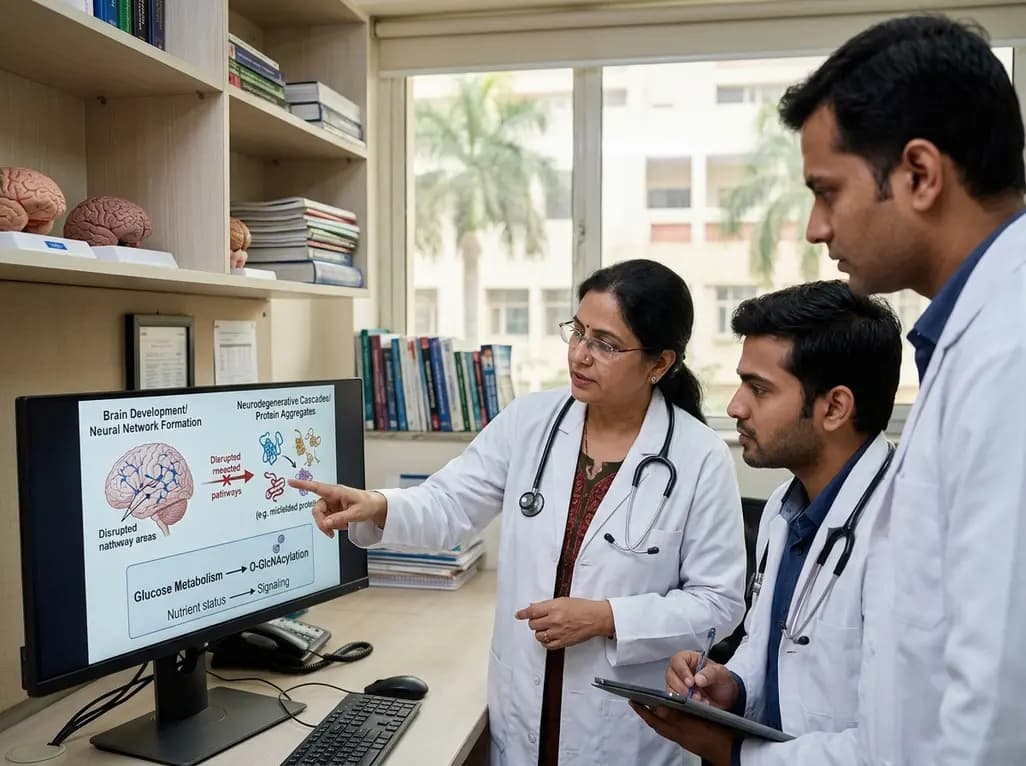
Protein O-GlcNAcylation couples cellular nutrient status to vital neuronal functions. This review explores how disrupted O-GlcNAc cycling drives both neurodevelopmental delays and neurodegenerative cascades, positioning metabolic post-translational modifications as therapeutic targets in clinical neurology.
Today
