.webp&w=384&q=75)

Loading, please wait...
Loading, please wait...
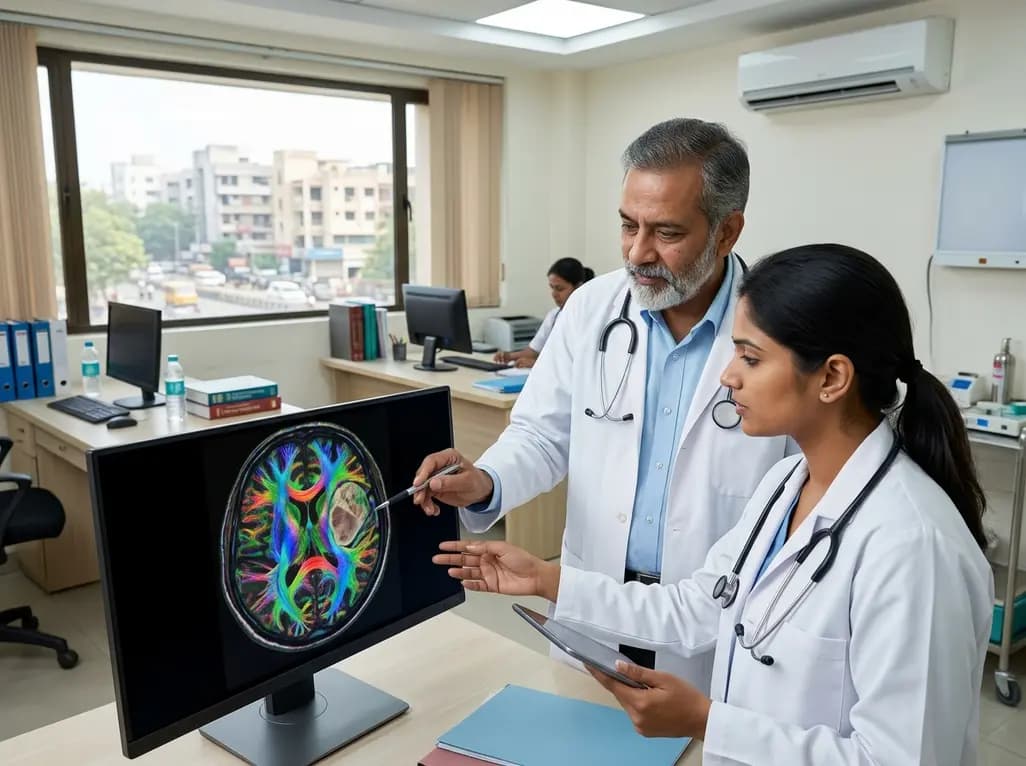
Neuro-oncological surgery has recently witnessed a major paradigm shift toward maximizing functional outcomes rather than focusing solely on tumor volume reduction. White matter tractography stands at the forefront of this clinical transformation, offering a non-invasive window into the brain's complex architectural network. Historically, surgeons relied almost entirely on anatomical landmarks for guidance. However, these landmarks often shift significantly due to the mass effect exerted by growing tumors. Today, advanced diffusion tensor imaging (DTI) provides critical insights into the microstructural health of associative fasciculi. Furthermore, understanding the intimate interaction between neoplasms and white matter is essential for preserving eloquent functions like language, vision, and movement. Recent research emphasizes that the relationship between fractional anisotropy (FA) and tract morphometry remains highly complex. Specifically, the Inferior Fronto-Occipital Fasciculus (IFOF) and the Arcuate Fasciculus (AF) represent two of the most critical pathways involved in high-level human cognition. As tumor cells infiltrate or displace these fibers, their physical dimensions and integrity undergo measurable changes. This study highlights how multicenter retrospective analyses help clarify these interactions across various tumor histotypes. By utilizing advanced tractography, clinicians can better predict how different tumors, from glioblastomas to metastases, affect the brain's connectivity. Consequently, this leads to more personalized surgical strategies and improved patient quality of life.
Fractional anisotropy remains a cornerstone metric in the evaluation of white matter integrity via DTI. This quantitative value reflects the degree of directionality of water diffusion within tissues. In healthy white matter, water diffuses more easily along the axis of axons, leading to high FA values. Conversely, when a tumor disrupts these pathways, the diffusion becomes more isotropic, causing FA to drop. Researchers have long sought to understand how these microstructural changes correlate with macroscopic morphometric features like tract volume and length. The current study demonstrates a robust positive association between higher FA and larger tract volumes in both the AF and IFOF. This finding suggests that microstructural integrity and physical tract size are deeply intertwined. Additionally, the study utilized linear mixed-effects models to account for variables such as age, gender, and hemisphere. These models confirmed that FA acts as a reliable proxy for the overall health of the fiber bundle. However, the association between FA and tract length appeared weaker than the correlation with volume. This discrepancy suggests that while tumors may thin or infiltrate a tract, they do not always immediately shorten its measurable trajectory. Therefore, volume might be a more sensitive indicator of tumor-induced tract degradation than length alone.
One of the most significant findings of this research involves how different tumor types impact the brain's white matter differently. The study compared glioblastomas, low-grade gliomas, metastases, and meningiomas to determine histotype-specific effects. Interestingly, the association between FA and IFOF volume appeared significantly stronger in gliomas compared to metastases or meningiomas. This difference likely stems from the infiltrative nature of gliomas. Unlike metastases, which tend to displace tracts or cause vasogenic edema, gliomas actively invade the white matter fibers. Consequently, the microstructural damage (low FA) is more directly coupled with physical volume loss in these infiltrative lesions. Furthermore, the healthy hemisphere consistently showed higher FA and superior morphometric measures than the tumor-affected side. This inter-hemispheric comparison provides a vital baseline for assessing the severity of tract involvement. Surgeons must recognize these histotype-specific patterns when planning resections. For instance, a displaced tract near a metastasis might be more resilient than an infiltrated tract near a glioblastoma. By tailoring the surgical approach to the tumor’s biological behavior, the surgical team can minimize postoperative deficits. This nuanced understanding allows for a more aggressive resection where safe, while exercising extreme caution in areas of high infiltration.
The Inferior Fronto-Occipital Fasciculus and the Arcuate Fasciculus are indispensable for maintaining cognitive and communicative abilities. The AF is famously known as the primary pathway connecting Broca’s and Wernicke’s areas, making it essential for language production and comprehension. Meanwhile, the IFOF serves as a long-range associative pathway connecting the frontal lobe with the temporal and occipital lobes. It plays a pivotal role in semantic processing, visual recognition, and spatial attention. Because of their functional importance, any alteration in their morphometry can lead to devastating consequences for the patient. The study’s focus on these two tracts is particularly relevant for surgeries involving the temporal, parietal, or frontal lobes. Moreover, the researchers found that higher FA in these tracts was strongly associated with better-preserved volumes. This suggests that maintaining microstructural integrity is a prerequisite for functional stability. If a tumor causes significant reduction in FA and volume, the risk of permanent functional loss increases. Therefore, preoperative white matter tractography is not just a tool for visualization; it is a predictive instrument for functional outcomes. Clinicians can use these data to counsel patients more accurately regarding the risks of surgery. In the context of the Indian healthcare system, where patient quality of life is increasingly prioritized, such advanced mapping becomes a vital component of neuro-oncological care.
Despite the clear benefits of DTI, its clinical application often suffers from a lack of standardization. This multicenter study addresses this challenge by employing standardized DTI protocols across various institutions. By using deterministic tractography with set thresholds, the researchers ensured that the results were comparable across different patient cohorts. Standardization is crucial because DTI metrics like FA can be influenced by magnet strength, gradient directions, and software algorithms. Furthermore, the study highlights the importance of using adjusted statistical models to interpret these complex data. For instance, adjusting for the hemisphere and tumor type allowed the researchers to isolate the true relationship between FA and morphometry. Additionally, the use of linear mixed-effects models provided a robust framework for handling multicenter data variations. However, clinicians must still remain aware of the inherent limitations of DTI, such as its difficulty in resolving crossing fibers. While standard DTI remains the workhorse of clinical neurosurgery, emerging techniques like multi-shell diffusion and constrained spherical deconvolution may offer even higher resolution in the future. Nevertheless, the current research proves that even standard, well-conducted DTI provides invaluable information. Establishing these benchmarks is the first step toward universal adoption of quantitative DTI in routine neuro-oncological practice.
The future of neuro-oncology lies in the seamless integration of advanced imaging with real-time surgical navigation. Moving forward, the relationship between FA and tract morphometry will likely play an even larger role in prognostic modeling. Researchers are now exploring how these preoperative metrics can predict the success of postoperative rehabilitation. For instance, if the AF retains a certain threshold of volume and FA despite tumor proximity, the patient may have a higher potential for language recovery. Additionally, combining DTI data with intraoperative electrical stimulation mapping remains the gold standard for preserving function. This dual approach allows surgeons to verify the tractography data in real-time, providing an extra layer of safety. Furthermore, as artificial intelligence and machine learning become more prevalent, we can expect automated tractography tools to become more accurate and accessible. These tools will likely provide rapid, quantitative assessments of tract health before the patient even enters the operating room. Consequently, the reliance on subjective interpretation of color maps will diminish in favor of objective, data-driven decisions. In conclusion, the association between fractional anisotropy and white matter morphometry is a critical determinant of how tumors interact with the brain. By continuing to refine these techniques, the medical community can move closer to the goal of achieving maximal safe resection for every patient.
Fractional anisotropy measures the directionality of water diffusion in the brain. In infiltrative tumors like glioblastomas, FA values typically decrease significantly due to fiber disruption. Conversely, in benign tumors or metastases, tracts might only be displaced or show peritumoral edema, leading to different FA signatures that help clinicians identify the tumor’s nature.
The IFOF is a critical associative tract involved in language processing and semantic cognition. During surgery, damage to this pathway can lead to severe permanent deficits. Consequently, surgeons use tractography to map its location relative to the tumor, allowing for safer resection boundaries that preserve the patient’s essential cognitive and communicative functions.
Higher FA values often correlate with larger tract volumes, suggesting better structural integrity of the white matter. When tumors cause FA to decrease, it indicates microstructural damage or infiltration. Understanding this relationship helps neurosurgeons predict the degree of tract involvement and the potential for functional recovery after the surgical procedure.
Disclaimer: This content is for informational and educational purposes only and does not constitute professional medical advice, diagnosis, or treatment. Always seek the advice of your physician or other qualified health provider with any questions you may have regarding a medical condition. Refer to the latest local and national guidelines for clinical practice.
References
Altieri R et al. Rethinking white matter-tumor interaction: a tractography based analysis of associations between fractional anisotropy and morphometry in the IFOF and arcuate fasciculus. J Neurooncol. 2026 Jul 07. doi: 10.1007/s11060-026-05691-4. PMID: 42412124.
Rueckriegel SM, Bruhn H, Thomale UW, Driever PH. Cerebral white matter fractional anisotropy and tract volume as measured by MR imaging are associated with impaired cognitive and motor function in pediatric posterior fossa tumor survivors. Pediatr Blood Cancer. 2015 Jul;62(7):1252-8. doi: 10.1002/pbc.25485.
Beppu T, Inoue T, Shibata Y, et al. Fractional anisotropy value as a predictor of cell density and proliferation activity in gliomas. AJNR Am J Neuroradiol. 2005 Oct;26(9):2315-20. PMID: 16219818.
"
Read summarized clinical updates, watch expert medical content, and earn CME certifications right from your smartphone.
Open your smartphone camera to scan and install.





This multicenter study explores the association between fractional anisotropy and the morphometry of critical white matter tracts like the IFOF and AF. Learn how different tumor histotypes impact microstructural integrity and what this means for neuro-oncological surgical planning and patient outcomes.
2 weeks back
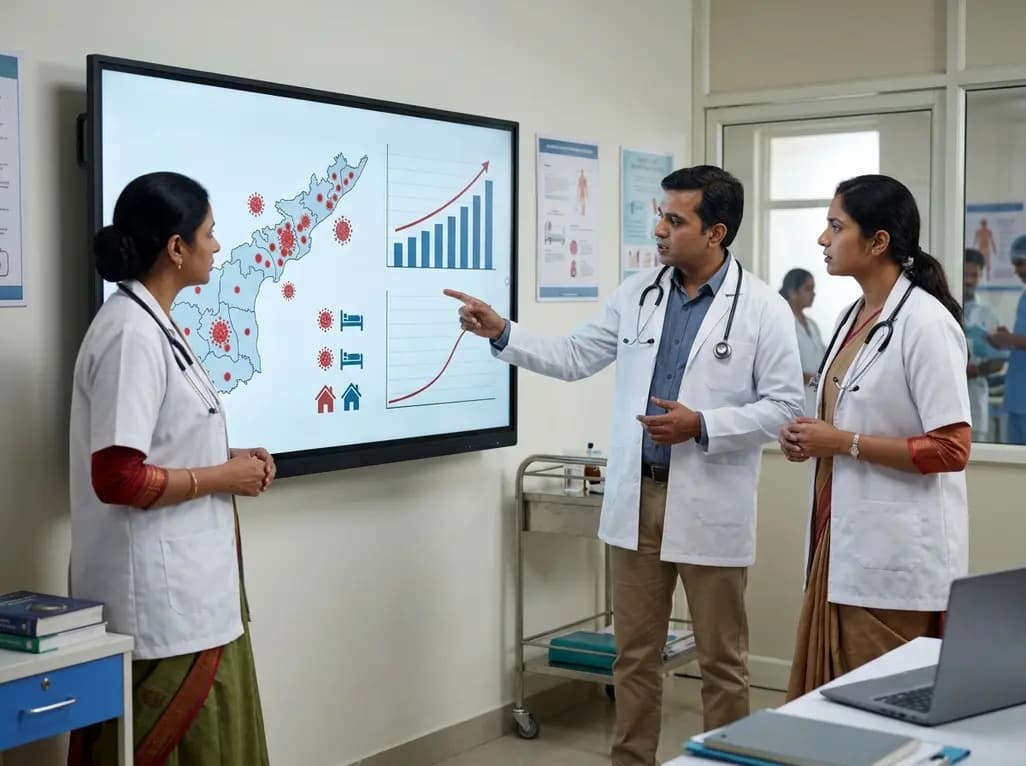
Andhra Pradesh reported 10 new Covid-19 cases, taking the state tally to 49 while deaths remain at four. With 24 patients hospitalized and 16 under home isolation, the Health Department has intensified monitoring. Medical professionals should review regional distribution, diagnostic protocols, and management plans.
Today

An 11-year Swedish registry study of 618 uterine sarcoma patients found that minimally invasive surgery yielded survival comparable to open surgery in early stages. However, adjuvant chemotherapy conferred no survival benefit in localized or advanced disease, highlighting stage and histology as key outcomes.
3 days back

A cross-sectional study evaluates post-intensive care syndrome in cardiac patients 2-4 weeks post-ICU discharge, highlighting cognitive, psychological, and functional impairments and the need for structured multidisciplinary rehabilitation.
3 days back
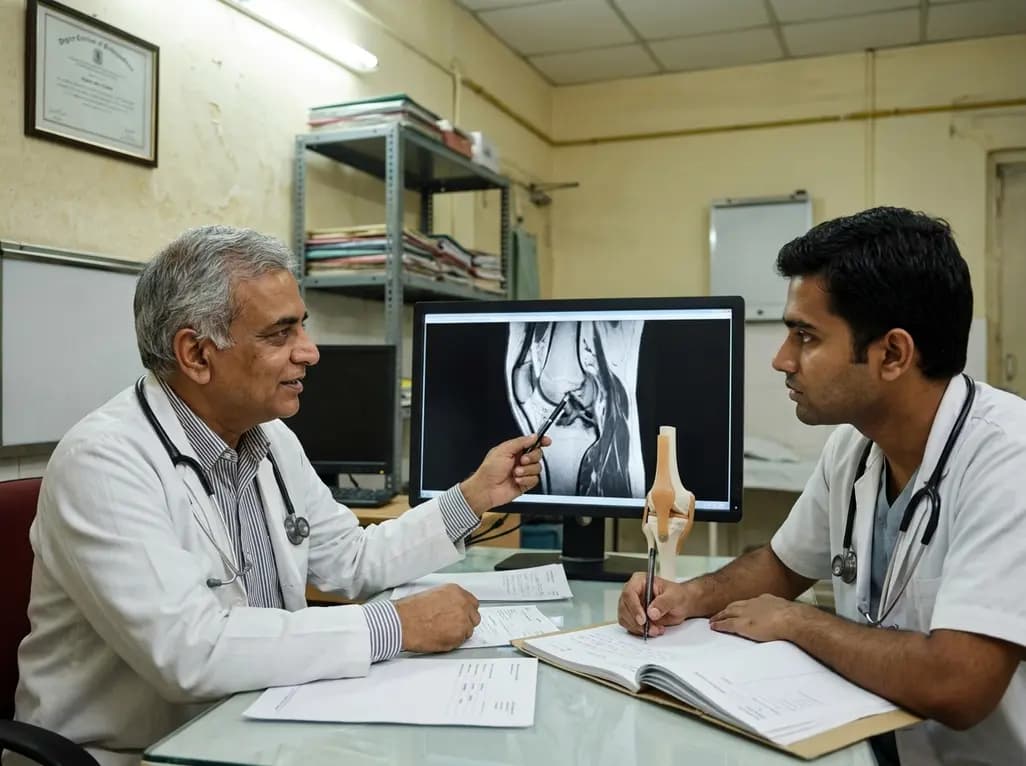
Anterior cruciate ligament reconstruction failure lacks uniform definition. A narrative review proposes an integrative framework incorporating objective and subjective instability, persistent pain, restricted motion, graft rupture, and secondary meniscal injury to standardize clinical reporting.
3 days back

With World Obesity Atlas data warning that over 41 million Indian children are overweight or obese, ICMR and NIN have unveiled a 10-point policy roadmap. The initiative calls for mandatory front-of-pack labeling, HFSS taxes, strict marketing bans, and healthier school environments to curb non-communicable diseases.
Today
