.webp&w=384&q=75)

Loading, please wait...
Loading, please wait...
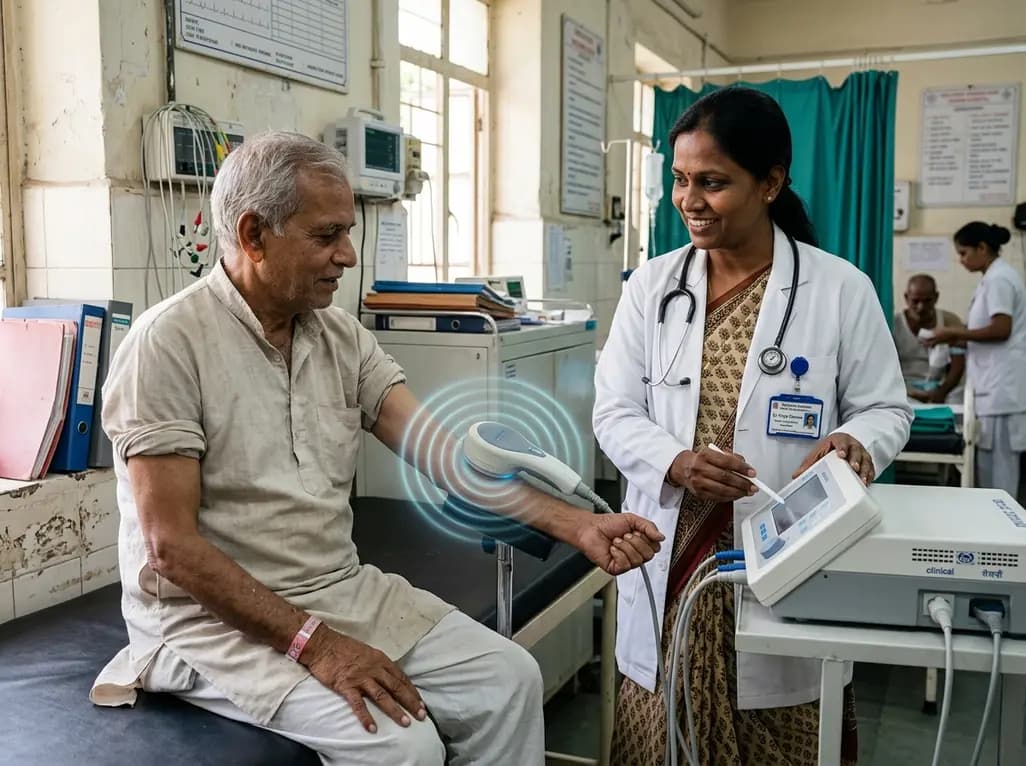
Aging progressively compromises skeletal muscle architecture, functional mobility, and metabolic homeostasis. Although structured resistance exercise remains the primary intervention to mitigate age-related muscle wasting, many frail older individuals cannot consistently perform strenuous physical training due to advanced osteoarthritis, cardiovascular frailty, or acute illness. Consequently, clinicians urgently require non-invasive therapeutic strategies to stimulate muscle anabolic pathways without placing excessive biomechanical stress on vulnerable joints. A recent clinical study highlights that vortex wave stimulation may serve as an effective passive countermeasure against musculoskeletal decline. Vortex wave stimulation delivers targeted mechanical oscillatory waves through peripheral limbs, activating mechanosensitive pathways within resting muscle fibers. By examining acute physiological and molecular responses in healthy older individuals, investigators have demonstrated that passive mechanical oscillations can stimulate muscle protein remodeling. Therefore, understanding this innovative technology allows geriatricians, orthopedicians, and rehabilitation physicians to evaluate its emerging clinical role in combating sarcopenia and disuse atrophy.
Sarcopenia represents a progressive and generalized skeletal muscle disorder characterized by the accelerated loss of muscle mass, quality, and physical performance. Aging drives this muscular degradation through multiple converging mechanisms, including motor unit denervation, chronic low-grade inflammation, mitochondrial dysfunction, and anabolic resistance. As a result, older individuals exhibit a blunted muscular response to dietary amino acids and sedentary routines. Furthermore, short periods of enforced bed rest or acute illness dramatically accelerate muscle wasting, leading to higher risks of disability, falls, and institutionalization. While progressive resistance exercise reliably promotes muscle hypertrophy, broad clinical implementation remains challenging among institutionalized or critically ill seniors. Painful musculoskeletal disorders, neuromuscular impairments, and advanced cardiopulmonary conditions frequently restrict patient adherence to traditional exercise prescriptions. Consequently, healthcare professionals must investigate passive modalities that mimic the mechanobiological stimuli of active muscle contractions. Non-invasive mechanical therapies offer a valuable clinical solution, helping maintain muscle integrity in vulnerable geriatric populations.
Vortex wave stimulation functions by transmitting specialized rotational mechanical oscillations directly into peripheral muscle groups. These multi-planar acoustic waves propagate rapidly across soft tissue layers, producing cyclical micro-deformations within underlying skeletal muscle fibers. Consequently, these mechanical forces activate intramuscular mechanoreceptors and spindle stretch reflexes, prompting localized neuromuscular recruitment without requiring voluntary physical exertion. In addition, the applied mechanical strain initiates intracellular mechanotransduction cascades that encourage essential structural remodeling. Researchers evaluated these physiological responses using surface electromyography and near-infrared spectroscopy during active stimulation sessions. The resulting data confirmed that vortex wave stimulation generates significant myoelectrical activity while altering tissue oxygenation kinetics within target muscles. Specifically, the mechanical oscillations elevate local metabolic consumption and facilitate dynamic fluid movement through the interstitial space. Because these passive waves stimulate muscular activation without joint loading, the technology protects delicate articular structures. Therefore, this mechanobiological approach represents a distinct, safe therapeutic option tailored for compromised musculoskeletal systems.
In a groundbreaking physiological trial, investigators administered deuterium oxide stable oral isotope tracers to measure integrated rates of myofibrillar and sarcoplasmic muscle protein synthesis in older adults. Following two consecutive daily sessions of vortex wave stimulation, participants demonstrated a significant increase in myofibrillar protein synthesis of 0.23% per day above habitual resting rates. In contrast, sarcoplasmic protein synthesis rates showed no significant alterations, indicating that the anabolic stimulus preferentially targets structural contractile proteins. Concurrently, surface electromyography registered a notable increase in myoelectrical activity of 9.47 microvolts during the stimulation periods. Furthermore, near-infrared spectroscopy revealed a marked reduction in muscle oxygenation across both the gastrocnemius and quadriceps muscles during therapy. This intramuscular deoxygenation indicates substantial cellular oxygen extraction driven by increased metabolic demands in activated motor units. Interestingly, systemic anabolic signaling cascades remained unchanged at forty-eight hours, suggesting that the primary stimulus operates locally within active muscle bundles.
Beyond direct muscular adaptations, the clinical trial examined systemic biochemical markers to evaluate acute metabolic and skeletal responses following vortex wave stimulation. Interestingly, laboratory analyses demonstrated a measurable reduction in circulating procollagen type 1 N-terminal propeptide (P1NP), a standard biomarker of bone formation. Concurrently, circulating blood lactate concentrations decreased significantly by 0.84 millimoles per liter after the stimulation sessions. This reduction in circulating lactate highlights favorable metabolic clearance and enhanced microvascular redistribution without inducing anaerobic exhaustion or systemic fatigue. Additionally, peripheral limb blood flow and systemic inflammatory cytokine markers showed no adverse fluctuations, confirming that the mechanical therapy avoids excessive hemodynamic or inflammatory stress. These biochemical alterations suggest that mechanical oscillations exert nuanced, multi-tissue regulatory effects throughout the musculoskeletal system. Consequently, clinicians must interpret these metabolic and turnover shifts to optimize therapeutic parameters, treatment frequency, and long-term skeletal safety in elderly patients.
The finding that passive mechanical waves can stimulate myofibrillar protein synthesis carries profound clinical implications for geriatric medicine and rehabilitation practices. Clinicians frequently manage frail, bedridden, or post-surgical patients who cannot participate in standard resistance exercise programs. In such clinical scenarios, implementing passive mechanical modalities could prevent rapid disuse atrophy and mitigate muscle catabolism during critical periods of immobilization. Furthermore, integrating vortex wave stimulation into comprehensive post-operative protocols may accelerate functional recovery following major orthopedic procedures, such as total hip or knee arthroplasty. Physicians can also combine passive stimulation with targeted nutritional support, such as essential amino acid supplementation, to maximize muscle anabolic responses. While larger randomized clinical trials are necessary to determine long-term functional outcomes and fracture risk reduction, these initial mechanistic insights are highly encouraging. Therefore, mechanical stimulation strategies may soon transform standard rehabilitation pathways for sarcopenic and immobilized patients.
Vortex wave stimulation is an innovative non-invasive therapeutic technology that delivers rotational mechanical oscillatory waves directly into peripheral skeletal muscles. These multi-planar acoustic waves travel through soft tissue layers, producing cyclical micro-deformations across muscle fibers. Consequently, this mechanical action stimulates intramuscular stretch receptors, enhances local myoelectrical recruitment, and increases intracellular oxygen consumption without requiring voluntary patient exertion or imposing biomechanical strain on vulnerable joints.
Clinical investigation demonstrates that vortex wave stimulation significantly elevates integrated rates of myofibrillar muscle protein synthesis in older adults over forty-eight hours. By activating mechanotransduction pathways and triggering local neuromuscular firing, the mechanical waves specifically enhance structural contractile protein remodeling. However, sarcoplasmic protein synthesis rates and systemic anabolic signaling cascades remain unaffected, indicating that the anabolic stimulus acts primarily within localized muscular fibers.
Vortex wave stimulation serves as a valuable adjunctive countermeasure rather than a complete replacement for standard resistance exercise training. While active resistance workouts remain the primary clinical gold standard for building robust muscular strength and cardiorespiratory health, passive mechanical stimulation offers a crucial alternative for frail, post-operative, or immobilized individuals who cannot safely perform active weight-bearing exercises during recovery periods.
Disclaimer: This content is for informational and educational purposes only and does not constitute medical advice, diagnosis, or treatment recommendations. Healthcare professionals should exercise independent clinical judgment. Refer to the latest local and national guidelines for clinical practice.
References
1. Waddell A et al. Musculoskeletal and physiological responses to vortex wave stimulation in older adults. J Physiol. 2026 Aug 24. doi: 10.1113/JP291437. PMID: 42634881.
2. Cruz-Jentoft AJ, Bahat G, Bauer J, et al. Sarcopenia: revised European consensus on definition and diagnosis. Age Ageing. 2019;48(1):16-31.
3. Dirks ML, Wall BT, Snijders T, et al. Neuromuscular electrical stimulation prevents muscle disuse atrophy during short-term leg immobilization in humans. Acta Physiol (Oxf). 2014;210(3):628-641.

Read summarized clinical updates, watch expert medical content, and earn CME certifications right from your smartphone.
Open your smartphone camera to scan and install.





New clinical research demonstrates that vortex wave stimulation increases myofibrillar muscle protein synthesis and neuromuscular activation in older adults, offering a promising passive countermeasure against age-related sarcopenia and muscle disuse.
last month

Chronic eosinophilic pneumonia can present with atypical bronchoalveolar lavage findings and an organizing pneumonia pattern, necessitating surgical lung biopsy.
Today

Discover the crucial distinctions between mesonephric and mesonephric-like proliferations of the female genital tract. Learn the key histomorphologic, immunohistochemical, and molecular differences essential for accurate diagnosis and clinical management.
Today
Kikuchi-Fujimoto disease rarely presents with refractory shock and sinus bradycardia in children. This case report highlights life-threatening hemodynamic instability requiring intensive care, preserved cardiac contractility, and the critical diagnostic role of early excisional lymph node biopsy.
Today
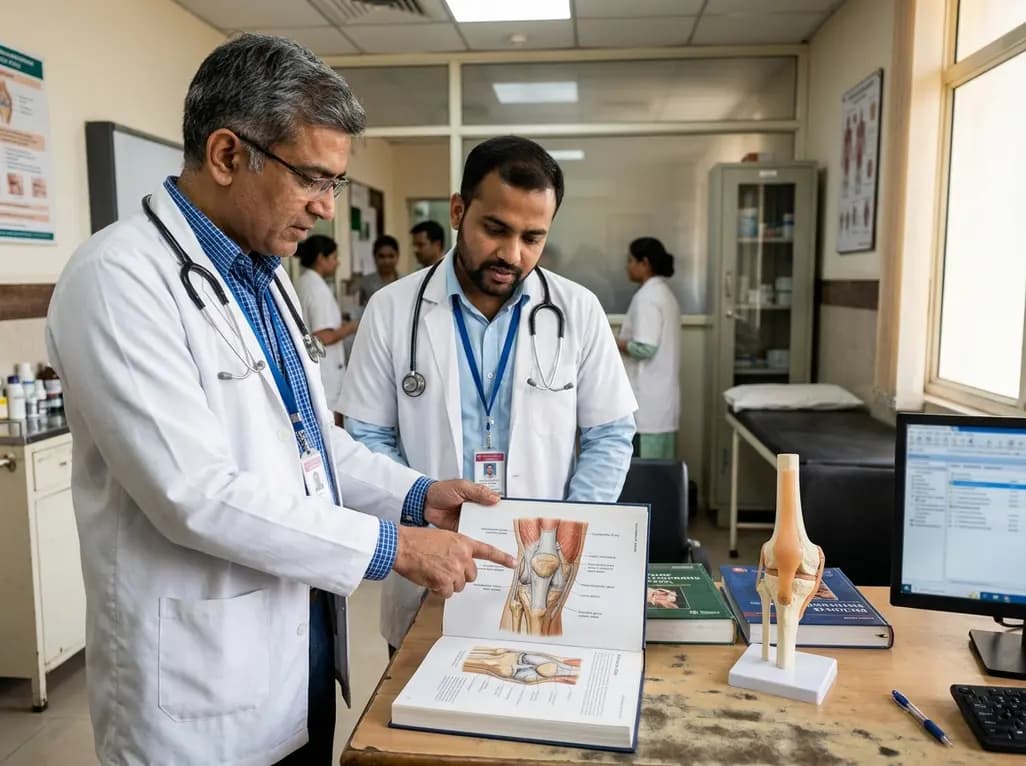
A narrative review investigates whether the articularis genus muscle functions as an independent anatomical entity or blends with the vastus intermedius. We evaluate its morphology, role in retracting the suprapatellar bursa, and direct clinical significance in anterior knee pain and arthroplasty.
Today

A Bayesian multilevel meta-analysis reveals that aerobic training combined with moderate carbohydrate restriction modestly lowers HbA1c in type 2 diabetes. However, sparse data and very low certainty leave incremental benefits over exercise or diet alone unproven, highlighting the need for individualized care.
Today
