.webp&w=384&q=75)

Loading, please wait...
Loading, please wait...
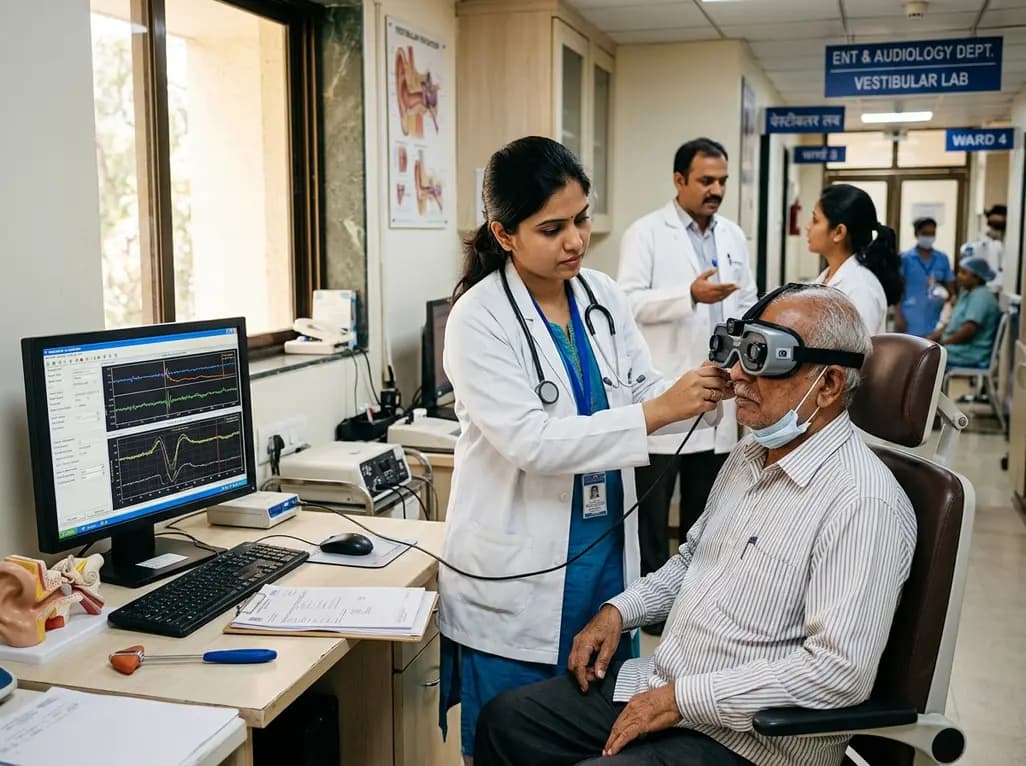
Adults presenting with dizziness, unsteadiness, and vertigo present unique diagnostic challenges across neurotology and primary care settings. In fact, healthcare professionals increasingly recognize that vestibular balance problems impair patient quality of life, elevate fall risks, and incur high medical expenditures. Consequently, audiologists have expanded their clinical contributions beyond basic auditory evaluations. Emerging international survey evidence illuminates current practices, clinical barriers, and future opportunities to elevate vestibular balance care across interdisciplinary healthcare environments.
Vestibular disorders affect millions of adults globally and generate significant disability. Among these presentations, benign paroxysmal positional vertigo remains the single most common cause of peripheral vestibular dysfunction. In addition, patients frequently present with Ménière disease, vestibular neuritis, bilateral vestibular hypofunction, and persistent postural-perceptual dizziness. When left undiagnosed, these vestibular conditions precipitate debilitating gait instability, cognitive fog, and recurrent accidental falls. In fact, untreated vestibular dysfunction substantially elevates morbidity and healthcare utilization across aging populations.
Moreover, secondary psychological distress often compounds the physical impairment. Many affected individuals experience severe anxiety, social withdrawal, and depression due to unpredictable episodic vertigo. Therefore, early identification of inner ear pathology represents a critical public health objective. Audiologists possess specialized anatomical and physiological expertise regarding labyrinthine mechanics. Accordingly, they occupy a pivotal frontline role in identifying peripheral balance disorders. By performing structured bedside screenings and detailed history taking, clinicians rapidly stratify dizziness etiologies. Furthermore, timely audiological evaluations guide primary care doctors in distinguishing benign otologic conditions from dangerous cerebrovascular events. Consequently, prompt triage expedites targeted management and prevents unnecessary neuroimaging or prolonged pharmacological sedation.
Modern balance evaluation relies heavily on sophisticated objective instrumentation. Specifically, audiologists administer comprehensive test batteries designed to isolate individual labyrinthine structures and neural pathways. Videonystagmography allows precise tracking of spontaneous, gaze-evoked, and positional nystagmus. Furthermore, video head impulse testing assesses the high-frequency angular vestibulo-ocular reflex across all six semicircular canals. This rapid, non-invasive assessment accurately identifies subtle canal paresis without generating severe motion intolerance.
In addition, vestibular evoked myogenic potentials provide invaluable diagnostic data regarding otolith organ function. Specifically, cervical potentials evaluate saccular integrity and inferior vestibular nerve conduction, whereas ocular potentials measure utricular pathways. Computerized dynamic posturography and rotary chair evaluations further quantify functional balance stability and central vestibular compensation. However, clinical implementation of these sophisticated technologies varies substantially across healthcare centers. While tertiary neurotology units regularly employ full diagnostic suites, smaller community practices frequently face resource restrictions. Nevertheless, audiologists demonstrate exceptional competence in synthesizing physiological data to deliver definitive diagnoses for complex neurotologic presentations.
Despite significant advancements in neurotology, clinicians encounter formidable obstacles when delivering vestibular services. First, high acquisition and maintenance costs for diagnostic equipment hinder widespread clinic adoption. Many audiologists report that capital budget constraints prevent their facilities from purchasing specialized videonystagmography goggles or rotary chairs. Consequently, balance services remain clustered within urban academic hospitals, creating geographic disparities for rural patients.
Moreover, variable insurance reimbursement and lack of fee schedule recognition restrict service sustainability. In many healthcare systems, insurers reimburse audiometric hearing evaluations but fail to cover time-intensive balance assessments adequately. Additionally, inadequate interprofessional awareness remains a persistent impediment. Medical practitioners, including primary care physicians and emergency room clinicians, often fail to recognize that audiologists evaluate and manage balance disorders. Therefore, patients frequently endure prolonged diagnostic journeys, bouncing between multiple specialists before receiving appropriate care. Finally, clinicians express a pressing need for formalized clinical training and post-graduate mentoring in vestibular pathology. Addressing these educational gaps will empower audiologists to deliver standardized vestibular care confidently across all practice settings.
The audiologist's scope of practice extends beyond neurotologic diagnostics into active therapeutic interventions. Specifically, audiologists perform canalith repositioning maneuvers with high clinical success rates for benign paroxysmal positional vertigo. Clinicians utilize the Epley, Semont, and barbecue roll maneuvers to guide displaced otoconia out of affected semicircular canals. As a result, patients experience immediate symptomatic relief, which minimizes reliance on vestibular suppressant medications.
Furthermore, audiologists increasingly formulate and oversee customized vestibular rehabilitation therapy programs. These targeted regimens promote central nervous system neuroplasticity through adaptation, substitution, and habituation exercises. For instance, gaze stabilization exercises train the vestibulo-ocular reflex to maintain sharp visual acuity during head motion. Similarly, dynamic balance retraining on varied surfaces reduces postural sway and restores ambulatory confidence. In addition, audiologists educate patients regarding lifestyle modifications, hydration, dietary triggers, and fall prevention strategies. Through structured progress monitoring, clinicians continuously adapt exercise intensity to match patient functional recovery. Ultimately, active physical interventions empower adults with chronic dizziness to resume daily vocational and recreational activities safely.
Optimizing vestibular outcomes requires robust, coordinated care pathways among multiple medical disciplines. In particular, otolaryngologists, neurologists, geriatricians, physical therapists, and audiologists must collaborate closely within integrated balance clinics. Clear referral protocols ensure that dizzy adults receive timely diagnostic triage and avoid redundant medical evaluations. For example, primary care physicians who identify vestibular symptoms can promptly order audiological balance evaluations instead of unnecessary imaging. Additionally, establishing unified clinical guidelines bridges knowledge divides across allied health disciplines. Healthcare institutions should implement regular interdisciplinary case conferences to discuss challenging clinical presentations, such as atypical nystagmus or persistent dizziness. In addition, shared electronic medical records allow clinicians to communicate objective test findings and track therapeutic responses seamlessly. Moreover, academic institutions must expand hands-on vestibular training in audiology curricula to build workforce confidence. Tele-vestibular consultations and digital home exercise tracking also offer promising avenues to expand specialized balance care to underserved rural populations. Consequently, fostering interprofessional synergy elevates patient care standards, shortens recovery intervals, and establishes sustainable balance services worldwide.
Audiologists distinguish peripheral from central balance disorders by integrating comprehensive ocular motor evaluations, video head impulse testing, and positional testing. Peripheral etiologies, such as benign paroxysmal positional vertigo, typically produce transient, direction-fixed nystagmus with latency. Conversely, central pathologies frequently present with direction-changing spontaneous nystagmus, vertical skew deviation, or abnormal saccadic tracking. Therefore, combining neurotologic assessments with formal audiometry allows clinicians to isolate labyrinthine dysfunction from central neurological deficits efficiently.
Vestibular rehabilitation therapy facilitates central nervous system compensation following unilateral or bilateral peripheral vestibular hypofunction. Furthermore, clinicians prescribe tailored exercises that incorporate gaze stabilization, habituation protocols, and dynamic balance training to retrain sensory integration pathways. Consequently, patients achieve marked reductions in dizziness and gaze instability during active head movement. In addition, early initiation of vestibular exercises prevents chronic maladaptive postural strategies, enhances functional mobility, and substantially decreases fall risk in vulnerable older adults.
Canalith repositioning maneuvers, such as the Epley or Semont maneuver, mechanically return free-floating otoconia from the posterior semicircular canal back into the utricle. Moreover, these non-invasive bedside procedures achieve symptom resolution in over eighty percent of patients after a single session. Consequently, physical repositioning addresses the underlying biomechanical etiology without requiring vestibular suppressant medications. Therefore, timely execution of repositioning maneuvers alleviates acute rotational vertigo rapidly while significantly lowering recurrent fall risk.
Disclaimer: This content is for informational and educational purposes only and should not be considered medical advice. Refer to the latest local and national guidelines for clinical practice.
References

Read summarized clinical updates, watch expert medical content, and earn CME certifications right from your smartphone.
Open your smartphone camera to scan and install.





A global study highlights how audiologists evaluate and manage vestibular balance problems in adults. It details key diagnostic testing, interprofessional barriers, repositioning maneuvers, and multidisciplinary pathways to optimize clinical balance care and fall prevention.
last month
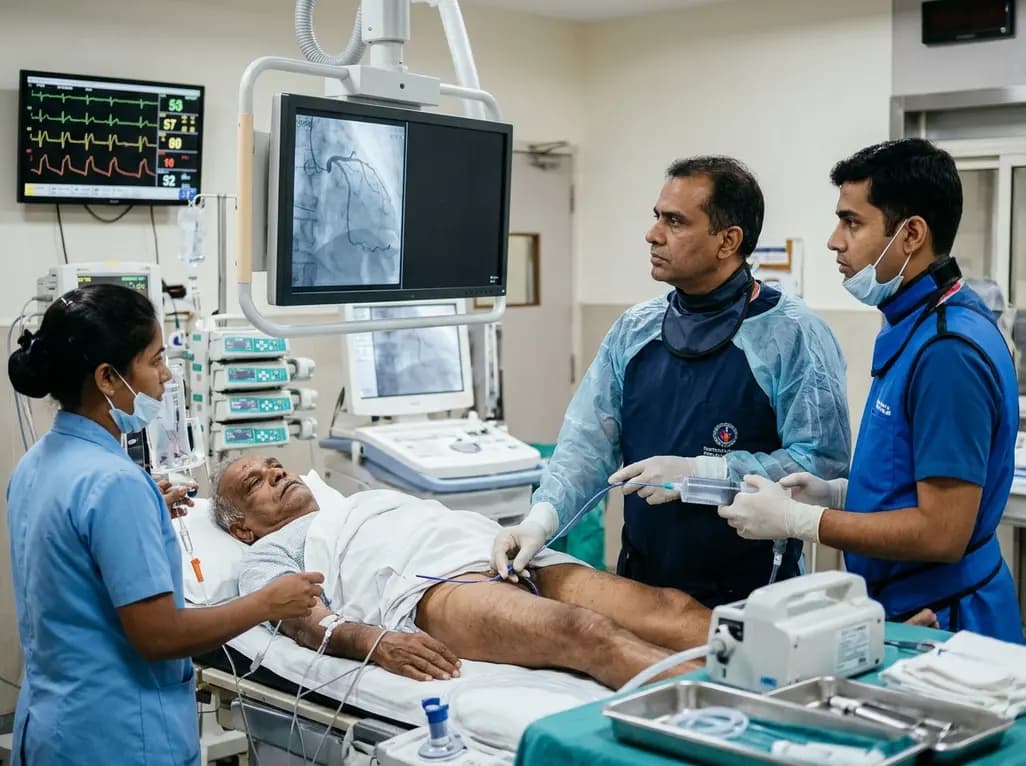
An elderly man with partially repaired Tetralogy of Fallot presented with STEMI caused by coronary embolism rather than atherosclerosis. Successful treatment with sustained mechanical aspiration thrombectomy underscores the vital need for high clinical vigilance in adult congenital heart disease.
Today

Demanding exhaustive hormonal profiling can inadvertently discourage clinical studies involving females. Methodological standards must align with the specific scientific question to expand, not restrict, equitable evidence for women.
Today

A recent study demonstrates that spinal oxygen sensors do not require mitochondrial electron transport to trigger sympathetic excitation during acute hypoxia, revealing new insights into how mitochondrial oxidative stress modulates autonomic tone in cardiovascular and neurological diseases.
Today

A comparative review of tension band wiring and intramedullary screw fixation in thumb metacarpophalangeal arthrodesis, evaluating union rates, hardware complications, and clinical outcomes.
Today

Following regulatory scrutiny from FSSAI regarding promotional representations and lean muscle preservation claims, Dr. Reddy's Laboratories and Nestlé Health Science are currently reviewing the branding and marketing strategy for their joint nutritional supplement Celevida GLP+.
Today
