

Loading, please wait...
Loading, please wait...
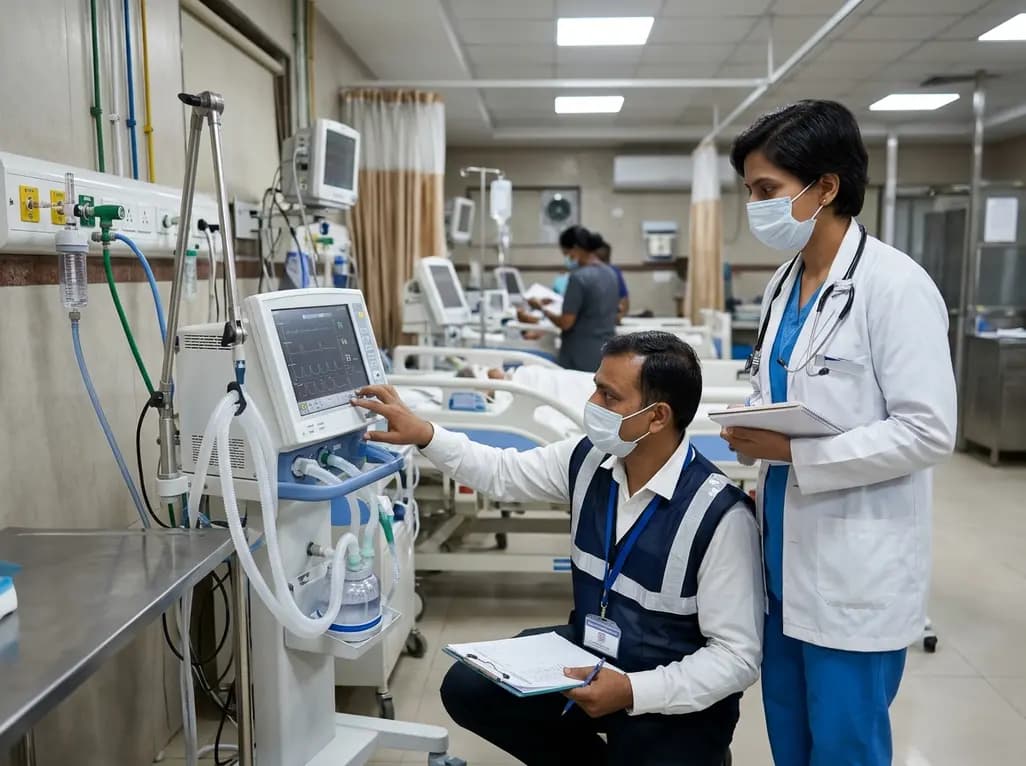
Following a string of catastrophic critical-care fire incidents, the Government of Maharashtra has introduced decisive administrative measures to safeguard intensive care units. Consequently, the state has mandated annual third-party ventilator safety audits across all government and private hospitals. The decision directly addresses safety failures that triggered fatal fires in neonatal and adult intensive care facilities. In addition, state health authorities have introduced a structured Standard Operating Procedure to govern the clinical deployment, routine testing, and technical maintenance of life-support equipment. Because mechanical ventilation involves high-pressure oxygen and continuous electrical currents, strict operational oversight is essential to eliminate severe risks. Public health minister Prakash Abitkar announced these comprehensive measures during his official visit to Nagpur, emphasizing that patient safety in acute settings remains non-negotiable.
The regulatory overhaul gained urgency after a devastating fire broke out at the Sick Newborn Care Unit of Amravati District Women’s Hospital. While dedicated healthcare teams successfully rescued thirty-six neonates, the blaze tragically claimed three newborn lives. Preliminary forensic evaluations pointed toward a catastrophic mechanical explosion within a ventilator unit as the primary ignition point. In response, state officials swiftly blacklisted the biomedical equipment vendor responsible for supplying the suspect machinery. Furthermore, administrative actions were initiated against individuals found negligent during the technical review. Similar equipment-related fire hazards have surfaced across other regional centers. For instance, an ICU fire at a private healthcare facility in Thane was linked directly to ventilator malfunctions. Moreover, a short circuit in an air-conditioning unit killed three neonates in neighboring Telangana, illustrating the urgent necessity for comprehensive equipment surveillance.
To prevent mechanical breakdown, the newly introduced guidelines require biomedical engineering departments and clinical staff to adopt uniform maintenance protocols. Oxygen-rich microenvironments significantly decrease the ignition energy required for combustible materials to ignite. Therefore, routine electrical load assessments, sensor calibrations, and gas line integrity tests are now strictly compulsory. Hospital administrators and clinical department heads bear direct legal responsibility for enforcing full compliance with these maintenance directives. Furthermore, accredited third-party biomedical auditors must independently certify that all ventilators function within approved technical parameters. Regular servicing logs, electrical insulation reviews, and pneumatic valve inspections will prevent catastrophic short circuits. By institutionalizing these rigorous engineering workflows, hospital authorities aim to eliminate avoidable device overheating and gas line failures before patients suffer harm.
Alongside hospital-level reforms, state leadership announced substantial upgrades to the pre-hospital emergency transportation system. Addressing public concerns following an infant mortality event during transit in Alibaug, the health department launched a revamped 'hospital on wheels' strategy. The initiative upgrades the venerable 108 emergency ambulance network, which originally debuted in 2013. Under the updated framework, modern ambulances will function as complete mobile intensive care units. These vehicles will feature advanced mechanical ventilators, specialized transport beds, multiparameter monitoring units, and dedicated emergency doctors. As a result, critical therapeutic stabilization can commence immediately on site rather than waiting until the ambulance reaches a designated emergency room. The program begins rollout in Mumbai with three hundred modern ambulances before extending across Maharashtra.
During his regional administrative tour, Minister Abitkar also inspected peripheral public healthcare infrastructure at the Primary Health Centre in Khodshivni, located within Gondia district. Local community members and medical officers highlighted the growing need for specialized clinical services. Specifically, residents requested dedicated ophthalmological consultations, comprehensive laboratory blood testing, advanced diagnostic X-ray units, and robust antibiotic supplies for infectious ailments such as typhoid. In response, health supervisors received direct instructions to bolster primary diagnostic readiness and streamline essential drug supply chains. Simultaneously, the minister evaluated the ongoing 'Tishicha Palla Tapasni' program. This vital public health campaign provides preventative screening for adults aged thirty and older. By prioritizing early clinical screening and primary intervention, public health networks can mitigate late-stage complications before patients need complex intensive care.
Ultimately, clinical excellence requires robust engineering infrastructure alongside skilled medical decision-making. Intensive care environments present unique operational vulnerabilities due to non-ambulatory patients and uninterrupted electrical operations. Therefore, modern healthcare teams must conduct structured interdisciplinary fire drills, implement emergency oxygen shutoff mechanisms, and ensure unobstructed evacuation corridors. Clinicians should maintain continuous vigilance over warning alarms, abnormal equipment temperatures, and unexpected power fluctuations. When healthcare facilities combine routine third-party audits with rigorous internal preventative maintenance, patient safety benchmarks rise significantly. Moving forward, the harmonious integration of state-level oversight, certified biomedical auditing, and modernized pre-hospital transport promises to establish a resilient healthcare ecosystem across both urban centers and rural districts.
Q1: Why are third-party ventilator audits necessary in critical care units?
Third-party ventilator audits provide unbiased technical evaluations of critical life-support machinery. Because intensive care units operate complex electrical circuits in oxygen-enriched environments, even microscopic sparks or overheated pneumatic components can ignite rapid fires. Independent biomedical auditors verify that electrical wiring, alarms, and gas blending valves meet rigorous national standards, thereby preventing devastating equipment failures.
Q2: What key elements are covered in the new standard operating procedure?
The standard operating procedure establishes explicit guidelines for routine device calibration, scheduled servicing, electrical load management, and decontamination protocols. Additionally, the guidelines outline clear accountability matrices for hospital administrators and biomedical engineers. Healthcare facilities must document all maintenance interventions, track power quality parameters, and maintain active logs to ensure devices remain fully operational and compliant.
Q3: How does the revamped 108 ambulance service improve emergency outcomes?
The upgraded 108 emergency ambulance fleet introduces fully equipped mobile intensive care capabilities. By deploying critical care ventilators, diagnostic monitors, emergency medicines, and qualified physicians directly inside transit vehicles, clinical resuscitation starts during transport. This immediate intervention prevents physiological decompensation during prolonged transfers, particularly benefiting neonatal, pediatric, and unstable adult patients requiring tertiary care access.
Disclaimer: This content is for informational and educational purposes only. It does not constitute medical advice or replace professional judgment. Refer to the latest local and national guidelines for clinical practice.
References

Read summarized clinical updates, watch expert medical content, and earn CME certifications right from your smartphone.
Open your smartphone camera to scan and install.





Maharashtra has made annual third-party ventilator audits mandatory for both public and private hospitals following tragic ICU fires. Discover the new safety standards, maintenance SOPs, and advanced ambulance initiatives transforming critical care safety.
Today
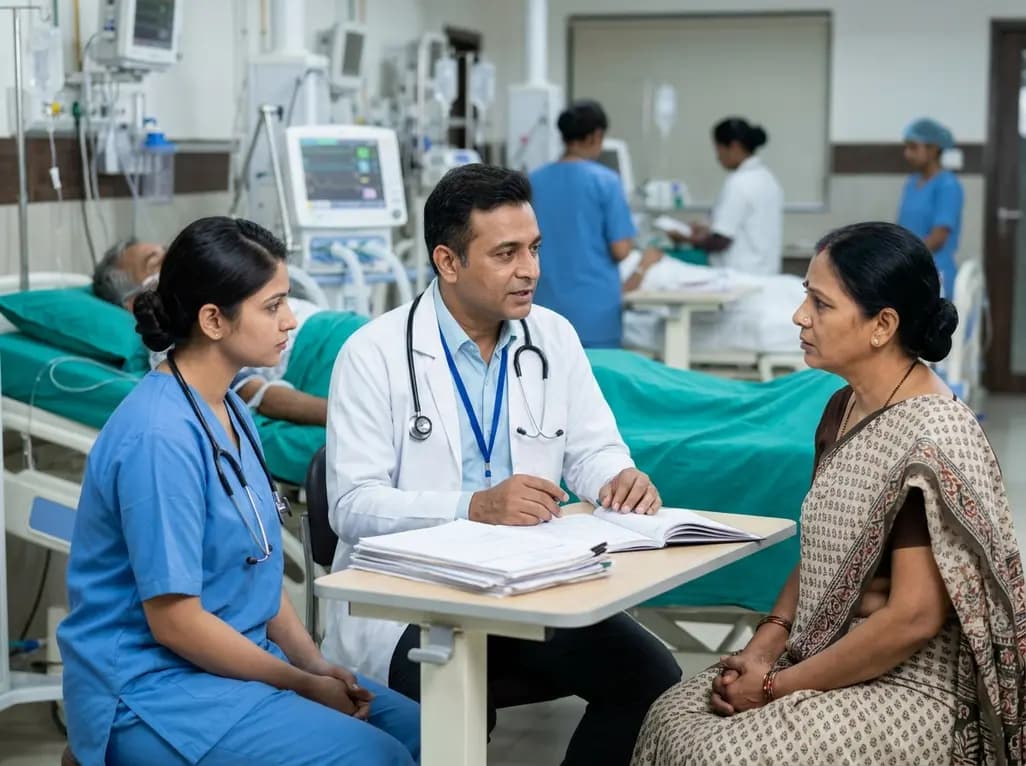
A cross-sectional study in critical care reveals three distinct profiles of family surrogate decision-making self-efficacy, highlighting how clinician communication, hope, and social support drive decision readiness.
Today

A large cohort study demonstrates that fetal growth restriction in a first pregnancy raises maternal cardiovascular risk within five years postpartum, including elevated rates of heart failure, stroke, and myocardial infarction. Clinicians must initiate proactive postpartum screening and cardiovascular prevention.
Today
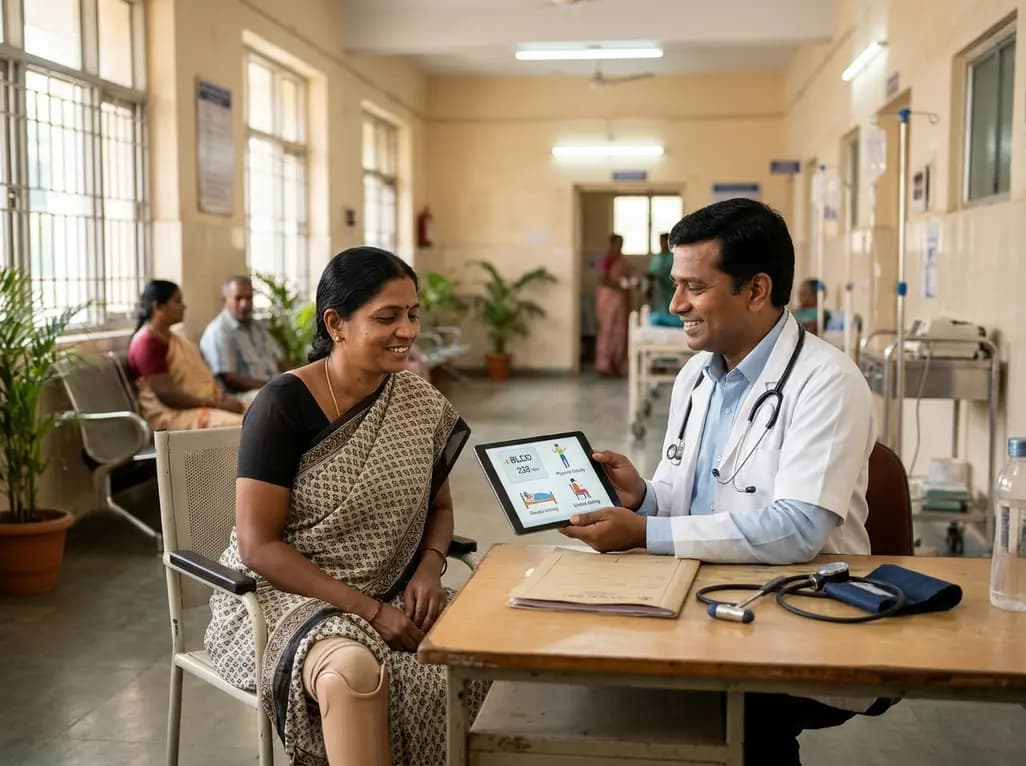
An NHANES analysis reveals that meeting 24-hour movement guidelines significantly lowers the odds of cardiovascular disease, obesity, hypertension, and diabetes among adults with disabilities, emphasizing the power of combined physical activity, sleep, and limited sedentary time.
Today

A paired cadaveric study compared triple and quintuple percutaneous Achilles tendon lengthening. While quintuple hemisection showed numerically greater elongation, differences were not statistically significant.
Yesterday
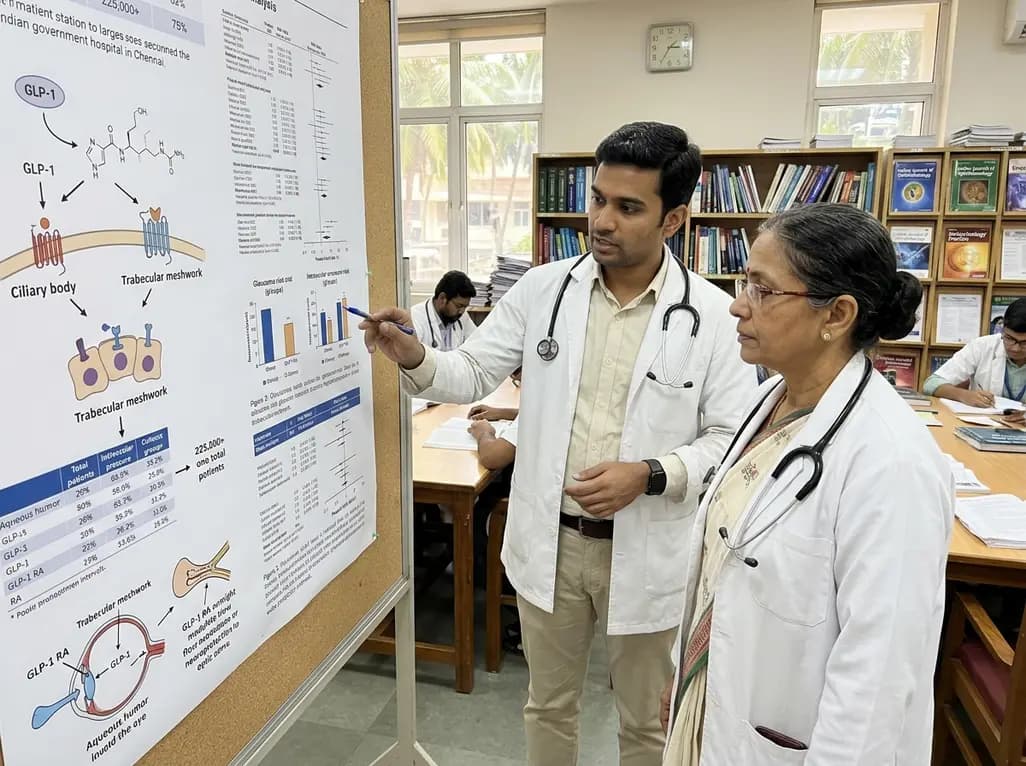
A systematic review and meta-analysis of over 225,000 patients explores whether GLP-1 receptor agonists reduce the risk of glaucoma and ocular hypertension. While pooled data show a 31% lower risk, low certainty and wide prediction intervals urge cautious optimism and further randomized trial evaluation.
Today
