

Loading, please wait...
Loading, please wait...

Surrogate decision-making in the intensive care unit often imposes severe psychological stress on families. When critically ill patients lose cognitive capacity, their family members must make profound life-and-death choices. However, surrogate decision-makers do not approach these high-stakes decisions with uniform confidence. A landmark investigation evaluated 387 family surrogates across intensive care environments to categorize their psychological readiness. Researchers employed latent profile analysis to uncover hidden variations in decision-making self-efficacy. Consequently, the findings revealed three distinct surrogate groups with unique behavioral patterns. First, the high-efficacy and value-driven profile represented approximately 38 percent of participants. These individuals aligned medical decisions directly with the patient's personal values and values systems. Second, the moderate-efficacy and value-conflict profile comprised nearly 34 percent of surrogates. This cohort struggled significantly with internal moral distress and conflicting ethical priorities. Third, the low-efficacy and clinician-led profile accounted for over 28 percent of families. These surrogates exhibited minimal confidence and completely deferred tough choices to attending medical teams. Therefore, recognizing these disparate profiles enables critical care teams to identify vulnerable families much earlier. Clinicians can then tailor supportive strategies rather than applying generic communication protocols.
Multiple clinical and personal variables determine how surrogates navigate critical care crises. In this investigation, researchers identified clinician-family communication quality as the single most influential determinant. Clear, compassionate, and transparent dialogue directly bolsters family self-efficacy during acute medical emergencies. Moreover, perceived social support and personal hope levels strongly reinforce a surrogate's emotional stability. When relatives feel supported by extended family and healthcare staff, their decision readiness improves substantially. Conversely, high illness uncertainty undermines surrogate confidence and amplifies severe decisional conflict. Demographic variables also exert considerable influence on decision-making profiles. Specifically, patient-surrogate kinship, educational background, gender, and age significantly affect personal autonomy. For example, adult children and spouses often face distinct emotional burdens during end-of-life deliberative sessions. In addition, prior personal experience with intensive care units and pre-existing advance care planning foster higher resilience. Critical illness severity indicators, including emergency admission type and invasive mechanical ventilation modes, further modify parental and surrogate coping mechanisms. Consequently, intensive care clinicians must assess these multifaceted factors systematically. Recognizing these underlying determinants helps physicians anticipate which family representatives require immediate psychosocial counseling and structured decision aids.
Decision readiness reflects a surrogate's psychological preparedness to select medical treatments that honor the patient's preferences. In this study, Bayesian analyses confirmed that decision readiness varied remarkably across the three self-efficacy profiles. Surrogates within the high-efficacy group exhibited outstanding readiness, minimal regret, and low decision-related conflict. Because these families comprehended the patient's authentic values, they participated actively in shared clinical decisions. In contrast, surrogates in the value-conflict group experienced severe ambivalence regarding interventions such as tracheostomy or dialysis. They frequently worried about violating the patient's personal dignity while desperately hoping for physiological recovery. Meanwhile, individuals in the low-efficacy group lacked readiness almost entirely. Because these surrogates felt completely unprepared, they experienced intense helplessness and post-traumatic stress. Furthermore, these surrogate profiles directly influence downstream medical workflows and resource utilization. When surrogates lack decision readiness, goals-of-care conferences frequently stall. As a result, critical interventions or palliative transitions suffer prolonged delays. Therefore, enhancing self-efficacy is not merely an empathetic endeavor. Instead, optimizing decision readiness serves as an essential clinical strategy to prevent non-beneficial invasive treatments and moral injury.
In Indian healthcare environments, surrogate decision-making encounters unique cultural and systemic dynamics. Indian families typically embrace collective, familial decision-making rather than solitary autonomy. Frequently, extended family elders and multiple siblings participate in high-stakes bedside discussions. Furthermore, patriarchal norms or financial pressures can introduce complex interpersonal friction during intensive care hospitalizations. Recent legal evolutions in India, including Supreme Court rulings on advance medical directives, reinforce the authority of nominated surrogates. Additionally, consensus guidelines from the Indian Council of Medical Research emphasize transparent consensus-building for withholding or withdrawing life-sustaining therapy. Despite these progressive frameworks, public awareness of living wills in India remains exceedingly limited. Consequently, Indian critical care physicians routinely negotiate intense goals-of-care dilemmas without formal advance directives. In these high-pressure scenarios, family members frequently exhibit the value-conflict or clinician-led profiles. Clinicians must balance medical futility against deep-seated cultural expectations of filial duty and unyielding hope. Therefore, Indian intensive care practitioners must cultivate advanced cross-cultural communication competencies. By facilitating structured family meetings early during ICU admission, intensivists can mitigate panic and foster collaborative consensus.
Critical care units must implement structured, profile-specific interventions to assist distressed family decision-makers. First, multidisciplinary teams should deploy standardized screening instruments upon intensive care unit admission. Validated questionnaires can swiftly identify surrogates who demonstrate low efficacy or severe value dissonance. Second, critical care nurses must serve as proactive communication navigators. Because nurses maintain continuous bedside presence, they can clarify medical jargon and explain mechanical ventilation parameters. Moreover, dedicated nursing support helps families interpret realistic prognoses without extinguishing genuine hope. Third, hospital social workers and clinical psychologists should deliver targeted psychosocial interventions. Surrogates struggling with moral conflict benefit immensely from values-clarification exercises and spiritual counseling. In addition, clinical teams must standardize daily structured family conferences. Intensivists should outline realistic clinical trajectories and summarize treatment trade-offs in plain language. Healthcare institutions should also provide accessible educational pamphlets and digital decision aids. By adopting these evidence-based multidisciplinary practices, critical care units alleviate acute psychological trauma among family surrogates. Ultimately, structured institutional support ensures that clinical decisions genuinely align with the patient's fundamental dignity.
Improving surrogate decision-making requires broad systemic reforms alongside bedside clinical innovations. Health systems must integrate structured decision-support algorithms into routine electronic medical records. Such clinical workflows alert medical teams when surrogate distress escalates during prolonged intensive care stays. Furthermore, medical and nursing training curricula must prioritize formal education in palliative communication and ethical deliberation. Postgraduate residency programs across internal medicine and critical care should incorporate simulation-based surrogate negotiation modules. In developing nations like India, community-level public health campaigns should actively promote advance care planning and living wills. Normalizing discussions regarding end-of-life preferences long before acute hospitalization significantly reduces surrogate guilt. In addition, future clinical research must evaluate longitudinal post-ICU psychological outcomes among diverse surrogate cohorts. Researchers must determine whether profile-targeted communication packages decrease long-term rates of depression and complicated grief. By bridging clinical research and compassionate practice, modern healthcare teams empower family surrogates during life's most challenging moments. Consequently, intensive care units transform into environments characterized by shared empathy, ethical integrity, and patient-centered excellence.
Clinicians evaluate surrogate decision-making profiles by using validated psychometric tools alongside structured clinical observations. Specifically, teams assess family decision self-efficacy, perceived illness uncertainty, and emotional distress during admission conferences. Nurses observe whether family members actively articulate the patient's personal values or passively defer all choices to clinicians. Consequently, identifying these behavioral patterns enables healthcare teams to offer timely, profile-targeted communication and psychological support throughout the intensive care stay.
In India, surrogate decision-making aligns with landmark Supreme Court rulings on advance medical directives and passive euthanasia. The legal framework permits nominated surrogates to execute authenticated living wills when patients lose decision-making capacity. Furthermore, consensus guidelines from the Indian Council of Medical Research direct primary and secondary medical boards to validate medical futility. These protocols protect patient autonomy and guide ethical consensus between treating physicians and families regarding life-sustaining interventions.
Critical care teams reduce surrogate decisional conflict through early, transparent, and empathetic clinician-family communication. Healthcare providers should schedule daily structured family conferences to explain realistic prognoses and clarify confusing medical terminology. Additionally, teams should offer values-clarification exercises and engage hospital social workers or clinical psychologists. Providing these structured psychosocial resources relieves emotional burden, dispels toxic uncertainty, and empowers family surrogates to make well-informed, value-congruent medical choices.
Disclaimer: This content is for informational and educational purposes only... Refer to the latest local and national guidelines for clinical practice.
References

Read summarized clinical updates, watch expert medical content, and earn CME certifications right from your smartphone.
Open your smartphone camera to scan and install.





A cross-sectional study in critical care reveals three distinct profiles of family surrogate decision-making self-efficacy, highlighting how clinician communication, hope, and social support drive decision readiness.
Today

A large cohort study demonstrates that fetal growth restriction in a first pregnancy raises maternal cardiovascular risk within five years postpartum, including elevated rates of heart failure, stroke, and myocardial infarction. Clinicians must initiate proactive postpartum screening and cardiovascular prevention.
Today
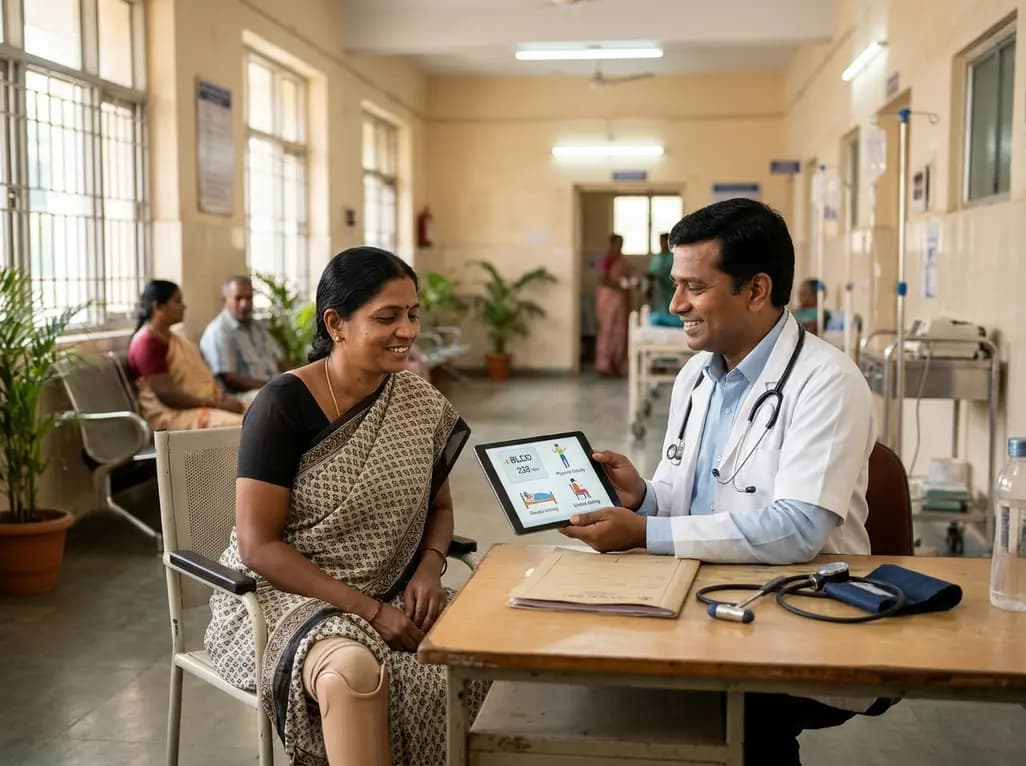
An NHANES analysis reveals that meeting 24-hour movement guidelines significantly lowers the odds of cardiovascular disease, obesity, hypertension, and diabetes among adults with disabilities, emphasizing the power of combined physical activity, sleep, and limited sedentary time.
Today

A paired cadaveric study compared triple and quintuple percutaneous Achilles tendon lengthening. While quintuple hemisection showed numerically greater elongation, differences were not statistically significant.
Yesterday
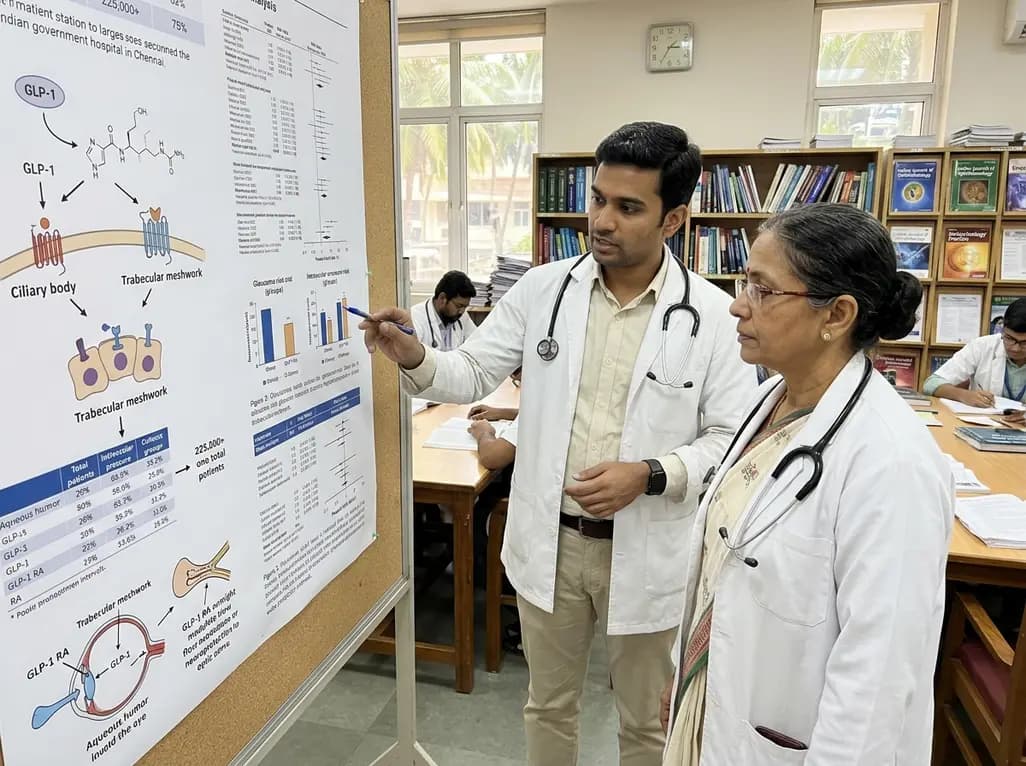
A systematic review and meta-analysis of over 225,000 patients explores whether GLP-1 receptor agonists reduce the risk of glaucoma and ocular hypertension. While pooled data show a 31% lower risk, low certainty and wide prediction intervals urge cautious optimism and further randomized trial evaluation.
Today
