

Loading, please wait...
Loading, please wait...

Tobacco use remains a leading cause of preventable morbidity and therapeutic failure in oncology. Achieving sustainable smoking cessation in cancer care presents a formidable hurdle, especially because many oncology patients simultaneously endure persistent, debilitating physical discomfort. Nicotine provides immediate, transient analgesia, prompting individuals to rely on cigarettes as a maladaptive coping mechanism. Consequently, quitting smoking often amplifies pain-related distress in the short term. Recently, researchers evaluated an innovative approach that targets both tobacco dependence and pain control concurrently. By pairing pharmacotherapy with targeted psychological strategies, investigators established whether dual-focused support could dismantle this vicious cycle and promote long-term recovery.
Cancer-related pain and persistent tobacco use frequently coexist, creating a clinical challenge that confounds standard supportive care. Many oncology patients mistakenly use combustible tobacco to cope with somatic discomfort and treatment-related toxicities. While acute nicotine intake stimulates central nicotinic acetylcholine receptors and releases dopamine to produce temporary pain relief, chronic exposure produces significant tolerance. Moreover, persistent smoking desensitizes neuroreceptors, ultimately heightening overall pain sensitivity over time. As a result, cancer survivors who smoke experience worse baseline pain, require escalating doses of opioid analgesics, and suffer from higher rates of treatment complications.
Furthermore, tobacco smoke compromises surgical wound healing, intensifies radiation therapy toxicities, and elevates the risk of secondary malignancies. Despite these well-documented hazards, clinicians often hesitate to aggressively mandate tobacco cessation because they worry about overwhelming patients already grappling with painful neoplasms. Traditional smoking cessation protocols rarely address somatic symptoms, which inadvertently leaves individuals vulnerable to relapse during acute pain flare-ups. Therefore, oncologists must adopt dual-purpose therapeutic paradigms that systematically tackle both biological addiction and pain perception. By recognizing pain as an omnipresent relapse trigger, clinicians can proactively equip patients with robust alternative coping mechanisms before they abandon combustible tobacco.
Pharmacotherapy serves as a foundational pillar in conquering nicotine dependence, yet singular interventions often fall short in complex oncology cohorts. To overcome these limitations, a groundbreaking pilot study evaluated the feasibility of combining varenicline with a structured 4-session behavioral regimen. Varenicline acts as a partial agonist at alpha-4 beta-2 neuronal nicotinic acetylcholine receptors. Consequently, the drug delivers modest agonist activity to alleviate withdrawal symptoms while concurrently blocking nicotine from binding and reinforcing the reward pathway. Intriguingly, preclinical models suggest that nicotinic receptor modulation might also exert downstream antinociceptive effects, making varenicline particularly attractive for patients with co-occurring pain.
Simultaneously, the accompanying behavioral intervention introduced specific cognitive-behavioral techniques engineered to treat both tobacco cravings and somatic discomfort with unified strategies. Instead of treating addiction and analgesia in silos, the therapy educated participants on how psychological tension and nicotine withdrawal amplify pain perception. Patients learned diaphragmatic breathing, cognitive reframing, and structured behavioral pacing. Consequently, participants discovered how to dismantle catastrophic thoughts regarding discomfort while learning to resist intense urges to smoke. Thus, by combining pharmacologic receptor blockade with adaptive behavioral skills, this unified strategy addresses the bidirectional relationship between chronic pain and persistent tobacco dependence.
The single-arm pilot investigation enrolled 19 patients with active cancer diagnoses to determine whether they would accept and engage with this dual-component model. Overall, the intervention demonstrated extraordinary feasibility and patient acceptability. An impressive 80% of participants rated the combined program as highly helpful for smoking cessation, awarding it four or five stars out of five. Furthermore, 60% of patients considered the protocol beneficial for managing their physical discomfort, and 94% affirmed they would recommend the program to other cancer patients.
Beyond high satisfaction rates, the preliminary clinical outcomes revealed clinically meaningful efficacy. Specifically, 35% of participants (6 out of 17 evaluable individuals) achieved biochemically verified 7-day point prevalence abstinence at six months post-randomization. Achieving a 35% verified quit rate in an oncology cohort is particularly noteworthy, given that cancer patients typically exhibit severe nicotine dependence and experience frequent relapse during oncology therapies. Although the trial was intentionally sized as a pilot study, these robust retention and abstinence figures confirm that cancer patients are eager to engage in comprehensive supportive interventions. Consequently, this high level of adherence indicates that addressing pain alongside nicotine dependence does not burden patients; rather, it provides practical relief that fosters therapeutic compliance.
Interestingly, the pilot study uncovered a nuanced distinction between objective pain intensity and functional pain management. While participants experienced significant success with tobacco abstinence, the investigators did not observe substantial numerical reductions in reported pain intensity scores. At first glance, this finding might appear disappointing. However, the data revealed a critical secondary outcome: participants demonstrated marked, statistically meaningful improvements in pain self-efficacy. In clinical psychology and palliative care, pain self-efficacy reflects an individual's confidence in performing daily activities despite experiencing persistent somatic pain.
This distinction is profoundly important for oncologists and palliative specialists. Although cancer-related tissue damage or chemotherapy neuropathy may generate immutable nociceptive signals, the behavioral intervention successfully transformed how patients interpreted and coped with those sensations. Consequently, patients ceased relying on smoking as their default analgesic crutch. Instead, they utilized adaptive cognitive coping mechanisms to preserve functional independence and psychological resilience. Furthermore, the absence of an immediate drop in absolute pain scores highlights the chronic nature of oncologic discomfort. Future multi-arm randomized controlled trials must refine the behavioral curriculum to provide deeper pain relief techniques, yet fostering self-efficacy remains an essential initial triumph that shields patients from smoking relapse.
The success of this pilot trial carries direct implications for real-world oncology and supportive care environments, especially in high-burden settings like India. Tobacco-related malignancies constitute a significant proportion of oncologic cases across South Asia, where patients routinely encounter concurrent chronic pain, social distress, and limited specialized palliative infrastructure. Therefore, implementing an integrated cessation-and-pain paradigm can address critical gaps in holistic supportive care. Palliative care clinicians, medical oncologists, and oncology nurses must coordinate their workflows to screen patients systematically for both tobacco use and pain severity during routine clinical evaluations.
Moreover, clinicians should proactively prescribe evidence-based cessation pharmacotherapies such as varenicline rather than relying solely on unstructured advice to quit. Dispelling patient misconceptions about smoking and pain relief is equally vital. Clinicians must educate patients that although nicotine momentarily dulls sensations, smoking ultimately worsens tissue hypoxia, exacerbates systemic inflammation, and compromises pain tolerance. By introducing brief, unified behavioral coping modules alongside pharmacotherapy, hospitals can motivate reluctant smokers who might otherwise avoid traditional cessation clinics. Ultimately, addressing pain creates an inviting, compassionate gateway for smoking cessation, empowering cancer survivors to optimize therapeutic outcomes and enhance overall quality of life.
Although acute nicotine inhalation provides brief pain relief by releasing dopamine, chronic smoking severely desensitizes nicotinic acetylcholine receptors and alters neuroendocrine pain pathways. Furthermore, tobacco combustion fuels systemic inflammation, impairs tissue perfusion, and heightens peripheral nerve sensitivity. Consequently, cancer patients who smoke regularly report greater baseline pain severity, display lower pain tolerance thresholds, and require significantly higher doses of opioid analgesics compared to their non-smoking peers during oncologic treatment.
Varenicline functions as a selective partial agonist at alpha-4 beta-2 nicotinic acetylcholine receptors in the brain. By binding to these targets, it releases sufficient dopamine to diminish intense nicotine cravings and uncomfortable withdrawal symptoms. Additionally, if the patient smokes a cigarette, varenicline blocks inhaled nicotine from activating the receptor, eliminating the rewarding sensation. Therefore, it provides effective neurobiological stability, allowing cancer patients to break free from nicotine addiction safely.
Pain self-efficacy measures a patient's personal confidence in carrying out routine daily activities despite living with ongoing physical discomfort. In cancer rehabilitation, high self-efficacy prevents somatic sensations from triggering profound helplessness, emotional distress, and maladaptive behaviors such as smoking. Although oncologic interventions cannot always eliminate nociceptive pain entirely, enhancing self-efficacy empowers individuals to function effectively, sustain emotional resilience, and maintain abstinence from tobacco throughout their survivorship journey.
Disclaimer: This content is for informational and educational purposes only and should not be considered medical advice. Always consult a qualified healthcare professional regarding clinical decisions, diagnosis, or treatment. Refer to the latest local and national guidelines for clinical practice.
References

Read summarized clinical updates, watch expert medical content, and earn CME certifications right from your smartphone.
Open your smartphone camera to scan and install.





A pilot study evaluated varenicline combined with a 4-session behavioral intervention addressing smoking cessation and pain management in cancer patients. Results demonstrated 35% biochemically validated abstinence at 6 months, high acceptability, and significant improvements in pain self-efficacy.
Today
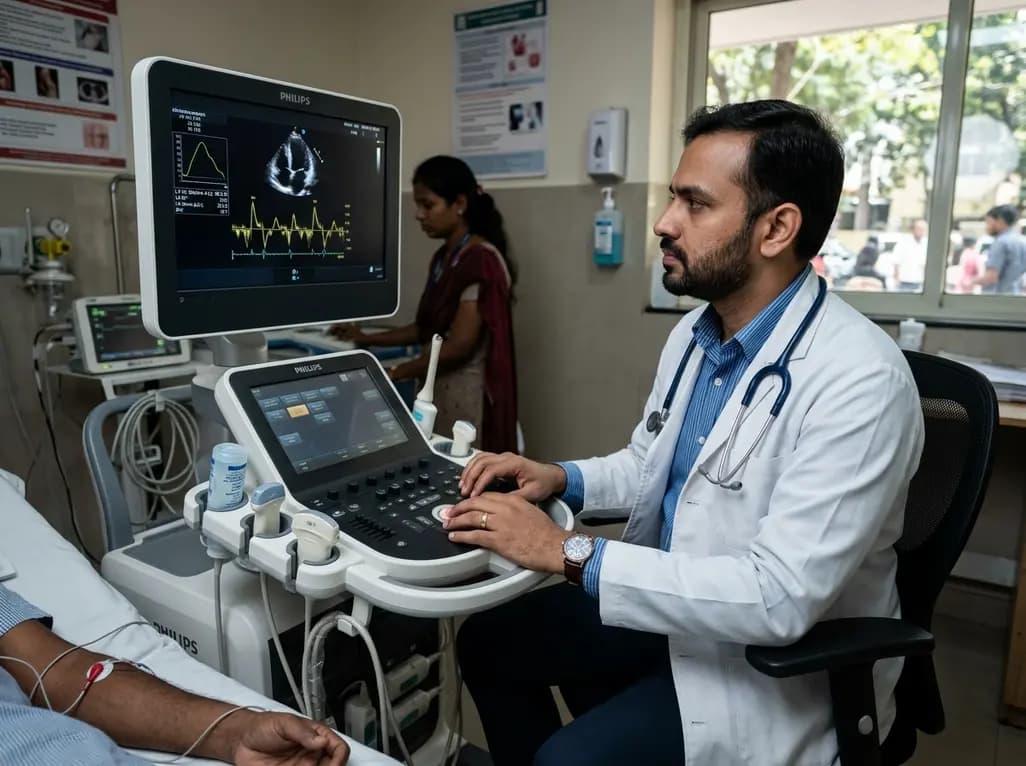
A structured practical guide to left atrial echocardiographic assessment covering biplane volumetry, phasic physiology, speckle-tracking strain, and hemodynamic filling pressure estimation for routine cardiovascular practice.
Today

AIIMS researchers suggest yoga may alleviate gut dysbiosis in Polyendocrine Metabolic Ovarian Syndrome (PMOS) by modulating the gut-brain axis, lowering chronic inflammation, and enhancing parasympathetic tone to support metabolic and hormonal equilibrium.
Today

A prospective cohort study demonstrates that feeding tubes, formula exposure, aortic cross-clamp duration, and socioeconomic deprivation disrupt the neonatal gut microbiome in congenital heart disease, emphasizing the need for targeted nutritional and perioperative gut-protective strategies.
Today

Age-related spinal kyphosis is driven by vertebral fragility, disc degeneration, and paraspinal muscle dysfunction. Coexisting with locomotive syndrome and frailty, its management requires combined anti-osteoporotic therapy, spinal extensor rehabilitation, and comprehensive nutritional optimization.
Today

A longitudinal feasibility pilot study highlights that combining polygenic risk score disclosure with in-person lifestyle counseling significantly enhances genomic literacy in individuals at risk for type 2 diabetes, overcoming educational disparities and reinforcing patient motivation.
Today
