.webp&w=384&q=75)

Loading, please wait...
Loading, please wait...

Value-based healthcare benchmarking is rapidly transforming how clinical success is measured and funded across the globe. A landmark study involving 42 Spanish hospitals has recently provided a comprehensive methodological proposal for calculating value-based ratios. By integrating Patient Reported Outcome Measures (PROMs) with real-world hospital costs, researchers established concrete references for four major health problems. This initiative reflects a significant shift toward transparency and efficiency in healthcare delivery.
The research methodology utilized sophisticated machine learning tools to calculate costs per episode. Specifically, the study focused on knee prostheses, hip prostheses, heart failure, and oncological prostatectomies. Furthermore, investigators collected Patient Reported Experience Measures (PREMs) to ensure a holistic view of care. Consequently, the data revealed that cost-per-value-based units varied significantly across different hospital types. Private centers often showed better outcomes, while large public hospitals managed higher clinical complexity.
Additionally, the variability seen in heart failure treatments was primarily linked to differential costs rather than outcomes. This finding suggests that standardizing expenditure could significantly improve overall efficiency. Practitioners and administrators can use these benchmarking ratios to identify areas for improvement. Similarly, this approach allows for a more nuanced evaluation of health expenditure across diverse pathologies.
Traditional analysis focuses solely on expenditure. Conversely, value-based healthcare benchmarking integrates patient outcomes (PROMs) and experiences (PREMs) into the financial equation to determine the true value of care provided.
Machine learning helps analyze complex hospital-per-episode costs and partial-cost vectors. It allows for the creation of precise patient episode profiles, which lead to more accurate benchmarking ratios across different medical facilities.
Disclaimer: This content is for informational and educational purposes only. It does not constitute medical advice or a substitute for professional consultation. Refer to the latest local and national guidelines for clinical practice.
References

Read summarized clinical updates, watch expert medical content, and earn CME certifications right from your smartphone.
Open your smartphone camera to scan and install.





A Spanish study establishes benchmarking ratios for knee/hip surgeries, heart failure, and prostatectomies using ML and patient-reported outcomes....
3 months ago
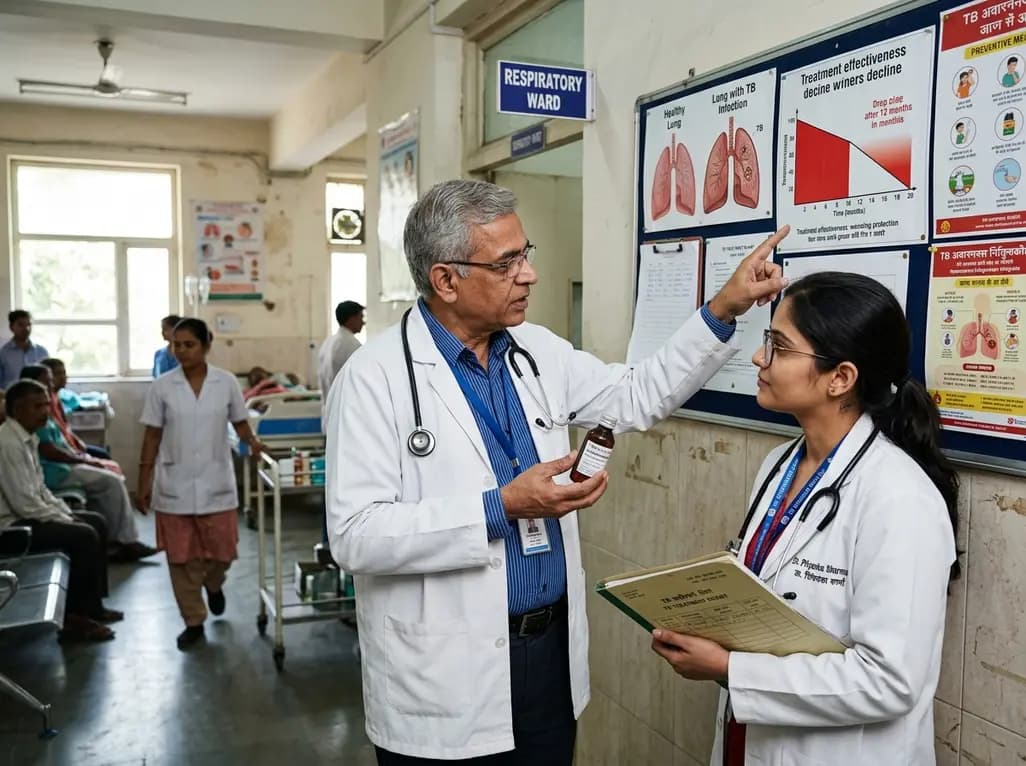
Recent findings in The Lancet Respiratory Medicine reveal that tuberculosis preventive treatment wanes after one year in high-burden settings, unlike the decade-long protection seen in low-burden regions. Clinicians in endemic nations must combine antibiotic chemoprophylaxis with active transmission control.
Today

A school-based intervention using the Health Action Process Approach (HAPA) significantly enhanced adolescents' perceived benefits of consulting healthcare providers and promoted proactive menstrual health behaviors, offering key clinical insights for managing adolescent dysmenorrhea and endometriosis.
Today

A global dose-response meta-analysis of 8.8 million adults reveals that consuming an extra 100 grams of processed food daily raises cardiovascular event risk by 14%. Explore how industrial additives, systemic inflammation, and metabolic disruption heighten long-term multimorbidity and cardiometabolic risks.
Today

A comprehensive analysis of the Translational Maturity Framework for nanomedicine-device combination products, evaluating regulatory complexity, manufacturing hurdles, and clinical readiness across oncology, cardiology, and orthopedics.
Today
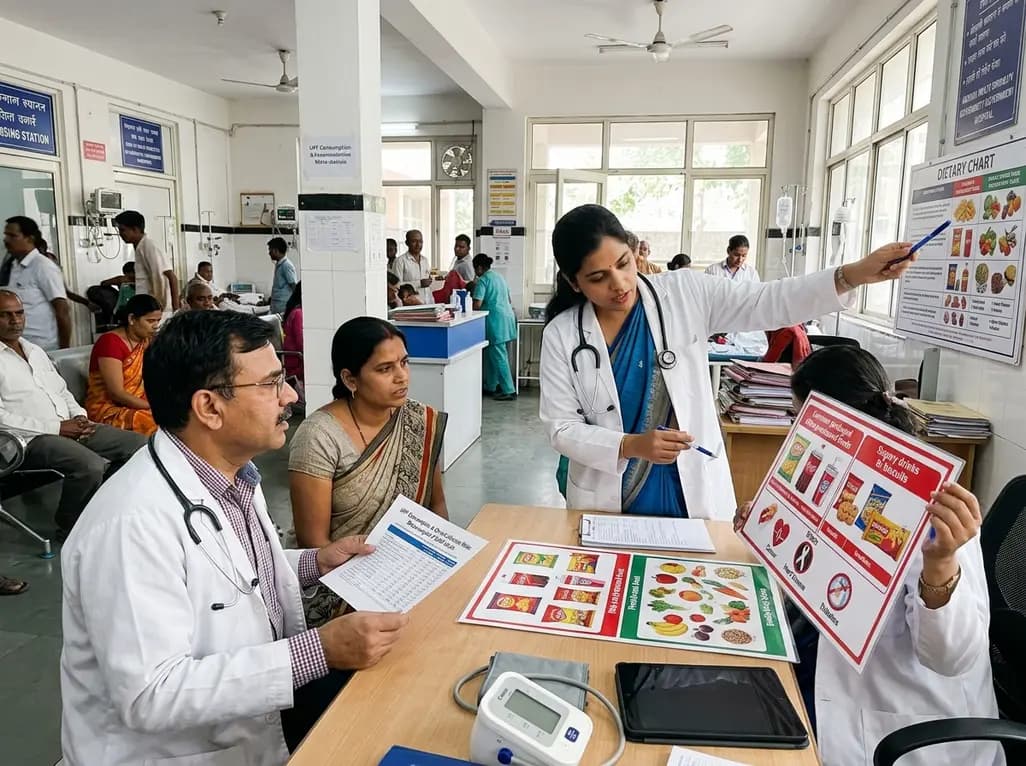
A landmark dose-response meta-analysis of 8.8 million adults reveals that high ultra-processed food intake significantly elevates risks for cardiovascular disease, cancer, diabetes, depression, and all-cause mortality, highlighting urgent needs for clinical lifestyle interventions.
Today
