

Loading, please wait...
Loading, please wait...

Selecting suitable candidates for liver transplantation remains a cornerstone of managing hepatocellular carcinoma. For decades, transplant centers worldwide relied predominantly on morphologic parameters to balance organ allocation equity with post-surgical oncologic survival. However, static morphologic assessments often overlook underlying tumor biology and aggressive cellular behavior. The recent large-scale validation of the Ontario criteria provides robust real-world evidence confirming that integrating biological markers refines risk stratification. Consequently, clinicians can better predict long-term recipient outcomes and optimize organ stewardship.
Historically, the Milan criteria established the standard benchmark for selecting candidates with hepatocellular carcinoma for deceased donor liver transplantation. These conventional guidelines emphasize strict morphologic constraints, permitting a single tumor up to five centimeters or up to three nodules under three centimeters. Nevertheless, morphology alone fails to capture aggressive biological phenotypes such as microvascular invasion and rapid cellular proliferation. Consequently, several transplant centers explored extended frameworks that incorporate biological behavior alongside conventional radiological imaging. The Ontario criteria emerged from this paradigm shift by actively integrating serum alpha-fetoprotein cutoffs with tumor morphology. In regional Canadian allocation protocols, including the Toronto experience, clinicians recognized that elevated alpha-fetoprotein indicates heightened recurrence risk. Therefore, combining tumor volume parameters with biological surveillance prevents futile transplantation in biologically aggressive disease. In addition, this modern strategy expands eligibility safely for select patients who possess favorable tumor biology despite borderline morphologic burdens. Transplant teams increasingly acknowledge that static radiological dimensions cannot solely determine biological fitness for surgery. By incorporating serum biomarkers, transplant algorithms identify biologically aggressive tumors earlier in the evaluation pathway. Thus, transplant programs achieve superior oncologic discrimination and allocate scarce donor organs with enhanced prognostic confidence.
To establish definitive validation, researchers evaluated longitudinal data from the United Network for Organ Sharing registry. The investigative team identified 29,086 adult recipients with confirmed hepatocellular carcinoma who underwent liver transplantation with complete baseline staging data. Demographically, the analyzed cohort exhibited a median recipient age of 60 years, with an interquartile range between 55 and 64 years. Furthermore, male patients predominated the study population, accounting for 22,303 individuals or approximately 77% of all recipients. The median Model for End-Stage Liver Disease score at transplantation was 10, indicating well-compensated cirrhosis in most candidates. The investigators systematically assessed post-transplantation overall survival and tumor-specific mortality using robust multivariable regression models. Additionally, they quantified prognostic discrimination using the area under the receiver operating characteristic curve across extended follow-up intervals. The researchers specifically compared patients meeting the Ontario criteria against standard Milan criteria benchmarks to isolate survival divergences. By analyzing this vast multicenter registry cohort, the validation study minimized single-center selection biases. Consequently, the findings offer generalizable insights into how regional transplant systems perform under varying anatomical and biological listing restrictions.
The clinical results demonstrate that recipients meeting the Ontario criteria achieve outstanding long-term survival outcomes following liver transplantation. Specifically, patients classified within these criteria attained an impressive five-year post-transplant overall survival rate of 76%. Moreover, the median overall survival reached 13.5 years, underscoring the curative potential of transplantation under appropriate selection. Tumor-specific recurrences remained notably low throughout prolonged post-transplant surveillance. Indeed, hepatocellular carcinoma-associated deaths occurred in only 8.0% of qualifying recipients at the five-year postoperative milestone. When investigators evaluated ten-year overall survival discrimination, the Ontario criteria demonstrated an area under the receiver operating characteristic curve of 62%. Although this discriminatory value reflects modest predictive accuracy over a decade, it remains comparable to existing morphologic staging systems. Long-term mortality beyond ten years often stems from non-oncologic etiologies, including cardiovascular events, de novo malignancies, and chronic graft dysfunction. Nevertheless, the framework successfully mitigates early and intermediate post-operative recurrence hazards. Consequently, these robust data reassure transplant teams that applying biological selection criteria does not compromise durable oncologic outcomes. In fact, it provides reliable long-term survival that matches traditional international benchmarks.
The most striking finding of the validation analysis centers on the discordant patient subset categorized as within-Milan but beyond-Ontario criteria. These patients satisfied conventional Milan tumor size and nodule number cutoffs but exceeded the biological alpha-fetoprotein thresholds. Notably, this discordant group experienced a dramatic increase in post-transplant mortality hazard compared to candidates fulfilling both criteria sets. Multivariable regression revealed an adjusted hazard ratio of 1.83, indicating an 83% higher risk of death. Elevated serum alpha-fetoprotein levels directly drove this excess mortality, unmasking aggressive tumor biology that escaped conventional radiological surveillance. Alpha-fetoprotein synthesis correlates strongly with histological dedifferentiation, increased angiogenesis, and microscopic vascular invasion. Therefore, relying exclusively on morphologic measurements permits biologically hostile tumors to undergo transplantation, resulting in premature cancer recurrence. Conversely, measuring serum tumor markers provides an accessible, non-invasive surrogate for tumor aggressiveness. Clinicians must actively monitor biomarker kinetics during the waiting list period to identify sudden biological progression. Furthermore, bridging locoregional therapies can help downstage tumor volume and biomarker levels before listing. In conclusion, incorporating alpha-fetoprotein thresholds establishes an indispensable biological filter that protects scarce organs from futile allocation.
These validation data carry critical implications for transplant hepatology and surgical oncology across diverse healthcare systems, particularly in India. In Indian transplant centers, living donor liver transplantation constitutes the primary modality due to limited deceased donor organ availability. In living donor scenarios, surgical teams often balance family donor autonomy with strict oncologic recipient futility thresholds. Adopting the Ontario criteria framework enables Indian transplant teams to identify candidates who harbor occult biological risks despite meeting Milan sizing. For example, an Indian patient with a small single nodule and markedly elevated alpha-fetoprotein faces an unacceptable recurrence hazard. Therefore, administering pre-transplant downstaging with transarterial chemoembolization or stereotactic radiotherapy offers essential biological testing. If the alpha-fetoprotein level declines substantially following locoregional therapy, the recipient demonstrates favorable biological response. In addition, incorporating biomarker metrics into national deceased donor allocation policies could substantially refine organ prioritization across Indian registries. Multidisciplinary tumor boards should routinely integrate serial biomarker kinetics, advanced cross-sectional multiphasic imaging, and dynamic therapy responses into all candidacy discussions. Ultimately, transitioning from purely morphologic guidelines to biologically informed selection models elevates surgical success rates and maximizes recipient survival.
The traditional Milan criteria rely exclusively on morphologic tumor dimensions, permitting one tumor up to five centimeters or up to three tumors under three centimeters. In contrast, the Ontario criteria incorporate biological surrogate markers, specifically serum alpha-fetoprotein levels, alongside anatomical sizing. This dual approach identifies biologically aggressive tumors that appear radiologically small yet harbor high recurrence potential. Consequently, the Ontario framework prevents futile transplantation in patients with hostile tumor biology.
Patients within Milan but beyond Ontario criteria exhibit significantly elevated mortality because high alpha-fetoprotein levels indicate occult aggressive tumor biology. Elevated alpha-fetoprotein strongly correlates with microscopic vascular invasion, poor histological differentiation, and resistance to standard locoregional interventions. Even when gross anatomical dimensions remain modest, these circulating biomarkers reflect micro-metastatic dissemination. Consequently, these recipients face nearly double the post-transplant mortality hazard compared to candidates presenting with normal biomarker concentrations.
Alpha-fetoprotein monitoring provides vital dynamic insight into tumor response during pre-transplant bridging or downstaging interventions. When clinicians administer locoregional treatments such as transarterial chemoembolization or ablation, a sustained drop in alpha-fetoprotein confirms favorable biological behavior. Conversely, persistently rising biomarker levels signify treatment resistance and high recurrence risk post-transplant. Thus, observing serial biomarker kinetics over time helps multidisciplinary teams select ideal surgical candidates and avoid premature transplantation in non-responders.
Disclaimer: This content is for informational and educational purposes only... Refer to the latest local and national guidelines for clinical practice.
References

Read summarized clinical updates, watch expert medical content, and earn CME certifications right from your smartphone.
Open your smartphone camera to scan and install.





A large UNOS registry study validates the Ontario criteria for hepatocellular carcinoma liver transplantation. Incorporating alpha-fetoprotein significantly refines post-transplant risk stratification beyond traditional Milan criteria, demonstrating high overall survival and identifying patients at higher risk.
Today
Octogenarians with chronic kidney disease exhibit marked sexual dimorphism in body composition, fluid balance, and functional status. While elderly women face heightened fracture risks and excess adiposity, men display greater rates of dynapenia, demanding sex-stratified clinical care.
Today
Maternal cardiovascular risk factors such as hypertension, obesity, and diabetes significantly elevate offspring cardiovascular disease risk through placental dysfunction and fetal programming. Enhancing preconception screening and antenatal care offers clinicians a powerful strategy to protect long-term heart health.
Today
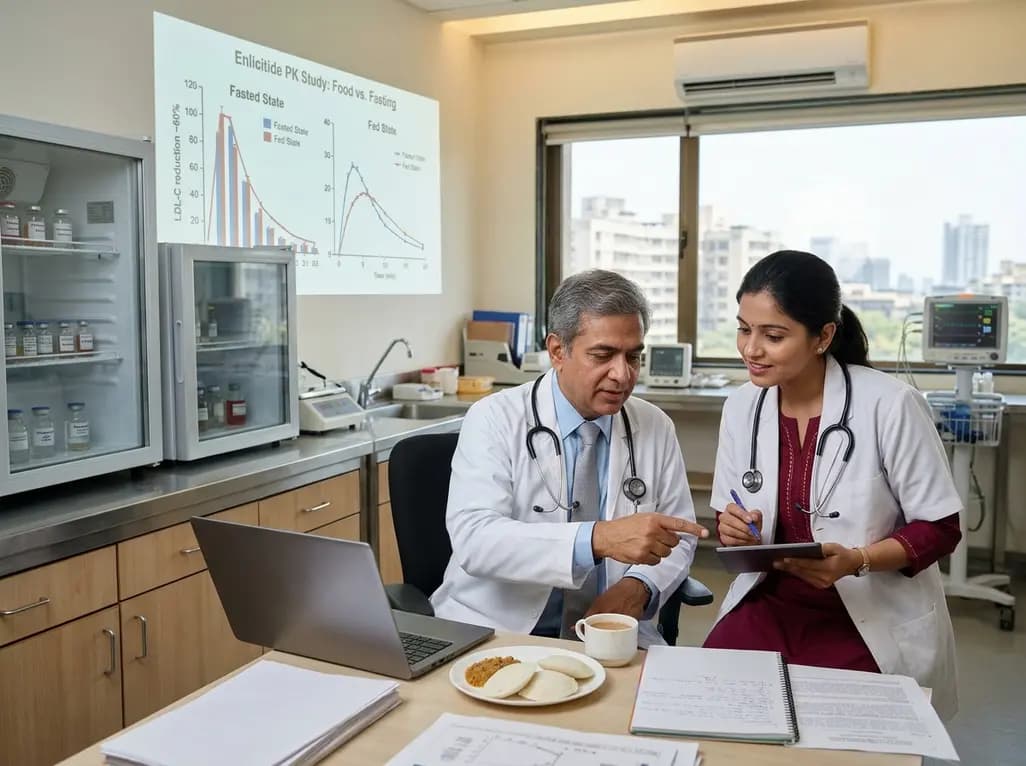
New phase I data evaluate the impact of food and beverages on enlicitide, the first oral PCSK9 inhibitor. While food reduces peak absorption, model simulations demonstrate robust LDL-C lowering of approximately 60%, confirming meaningful pharmacokinetic forgiveness and flexible real-world administration.
Yesterday

A retrospective cohort study reveals that lumbar spine bone mineral density does not distinguish extremity long bone fracture status in adults with severe motor and intellectual disabilities. Because age drove fracture risk rather than spinal density, clinicians must adopt comprehensive assessment tools.
Today
A landmark UK Biobank study by Karolinska Institutet researchers reveals that optimal rest mitigates neurodegeneration in cardiometabolic illness. Patients maintaining high sleep quality demonstrated superior cognitive scores and larger brain volumes, highlighting sleep optimization as an actionable clinical strategy.
Yesterday
