

Loading, please wait...
Loading, please wait...

The global population is aging rapidly, and managing nephrology patients over eighty years of age presents unique diagnostic hurdles. Traditional anthropometric tools often fail to capture subtle physiological changes in elderly individuals. Consequently, assessing body composition in CKD has become essential for precise risk stratification. In routine practice, fluid overload and sarcopenia mask true nutritional health. Therefore, clinicians require advanced diagnostic modalities to guide long-term therapeutic interventions. A prospective observational cohort study of 724 octogenarians across 14 years now illuminates how gender fundamentally alters clinical trajectories, fluid compartments, and muscular integrity.
Body mass index remains a standard screening parameter in routine nephrology outpatient clinics. However, it cannot differentiate between pathological fluid accumulation, skeletal muscle wasting, and true adipose distribution. In frail octogenarians with reduced renal function, occult volume retention frequently conceals progressive protein-energy wasting. Therefore, relying solely on total body weight can easily mislead treating physicians. To overcome these diagnostic blind spots, researchers utilized vectorial tetrapolar bioelectrical impedance analysis alongside handgrip dynamometry. This comprehensive approach accurately quantifies intracellular water, extracellular water, and tissue resistance vectors. As a result, clinicians obtain an objective overview of tissue hydration and cellular membrane integrity. Furthermore, this prospective cohort investigated older adults with a mean age exceeding 84 years and moderate chronic kidney disease. Vectorial impedance analysis proved remarkably sensitive in discerning occult fluid shifts. Consequently, this technology helps nephrologists separate true cellular tissue mass from silent volume expansion. Moreover, identifying these bioelectrical nuances allows clinical teams to implement targeted dietary and diuretic adjustments before overt circulatory overload occurs.
Female octogenarians with chronic renal impairment display a distinctive metabolic and bioelectrical profile. In this longitudinal cohort, women presented with substantially higher adiposity and decreased intracellular water compared to men. In addition, they exhibited a significantly greater proportion of extracellular water relative to total body water. This fluid expansion occurred even though women presented with lower overall baseline comorbidity scores. Therefore, subclinical extracellular overhydration can develop silently despite an apparently favorable comorbidity profile. Similarly, female patients demonstrated lower absolute muscle mass and reduced muscular strength during dynamometric testing. Hormonal shifts following menopause accelerate fat redistribution and skeletal muscle loss. Consequently, aging kidneys struggle to regulate volume balance efficiently against altered vascular permeability and reduced capillary integrity. Furthermore, heightened adiposity contributes to persistent systemic low-grade inflammation. This chronic inflammatory state alters microvascular tone and disrupts cellular nutrition. Thus, recognizing elevated extracellular water in female patients prevents clinicians from mistakenly attributing sudden weight gain to beneficial nutritional recovery.
In contrast, male octogenarians exhibited a markedly divergent musculoskeletal phenotype. Men preserved significantly greater absolute muscle mass and generated higher handgrip strength values than women. Nevertheless, male participants suffered from a notably higher prevalence of dynapenia. Dynapenia describes the loss of muscular strength and contractile performance independent of total skeletal muscle mass. Thus, a patient may retain seemingly adequate muscle volume while losing functional strength. In addition, uremic toxins, chronic metabolic acidosis, and neuromuscular degradation compromise motor unit recruitment in aging males. Consequently, clinicians must not assume that robust muscle bulk equates to preserved physical resilience. Handgrip dynamometry reliably detects functional weakness that bioelectrical impedance imaging cannot measure alone. Moreover, dynapenia strongly correlates with increased fall frequency, functional dependence, and premature mortality. Therefore, comprehensive geriatric nephrology protocols should integrate regular functional dynamometry. By monitoring muscle quality alongside volume status, physicians can identify vulnerable men who require specialized physical rehabilitation.
The 14-year longitudinal follow-up revealed striking dichotomies in ultimate clinical outcomes between sexes. Interestingly, women faced a substantially lower risk of progressing to kidney replacement therapy. However, they experienced a dramatically elevated incidence of osteoporotic and hip fractures over time. Mineral and bone disorder in chronic kidney disease interacts adversely with postmenopausal bone loss. Consequently, women suffer severe skeletal fragility that heightens hospitalization rates and functional dependency. In contrast, male patients showed higher rates of dialytic progression and cardiovascular complications. These differing trajectories require distinct clinical priorities during routine consultations. Specifically, clinicians managing female octogenarians must prioritize fracture prevention, fall avoidance, and bone mineral optimization. Conversely, male management demands aggressive cardiovascular risk reduction and proactive planning for renal replacement options. Therefore, gender serves as a decisive prognostic factor that should guide personalized therapeutic pathways. Ultimately, this tailored approach ensures that preventive interventions align directly with each patient's predominant biological risk.
These findings demonstrate why standard protocols fail when treating elderly individuals with declining renal function. Sexual dimorphism profoundly influences tissue hydration, muscular performance, and long-term prognosis. Accordingly, nephrologists must move beyond generalized dietary guidelines and uniform fluid restrictions. For instance, prescribing conservative fluid restrictions to women based solely on weight might worsen dehydration in lean compartments. Similarly, managing male octogenarians without functional strength testing overlooks debilitating dynapenia. Therefore, multidisciplinary care teams should combine bioelectrical impedance analysis with regular handgrip strength assessments. Furthermore, geriatricians, nephrologists, and dietitians must collaborate to deliver tailored resistance exercise regimens and balanced nutritional plans. Such personalized interventions preserve functional autonomy while mitigating severe osteoporotic and metabolic complications. In addition, routine screening for bone fragility in older female patients must become standard practice in renal clinics. Ultimately, recognizing gender-specific phenotypes enables medical teams to improve quality of life across extended survival periods.
Body mass index fails to differentiate between muscle tissue, adipose deposits, and fluid retention. In elderly kidney disease patients, hidden fluid retention frequently masks severe muscle wasting. Therefore, bioelectrical impedance analysis provides superior diagnostic accuracy by measuring intracellular and extracellular water compartments directly. Consequently, this objective electrical measurement allows clinicians to identify subclinical overhydration and occult protein wasting that standard anthropometry completely misses.
Dynapenia represents loss of muscle strength without a proportional decrease in muscle mass. In older men, chronic kidney disease promotes metabolic acidosis, systemic inflammation, and accumulation of uremic toxins. In addition, age-related motor unit denervation impairs neuromuscular transmission and muscle contractility. Thus, even though male patients maintain substantial muscle volume, their intrinsic muscular quality deteriorates significantly. Regular handgrip dynamometry remains vital to detect this functional decline before disabling falls occur.
Octogenarian women combine the skeletal consequences of postmenopausal estrogen deficiency with chronic kidney disease-mineral and bone disorder. Furthermore, these women exhibit lower baseline muscle mass and reduced physical strength, which heightens instability and fall risks. In addition, their altered body composition features elevated extracellular water and lower intracellular cellularity. Therefore, brittle cortical bone structure paired with reduced mechanical shock absorption dramatically increases their vulnerability to devastating osteoporotic and hip fractures.
Disclaimer: This content is for informational and educational purposes only, and does not substitute professional medical advice, diagnosis, or treatment. Healthcare professionals should make clinical decisions based on individual patient assessments and valid local medical protocols. Refer to the latest local and national guidelines for clinical practice.
References

Read summarized clinical updates, watch expert medical content, and earn CME certifications right from your smartphone.
Open your smartphone camera to scan and install.





Octogenarians with chronic kidney disease exhibit marked sexual dimorphism in body composition, fluid balance, and functional status. While elderly women face heightened fracture risks and excess adiposity, men display greater rates of dynapenia, demanding sex-stratified clinical care.
Today

Maternal cardiovascular risk factors such as hypertension, obesity, and diabetes significantly elevate offspring cardiovascular disease risk through placental dysfunction and fetal programming. Enhancing preconception screening and antenatal care offers clinicians a powerful strategy to protect long-term heart health.
Today

New phase I data evaluate the impact of food and beverages on enlicitide, the first oral PCSK9 inhibitor. While food reduces peak absorption, model simulations demonstrate robust LDL-C lowering of approximately 60%, confirming meaningful pharmacokinetic forgiveness and flexible real-world administration.
Yesterday
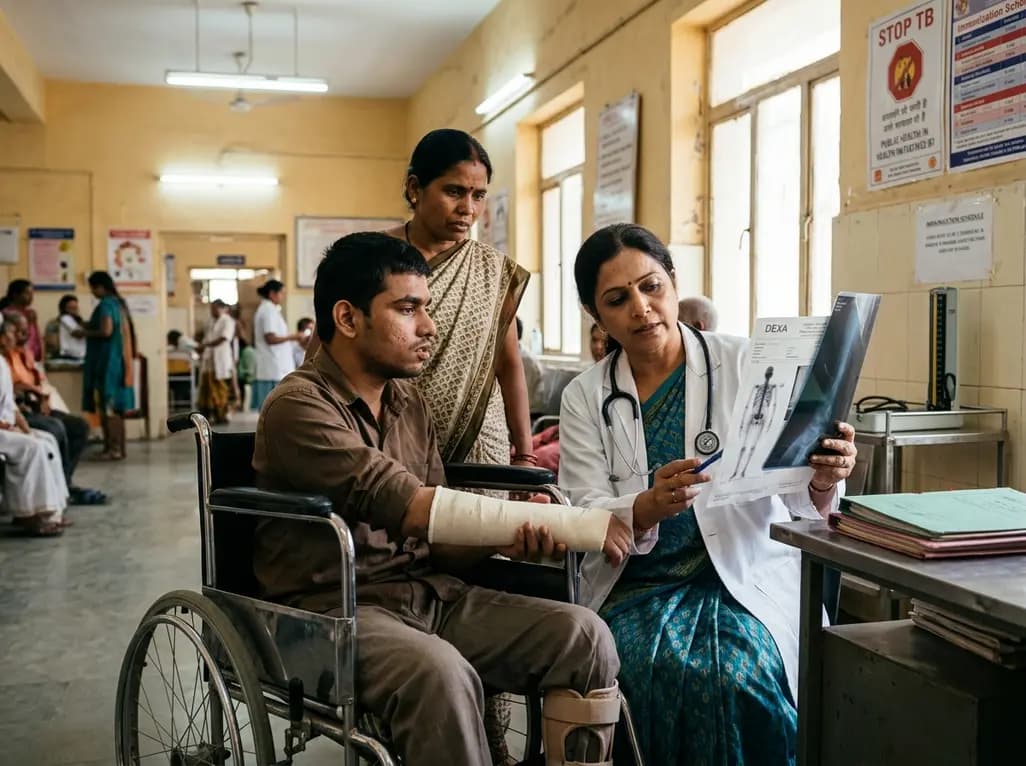
A retrospective cohort study reveals that lumbar spine bone mineral density does not distinguish extremity long bone fracture status in adults with severe motor and intellectual disabilities. Because age drove fracture risk rather than spinal density, clinicians must adopt comprehensive assessment tools.
Today

A landmark UK Biobank study by Karolinska Institutet researchers reveals that optimal rest mitigates neurodegeneration in cardiometabolic illness. Patients maintaining high sleep quality demonstrated superior cognitive scores and larger brain volumes, highlighting sleep optimization as an actionable clinical strategy.
Yesterday
