.webp&w=384&q=75)

Loading, please wait...
Loading, please wait...
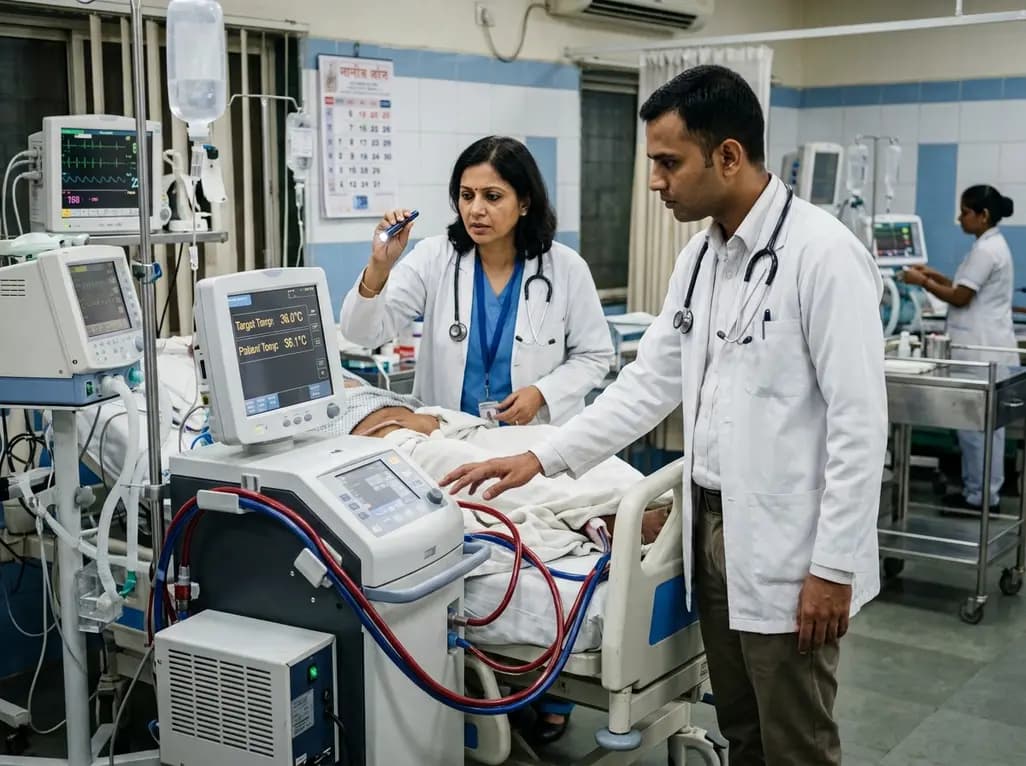
Veno-arterial extracorporeal membrane oxygenation (VA-ECMO) has become a vital intervention for patients in severe cardiogenic shock. However, clinicians often face significant hurdles due to VA-ECMO neurological complications. Because these injuries range from ischemic strokes to hypoxic-ischemic brain injury (HIBI), they profoundly impact survival outcomes. Therefore, researchers are investigating the potential neuroprotective effects of Targeted Temperature Management (TTM) in this specific setting.
Neurological injury during VA-ECMO occurs through several complex pathways. For instance, these include thromboembolic events originating from the circuit. Additionally, anticoagulation management often triggers hemorrhagic events. Furthermore, rapid changes in carbon dioxide levels during cannulation can disrupt cerebral blood flow. Consequently, maintaining neurological integrity remains a paramount challenge for the intensive care team.
Currently, Targeted Temperature Management (TTM) shows its most significant promise in patients undergoing extracorporeal cardiopulmonary resuscitation (ECPR). Specifically, these patients suffer from severe global ischemia during cardiac arrest. Thus, TTM helps mitigate secondary reperfusion injury by slowing metabolic processes. Moreover, emerging evidence suggests that ECPR patients may benefit more from controlled cooling than those in non-arrest cardiogenic shock.
In contrast, the benefit of TTM for non-arrest VA-ECMO patients is less clear. Indeed, evidence in this population remains inconsistent and largely observational. Furthermore, induced cooling can introduce risks such as coagulopathy and an increased risk of infection. As a result, current evidence does not support the routine use of TTM for neuroprotection in all VA-ECMO cases. Nevertheless, clinicians continue to evaluate its use on a case-by-case basis based on individual risk factors.
The most frequent complications include ischemic stroke, intracranial hemorrhage, hypoxic-ischemic brain injury, and seizures. These events significantly increase morbidity and mortality for critically ill patients.
Patients undergoing ECPR or those with return of spontaneous circulation (ROSC) after cardiac arrest show the most benefit. Evidence for using TTM in non-arrest cardiogenic shock patients remains limited and inconsistent.
Disclaimer: This content is for informational and educational purposes only. It does not constitute medical advice or establish a doctor-patient relationship. Refer to the latest local and national guidelines for clinical practice.
References
Rezk M et al. Neurological complications in veno-arterial extracorporeal membrane oxygenation and the potential role of targeted temperature management- A narrative review. Heart Lung. 2026 Jun 04. doi: undefined. PMID: 42241741.
Hwang J et al. Epidemiology of Seizures and Association With Mortality in Adult Patients Undergoing ECMO: A Systematic Review and Meta-analysis. Neurology. 2024 Aug. doi: 10.1212/WNL.0000000000209675.
Cho SM et al. Neurological monitoring and management for adult extracorporeal membrane oxygenation patients: Extracorporeal Life Support Organization consensus guidelines. ASAIO J. 2024 Oct. doi: 10.1097/MAT.0000000000002315.

Read summarized clinical updates, watch expert medical content, and earn CME certifications right from your smartphone.
Open your smartphone camera to scan and install.





This review details neurological injuries in VA-ECMO and evaluates the limited evidence for Targeted Temperature Management in non-arrest populations....
3 months ago

This review outlines multidimensional intervention strategies to enhance adult vaccination coverage, emphasizing behavioral motivation, clinical workflow optimization, community engagement, and digital health tools to protect high-risk populations across their life course.
Today

A school-based intervention using the Health Action Process Approach (HAPA) significantly enhanced adolescents' perceived benefits of consulting healthcare providers and promoted proactive menstrual health behaviors, offering key clinical insights for managing adolescent dysmenorrhea and endometriosis.
Today

A global dose-response meta-analysis of 8.8 million adults reveals that consuming an extra 100 grams of processed food daily raises cardiovascular event risk by 14%. Explore how industrial additives, systemic inflammation, and metabolic disruption heighten long-term multimorbidity and cardiometabolic risks.
Today

A psychometric validation study confirms that the Turkish Copenhagen Hip and Groin Outcome Score (HAGOS-T) offers excellent reliability, construct validity, and interpretability for patients with hip osteoarthritis, providing clinicians with a robust tool for functional assessment.
Today
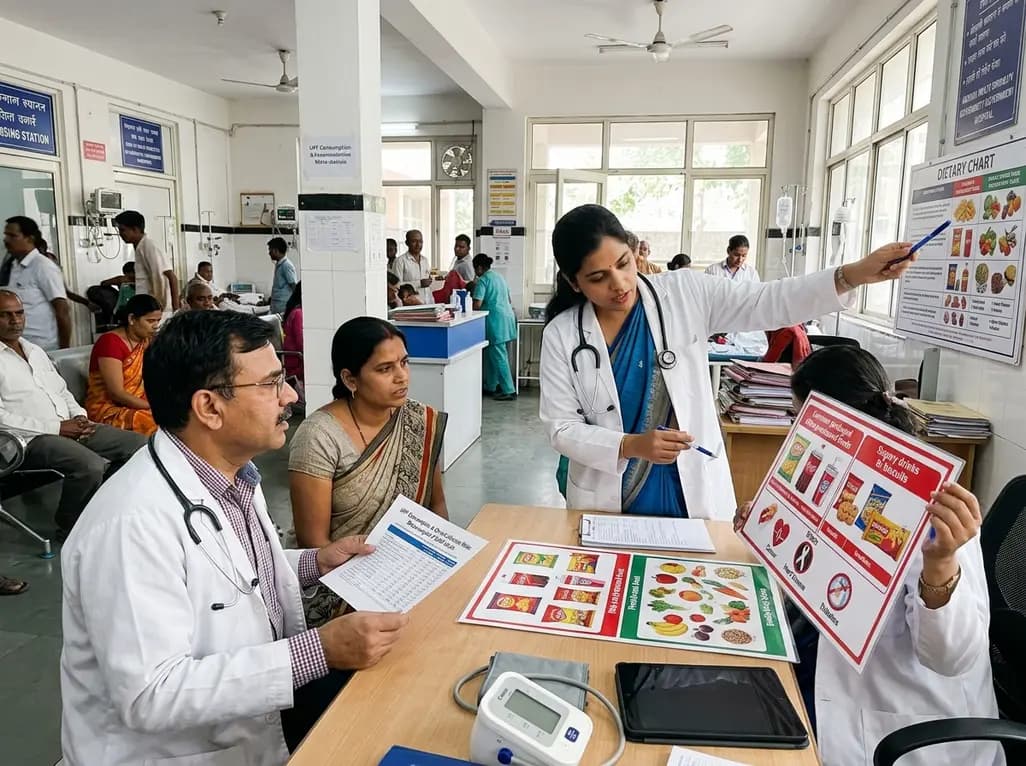
A landmark dose-response meta-analysis of 8.8 million adults reveals that high ultra-processed food intake significantly elevates risks for cardiovascular disease, cancer, diabetes, depression, and all-cause mortality, highlighting urgent needs for clinical lifestyle interventions.
Today
