

Loading, please wait...
Loading, please wait...

Recent surveillance confirms a significant public health turning point as US measles cases climb past 5,000 for the first time since 1991. The United States Centers for Disease Control and Prevention documented 5,182 confirmed infections across dozens of jurisdictions. Consequently, healthcare providers face unprecedented diagnostic hurdles. Although medical authorities declared measles eliminated domestically in 2000, persistent immunization gaps have catalyzed intense community spread. Clinicians must maintain a heightened index of suspicion when evaluating fever and rash. Furthermore, understanding the contemporary dynamics of this resurgence is essential for physicians managing vulnerable patients across global healthcare settings.
Public health investigations demonstrate that suboptimal vaccine uptake serves as the primary engine for this historic rebound. Specifically, data show that 96% of all recorded patients were completely unvaccinated or possessed an undocumented immunization status. Over 43 discrete outbreaks materialized across multiple states, causing widespread secondary transmission in tightly clustered communities. Furthermore, federal health officials reported that over 4,900 infections had direct associations with active outbreak clusters. Meanwhile, state departments of health have documented multiple fatal outcomes, including several confirmed fatalities in Pennsylvania, New York, and Wisconsin. As a result, public health leaders emphasize the catastrophic risks of losing sustained community protection.
Historically, measles outbreaks centered within localized demographic pockets, yet the current wave highlights broad vulnerability across diverse regions. For example, when population vaccination coverage falls below the mandatory 95% threshold, the basic reproduction rate of measles escalates dramatically. Consequently, a single imported index case can trigger rapid, multi-generational transmission chains. In addition, international travel significantly accelerates this dissemination pattern. Therefore, medical practitioners worldwide must recognize that declining local immunization coverage threatens regional epidemic stability. Healthcare systems must address vaccine hesitancy proactively through clear communication and robust primary care engagement.
A striking finding in recent epidemic analyses is the changing age distribution among infected cohorts. Traditionally, measles presented as a classic childhood exanthem, primarily affecting toddlers and young schoolchildren. However, current records indicate that adults aged 20 years and older accounted for 2,132 infections. Similarly, individuals aged 5 to 19 years represented 2,104 cases, while children younger than five years comprised 908 infections. Thus, older adolescents and mature adults now generate more than 80% of aggregate case volumes. This demographic transition poses distinct clinical dilemmas because older patients frequently suffer severe systemic disease trajectories.
Furthermore, adult patients demonstrate substantially higher susceptibility to severe lower respiratory tract complications and hepatic inflammation. Primary care practitioners often overlook measles when assessing mature adults presenting with acute constitutional symptoms. Nevertheless, clinicians must remember that unimmunized adults harbor substantial biological susceptibility. Consequently, delayed identification frequently leads to prolonged exposure windows in workplaces, emergency departments, and communal facilities. Physicians should therefore review vaccine histories thoroughly across all age groups. Catch-up immunization with two validated doses remains imperative for all non-immune adults who lack documented evidence of prior infection.
Clinicians must thoroughly re-examine the canonical manifestations of measles to prevent diagnostic misclassification. Following an incubation interval of roughly 10 to 14 days, patients typically enter a severe prodromal phase. This stage features high remittent fever, malaise, coryza, persistent non-productive cough, and bilateral conjunctivitis. In addition, pathognomonic Koplik spots appear transiently on the buccal mucosa opposite the lower molars. Subsequently, an erythematous, maculopapular exanthem emerges along the hairline before spreading centrifugally across the trunk and extremities. The rash gradually becomes confluent on the torso, often resolving with fine desquamation.
However, clinicians must remain vigilant for dangerous secondary complications. The CDC reported 562 hospitalizations nationwide, representing approximately 11% of all documented infections. Secondary bacterial pneumonia represents the most frequent cause of measles-related mortality across both pediatric and adult demographics. Moreover, acute post-infectious encephalitis occurs in approximately one out of every 1,000 cases, often producing permanent neurological damage. Severe dehydration, profound laryngotracheobronchitis, and keratoconjunctivitis leading to corneal ulceration also occur frequently. Because measles induces prolonged immunological suppression, affected hosts remain vulnerable to secondary opportunistic infections for months following clinical recovery.
Immediate identification requires rapid molecular testing and strict physical isolation. When clinicians suspect acute infection, they must immediately isolate the patient in an airborne infection isolation room. Healthcare workers should don fitted N95 respirators or superior protective equipment before entering the assessment area. In addition, medical staff should avoid using the examination room for at least two hours after the patient departs. Transitioning patients safely into negative-pressure containment protects unimmunized infants and immunocompromised clinic attendees from acquiring lethal airborne particles.
Diagnostic confirmation relies on obtaining nasopharyngeal or throat swabs for real-time reverse transcription polymerase chain reaction assays. Clinicians should also draw serum samples for measles-specific IgM and IgG antibodies within the first few days of rash emergence. Furthermore, physicians must immediately notify regional public health departments upon suspecting measles, rather than waiting for confirmatory laboratory results. Supportive medical management focuses on aggressive hydration, antipyretics, and targeted antibacterial therapies for proven secondary infections. Furthermore, high-dose oral vitamin A supplementation should be administered to children to reduce ocular damage and systemic mortality.
The resurgence of measles in developed nations delivers vital clinical reminders for medical practitioners across India. Although India has achieved substantial gains through intensified measles-rubella immunization programs, localized pockets of low vaccine coverage persist. Therefore, Indian pediatricians and general physicians must remain vigilant against potential resurgence events. Healthcare workers should consistently verify routine vaccination schedules during every routine outpatient consultation. Furthermore, physicians evaluating international travelers presenting with fever and acute exanthematous eruptions must consider measles high on the differential diagnosis.
Moreover, clinicians must actively counteract misinformation regarding vaccine safety. Because measles virus possesses extreme contagiousness, maintaining community herd immunity demands constant diligence. Hospital infection prevention teams should conduct regular staff drills to rehearse airborne triage protocols. In addition, timely post-exposure prophylaxis can significantly curb outbreak expansion. Susceptible contacts can receive the live attenuated vaccine within 72 hours of exposure, or intramuscular immunoglobulin within six days. By prioritizing routine surveillance and robust community immunization, healthcare providers can protect vulnerable populations from preventable morbidity and untimely deaths.
Q1: Why are older adolescents and adults experiencing such high measles infection rates?
Historically, measles was viewed as a childhood illness, but declining population-level vaccination coverage creates accumulation of non-immune adults. Many individuals missed childhood doses or were raised in vaccine-hesitant communities. Furthermore, adults experience frequent occupational and international travel exposures. When exposed to the airborne virus, these non-immune mature individuals readily contract the infection, frequently experiencing more severe clinical complications and prolonged hospitalizations than younger patients.
Q2: How should clinicians differentiate atypical measles presentation in primary care?
Clinicians must thoroughly evaluate the prodrome, specifically noting high spiking fevers accompanied by cough, coryza, and conjunctivitis before rash onset. While dengue, rubella, and enteroviruses present with cutaneous eruptions, they rarely cause prominent enanthems or severe photophobia. In addition, physicians should inspect the buccal mucosa carefully for transient Koplik spots. Rapid confirmation requires measles-specific RT-PCR swabs and serology rather than relying solely on visual inspection.
Q3: What immediate infection control protocols must outpatient clinics implement?
Outpatient facilities must immediately mask any presenting patient exhibiting fever with a generalized rash. Clinicians should escort the patient into a dedicated negative-pressure airborne isolation room rather than allowing them in standard waiting areas. Staff must utilize certified N95 respirators. Finally, because viral droplets linger airborne, staff must keep the evaluation room closed and unoccupied for at least two hours following patient discharge.
Disclaimer: This content is for informational and educational purposes only. It does not constitute medical advice or replace professional judgment. Refer to the latest local and national guidelines for clinical practice.
References

Read summarized clinical updates, watch expert medical content, and earn CME certifications right from your smartphone.
Open your smartphone camera to scan and install.





With measles infections crossing 5,000 in the United States for the first time since 1991, clinicians worldwide face significant challenges. This clinical review analyzes epidemiologic shifts, adult disease burdens, hospital admission rates, and diagnostic strategies essential for international healthcare providers.
Today

A landmark UK Biobank study by Karolinska Institutet researchers reveals that optimal rest mitigates neurodegeneration in cardiometabolic illness. Patients maintaining high sleep quality demonstrated superior cognitive scores and larger brain volumes, highlighting sleep optimization as an actionable clinical strategy.
Today
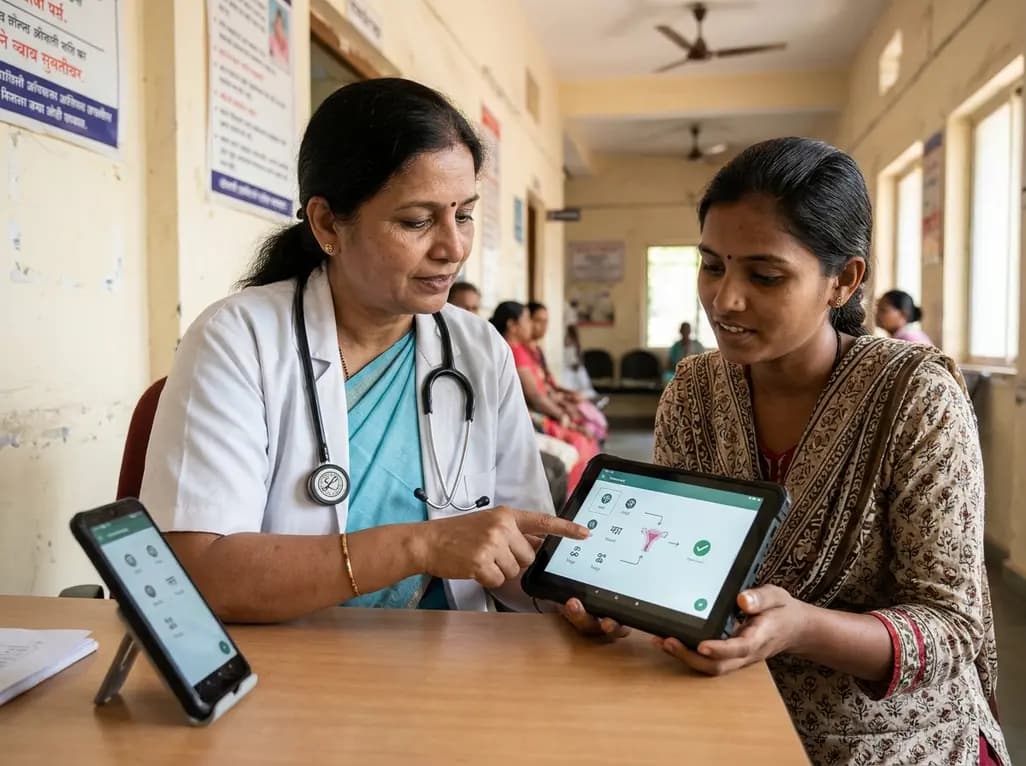
A new study evaluates a multilingual digital health platform combining rule-based cervical cancer risk assessment, retrieval-augmented generation AI, and geospatial navigation. The tool dramatically reduces clinical hallucinations while providing actionable health guidance for underserved populations.
Today
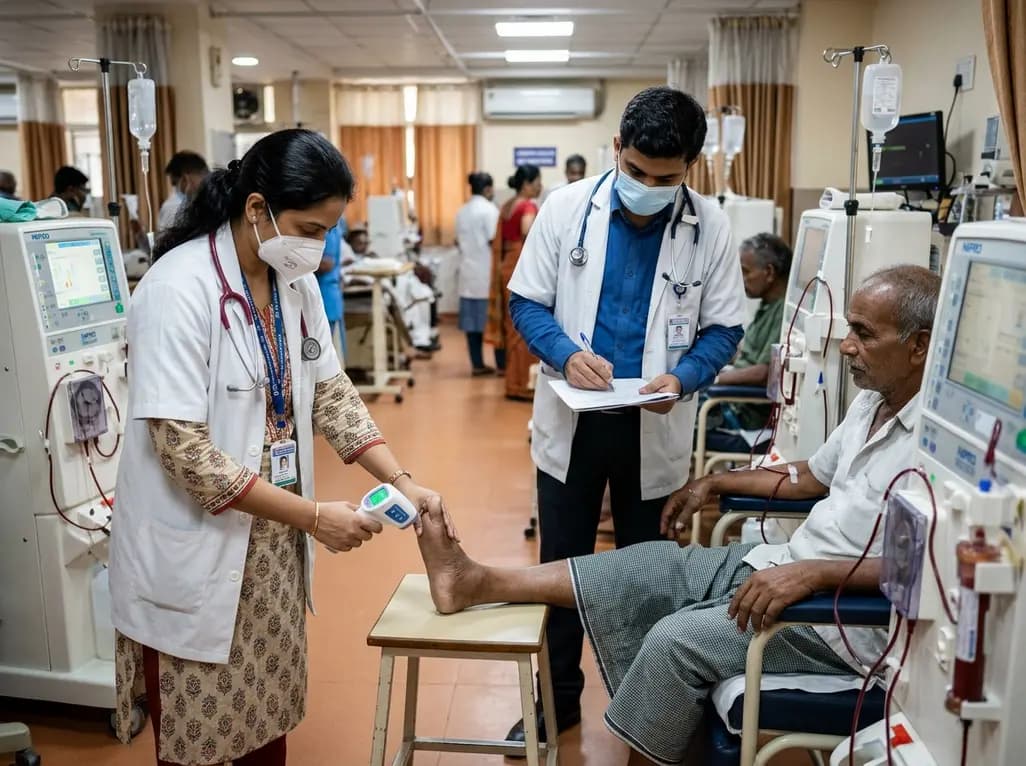
A prospective study reveals that tracking intradialytic foot temperature gradients offers a noninvasive approach to screen for severe peripheral artery disease in hemodialysis patients.
Today
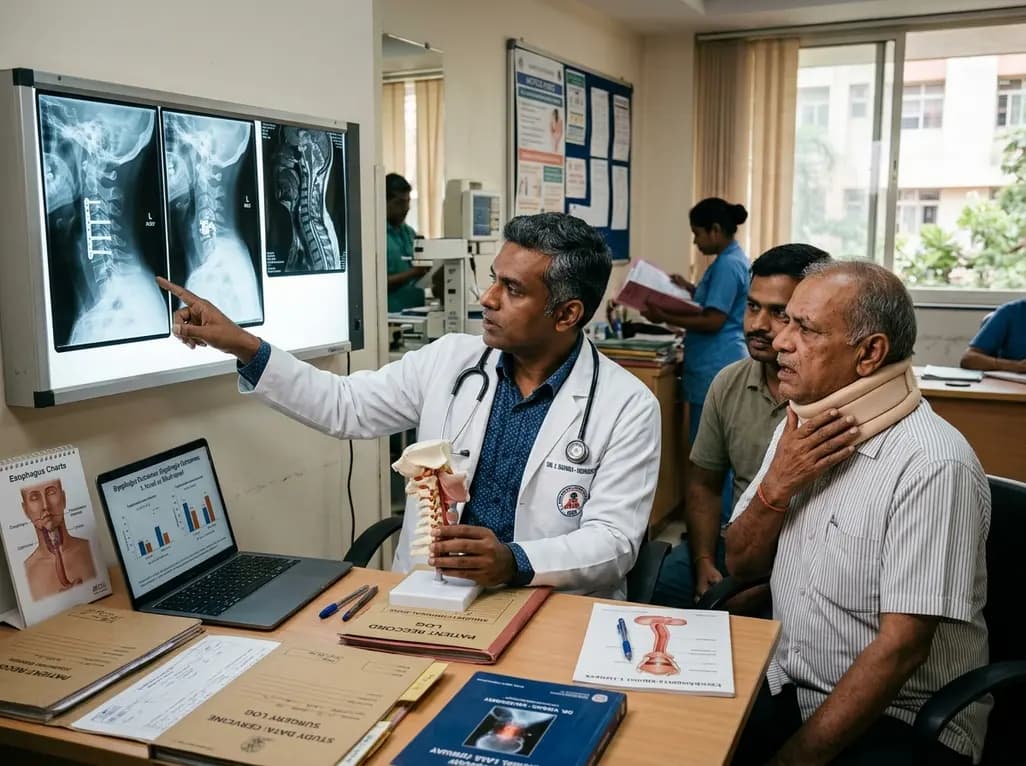
A large registry study reveals that postoperative dysphagia occurs more frequently and persists longer after multilevel anterior cervical spine surgery than single-level procedures. Key risk factors include baseline dysphagia, diabetes, upper cervical segment involvement, and medical comorbidities.
Today
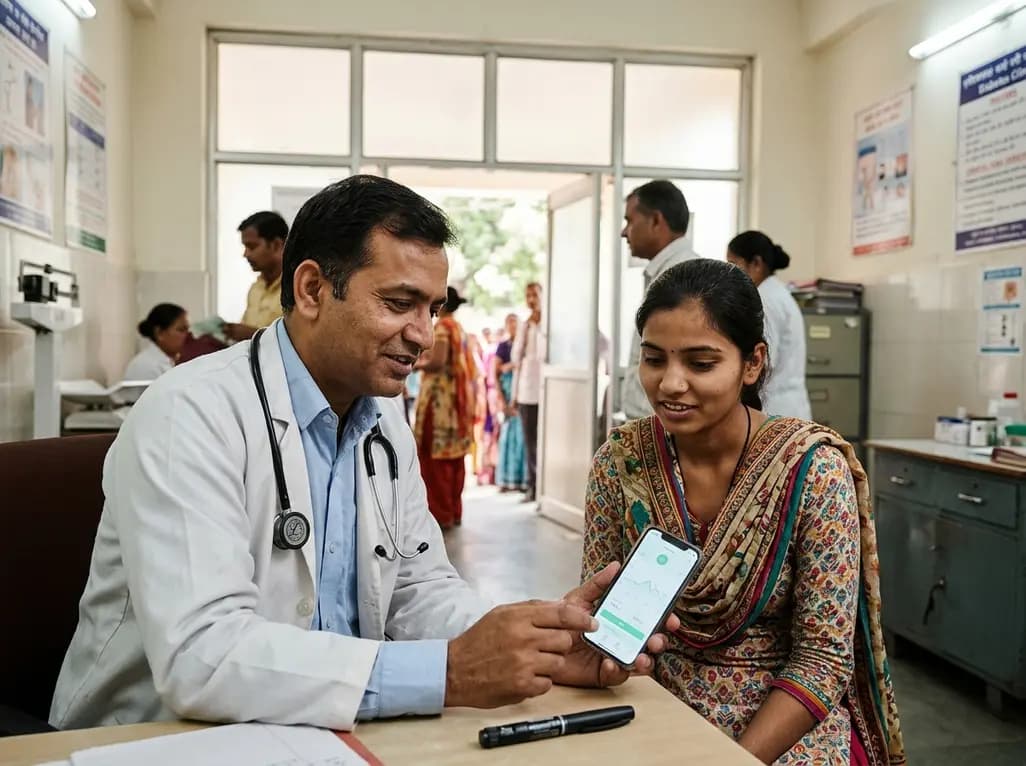
A pilot feasibility study demonstrates that a newly developed mobile app for bolus insulin dose adjustment significantly improves dosing confidence, treatment adherence, and hypoglycemia prevention for patients with type 1 diabetes while reducing provider workload in resource-limited clinical settings.
Today
