.webp&w=384&q=75)

Loading, please wait...
Loading, please wait...
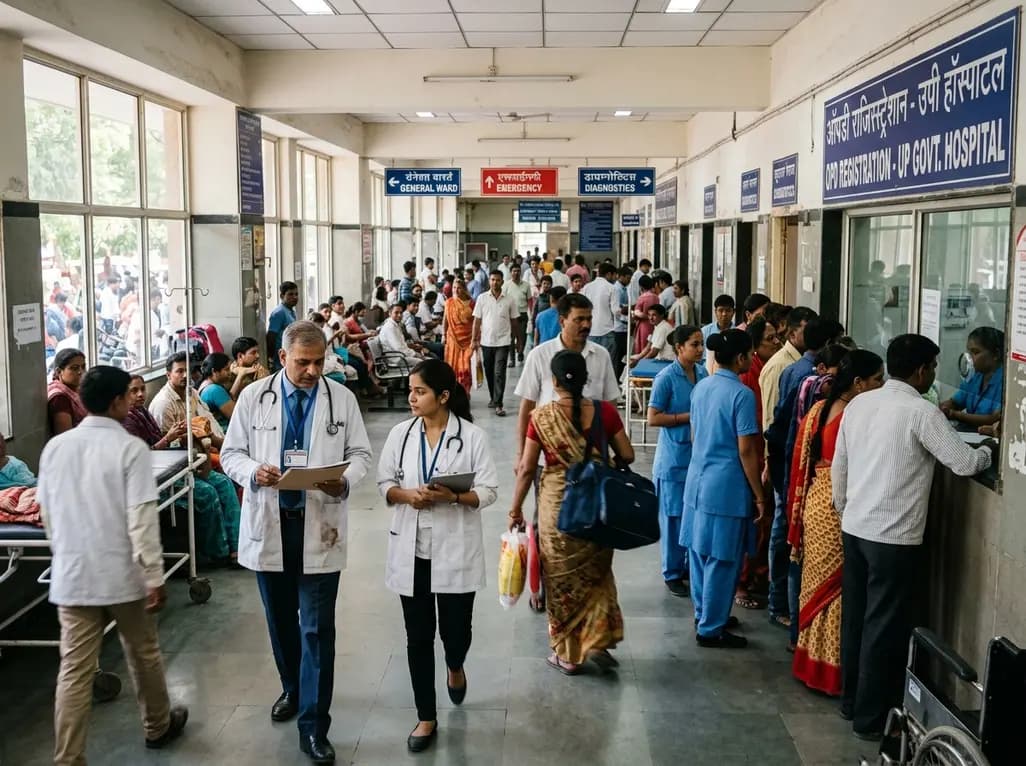
Public healthcare facilities across Uttar Pradesh have recorded a substantial surge in patient utilization during the fiscal year 2025-26. According to recent data released from the state Hospital Information System, overall government hospital footfall increased by approximately 16 percent across healthcare institutions. Outpatient consultations and inpatient admissions expanded by 12.7 percent and 19.7 percent, respectively. Consequently, these metrics indicate growing community reliance on state-administered healthcare facilities. Deputy Chief Minister and Health Minister Brajesh Pathak emphasized that enhancing public healthcare delivery remains the highest governmental priority. Furthermore, continuous investments in modernization, accessibility, and patient-centered workflows are transforming clinical operations across the state.
The official figures from the Hospital Information System present a comprehensive picture of healthcare delivery across Uttar Pradesh. Specifically, government hospitals documented 26.21 crore outpatient department visits during 2025-26, rising sharply from 23.26 crore in the preceding financial year. This development represents an absolute addition of nearly 2.95 crore outpatient consultations within a single operational cycle. Similarly, inpatient admissions experienced parallel growth throughout the same period. Hospital admissions rose from 1.03 crore in 2024-25 to 1.23 crore in 2025-26, adding over 20.29 lakh inpatient admissions across medical centers. Therefore, both primary consultations and acute inpatient care pathways experienced remarkable operational scaling. Healthcare administrators attribute this sustained growth to systematic record-keeping and proactive public health outreach. In addition, digitized tracking under the centralized database has eliminated discrepancies in documenting daily clinical encounters. Because clinical departments maintain synchronized digital registries, patient flow management has improved noticeably. As a result, hospitals manage higher patient loads while maintaining continuous clinical service across diverse specialty wards.
The notable increase in government hospital footfall corresponds directly with statewide efforts to modernize medical infrastructure. Over recent years, district hospitals, sub-divisional centers, and community health units have undergone targeted capital improvements. State authorities have prioritized installing modern medical equipment to meet complex clinical requirements locally. Consequently, patients in rural and semi-urban localities now access advanced medical evaluations without traveling to distant urban medical colleges. Moreover, clinical environments have transitioned toward modern patient-centric designs that minimize waiting times and streamline registration. Hospital administrators have reorganized triage stations, expanded general wards, and bolstered intensive care units. Thus, local healthcare facilities handle severe presentations with enhanced operational readiness. Medical superintendents report that upgraded physical facilities have significantly elevated public trust in government-run medical institutions. In addition, regular monitoring by senior health officials ensures that hospital facilities maintain consistent sanitation and operational efficiency. Because these structural upgrades address long-standing capacity constraints, hospitals can accommodate surging patient numbers safely. Ultimately, sustained capital investment creates an environment where clinicians deliver high-quality interventions effectively.
A crucial factor behind the operational growth in public hospitals is the comprehensive expansion of diagnostic infrastructure. Government healthcare institutions have substantially increased their internal capacity for specialized pathology, advanced radiology, and regular dialysis services. Previously, many patients sought private laboratories for critical biochemical evaluations or advanced diagnostic imaging. However, state hospitals now offer automated blood analyzers, digital radiography, ultrasound, and computed tomography scans directly on-site. Furthermore, dedicated hemodialysis centers functioning at district levels have reduced mortality and financial strain for individuals with chronic renal disorders. Alongside diagnostic advancements, the state government has completely restructured emergency ambulance services to ensure rapid transit. Modernized fleet management and enhanced emergency response protocols facilitate the timely transportation of acute trauma and critical medical emergencies. Consequently, clinicians receive critically ill patients earlier in their disease trajectory, which significantly improves clinical outcomes. Therefore, the seamless synergy between rapid transportation and robust on-site diagnostics reinforces public confidence in the emergency healthcare system.
Financial protection mechanisms have played a transformative role in driving healthcare utilization across public hospitals in Uttar Pradesh. The state health department has actively expanded the implementation of both central and state welfare entitlements. Flagship programs, including the Ayushman Bharat Pradhan Mantri Jan Arogya Yojana and local state health safety initiatives, offer comprehensive coverage to vulnerable populations. Eligible beneficiaries receive cashless inpatient treatment, essential surgical interventions, and post-discharge medications without out-of-pocket expenditure. In addition, dedicated scheme helpdesks stationed within hospital lobbies guide families through enrollment, document verification, and admission formalities. Because financial barriers are dramatically reduced, marginalized families seek medical attention promptly rather than delaying necessary clinical consultations. Moreover, the integration of the Ayushman Bharat Digital Mission allows hospitals to generate Unique Health IDs and update electronic health records efficiently. Consequently, treating physicians gain instant access to verified medical histories, optimizing therapeutic choices and eliminating redundant investigations. This digital and financial integration guarantees equitable healthcare delivery across all demographic segments.
The remarkable rise in hospital admissions and outpatient consultations brings critical operational considerations for healthcare professionals. Physicians, nursing staff, and allied medical personnel now manage significantly heavier daily caseloads across diverse specialties. Therefore, optimizing clinical workflows and maintaining standardized treatment protocols are essential to prevent physician burnout. Hospital administrations are actively addressing these staffing demands by streamlining duty rosters and recruiting trained healthcare professionals. Furthermore, digitizing prescription entry and lab ordering reduces administrative burdens on resident doctors and attending consultants. Because outpatient numbers exceed hundreds of patients daily per department, effective triage protocols ensure that urgent cases receive prompt intervention. Continued clinical training, continuous medical education, and adherence to evidence-based guidelines ensure that the quality of care remains high despite elevated patient volumes. In conclusion, the ongoing transformation of public hospitals reflects both expanding community demand and structural resilience. By sustaining infrastructure investments and supporting frontline clinicians, the healthcare system continues to advance toward universal and efficient health coverage.
Q1: What factors contributed to the 16 percent increase in hospital footfall across Uttar Pradesh?
The surge in hospital footfall stems primarily from continuous infrastructure modernization, expanded diagnostic services, and broader public scheme coverage. State hospitals have installed advanced medical equipment, expanded dialysis and radiology units, and streamlined ambulance networks. Consequently, improved service delivery and financial protection have substantially strengthened public confidence in government healthcare facilities.
Q2: What specific growth did outpatient and inpatient services record according to HIS data?
According to official Hospital Information System data for 2025-26, outpatient department visits increased by 12.7 percent, rising from 23.26 crore to 26.21 crore visits. Inpatient admissions grew by 19.7 percent, climbing from 1.03 crore to 1.23 crore patients. Thus, hospitals handled nearly 2.95 crore additional outpatient consultations and over 20 lakh additional inpatient admissions.
Q3: How has the expansion of diagnostic and emergency services benefited patient care?
The expansion of on-site pathology, advanced radiology, and hemodialysis units allows clinicians to diagnose and manage complex conditions locally without external referrals. In addition, upgraded ambulance services enable rapid transit for critical cases, ensuring timely emergency care and significantly improving patient outcomes across district and tertiary hospitals.
Disclaimer: This content is for informational and educational purposes only. It does not constitute medical advice or replace professional judgment. Refer to the latest local and national guidelines for clinical practice.
References

Read summarized clinical updates, watch expert medical content, and earn CME certifications right from your smartphone.
Open your smartphone camera to scan and install.





Uttar Pradesh recorded a 16% increase in public hospital footfall for 2025-26. Official HIS data highlights significant growth in OPD visits and inpatient admissions following major infrastructure, diagnostic, and emergency service upgrades.
last month
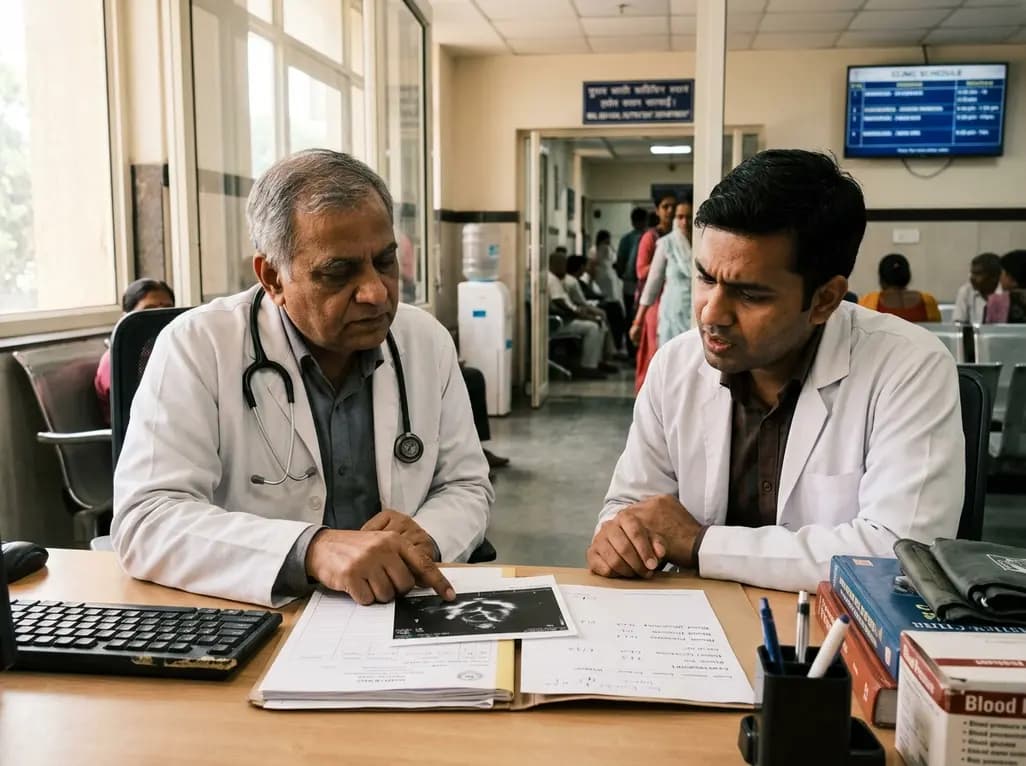
Advances in pediatric cardiology have allowed most patients with congenital heart defects to reach adulthood. However, acquired cardiovascular risk factors like hypertension and diabetes now significantly drive late mortality in adult congenital heart disease, requiring proactive cardiometabolic intervention.
Today
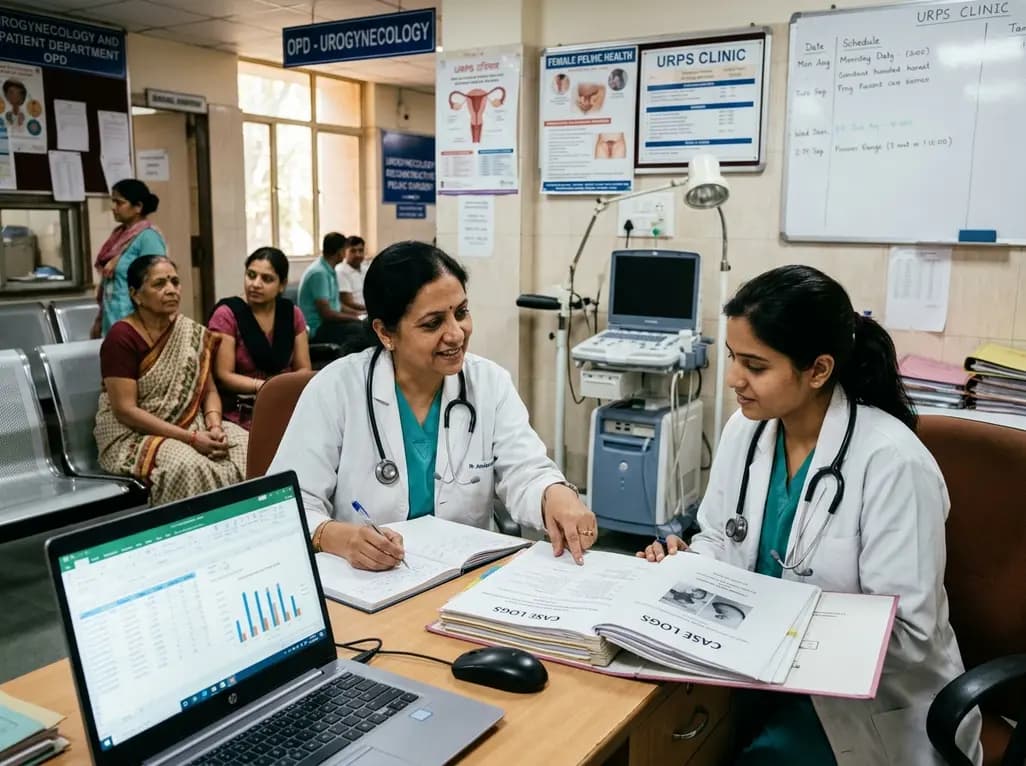
A ten-year cohort study of ABU case logs reveals that URPS fellowship training significantly drives higher annual case volumes, advanced surgical complexity, and increased female representation in pelvic floor reconstruction, underscoring the vital need for structured subspecialty training.
Today
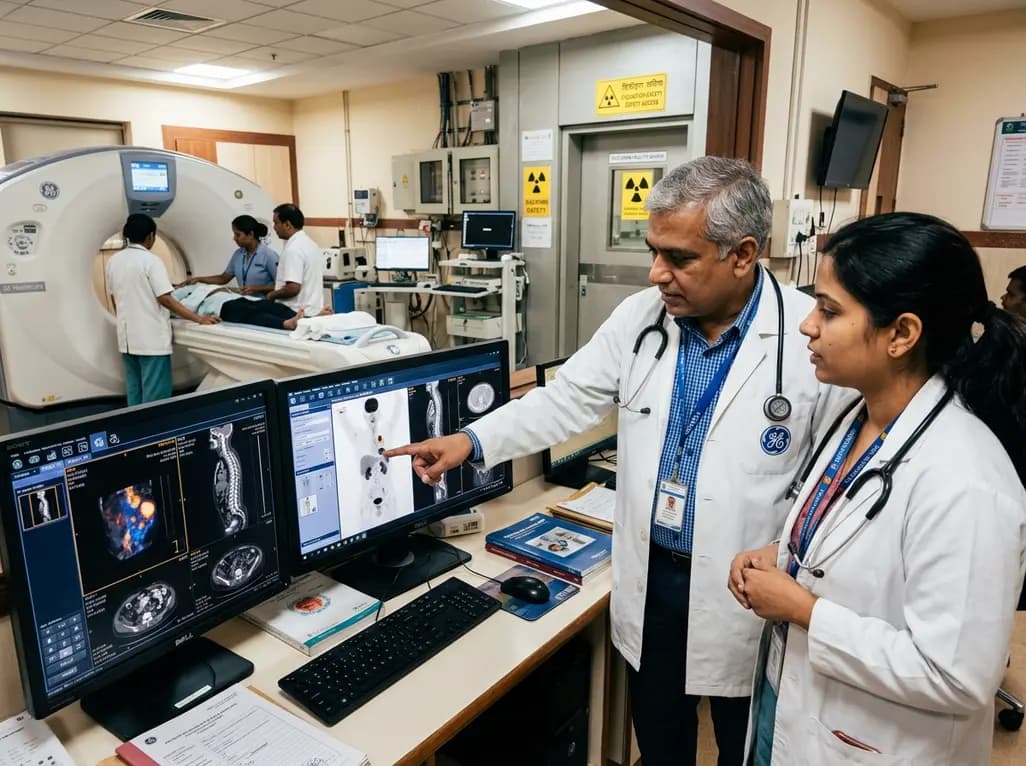
GE HealthCare has agreed to acquire Sofie Biosciences in a 945 million dollar all-cash transaction. The deal secures global rights to the investigational pan-cancer tracer FAPI-74 and expands cyclotron manufacturing infrastructure to accelerate precision theranostics and clinical molecular imaging workflows.
Today
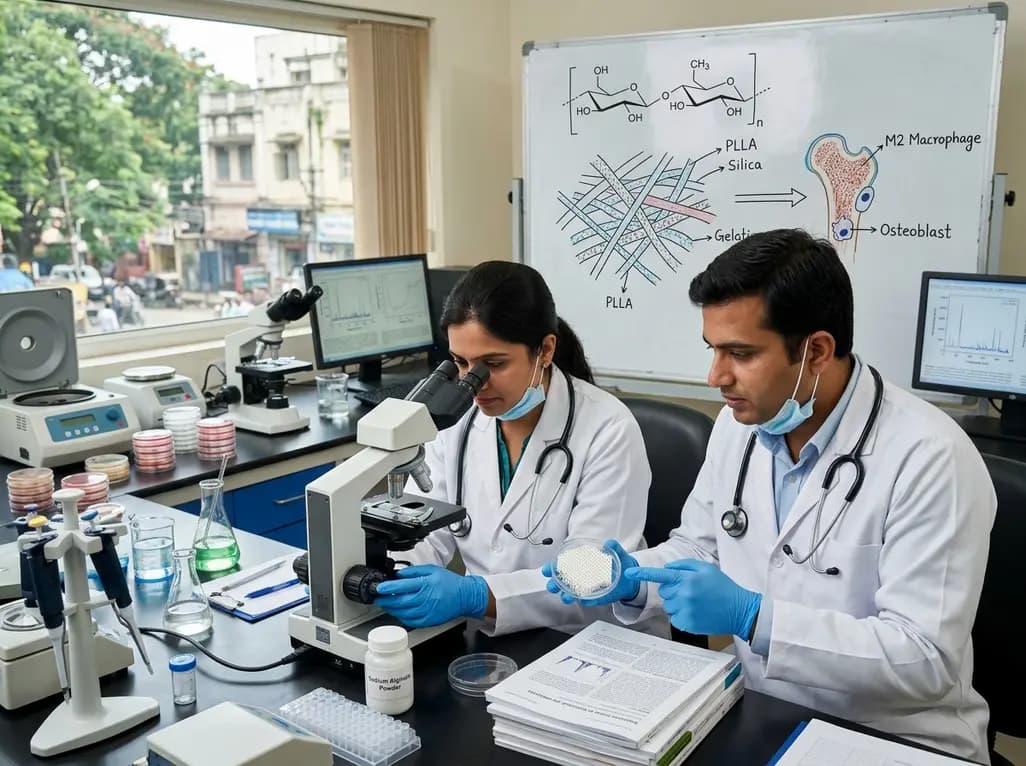
Dual-nanofiber interpenetrating network scaffolds combining silica and PLLA/gelatin nanofibers with sodium alginate achieve complementary mechanical stability, immunomodulatory M2 macrophage polarization, and enhanced osteogenesis for advanced bone repair.
Today
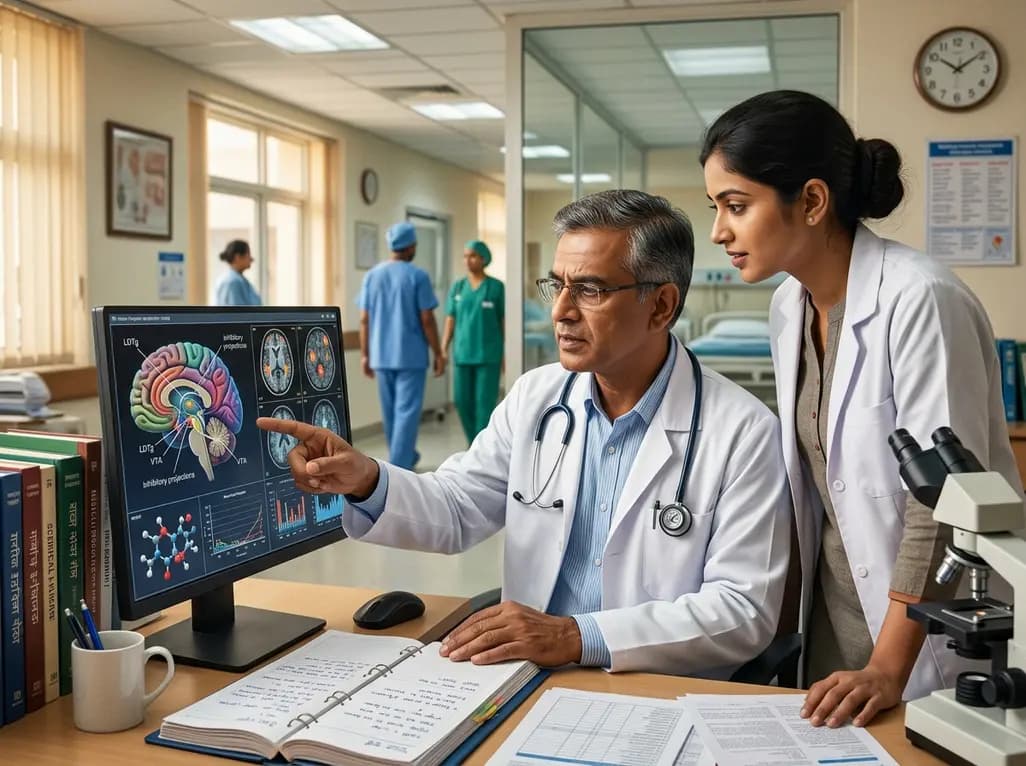
New research reveals that amylin receptor signalling in the laterodorsal tegmental nucleus controls food intake through inhibitory projections to the ventral tegmental area. This study demonstrates how midbrain reward circuits regulate feeding, presenting crucial targets for next-generation obesity pharmacotherapy.
Today
