

Loading, please wait...
Loading, please wait...
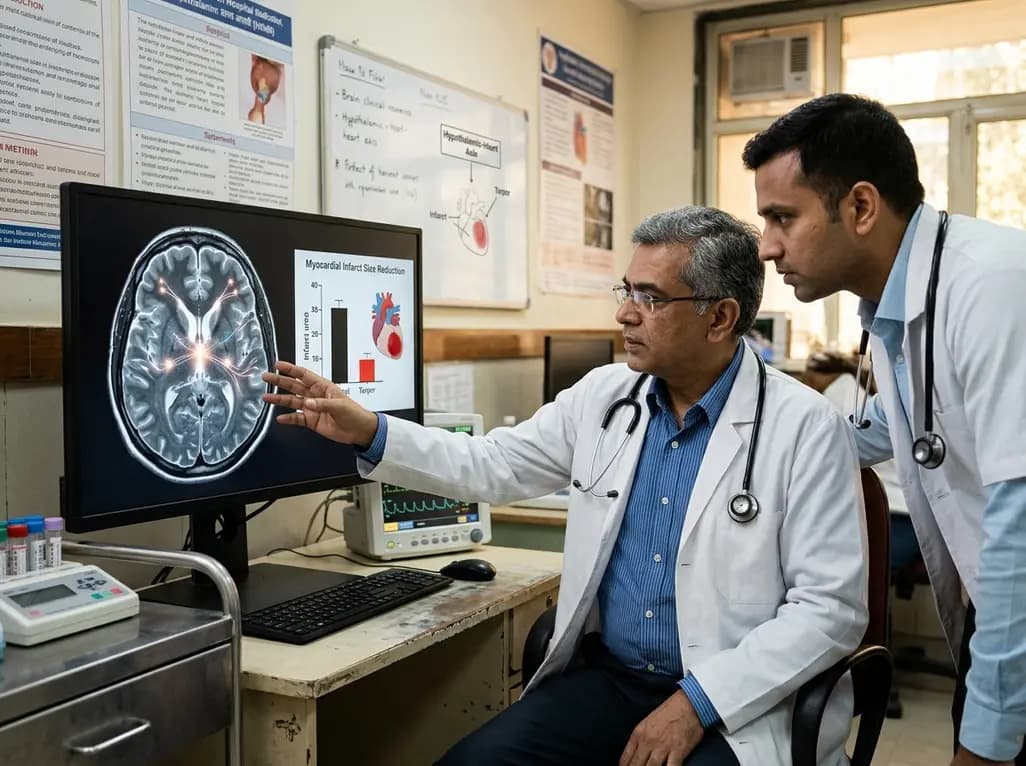
Emerging research in metabolic modulation highlights synthetic torpor cardioprotection as a revolutionary paradigm for mitigating myocardial damage during acute coronary syndromes. Natural torpor represents a reversible, highly coordinated hypometabolic state. During environmental hardship, hibernating species decrease core temperature, heart rate, and metabolic demand. Consequently, these animals exhibit remarkable intrinsic tolerance against severe hypoxia. Therefore, clinicians have long sought to harness such protective phenotypes to shield human organs. However, mammals that do not naturally hibernate lack these adaptations. Notably, a pioneering investigation in eLife demonstrates that chemogenetic hypothalamic stimulation induces a protective torpor-like state in non-hibernating rats. This intervention yields substantial resistance against myocardial infarction, offering profound translational possibilities for cardiology.
Natural torpor shields specialized mammals against lethal environmental extremes through active metabolic suppression. In these organisms, physiological slowing does not represent passive chilling. Instead, central neural circuits coordinate a profound decrease in metabolic demand before body temperature falls. Therefore, cells drastically lower their energy requirements while maintaining structural integrity. During subsequent reperfusion, hibernators experience minimal reactive oxygen species generation and microvascular dysfunction. For decades, cardiologists have recognized the theoretical appeal of replicating this phenotype. Current therapeutic hypothermia protocols attempt to slow cellular metabolism following cardiac arrest. Nevertheless, physical cooling introduces substantial systemic complications, such as shivering, coagulopathy, and arrhythmias. In addition, physical cooling fails to trigger endogenous intracellular survival pathways. Consequently, scientists sought novel approaches to activate these primordial genetic programs through central neuromodulation rather than external blankets. Furthermore, specific hypothalamic nuclei coordinate autonomic tone and thermal setpoints. By targeting these circuits, investigators commanded non-hibernating tissues to enter metabolic conservation. Ultimately, this approach laid the groundwork for testing suspended animation in cardiac ischemia.
To overcome natural evolutionary barriers, investigators applied viral vector-mediated chemogenetics to activate the medial preoptic area of the rat hypothalamus. Notably, laboratory rats do not naturally enter torpor under environmental stress. The team engineered hypothalamic neurons to express excitatory designer receptors. Upon agonist administration, the rodents rapidly entered a synthetic hypometabolic state. Consequently, the animals exhibited pronounced bradycardia, reduced oxygen consumption, and depressed core temperatures without behavioural toxicity. Researchers subsequently harvested the hearts and subjected them to an ex vivo model of ischaemia-reperfusion injury. Strikingly, synthetic torpor cardioprotection manifested as an approximate forty percent reduction in myocardial infarct size compared to controls. Furthermore, treated hearts displayed superior recovery of left ventricular developed pressure and enhanced coronary flow rates throughout reperfusion. Thus, central neuromodulation successfully evoked a phenotype previously considered restricted to hibernating wildlife. Additionally, the experimental model demonstrated excellent physiological reproducibility across cohorts. As a result, the myocardial protection occurred without irreversible hemodynamic collapse or sustained end-organ dysfunction.
A longstanding debate in therapeutic cooling centers on whether hypothermia alone accounts for all observed tissue protection. To resolve this question, researchers conducted pivotal experiments that decoupled core temperature from metabolic reprogramming. Specifically, they evaluated hearts isolated from rats that underwent synthetic torpor, testing them under standardized normothermic conditions ex vivo. Despite rewarming the isolated organs to normal temperatures during perfusion, the robust cardioprotective benefits persisted. Therefore, the observed reduction in tissue infarction does not merely reflect physical hypothermia sustained before organ recovery. Instead, central chemogenetic stimulation initiates an autonomous, lasting molecular recalibration inside cardiomyocytes. Furthermore, this finding carries significant clinical implications for patient management. Therapeutic hypothermia in humans often requires burdensome intensive care resources and carries substantial systemic morbidity. Because synthetic torpor activates protective mechanisms independent of persistent cooling, pharmacological mimics could potentially shield ischemic myocardium without extreme temperature drops. Consequently, clinicians may eventually protect at-risk tissues while avoiding cooling-related coagulopathies, severe infections, and electrolyte shifts.
To elucidate the precise mechanisms driving this profound cardiac resilience, researchers performed extensive phosphoproteomic profiling on ventricular tissue. The comprehensive analysis demonstrated widespread post-translational modifications across essential metabolic and apoptotic pathways. Most importantly, synthetic torpor orchestrated a coordinated dual response: parallel activation of pro-survival pathways alongside pronounced suppression of cell death cascades. For instance, the data revealed significant phosphorylation of enzymes governing mitochondrial energy homeostasis, calcium handling, and antioxidant defense. Concurrently, pro-apoptotic signaling cascades underwent robust downregulation. Additionally, the phosphoproteomic signature indicated enhanced cellular stress tolerance via molecular chaperones. Consequently, cardiomyocytes preserved membrane stability and sustained minimal oxidative stress during acute reperfusion. In contrast, standard ischemic myocardium typically exhibits overwhelming calcium overload, reactive oxygen species bursts, and immediate necrotic lysis. Furthermore, the phosphoproteomic findings indicate that this neurogenic state modulates cardiac glycogen metabolism and cytoskeletal stability. Therefore, structural myofibrils maintain their architecture despite severe ischemic insults, preventing hypercontracture and tissue necrosis.
The discovery that non-hibernating mammals can harness torpor-like protection opens revolutionary avenues for acute cardiovascular medicine. In clinical practice, myocardial infarction and post-cardiac arrest syndrome continue to cause substantial morbidity globally. Although timely percutaneous coronary intervention restores epicardial vessel patency, reperfusion itself paradoxically damages fragile cardiomyocytes. Currently, cardiology lacks effective pharmacological strategies that reliably prevent lethal reperfusion injury. However, the identification of specific hypothalamic receptors offers a tangible roadmap for pharmaceutical development. Small molecules or selective neuromodulators could theoretically evoke targeted hypometabolism without viral vector gene therapy. In addition, synthetic torpor offers immense promise for donor organ preservation in heart transplantation. By placing explanted donor hearts into a suspended metabolic state, transplant teams could extend ischemic preservation times. As a result, donor hearts could travel greater geographical distances without compromising graft viability. Ultimately, inducing transient metabolic depression could protect high-risk surgical patients against perioperative myocardial injury.
Therapeutic hypothermia relies on physical, external cooling methods to depress tissue metabolism, which often induces systemic complications like shivering and coagulopathy. In contrast, synthetic torpor represents an active, centrally orchestrated neurobiological state triggered by hypothalamic circuits. It suppresses metabolic demand before core temperature declines. Furthermore, it initiates endogenous phosphoproteomic survival cascades that shield cardiomyocytes independently of physical temperature changes, providing far more comprehensive and specific tissue protection.
While current preclinical data demonstrate an impressive forty percent reduction in infarct size in non-hibernating rats, human translation remains in its infancy. Clinicians cannot readily use viral chemogenetics in emergency settings. However, researchers are investigating pharmacological agonists that target identical hypothalamic pathways or downstream phosphoproteomic cascades. If synthetic compounds successfully reproduce these endogenous protective mechanisms, they could provide emergency cardiologists with unprecedented therapeutic tools to prevent lethal reperfusion injury.
Currently, donor hearts endure limited cold ischemic times, typically restricting organ preservation to under four hours during transit. Inducing a synthetic torpor state in donor tissue could fundamentally extend this preservation window by dramatically reducing cellular oxygen consumption and preserving mitochondrial architecture. Consequently, donor hearts could remain viable across longer transport distances, increasing graft availability, improving post-transplant ventricular function, and significantly reducing waitlist mortality for patients with end-stage heart failure.
Disclaimer: This content is for informational and educational purposes only and should not be considered professional medical advice. Healthcare professionals must exercise independent clinical judgment. Refer to the latest local and national guidelines for clinical practice.
References

Read summarized clinical updates, watch expert medical content, and earn CME certifications right from your smartphone.
Open your smartphone camera to scan and install.





Researchers demonstrate that central induction of synthetic torpor in non-hibernating rats provides striking cardioprotection, reducing myocardial infarct size by ~40% during ischaemia-reperfusion injury through endogenous survival signaling, independent of hypothermia.
Today

Ascertainment bias in cancer case-control studies inflates odds ratios and penetrance estimates when cases are drawn from high-risk clinics. A landmark modeling study demonstrates substantial bias ranging up to 23.72, highlighting the critical need for ascertainment adjustment in genetic risk counseling.
Today
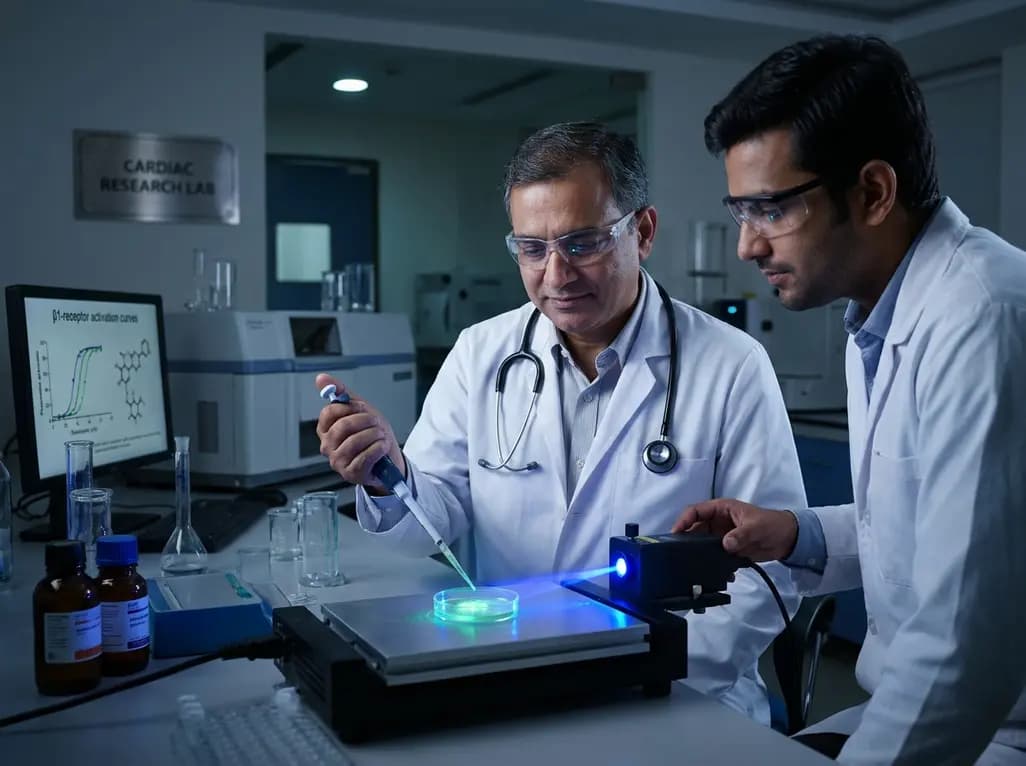
Researchers have engineered novel light-on photoswitchable adrenoceptor agonists targeting β1-receptors. By remaining inactive until illuminated, these precision molecules offer reversible optical control, tailored relaxation kinetics, and distinct efficacy profiles, paving the way for targeted cardiovascular therapies.
Today
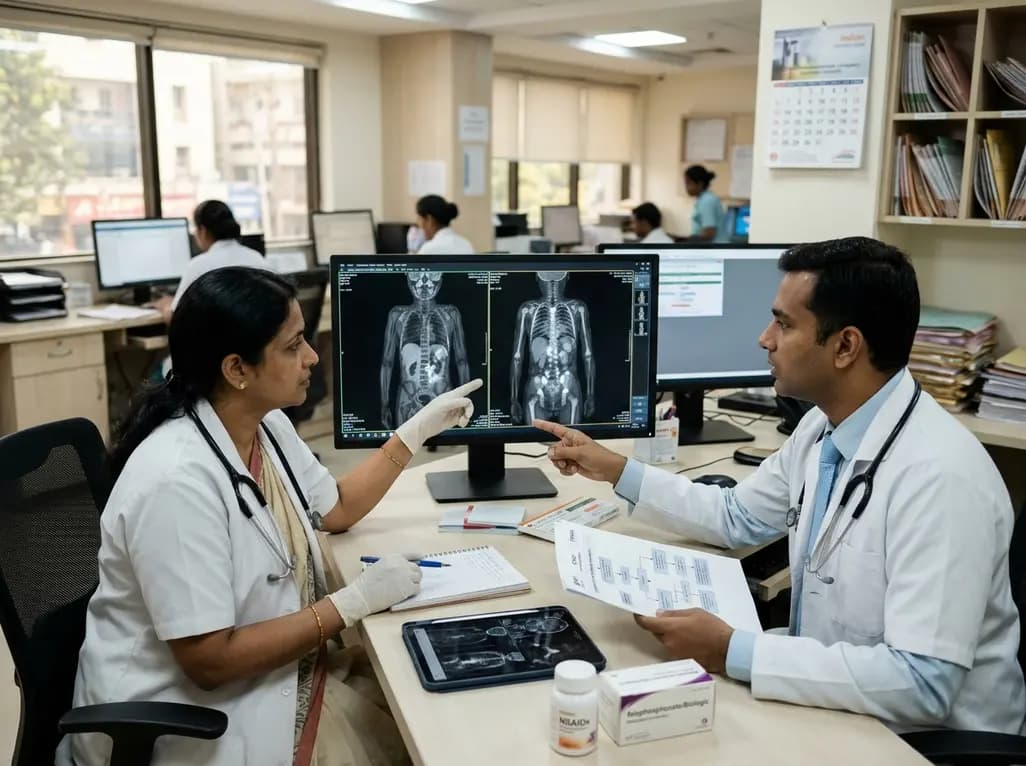
Chronic nonbacterial osteomyelitis (CNO) is a pediatric autoinflammatory bone disorder. This review covers the French protocol, emphasizing whole-body MRI as the diagnostic gold standard, prudent biopsy avoidance, first-line NSAID treatment, and second-line biologic or bisphosphonate therapies for spinal lesions.
Today
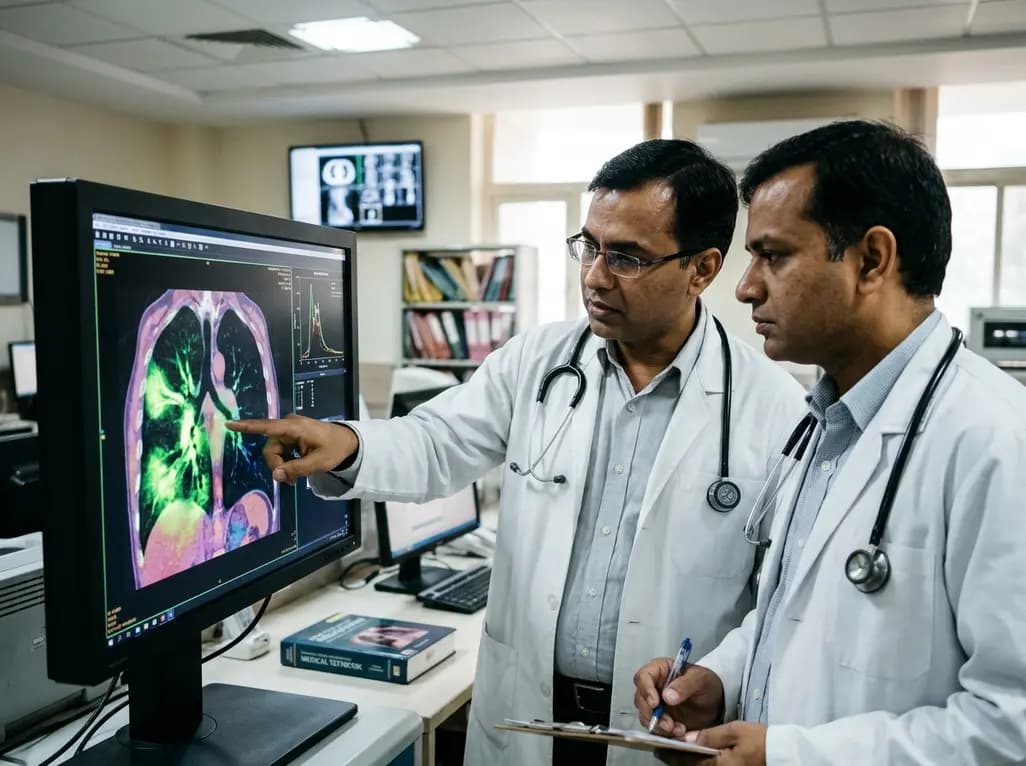
A novel fluorine-functionalized near-infrared copper fluorescent probe selectively illuminates lung tissue, revealing critical links between hyperglycemia, ER stress, and pulmonary malignancy for improved early diagnosis.
Today
