.webp&w=384&q=75)

Loading, please wait...
Loading, please wait...
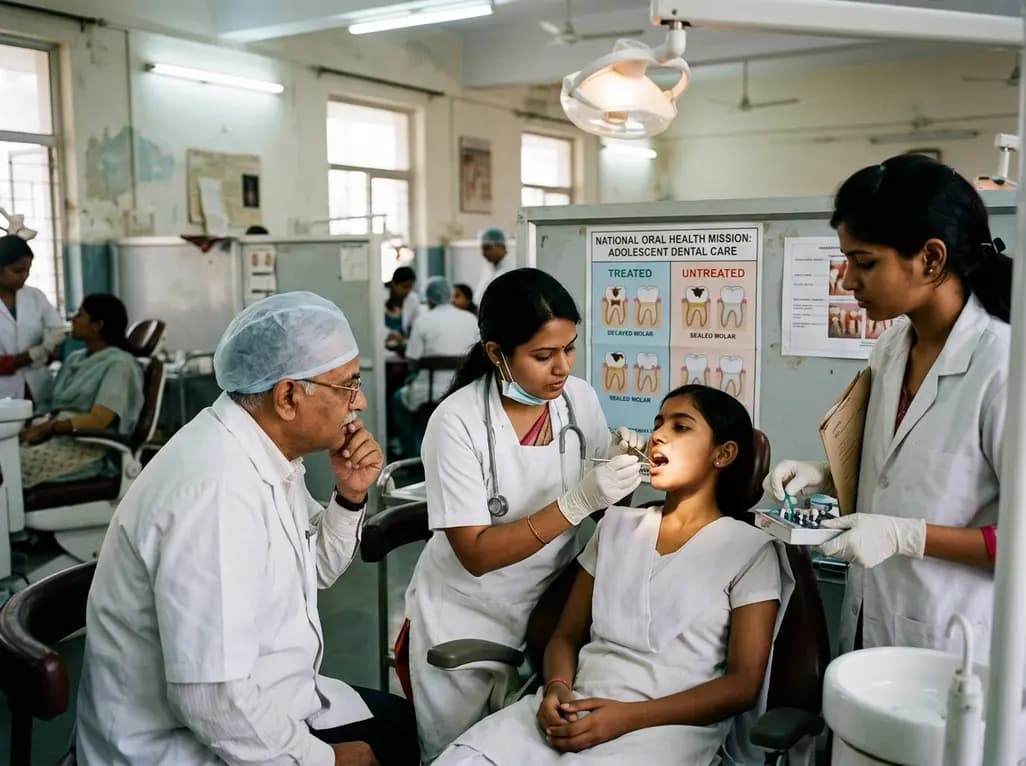
Dental caries remains one of the most widespread chronic conditions affecting young populations worldwide. In particular, untreated molar caries compromises masticatory function, causes recurrent odontogenic pain, and reduces overall quality of life during crucial adolescent years. Clinicians recognize that preventive sealants offer durable enamel defense. However, significant coverage gaps persist across diverse communities, leaving vulnerable teenagers unprotected against tooth decay.
Adolescent oral health data show that tooth decay concentrates heavily on posterior occlusal surfaces. Specifically, the deep pits and fissures of permanent molars harbor cariogenic bacterial biofilms that toothbrushing cannot easily dislodge. Consequently, adolescents experience high rates of enamel breakdown when preventive modalities are absent. For instance, national surveillance surveys document striking disparities across racial and economic groups. Furthermore, youth from low-income households carry a disproportionate burden of cavitated lesions compared to their more affluent peers.
Moreover, many adolescents miss routine dental screenings during key growth phases. Because initial carious changes develop beneath plaque, dentists often diagnose lesions only after overt cavitation occurs. Therefore, community clinics must actively track occlusal integrity during annual visits. By recognizing risk factors early, practitioners can initiate timely interventions that prevent severe tooth destruction and preserve sound dentition.
Dental sealants serve as impermeable physical barriers that isolate vulnerable pits and fissures from oral biofilms. When practitioners apply resin-based or glass ionomer materials, they effectively seal off microscopic niches where bacteria thrive. In addition, properly bonded sealants restrict nutrient access to residual bacteria trapped beneath the restoration. Clinical trials confirm that sealants reduce occlusal caries incidence by up to eighty percent.
However, successful retention requires strict moisture control and precise surface preparation during application. Clinicians must isolate the tooth, etch the enamel thoroughly, and ensure adequate resin penetration into deep grooves. Additionally, providers can place modern sealants over early non-cavitated lesions to arrest incipient demineralization. Consequently, sealants deliver dual therapeutic benefits by halting early decay and preventing new microbial invasion across occlusal surfaces.
Public health initiatives traditionally prioritize first permanent molars during early childhood. Typically, first molars erupt around six years of age, matching school-based sealant programs in primary grades. In contrast, second permanent molars emerge around twelve years of age, when adolescent clinical attendance frequently declines. As a result, second molar sealant coverage lags significantly behind first molar coverage nationwide.
Furthermore, this delivery gap creates substantial vulnerability across adolescent cohorts. Because second molars have complex fissure morphology, they encounter the same acid challenges as first molars. Moreover, teenagers frequently consume sugary snacks and maintain irregular hygiene routines. Therefore, public health agencies should expand preventive dental programs into middle and high schools. Broadening clinical access ensures full protection across the entire permanent dentition throughout secondary education.
Social determinants of health strongly affect whether teenagers receive preventive care or develop extensive tooth decay. Low-income families often face significant logistical hurdles, including lack of dental insurance, high co-payments, and scarce clinical facilities. In addition, rural communities experience persistent shortages of dental providers. Consequently, economically disadvantaged teenagers exhibit much lower sealant rates and higher rates of untreated decay.
Furthermore, restrictive work schedules prevent many parents from taking children to daytime dental appointments. As a result, families frequently seek dental attention only when acute odontogenic infections develop. Additionally, public insurance reimbursement rates often discourage private practices from accepting adolescent patients. To overcome these persistent obstacles, health authorities must deploy mobile dental vans and school-based health clinics in high-need districts.
Promoting adolescent oral wellness requires active collaboration between pediatricians, general physicians, and dental professionals. Medical doctors frequently evaluate teenagers during routine sports physicals and adolescent wellness examinations. Therefore, medical teams can perform rapid oral assessments to identify frank cavitation and visible dental plaque. Additionally, clinicians should provide dietary counseling regarding sugary beverages and prescribe systemic fluorides when indicated.
Similarly, dental teams must reinforce the protective value of sealants during regular preventive visits. Dental hygienists should examine sealant integrity at every check-up and replace chipped resin promptly. Moreover, dental offices should implement reminder recall protocols for high-risk adolescents. When medical and dental teams cooperate effectively, they prevent irreversible tooth loss and preserve functional smiles across patient populations.
Implementing comprehensive sealant protocols requires updated clinical guidelines and targeted public health financing. Clinical practices must adopt evidence-based risk assessment tools to identify susceptible adolescents early. In addition, dental organizations should train auxiliaries and dental therapists to apply sealants efficiently in alternative community settings. Expanding the clinical workforce enables broader preventive delivery across schools and community centers.
Moreover, health systems must track oral health outcomes through integrated electronic health records. By linking medical and dental data, providers can identify adolescents lacking preventive care. Consequently, healthcare teams can dispatch targeted outreach reminders to schedule clinical applications. Ultimately, combining innovative community delivery models with interprofessional clinical care ensures equitable protection for all adolescents nationwide.
Permanent second molars erupt around twelve years of age with deep, intricate grooves that easily trap food particles and bacteria. Concurrently, adolescents often demonstrate erratic oral hygiene habits and consume diets rich in fermentable sugars. Furthermore, school-based sealant programs predominantly target first molars during elementary school, leaving second molars unsealed. Consequently, these anatomical and behavioral factors combine to heighten decay risk, allowing untreated molar caries to develop rapidly if preventive interventions are missing.
Yes, applying dental sealants directly over early, non-cavitated carious lesions represents an evidence-based clinical strategy. When clinicians apply sealants over incipient enamel demineralization, the resin forms an airtight, impermeable barrier. Consequently, cariogenic microorganisms trapped beneath the restorative material become deprived of essential dietary carbohydrates. As a result, bacterial metabolic activity drops dramatically, effectively arresting lesion progression. Therefore, sealants serve as both an effective primary preventive measure and a valuable secondary therapeutic intervention.
Dental practitioners should visually and tactilely inspect existing dental sealants during every routine bi-annual recall visit. Over time, normal masticatory forces or abrasive diets can cause partial sealant chipping, wear, or complete debonding. If marginal leakage develops around compromised sealants, bacteria can penetrate underneath and trigger concealed caries. Therefore, dentists must promptly clean, re-etch, and reapply sealant material whenever loss occurs. Regular clinical maintenance guarantees durable long-term protection against adolescent occlusal tooth decay.
Disclaimer: This content is for informational and educational purposes only and does not constitute medical advice, diagnosis, or treatment. Always consult a qualified healthcare professional regarding any medical condition or treatment options. Clinicians should exercise their independent professional judgment when evaluating and applying research findings. Opinions expressed in this text are solely those of the authors and do not necessarily reflect the official policy or position of any affiliated organization or publisher. This summary is intended to provide a critical overview of published literature and does not replace primary sources or individual clinical evaluation. Healthcare systems, clinical protocols, and regulatory approvals vary by region. Refer to the latest local and national guidelines for clinical practice.
References

Read summarized clinical updates, watch expert medical content, and earn CME certifications right from your smartphone.
Open your smartphone camera to scan and install.





A recent study evaluates the association between untreated molar caries and dental sealants among adolescents, emphasizing the impact of second molar protection and socioeconomic disparities in adolescent oral healthcare.
Today

Evaluating disagreement among Friedewald, Martin-Hopkins, and Sampson LDL-C equations reveals diagnostic uncertainty at statin cutoffs. An interpretable regime-aware calibration model rescues patient misclassifications without extra testing costs.
Today

A large retrospective study evaluates the screening accuracy, positive predictive value, and test failure rates of noninvasive prenatal testing (NIPT) in assisted reproductive technology (ART) pregnancies compared to spontaneous conceptions, highlighting key considerations for pretest counseling.
Today

A comprehensive meta-analysis of over 40,000 patients reveals that vascular closure devices significantly reduce hematomas, bleeding, and recovery times in adult electrophysiology procedures compared to manual compression, improving overall lab throughput and bed turnaround.
Today
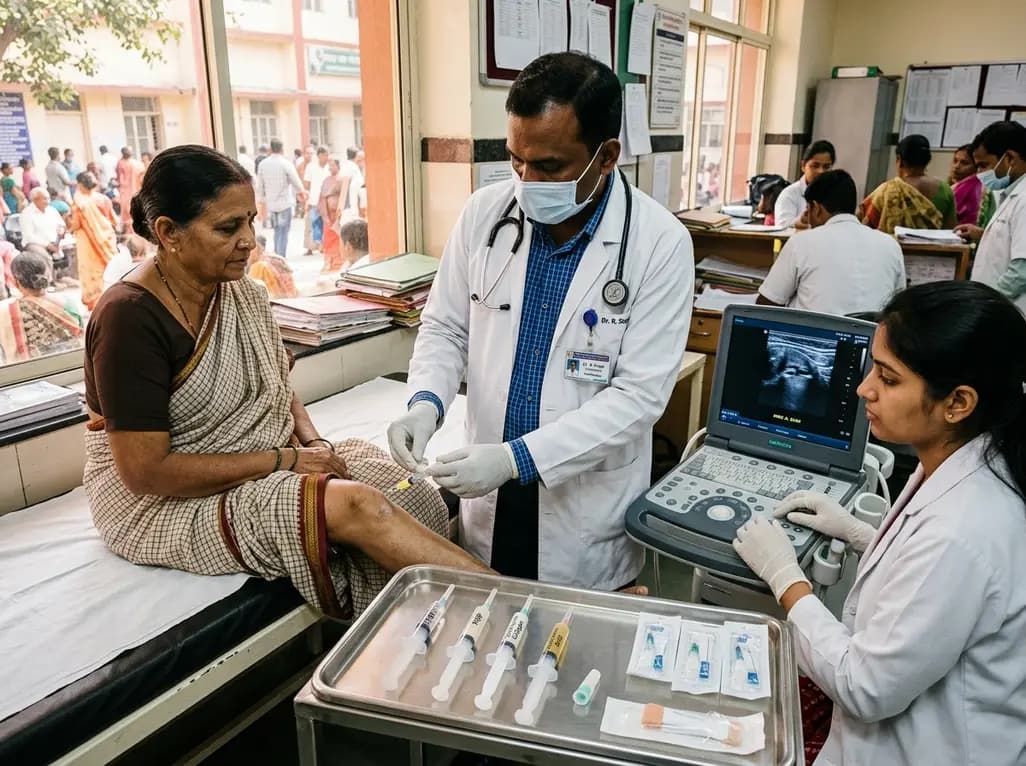
A randomized controlled trial compared ultrasound-guided intra-articular injections of PRP, hydrolyzed type I collagen, and hyaluronic acid in knee osteoarthritis. All therapies demonstrated significant improvements in WOMAC and pain scores at six months, supporting hydrolyzed collagen as a viable biological option.
Today

A groundbreaking review highlights mitochondrial quality control as a pivotal gating layer between metabolite signaling and regulated cell death, offering transformative therapeutic avenues across cardiology, oncology, and critical care.
Today
